Jvari Monastery, Tbilisi Travel Guide
Free Guide: A UNESCO World Heritage Site, Jvari Monastery offers stunning views and a glimpse into Georgia's rich religious history and architecture.


A brief summary of Jvari Monastery
A UNESCO World Heritage Site, Jvari Monastery offers stunning views and a glimpse into Georgia's rich religious history and architecture.
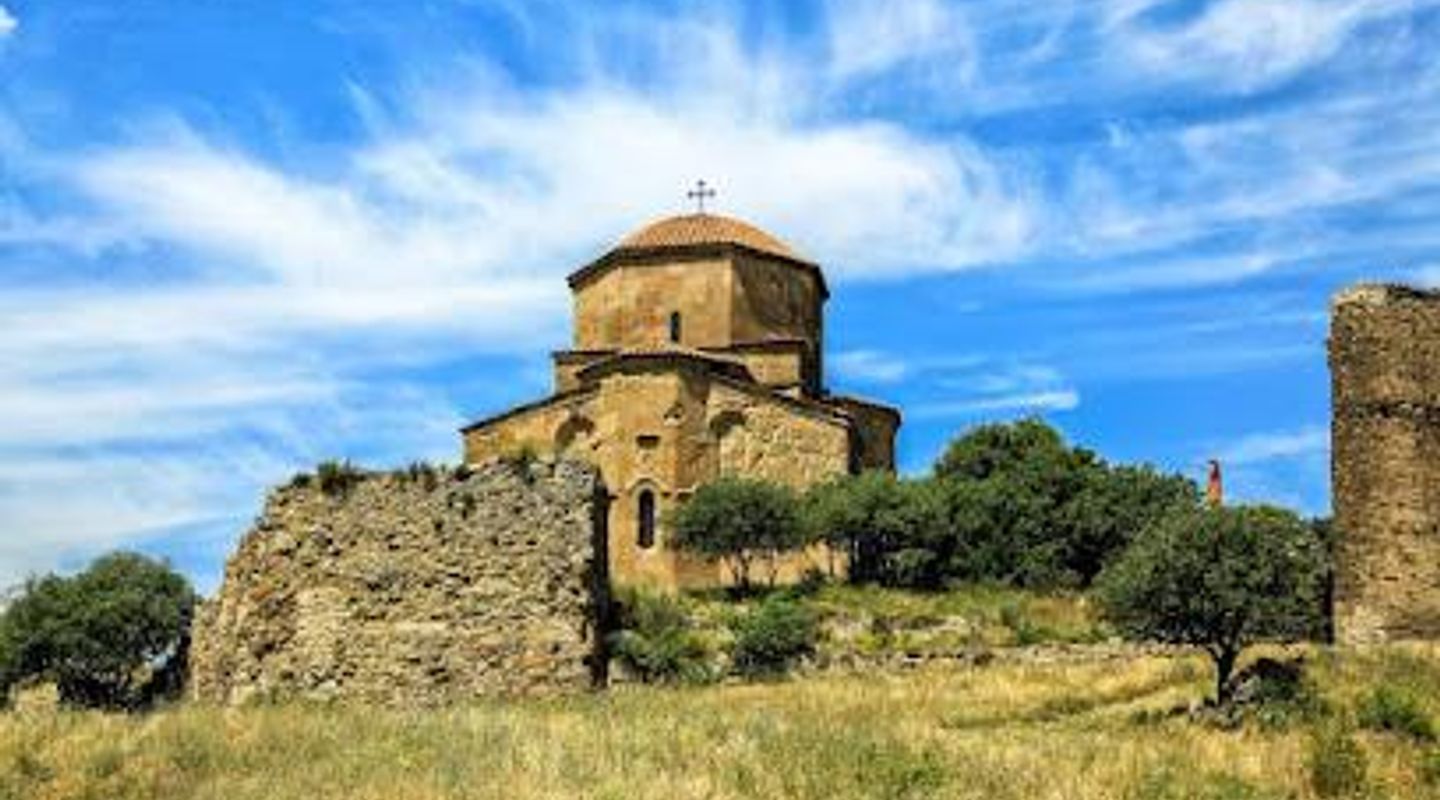
Perched atop a mountain overlooking Mtskheta, Jvari Monastery is a 6th-century Georgian Orthodox monastery and a UNESCO World Heritage Site. It stands as a symbol of the rise of Christianity in Georgia and offers breathtaking views of the confluence of the Aragvi and Kura rivers.
Opening hours
- Every day9:30 am–5:30 pm
Opening hours as listed on the venue’s Google Business Profile. Hours can change for services and special events, so check with the venue before you go.
- Address
- RPQM+C79, Mtskheta
- Phone
Getting there
Taxi
Public Transport
Discover more about Jvari Monastery
Overview
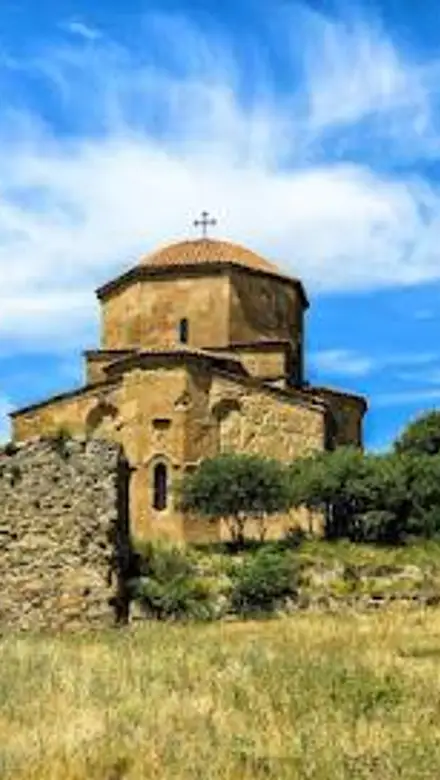
Jvari Monastery, meaning "Monastery of the Cross," is a remarkable example of early medieval Georgian architecture. Located near Mtskheta, the ancient capital of the Kingdom of Iberia, the monastery sits on a mountaintop where St. Nino, who converted Georgia to Christianity in the 4th century, erected a wooden cross on the site of a pagan temple. The cross was said to be miraculous, attracting pilgrims from across the Caucasus.A small church was built around 545 AD, known as the "Small Church of Jvari". As the number of pilgrims increased, the larger "Great Church of Jvari" was constructed between 590 and 605 AD. This tetraconch-style church became a model for many others in Georgia and Armenia. The monastery's design harmoniously blends with the natural environment, appearing to grow from the mountain. The exterior is decorated with relief sculptures and inscriptions in Georgian Asomtavruli script. Inside, a stone base marks the spot where the original wooden cross stood.Jvari Monastery's importance grew over time, and it was fortified in the Middle Ages. Although it was preserved as a national monument during the Soviet period, access was restricted. After Georgia's independence, the monastery was restored and returned to religious use. Today, Jvari Monastery is a popular pilgrimage site and tourist destination, offering stunning views and a glimpse into Georgia's rich history and religious heritage.
Evendo Review Centre
 Google
Guest reviews
Explore Jvari Monastery on the map
A handpicked selection of must-see spots near Jvari Monastery, mapped for you.
Get your free copy of our complete guide to Jvari Monastery, delivered straight to you.
Everything on this page, from opening hours and how to get there to Eve’s tips and the best time to go, in one PDF you can read offline, print or share.
Already have an account? Sign in
Your Jvari Monastery guide is ready.
We'll send it to · Not you? Sign out

Getting your guide ready…
We are putting together a fresh copy of the Jvari Monastery guide. This can take up to a minute.
This can take a few moments. If your browser asks, choose Allow so the download can start. You'll find the guide in your Downloads folder.
Nothing happened? Download it again
Sorry, the guide is taking longer than usual. Please try again in a minute, or get it by email instead.
Unlock the best of Jvari Monastery
Skip-the-line tickets, guided tours with entry, and walking tours of the area, booked in a few clicks.
 Tour with entry
Gori Uplistsikhe Group Tour from Tbilisi
from $9.50 Tour with entry
Tbilisi:Mtskheta, Jvari, Bazaar, Chronicles of Georgia & Wine Cellar
from $11.40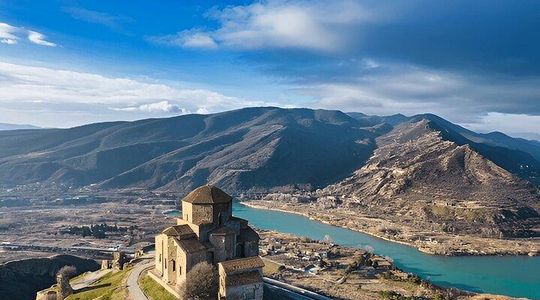 Tour with entry
Cultural Treasures of Georgia Mtskheta Jvari Gori and Uplistsikhe
from $13.88 Tour with entry
Mtskheta and Jvari Gori Uplistsikhe with Georgian Travel Guide
from $14.25


Other nearby places you may find interesting
The closest places of the same kind, if this one is not quite what you had in mind.
-
-
-
-
-


Swipe for more places
More to explore near Jvari Monastery

 Best experiences near Jvari Monastery
 Best hotels near Jvari Monastery
 Best landmarks near Jvari Monastery
 Best attractions near Jvari Monastery
 Best shops near Jvari Monastery
 Best restaurants near Jvari Monastery
 Best bars near Jvari Monastery
Do you manage this location?
Take control to get all the benefits, like improved information, better appearance, and stronger visibility across AI-powered discovery.
Explore more

Explore more of Tbilisi
Discover Tbilisi, Georgia's vibrant capital, where ancient history and modern charm blend seamlessly, offering a unique cultural experience and stunning landscapes.
Explore Tbilisi
Explore more of Georgia
Discover Georgia: A vibrant mix of ancient history, stunning landscapes, and warm hospitality at the crossroads of Europe and Asia.
Explore Georgia