Alte Berliner Stadtmauer, Berlin Travel Guide
Discover Berlin's medieval origins at the Alte Berliner Stadtmauer, a remnant of the city's original 13th-century fortifications, offering a glimpse into its rich history and evolution.
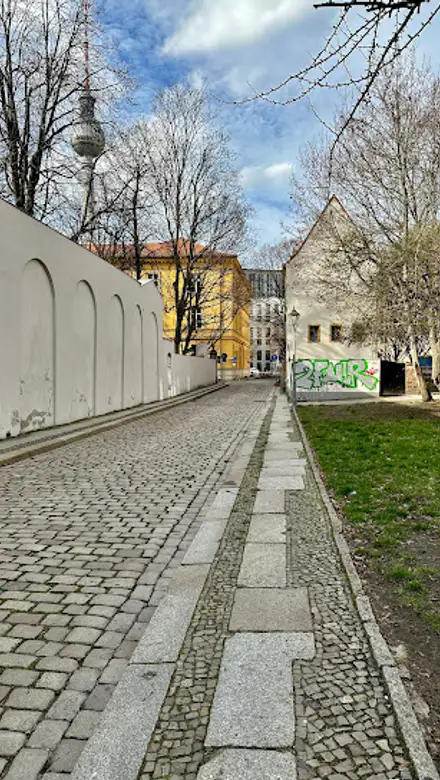
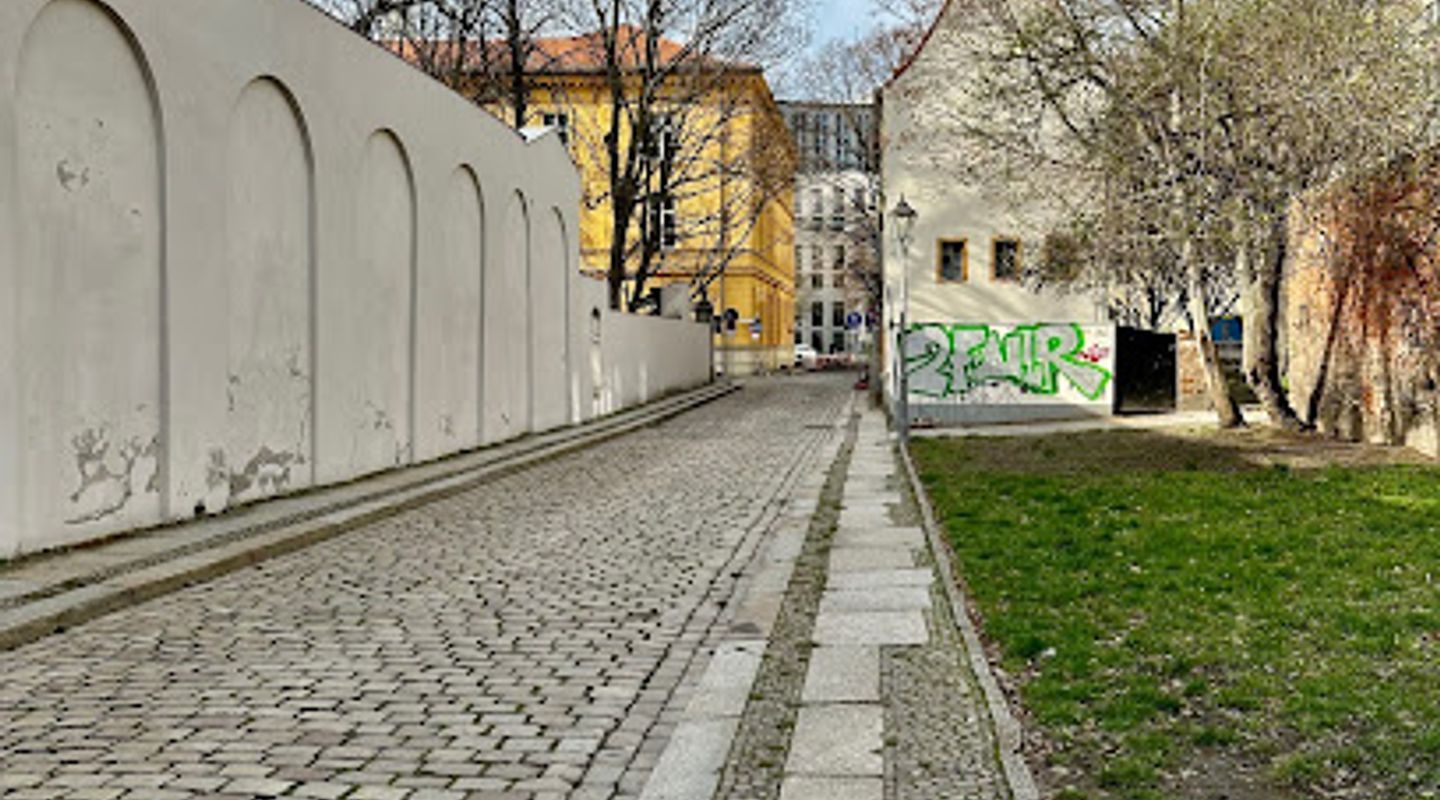
The Alte Berliner Stadtmauer, or Old Berlin Wall, offers a glimpse into the city's distant past, predating even the infamous Berlin Wall of the Cold War era. Constructed in the 13th century, this historical landmark once served as the city's primary defense. Today, remnants of the wall can be found in the Mitte district, particularly along Waisenstraße and Littenstraße, providing a tangible link to Berlin's medieval origins. Visitors can explore the well-preserved sections, imagining life within the walled city centuries ago. The wall's reddish-brown brickwork and sturdy construction stand as a testament to the craftsmanship of the time. Nearby, the Parochialkirche and the restaurant "Zur letzten Instanz," Berlin's oldest, add to the area's historical charm, making it a worthwhile stop for history enthusiasts and curious travelers alike. While not as imposing as other European city walls, the Alte Berliner Stadtmauer offers a unique and intimate connection to Berlin's formative years.
A brief summary to Alte Berliner Stadtmauer
- Waisenstraße 2, Berlin, Mitte, 10179, DE

Know before you go
Hi, I'm Eve. Here are a few practical things to know before exploring Alte Berliner Stadtmauer.
- Visit early in the morning or late afternoon to avoid crowds and enjoy a more peaceful experience.
- Combine your visit with a meal at "Zur letzten Instanz," Berlin's oldest restaurant, for a taste of local history and cuisine.
- Take time to read the informational plaques along the wall to learn about its construction, evolution, and significance.
- Explore the nearby Parochialkirche, a historic church that offers a striking contrast to the ruggedness of the medieval wall.
- Wear comfortable shoes, as you'll be doing some walking on cobblestone streets and uneven surfaces.
Do you manage this location?
Take control to get all the benefits, like improved information, better appearance, and stronger visibility across AI-powered discovery. Learn more about listing your business on Evendo
Activate your presenceOther nearby places you may find interesting
The closest places of the same kind, if this one is not quite what you had in mind.

Explore Alte Berliner Stadtmauer on the Map
A handpicked selection of must-see spots near Alte Berliner Stadtmauer, mapped for you.
Unlock the Best of Alte Berliner Stadtmauer
Buy tickets
-
No tickets available
Book tours with entry

Book tours without entry
-
No tours available
Getting There
-
Public Transport
The Alte Berliner Stadtmauer is easily accessible via Berlin's efficient public transport system. From Alexanderplatz, take the U-Bahn U2 or U8 to Klosterstraße station. Alternatively, take the U-Bahn U5 to Jannowitzbrücke station. From either station, it's a short walk of approximately 5-10 minutes to Waisenstraße, where the wall remains are located. A single AB zone ticket costs €3.80 and is valid for two hours of travel in one direction, allowing changes between trains, buses, and trams. A short trip ticket, valid for three stops on the U-Bahn or S-Bahn, or six stops on the bus or tram, costs €2.60.
-
Taxi/Ride-Share
Taxis and ride-sharing services like Uber and Bolt are readily available throughout Berlin. A taxi ride from Alexanderplatz to Waisenstraße will typically cost between €8 and €12, depending on traffic conditions. The journey usually takes around 5-10 minutes. Keep in mind that surge pricing may apply during peak hours or special events.
-
Walking
If you are already in the Mitte district, walking to the Alte Berliner Stadtmauer is a pleasant option. From Alexanderplatz, head east along Spandauer Straße, then turn right onto Waisenstraße. The walk is approximately 15-20 minutes and offers an opportunity to explore the historic Nikolaiviertel neighborhood. Look for the Parochialkirche; the wall remnants are nearby. No costs are associated with walking.
-
Driving
Driving to the Alte Berliner Stadtmauer is possible, but parking in the Mitte district can be challenging and expensive. Limited street parking is available on Waisenstraße and surrounding streets, with fees ranging from €1 to €4 per hour. Parking meters accept coins and some may accept credit cards. Alternatively, you can use parking apps. Several parking garages are located within walking distance, but rates can be high, typically around €3 per hour or €12-€20 per day. Be aware of the "Parkraumbewirtschaftungszone" (paid parking zone) in the inner city.
Discover more about Alte Berliner Stadtmauer
More to explore near Alte Berliner Stadtmauer













Your all‑in‑one travel companion app
Explore expert travel guides, compare and book tours, experiences, hotels, and more—all from the palm of your hand. Download now for seamless trip planning wherever your wanderlust takes you.


Explore More of Berlin
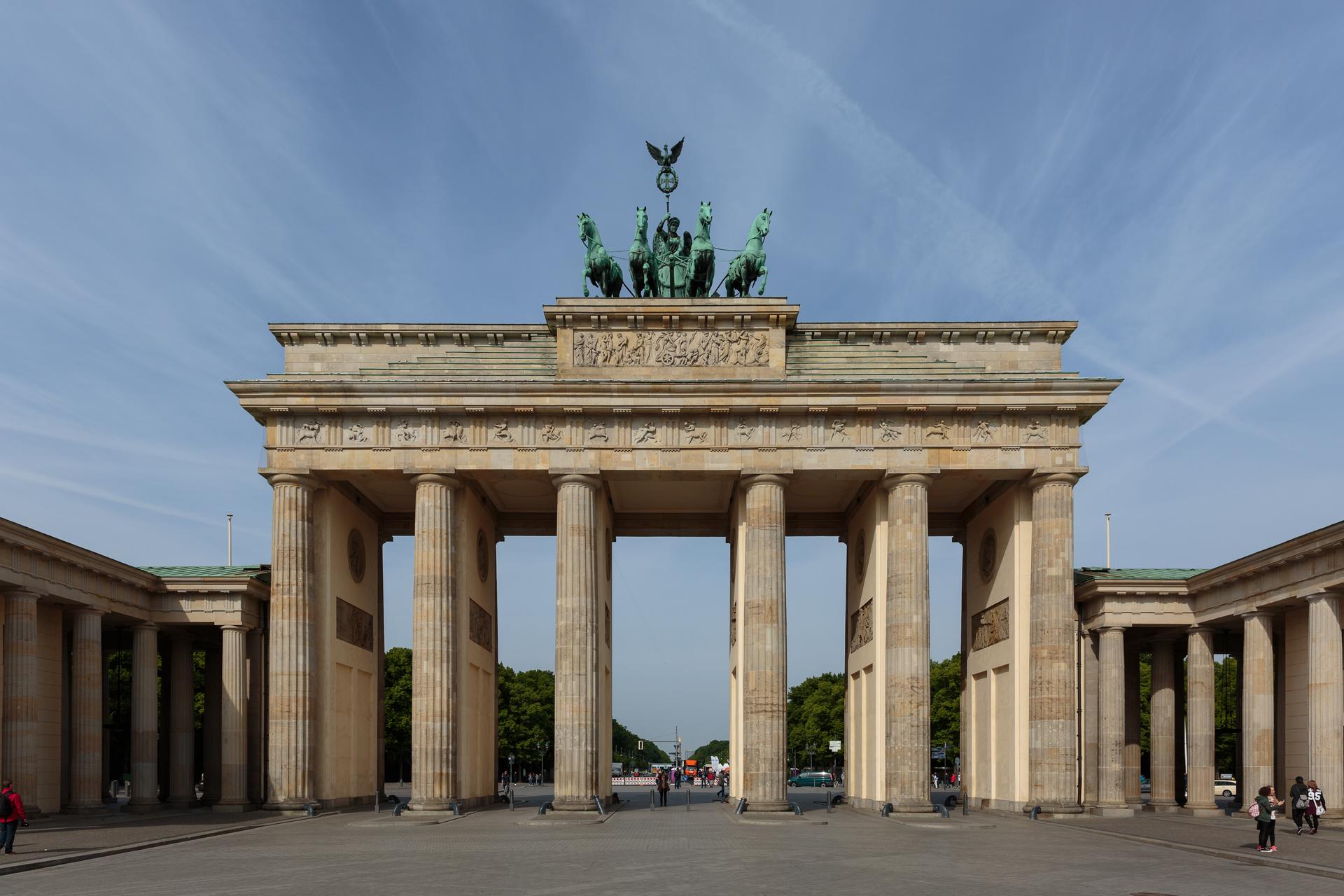
Looking beyond Alte Berliner Stadtmauer? Discover Berlin for broader travel guides, local hot-spots, and regional highlights.
Explore Berlin
A poignant Berlin landmark commemorating German reunification and the peaceful revolution of 1989, inviting reflection on freedom, unity, and the power of collective action on historic Schloßplatz.
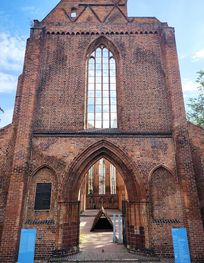
Explore the captivating ruins of the Franciscan Monastery Church in Berlin, where history intertwines with contemporary art in a serene setting.