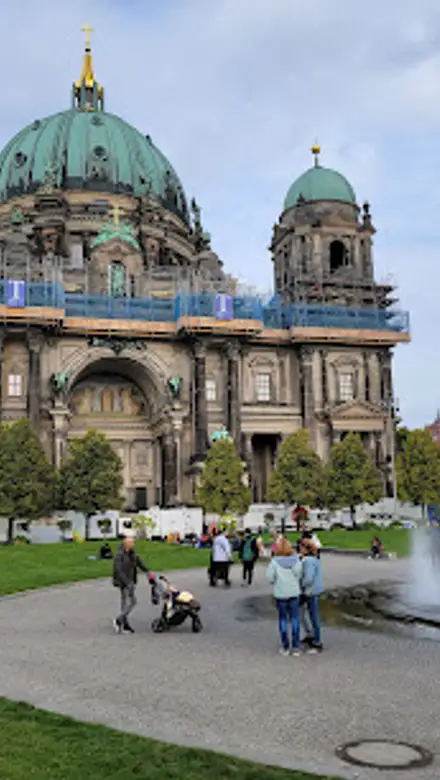
Schlüterhof, Berlin Travel Guide
Free Guide: Experience the grandeur of Berlin's royal past in the meticulously reconstructed Schlüterhof, a serene baroque courtyard within the modern Humboldt Forum.


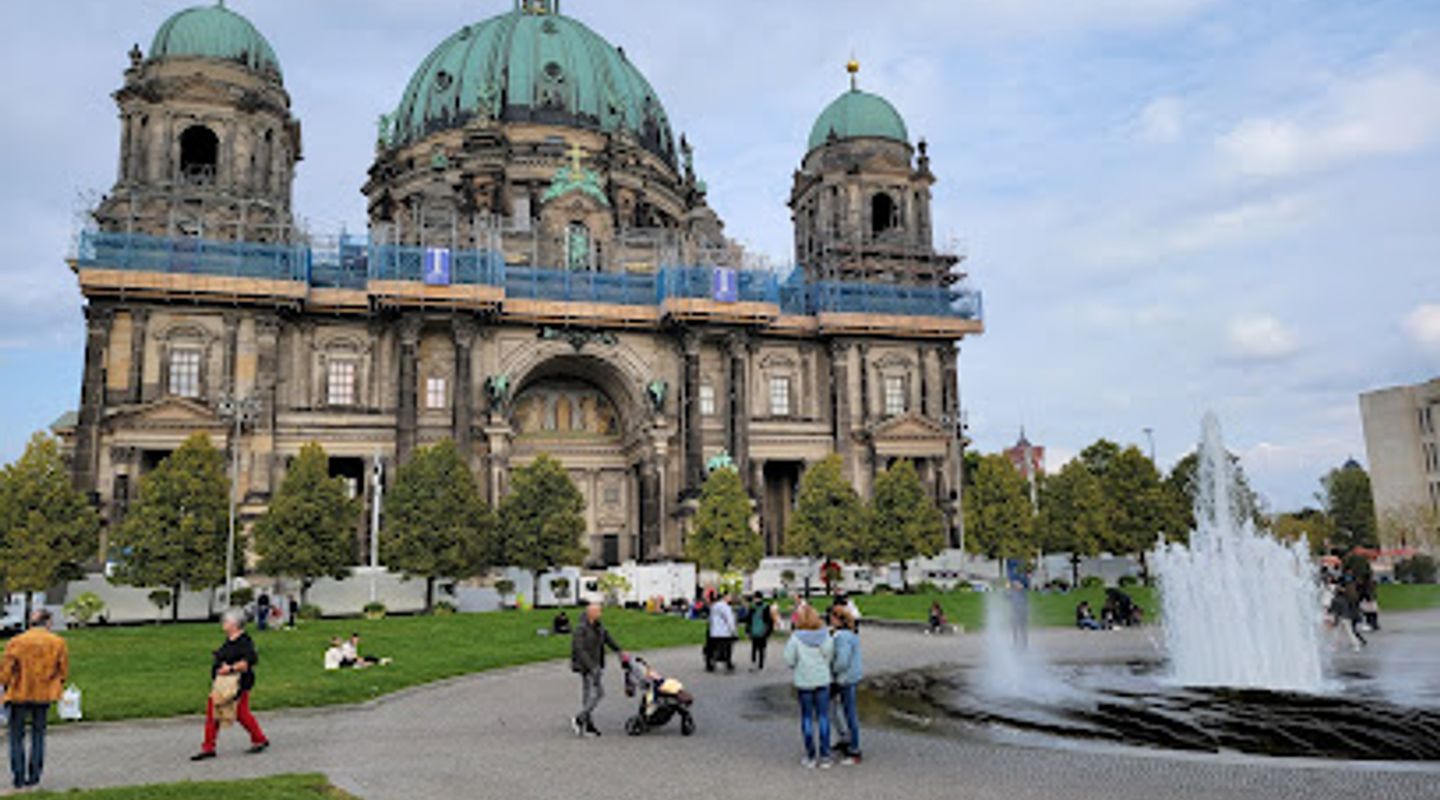
A brief summary of Schlüterhof
Experience the grandeur of Berlin's royal past in the meticulously reconstructed Schlüterhof, a serene baroque courtyard within the modern Humboldt Forum.
The Schlüterhof, nestled within the Humboldt Forum in Berlin's Museum Island, is a meticulously reconstructed courtyard that offers a serene escape and a glimpse into the city's regal past. Named after the renowned baroque sculptor and architect Andreas Schlüter, the courtyard revives the grandeur of the original Berlin Palace, showcasing stunning architectural details and sculptures. It serves as a central hub within the Humboldt Forum, connecting various exhibition spaces and offering a tranquil space for visitors to pause and appreciate the surrounding artistry. The Schlüterhof provides a unique blend of historical reconstruction and modern museum design, making it a must-see destination for those exploring Berlin's cultural heart. The courtyard's design allows visitors to imagine the palace's former splendor while enjoying a peaceful moment amidst the bustling city.
Opening hours
- Every dayOpen 24 hours
Opening hours as listed on the venue’s Google Business Profile. Hours can change for services and special events, so check with the venue before you go.
- Address
- Museumsinsel, 10178 Berlin
- Website
Getting there
Public Transport
Walking
Taxi/Ride-Share
Driving
Discover more about Schlüterhof
Overview
The Schlüterhof, located within the Humboldt Forum on Berlin's historic Museum Island, is a captivating courtyard that embodies the city's layered past and its commitment to cultural preservation. Named in honor of Andreas Schlüter, the celebrated baroque sculptor and architect who significantly shaped Berlin's architectural landscape, the Schlüterhof stands as a testament to the grandeur of the original Berlin Palace, also known as the Berliner Schloss. The courtyard's reconstruction is a remarkable feat of historical revival. The Berlin Palace, which once stood on this site, served as the primary residence of the Hohenzollern dynasty, the rulers of Brandenburg, Prussia, and later the German Empire. Over centuries, the palace evolved into a magnificent baroque masterpiece, reflecting the power and prestige of its inhabitants. However, the palace suffered extensive damage during World War II and was eventually demolished in 1950 by the East German government. For decades, the site remained a vacant symbol of division and loss. Following German reunification in 1990, a passionate debate arose regarding the site's future. After much deliberation, the German Bundestag voted in 2002 to reconstruct a significant portion of the Berlin Palace, including its iconic baroque facades and the Schlüterhof. The decision was driven by a desire to restore a vital piece of Berlin's architectural heritage and to create a new cultural center that would foster dialogue and understanding. The reconstruction project, led by architect Franco Stella, involved a meticulous process of historical research, archival study, and skilled craftsmanship. While the exterior facades faithfully replicate Schlüter's original designs, the interior of the reconstructed palace was reimagined as the Humboldt Forum, a modern museum and cultural complex dedicated to art, culture, and science. This fusion of historical reconstruction and contemporary design reflects Berlin's unique ability to embrace its past while looking towards the future. Stepping into the Schlüterhof is like stepping back in time. The courtyard's baroque architecture is breathtaking, with its ornate facades, towering columns, and intricate sculptures. The reconstructed facades of the courtyard evoke the opulence and grandeur of the original Berlin Palace, offering visitors a tangible connection to the city's royal past. The attention to detail is remarkable, from the carefully replicated architectural elements to the historically accurate color palette. The sculptures within the Schlüterhof are particularly noteworthy. These figures, created by Andreas Schlüter and his workshop, originally adorned the palace's facades and courtyards. They represent a range of allegorical figures and mythological characters, embodying virtues and ideals associated with sovereignty and power. Some of the most prominent sculptures include representations of Meleager, symbolizing heroism; Apollo, representing the arts and sciences; and Mercury, representing trade and commerce. These sculptures not only enhance the courtyard's aesthetic appeal but also provide insights into the symbolic language of baroque art and the values of the Hohenzollern rulers. The Schlüterhof serves as a central gathering place within the Humboldt Forum. It connects various exhibition spaces, providing a seamless flow for visitors exploring the museum's diverse collections. The courtyard also offers a tranquil respite from the bustling museum environment, allowing visitors to pause, reflect, and appreciate the surrounding beauty. Benches and seating areas are strategically placed throughout the courtyard, inviting visitors to relax and soak in the atmosphere. The Schlüterhof is more than just a historical reconstruction; it is a vibrant public space that hosts a variety of events and activities. Throughout the year, the courtyard comes alive with concerts, performances, and festivals, drawing both locals and tourists alike. These events add a dynamic layer to the Schlüterhof's character, transforming it from a static historical monument into a living, breathing cultural hub. The Schlüterhof's significance extends beyond its architectural and artistic merits. It represents Berlin's resilience, its commitment to preserving its cultural heritage, and its ability to transform sites of historical trauma into spaces of healing and reconciliation. The reconstruction of the Berlin Palace and the creation of the Humboldt Forum have been instrumental in revitalizing Berlin's city center, attracting visitors from around the world and fostering a sense of civic pride. Visiting the Schlüterhof is an immersive experience that engages the senses and stimulates the mind. The courtyard's beauty, history, and cultural significance make it a must-see destination for anyone exploring Berlin's rich heritage. Whether you are an architecture enthusiast, a history buff, or simply seeking a moment of tranquility, the Schlüterhof offers something for everyone. As you wander through this remarkable space, take a moment to reflect on the layers of history that have unfolded here and the enduring power of art and architecture to shape our understanding of the world. The Schlüterhof is easily accessible within the Humboldt Forum. Once inside the Humboldt Forum, follow the signs directing you to the Schlüterhof. The courtyard is open to the public during the Humboldt Forum's operating hours. While many exhibitions and events within the Humboldt Forum require tickets, access to the Schlüterhof itself is free, allowing everyone to experience its beauty and tranquility. The Berlin Tourist Information Center is located in Portal V near Berlin Cathedral, with access via Schlossplatz in the direction of the Schlüter Courtyard, if you require more information. The Schlüterhof stands as a symbol of Berlin's enduring spirit, its ability to reconcile with its past, and its unwavering commitment to culture and innovation. It is a place where history comes alive, where art inspires, and where the spirit of dialogue and understanding prevails.
Evendo Review Centre
 Google
Guest reviews
Explore Schlüterhof on the map
A handpicked selection of must-see spots near Schlüterhof, mapped for you.
Get your free copy of our complete guide to Schlüterhof, delivered straight to you.
Everything on this page, from opening hours and how to get there to Eve’s tips and the best time to go, in one PDF you can read offline, print or share.
Already have an account? Sign in
Your Schlüterhof guide is ready.
We'll send it to · Not you? Sign out

Getting your guide ready…
We are putting together a fresh copy of the Schlüterhof guide. This can take up to a minute.
This can take a few moments. If your browser asks, choose Allow so the download can start. You'll find the guide in your Downloads folder.
Nothing happened? Download it again
Sorry, the guide is taking longer than usual. Please try again in a minute, or get it by email instead.
Other nearby places you may find interesting
The closest places of the same kind, if this one is not quite what you had in mind.
-
-
-
-
-


Swipe for more places
More to explore near Schlüterhof

 Best experiences near Schlüterhof
 Best hotels near Schlüterhof
 Best landmarks near Schlüterhof
 Best attractions near Schlüterhof
 Best shops near Schlüterhof
 Best restaurants near Schlüterhof
 Best bars near Schlüterhof
Do you manage this location?
Take control to get all the benefits, like improved information, better appearance, and stronger visibility across AI-powered discovery.
Explore more

Explore more of Berlin
Berlin: A fascinating blend of history, culture, and modernity, offering everything from historic landmarks to vibrant nightlife and culinary delights.
Explore Berlin
Explore more of Germany
Experience Germany: where history meets innovation, and urban energy blends with natural beauty. Discover diverse cultures, delicious cuisine, and stunning landscapes.
Explore Germany