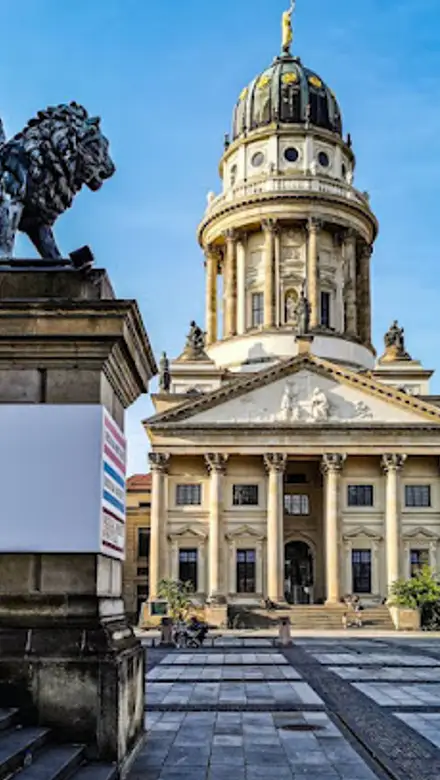
Neue Kirche, Berlin Travel Guide
Free Guide: Discover Berlin's Neue Kirche: A historic landmark transformed into a museum, showcasing Germany's journey to democracy on the iconic Gendarmenmarkt, surrounded by architectural splendor.


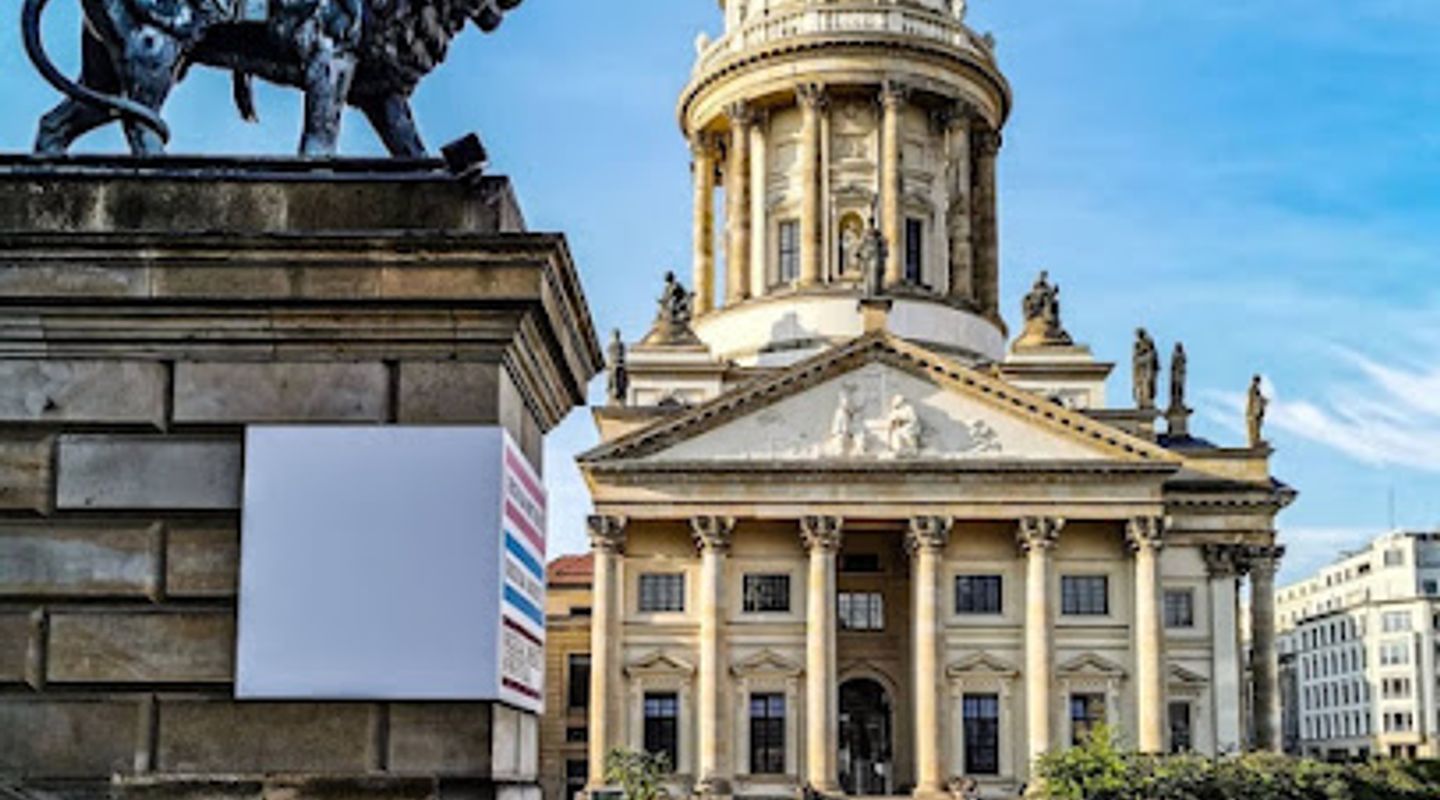
A brief summary of Neue Kirche
Discover Berlin's Neue Kirche: A historic landmark transformed into a museum, showcasing Germany's journey to democracy on the iconic Gendarmenmarkt, surrounded by architectural splendor.
The Neue Kirche, also known as the Deutscher Dom (German Cathedral), graces the Gendarmenmarkt, one of Berlin's most stunning squares. Despite its name, it has never functioned as a cathedral in the ecclesiastical sense. Built in the early 18th century and later enhanced with a baroque dome, it stands opposite the Französischer Dom (French Cathedral), creating a harmonious architectural ensemble alongside the Konzerthaus Berlin. Severely damaged during World War II, the Neue Kirche was meticulously rebuilt and now serves as a museum showcasing the German Bundestag's exhibition on the development of parliamentary democracy in Germany. Its rich history, architectural beauty, and insightful exhibitions make it a compelling destination for those seeking to understand Berlin's complex past and vibrant present. The church's location on Gendarmenmarkt, surrounded by other historical landmarks and cultural institutions, further enhances its appeal as a central point for exploring Berlin's cultural heritage.
Opening hours
- MonClosed
- Tue10 am–7 pm
- Wed10 am–7 pm
- Thu10 am–7 pm
- Fri10 am–7 pm
- Sat10 am–7 pm
- Sun10 am–7 pm
Opening hours as listed on the venue’s Google Business Profile. Hours can change for services and special events, so check with the venue before you go.
- Address
- Gendarmenmarkt 1-2, 10117 Berlin
- Phone
- Website
Getting there
Public Transport
Walking
Taxi/Ride-Share
Driving
Discover more about Neue Kirche
Overview
The Neue Kirche, or New Church, often referred to as Deutscher Dom (German Cathedral), occupies a prominent position on Berlin's Gendarmenmarkt, one of the city's most picturesque squares. Its history is intertwined with the development of Berlin itself, reflecting periods of prosperity, destruction, and ultimately, renewal. Originally constructed between 1701 and 1708 by Martin Grünberg and Giovanni Simonetti, the Neue Kirche was conceived as a place of worship for the growing German-speaking Lutheran and Calvinist communities in the Friedrichstadt district. This new quarter was established in 1688 and populated by both Huguenots and German speakers. The church’s architecture reflected the baroque style prevalent at the time, with a pentagonal footprint and semicircular apses. The interior featured a combined altar and pulpit, a common design in Protestant churches. In the late 18th century, King Frederick II commissioned Carl von Gontard to add domed towers to both the Neue Kirche and the adjacent Französischer Dom (French Cathedral). These towers, completed between 1780 and 1785, were primarily decorative, enhancing the visual appeal of the Gendarmenmarkt and contributing to its symmetrical design. It is from this architectural feature that the Neue Kirche gained its colloquial name, Deutscher Dom, even though it never served as a cathedral in the formal sense. The 19th and early 20th centuries saw the Neue Kirche undergo several modifications and renovations. In the 1880s, a new prayer hall was added, designed by Hermann von der Hude and Julius Hennicke, with exterior sculptures by Otto Lessing. These additions reflected the changing architectural tastes of the time and the growing importance of the church within the community. During World War II, the Neue Kirche suffered extensive damage from bombing raids. Its structure was largely destroyed, leaving only ruins standing. For many years, the church remained in this state, a stark reminder of the devastation of the war. However, in the 1980s, efforts began to rebuild the Neue Kirche. The reconstruction was completed in 1996, restoring the church to its former glory. Today, the Neue Kirche serves a different purpose than originally intended. Rather than being a place of worship, it now houses the German Bundestag's exhibition, "Milestones, Setbacks, Sidetracks: The Development of Parliamentary Democracy in Germany." This exhibition, spread across five floors, explores the history of democracy in Germany, from the March Revolution of 1848 to the present day. Through interactive displays, historical documents, and multimedia presentations, visitors can learn about the challenges and triumphs of establishing a democratic society in Germany. The exhibition is designed to be both informative and engaging, appealing to a wide range of visitors, including students, tourists, and anyone interested in German history and politics. It covers key events and figures in German history, such as the Weimar Republic, the rise of Nazism, and the reunification of Germany. The exhibition also examines the role of parliament in shaping German society and the ongoing debates about the future of democracy. Visiting the Neue Kirche offers a unique opportunity to combine architectural appreciation with historical learning. The building itself is a testament to Berlin's resilience and its commitment to preserving its cultural heritage. The exhibition provides valuable insights into the development of democracy in Germany, encouraging visitors to reflect on the importance of democratic values and institutions. The Gendarmenmarkt, where the Neue Kirche is located, is also home to other significant landmarks, including the Französischer Dom and the Konzerthaus Berlin. The square is a popular destination for tourists and locals alike, offering a variety of cultural events, concerts, and markets throughout the year. The Christmas market held annually on the Gendarmenmarkt is particularly famous, attracting visitors from all over the world. Exploring the Gendarmenmarkt and visiting the Neue Kirche is an essential part of any trip to Berlin. The combination of architectural beauty, historical significance, and cultural attractions makes it a truly unforgettable experience. Whether you are interested in history, architecture, or simply soaking up the atmosphere of this vibrant city, the Neue Kirche and the Gendarmenmarkt are sure to leave a lasting impression. The Neue Kirche stands as a symbol of Berlin's enduring spirit, a reminder of its past, and a celebration of its present. Its transformation from a place of worship to a museum dedicated to democracy reflects the city's evolving identity and its commitment to fostering dialogue and understanding. Visiting the Neue Kirche is not just about seeing a beautiful building or learning about history; it is about connecting with the soul of Berlin and gaining a deeper appreciation for the values that have shaped this remarkable city. As you stand in the Gendarmenmarkt, surrounded by the architectural splendor of the Neue Kirche, the Französischer Dom, and the Konzerthaus Berlin, you can feel the pulse of Berlin, a city that has overcome adversity and emerged as a beacon of hope and progress. The Neue Kirche, in its unique way, embodies this spirit, inviting visitors to explore its history, reflect on its significance, and celebrate the enduring power of democracy.
Evendo Review Centre
 Google
Guest reviews
Explore Neue Kirche on the map
A handpicked selection of must-see spots near Neue Kirche, mapped for you.
Get your free copy of our complete guide to Neue Kirche, delivered straight to you.
Everything on this page, from opening hours and how to get there to Eve’s tips and the best time to go, in one PDF you can read offline, print or share.
Already have an account? Sign in
Your Neue Kirche guide is ready.
We'll send it to · Not you? Sign out

Getting your guide ready…
We are putting together a fresh copy of the Neue Kirche guide. This can take up to a minute.
This can take a few moments. If your browser asks, choose Allow so the download can start. You'll find the guide in your Downloads folder.
Nothing happened? Download it again
Sorry, the guide is taking longer than usual. Please try again in a minute, or get it by email instead.
Unlock the best of Neue Kirche
Skip-the-line tickets, guided tours with entry, and walking tours of the area, booked in a few clicks.


Other nearby places you may find interesting
The closest places of the same kind, if this one is not quite what you had in mind.
-
-
-
-
-


Swipe for more places
More to explore near Neue Kirche

 Best experiences near Neue Kirche
 Best hotels near Neue Kirche
 Best landmarks near Neue Kirche
 Best attractions near Neue Kirche
 Best shops near Neue Kirche
 Best restaurants near Neue Kirche
 Best bars near Neue Kirche
Do you manage this location?
Take control to get all the benefits, like improved information, better appearance, and stronger visibility across AI-powered discovery.
Explore more

Explore more of Berlin
Berlin: A fascinating blend of history, culture, and modernity, offering everything from historic landmarks to vibrant nightlife and culinary delights.
Explore Berlin
Explore more of Germany
Experience Germany: where history meets innovation, and urban energy blends with natural beauty. Discover diverse cultures, delicious cuisine, and stunning landscapes.
Explore Germany