Reichpietschufer, Berlin Travel Guide
Explore Reichpietschufer in Berlin: A historic riverside street blending iconic architecture, key government sites, and vibrant urban life along the scenic Landwehr Canal.
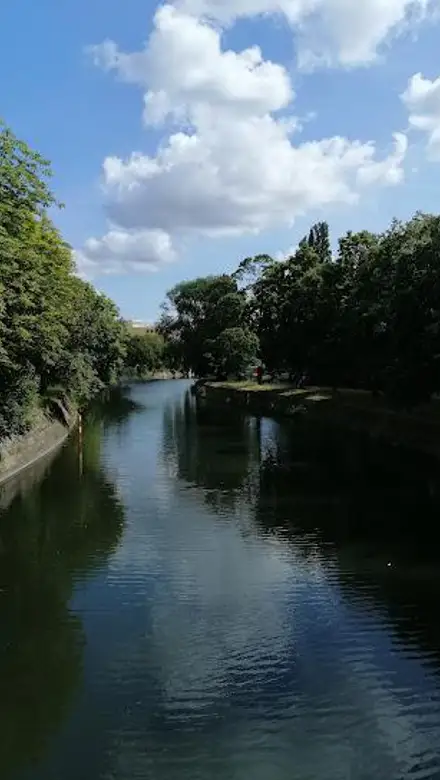
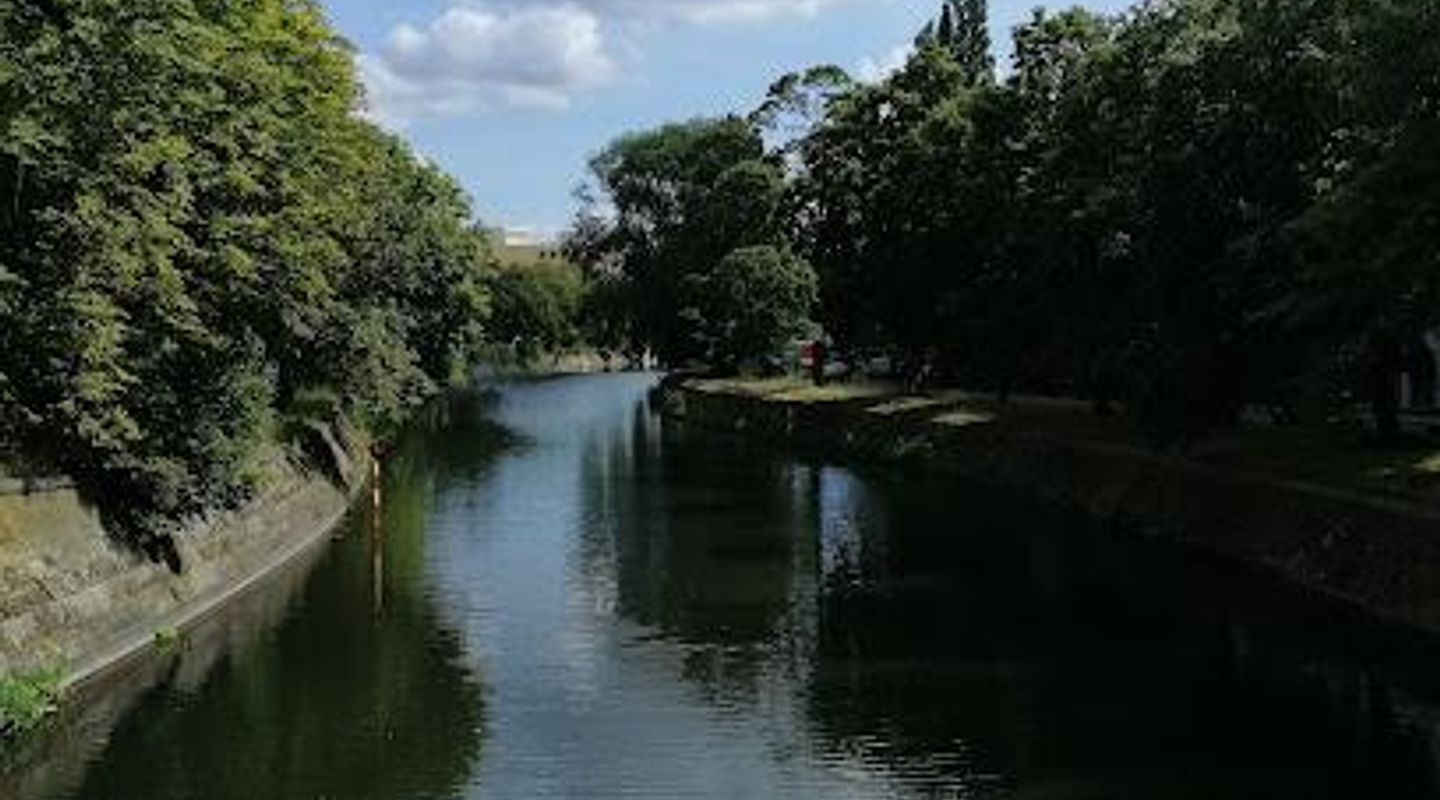
Reichpietschufer, a bustling street in Berlin, traces the Landwehr Canal, offering a blend of historical significance and modern vibrancy. Once known as Königin-Augusta-Straße and later Tirpitzufer, it has witnessed pivotal moments in German history, from the German Empire's naval offices to resistance activities during World War II. Today, Reichpietschufer is characterized by its mix of architectural styles, including the iconic Shell-Haus, a prime example of Weimar-era modernism, and the imposing buildings housing government offices and cultural institutions. The street provides access to key attractions like the German Resistance Memorial Center and is a hub for transportation, making it a vital part of Berlin's urban landscape. Its riverside location offers scenic views and a glimpse into the city's dynamic past and present, making it a compelling place to explore.
A brief summary to Reichpietschufer
- Berlin, 10785, DE

Know before you go
Hi, I'm Eve. Here are a few practical things to know before exploring Reichpietschufer.
- Visit the Shell-Haus, an architectural masterpiece of the Weimar era, to appreciate its innovative design and historical significance.
- Explore the German Resistance Memorial Center in the Bendler Block to learn about the brave individuals who fought against the Nazi regime.
- Take a leisurely walk along the Landwehr Canal to enjoy the scenic views and escape the hustle and bustle of the city.
Do you manage this location?
Take control to get all the benefits, like improved information, better appearance, and stronger visibility across AI-powered discovery. Learn more about listing your business on Evendo
Activate your presenceOther nearby places you may find interesting
The closest places of the same kind, if this one is not quite what you had in mind.
Explore Reichpietschufer on the Map
A handpicked selection of must-see spots near Reichpietschufer, mapped for you.
Getting There
-
Public Transport
From Potsdamer Platz station (accessible via S-Bahn lines S1, S2, S25, S26, U-Bahn line U2, and regional trains RE3, RE4, RE5, RB10), Reichpietschufer is a short walk. Exit the station towards the Landwehr Canal. Several bus lines (M41, M48, M85, 200, N2, 300) also stop near Potsdamer Brücke, a few minutes' walk from Reichpietschufer. A single public transport fare within Berlin (AB zone) is approximately €3.00.
-
Taxi/Ride-Share
A taxi or ride-share from Berlin Central Station (Hauptbahnhof) to Reichpietschufer typically takes around 5-10 minutes, costing approximately €10-€15, depending on traffic.
-
Driving
If driving, be aware that Von-der-Heydt-Strasse is a one-way street accessible only from Reichpietschufer. Limited parking is available on the street. Alternatively, use the Underground Parking Potsdamer Platz (entrances on Reichpietschufer, Linkstraße, Ludwig-Beck-Straße, or Schelling Straße) or the Parking Garage Sony Center (entrances on Bellevuestraße or Ben-Gurion-Straße). Parking fees typically range from €3.00 per hour, with daily maximums around €20-€25.
Discover more about Reichpietschufer













Your all‑in‑one travel companion app
Explore expert travel guides, compare and book tours, experiences, hotels, and more—all from the palm of your hand. Download now for seamless trip planning wherever your wanderlust takes you.


Explore More of Berlin
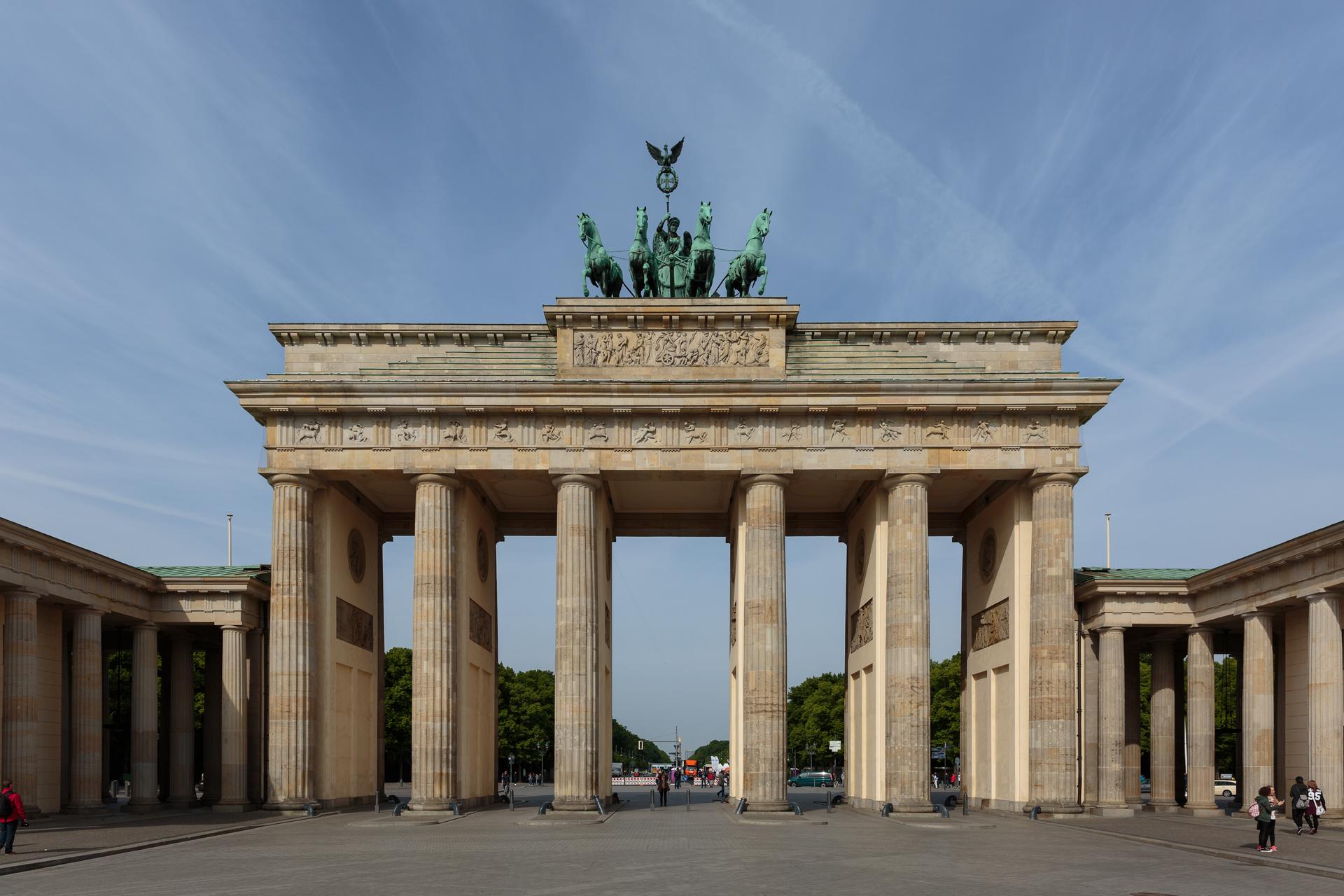
Looking beyond Reichpietschufer? Discover Berlin for broader travel guides, local hot-spots, and regional highlights.
Explore Berlin
Explore the architectural beauty of Gleditschstraße 5 in Berlin's Tempelhof-Schöneberg, a blend of history and modern design.
Explore Matthäikirchplatz, a cultural gem in Berlin featuring historical landmarks, lush greenery, and vibrant local events for a memorable experience.