Dommuseum, Brandenburg Travel Guide
Explore ten centuries of religious art and history at the Dommuseum Brandenburg, nestled in the heart of Cathedral Island, showcasing medieval textiles, sculptures, and historical documents.
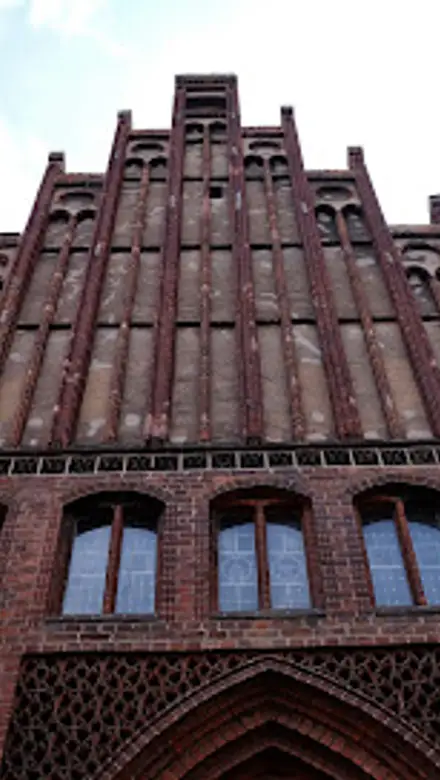
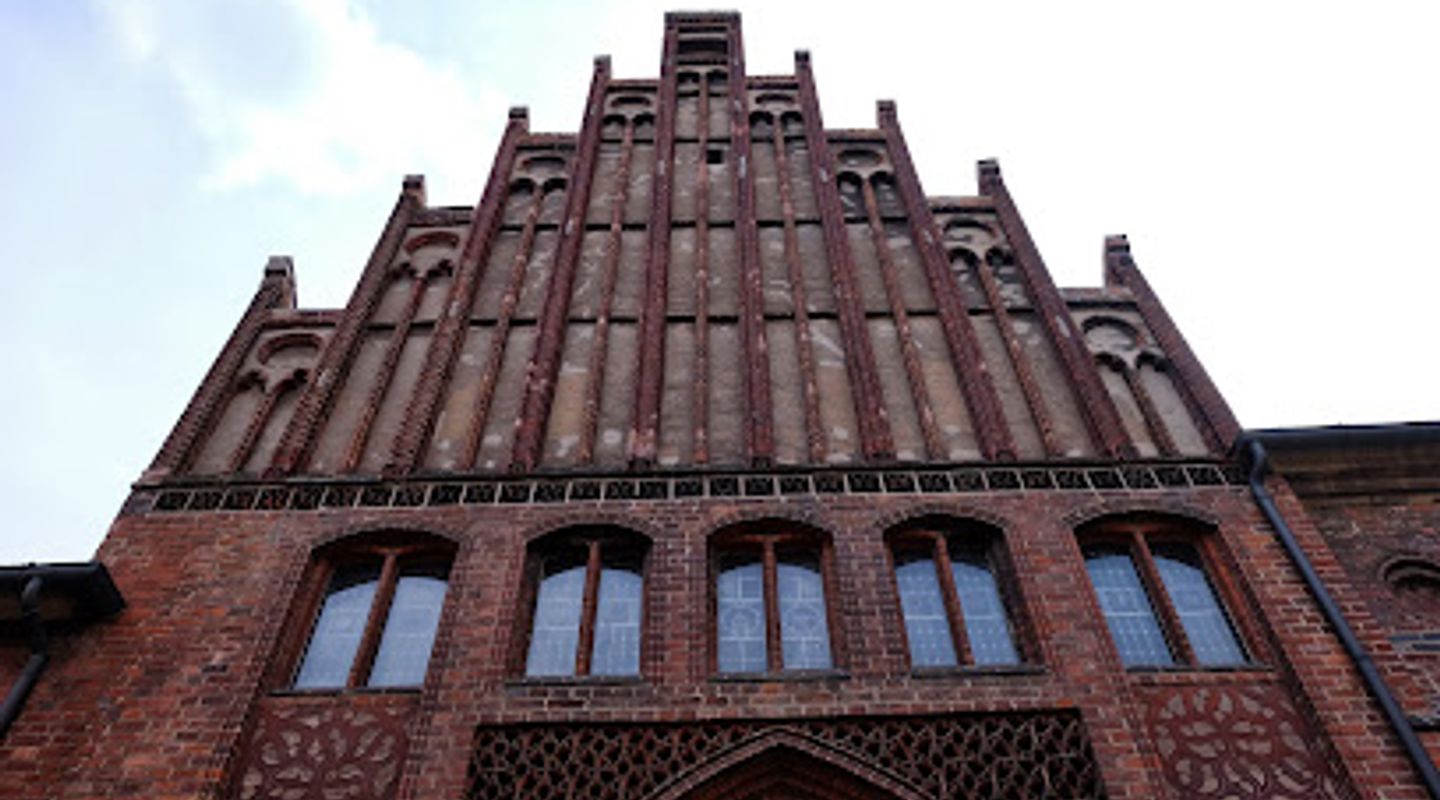
The Dommuseum Brandenburg, nestled within the historic Cathedral Island (Dominsel), offers a captivating journey through ten centuries of ecclesiastical art and the rich history of the Bishopric of Brandenburg. Housed in the medieval cloisters adjacent to the Brandenburg Cathedral, the museum showcases an impressive collection of liturgical textiles, gothic altar paintings, sculptures, and historical documents. Highlights include the 'Brandenburger Hungertuch,' a meticulously embroidered Lenten veil from around 1290 depicting the life of Christ, and the 'Volkreiche Kalvarienberg,' a 15th-century panel painting. The museum also holds the founding charter of the Bishopric of Brandenburg from 948, bearing the seal of Otto I, and documents mentioning Berlin and Cölln for the first time in 1237 and 1244 respectively. A visit promises a deep dive into the region's religious and cultural heritage.
A brief summary to Dommuseum
- Burghof 10, Brandenburg, 14776, DE
- Click to display
- Click to display
- Tuesday 10 am-5 pm
- Wednesday 10 am-5 pm
- Thursday 10 am-5 pm
- Friday 10 am-5 pm
- Saturday 10 am-5 pm
- Sunday 11:30 am-5 pm

Know before you go
Hi, I'm Eve. Here are a few practical things to know before exploring Dommuseum.
- Don't miss the 'Brandenburger Hungertuch,' a rare and exquisitely embroidered Lenten veil from the 13th century, a highlight of the museum's textile collection.
- Combine your visit with a tour of the Brandenburg Cathedral itself to fully appreciate the historical and architectural context of the museum's collection.
- Check the Dommuseum's website for special events, concerts, and guided tours that can enhance your experience.
Do you manage this location?
Take control to get all the benefits, like improved information, better appearance, and stronger visibility across AI-powered discovery. Learn more about listing your business on Evendo
Activate your presenceOther nearby places you may find interesting
The closest places of the same kind, if this one is not quite what you had in mind.
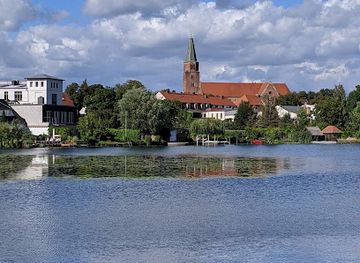
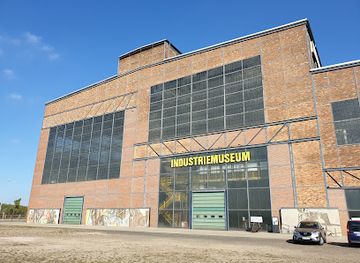
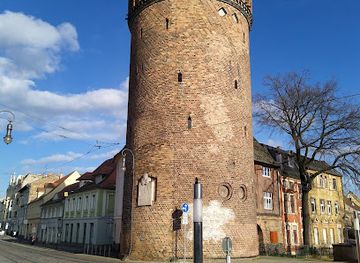
Explore Dommuseum on the Map
A handpicked selection of must-see spots near Dommuseum, mapped for you.
Getting There
-
Walking
From the Brandenburg an der Havel Neustädtischer Markt (New Town Market Square), a central transport hub served by trams and buses, walk east across the Jahrtausendbrücke (Millennium Bridge) towards the Altstadt (Old Town). Continue onto Dominsel (Cathedral Island). Follow the signs towards the Dom (Cathedral). The Dommuseum is located in the cloisters directly adjacent to the Cathedral. The walk is approximately 15 minutes and offers scenic views of the Havel River.
-
Public Transport
From Brandenburg Hauptbahnhof (Central Station), take tram line 6 towards Brandenburg, Anton-Saefkow-Allee to the 'Brandenburg, Nicolaiplatz' stop. From there, walk across the Jahrtausendbrücke (Millennium Bridge) towards the Altstadt (Old Town) and Dominsel (Cathedral Island). Follow the signs to the Dom (Cathedral). The Dommuseum is located in the cloisters next to the Cathedral. A single tram ticket costs €2.50.
-
Driving
From the city center, follow signs towards the Altstadt (Old Town) and Dominsel (Cathedral Island). Limited parking is available on Dominsel itself. Alternatively, use the Parkplatz Nicolaiplatz, a Park and Ride location in the Old Town, and walk across the Jahrtausendbrücke (Millennium Bridge) to the Dominsel. Park and Ride costs €2.50 for a day ticket, which includes parking and a public transport ticket for two people. Parking near the Dommuseum can be difficult, especially during peak season.
Discover more about Dommuseum













Your all‑in‑one travel companion app
Explore expert travel guides, compare and book tours, experiences, hotels, and more—all from the palm of your hand. Download now for seamless trip planning wherever your wanderlust takes you.


Explore More of Brandenburg
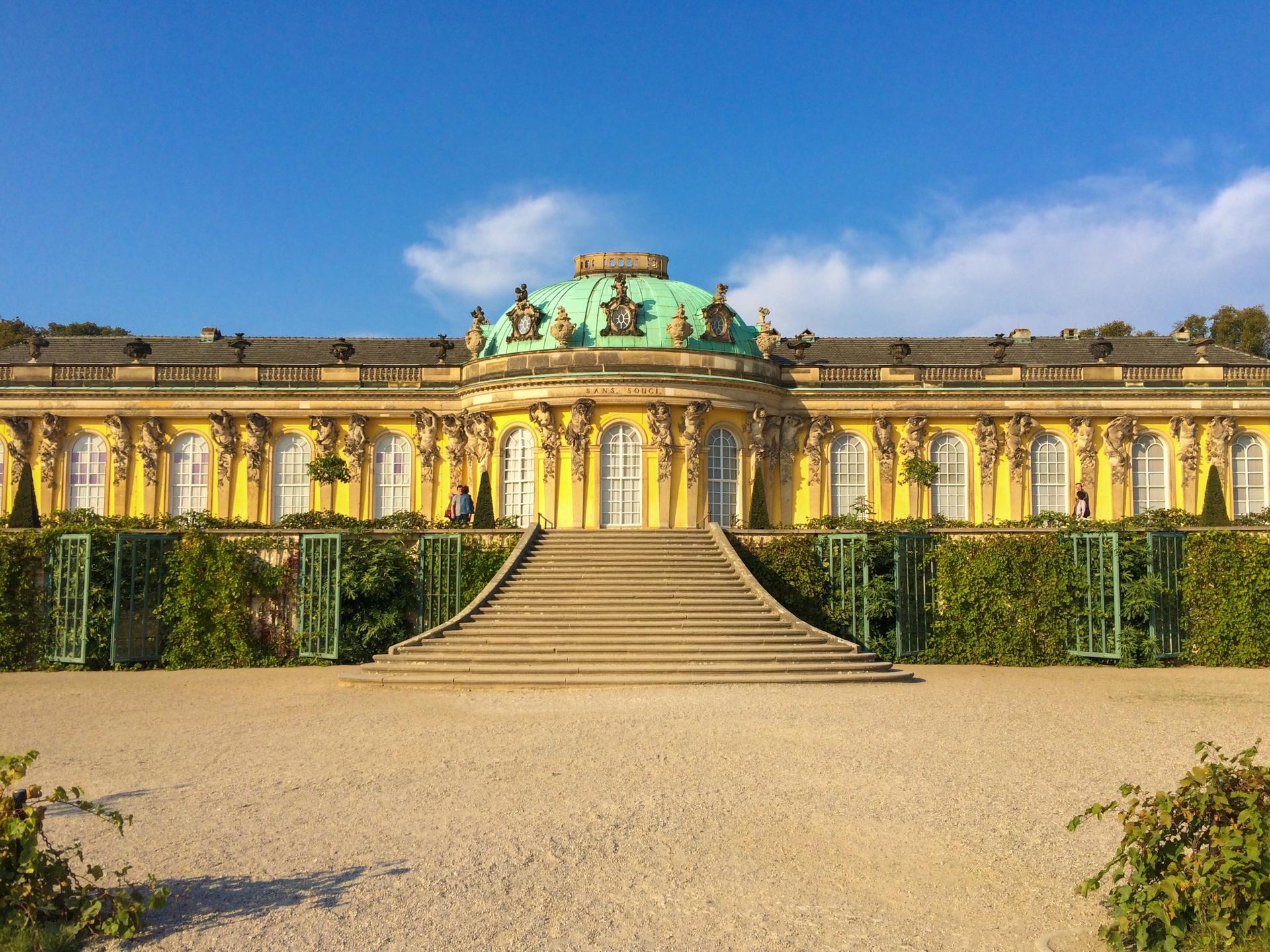
Looking beyond Dommuseum? Discover Brandenburg for broader travel guides, local hot-spots, and regional highlights.
Explore Brandenburg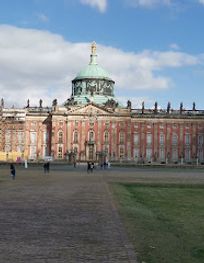
Experience the enchanting Charlottenhof Palace, a neoclassical gem in Potsdam, where history, beauty, and culture blend seamlessly.
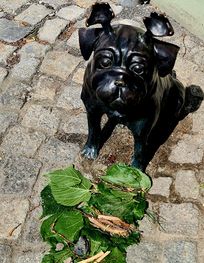
Discover the whimsical Waldmöpse (forest pugs) scattered throughout Brandenburg an der Havel, a unique tribute to comedian Loriot, and explore the city's rich history and charming waterways.