
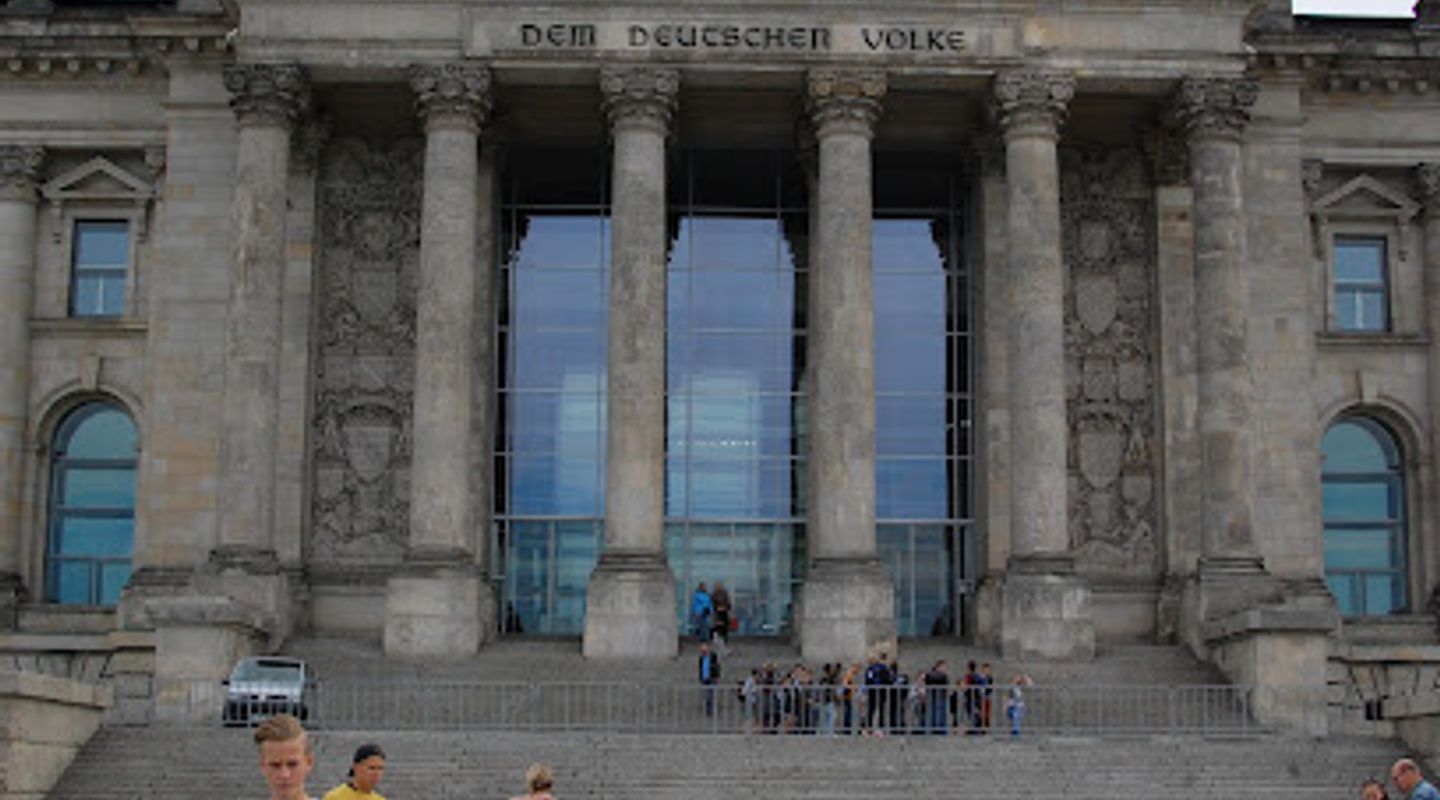
Potsdamer Platz, Brandenburg Travel Guide
Experience Berlin's modern heart at Potsdamer Platz: a vibrant hub of architecture, entertainment, and history, reborn from the ashes of war and division into a symbol of unity and progress.
Potsdamer Platz, once the bustling heart of Berlin, lay in ruins after WWII and was bisected by the Berlin Wall, becoming a desolate no-man's land. Following German reunification, it was reborn as a modern urban center, showcasing striking architecture, diverse entertainment, and a vibrant atmosphere. Today, it's a testament to Berlin's resilience and reinvention, drawing visitors with its blend of history, culture, and contemporary attractions. Explore the Sony Center's dazzling dome, discover remnants of the Berlin Wall, and immerse yourself in the area's rich cinematic history. With excellent transport links, Potsdamer Platz is easily accessible and offers a compelling glimpse into Berlin's past and present.
A brief summary to Potsdamer Platz
- Potsdamer Platz, Berlin, Mitte, 10785, DE
- Click to display

Know before you go
Hi, I'm Eve. Here are a few practical things to know before exploring Potsdamer Platz.
- Visit Panoramapunkt for stunning views of Berlin from the top of the Kollhoff Tower; the entrance is on Alte Potsdamer Strasse.
- Follow the line of cobblestones running through the square to see where the Berlin Wall once stood.
- Explore the remnants of the Hotel Esplanade integrated into the Sony Center, including the Kaisersaal, moved 75 meters on air cushions.
- Check out the schedule for the Berlin International Film Festival (Berlinale) in February to experience the area's cinematic buzz.
- Visit Weinhaus Huth, the oldest building on Potsdamer Platz, for a taste of history and a selection of fine German wines.
Do you manage this location?
Take control to get all the benefits, like improved information, better appearance, and stronger visibility across AI-powered discovery. Learn more about listing your business on Evendo
Activate your presenceOther nearby places you may find interesting
The closest places of the same kind, if this one is not quite what you had in mind.
Explore Potsdamer Platz on the Map
A handpicked selection of must-see spots near Potsdamer Platz, mapped for you.
Unlock the Best of Potsdamer Platz
Buy tickets
-
No tickets available
Book tours with entry


Getting There
-
Public Transport
Potsdamer Platz is easily accessible via Berlin's extensive public transport network. Take the U-Bahn line U2, or the S-Bahn lines S1, S2, S25, or S26 to Potsdamer Platz station. Several bus lines also serve the area, including the 200, 300, M41, M48, M85, and N2. A single fare for public transport within Berlin (AB zone) is around €3.20.
-
Walking
If you are already in central Berlin, Potsdamer Platz is within walking distance of many major attractions. From Brandenburg Gate, head south along Ebertstraße, and you'll reach Potsdamer Platz in about 15 minutes. From Checkpoint Charlie, walk north along Friedrichstraße, then turn west onto Leipziger Straße, which leads directly to Potsdamer Platz. The walk is approximately 20 minutes. Look for the distinctive Sony Center dome to guide you.
-
Taxi/Ride-Share
Taxis and ride-sharing services are readily available throughout Berlin. A short taxi ride from Brandenburg Gate or Checkpoint Charlie to Potsdamer Platz will typically cost between €9 and €15, depending on traffic and the specific route.
-
Driving
If driving, be aware that parking in the immediate vicinity of Potsdamer Platz can be limited and expensive. Several parking garages are located nearby, including Q-Park Potsdamer Platz (Linkstraße 2) and parking facilities under the Sony Center and The Playce. Expect to pay around €3 per hour, with daily rates ranging from €12 to €20. Consider using a parking app like Mobypark to find and reserve parking spaces in advance. Some streets behind the High Park such as Köthener-Straße offer free parking, but spaces are usually full.
Discover more about Potsdamer Platz













Your all‑in‑one travel companion app
Explore expert travel guides, compare and book tours, experiences, hotels, and more—all from the palm of your hand. Download now for seamless trip planning wherever your wanderlust takes you.


Explore More of Brandenburg
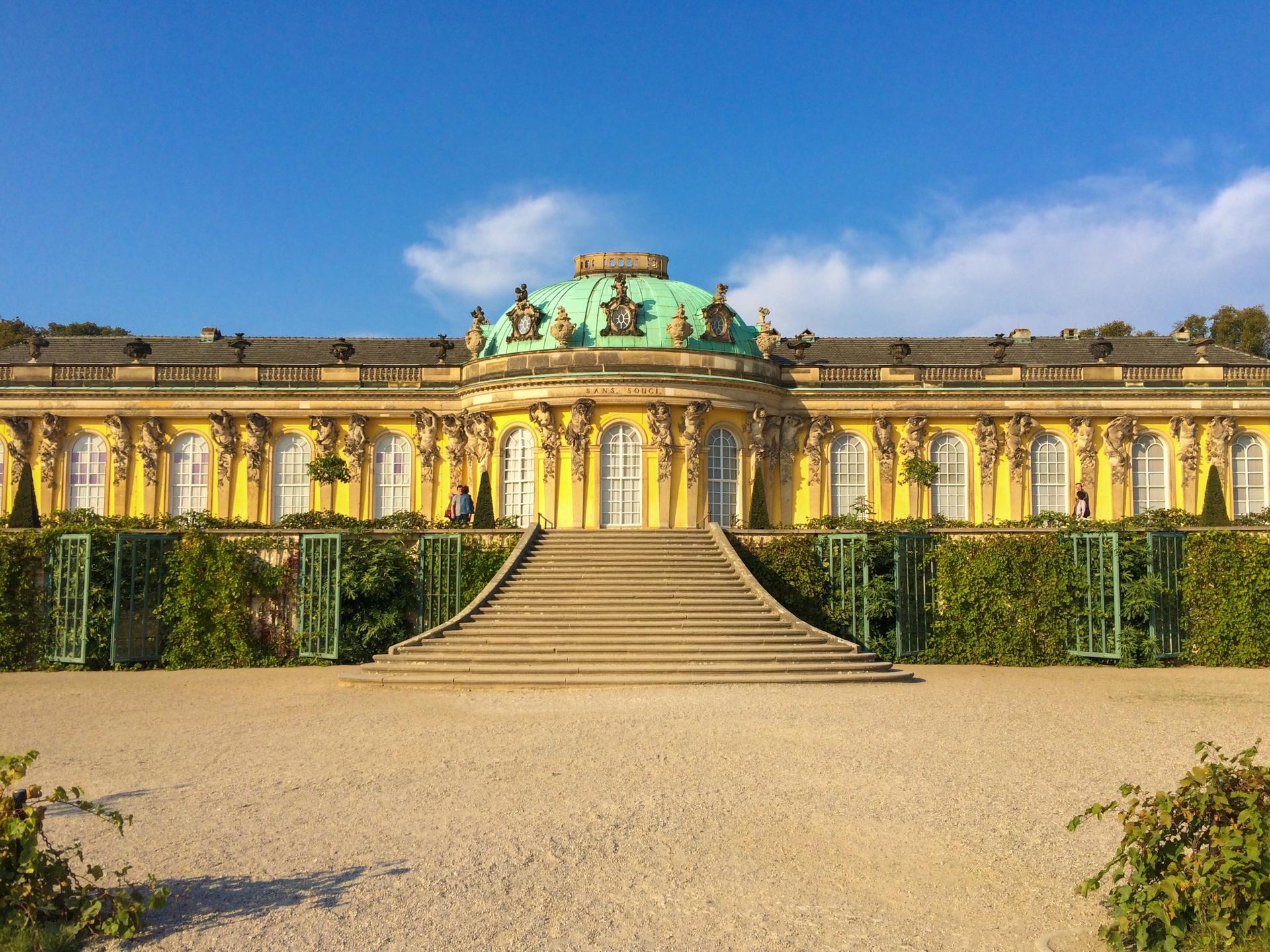
Looking beyond Potsdamer Platz? Discover Brandenburg for broader travel guides, local hot-spots, and regional highlights.
Explore Brandenburg
Explore Matthäikirchplatz, a cultural gem in Berlin featuring historical landmarks, lush greenery, and vibrant local events for a memorable experience.
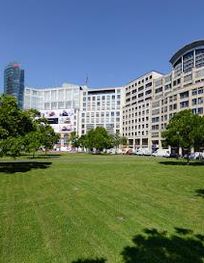
Experience the blend of modernity and history at Leipziger Platz, Berlin's vibrant urban hub filled with shops, dining, and cultural events.
