Römerturm, Cologne Travel Guide
Discover the Römerturm in Cologne, a remarkably preserved Roman watchtower showcasing intricate mosaics and offering a captivating glimpse into the city's ancient Roman past.
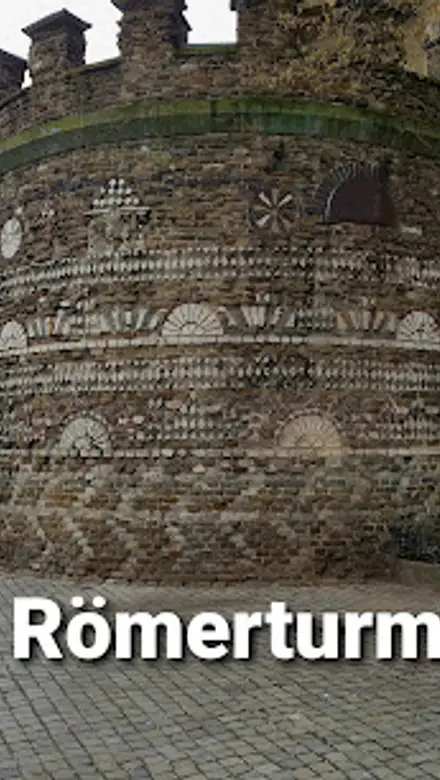
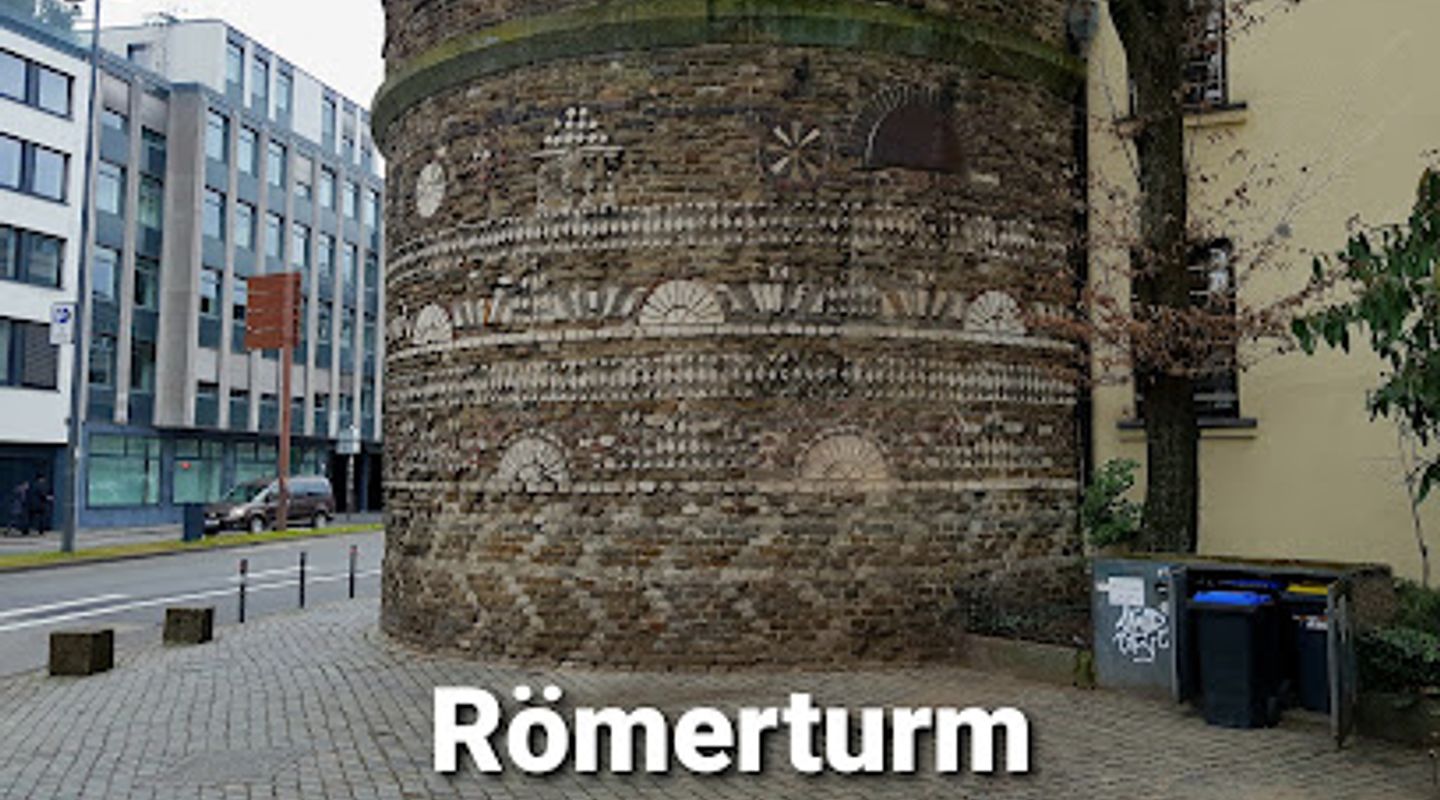
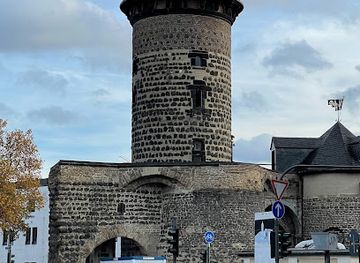
The Römerturm, or Roman Tower, stands as a proud remnant of Cologne's ancient past, a tangible link to the city's Roman heritage. Constructed around 50 AD as part of the Colonia Claudia Ara Agrippinensium's (CCAA) imposing city wall, this well-preserved watchtower offers a glimpse into Roman engineering and architectural prowess. Adorned with intricate mosaics crafted from various types of natural stone, the Römerturm showcases the aesthetic sensibilities of the Roman era. Located near the Cologne City Museum, this historical landmark invites visitors to explore the foundations of a city that has evolved through centuries of transformation. A visit to the Römerturm provides a unique opportunity to connect with Cologne's origins and appreciate the enduring legacy of Roman civilization in the heart of modern Germany. The tower is accessible 24/7 and is free to visit, making it an affordable and fascinating stop for any traveler.
A brief summary to Römerturm
- Zeughausstraße 13, Cologne, Innenstadt, 50667, DE
- Click to display
- Click to display

Know before you go
Hi, I'm Eve. Here are a few practical things to know before exploring Römerturm.
- Visit early in the morning or late in the afternoon to avoid crowds and enjoy a quieter experience at the Römerturm.
- Bring a camera to capture the stunning architecture and intricate mosaic details of the Römerturm.
- Combine your visit with nearby attractions like the Romano-Germanic Museum and Cologne Cathedral for a full day of historical exploration.
- Check local events or guided tours for additional insights into the history and significance of the Römerturm.
Do you manage this location?
Take control to get all the benefits, like improved information, better appearance, and stronger visibility across AI-powered discovery. Learn more about listing your business on Evendo
Activate your presenceOther nearby places you may find interesting
The closest places of the same kind, if this one is not quite what you had in mind.

Explore Römerturm on the Map
A handpicked selection of must-see spots near Römerturm, mapped for you.
Unlock the Best of Römerturm
Buy tickets
-
No tickets available
Book tours with entry
-
No tours available


Getting There
-
Walking
From Cologne Central Station (Köln Hauptbahnhof), head southwest towards the Cologne Cathedral. Walk past the cathedral, continuing on Domkloster street. Turn right onto Burgmauer, walk for a few minutes, and then turn left onto Zeughausstraße. The Römerturm will be on your right, approximately a 10-minute walk from the station. No costs are associated with this walking route.
-
Public Transport
From Cologne Central Station (Köln Hauptbahnhof), take tram lines 5, 16, or 18 towards Appellhofplatz via Neumarkt. Get off at the Appellhofplatz stop, which is approximately 200 meters from the Römerturm. From there, walk along Zeughausstraße to reach the tower. A single tram ticket costs approximately €3.
-
Taxi/Ride-Share
From Cologne Central Station (Köln Hauptbahnhof), a taxi or ride-share to the Römerturm will take approximately 5-10 minutes, depending on traffic. The estimated cost is between €8-€12. There are no tolls or parking fees to consider for this short trip.
-
Driving
If driving, navigate to Helenenstraße 11, 50667 Köln, which will lead you to the parking lot near the Stadthotel am Römerturm. From the parking lot, it is a short walk to the Römerturm. Parking fees at the Stadthotel am Römerturm are approximately €20-€25 per day. Please note that traffic in the city center can be congested.
Discover more about Römerturm













Your all‑in‑one travel companion app
Explore expert travel guides, compare and book tours, experiences, hotels, and more—all from the palm of your hand. Download now for seamless trip planning wherever your wanderlust takes you.


Explore More of Cologne
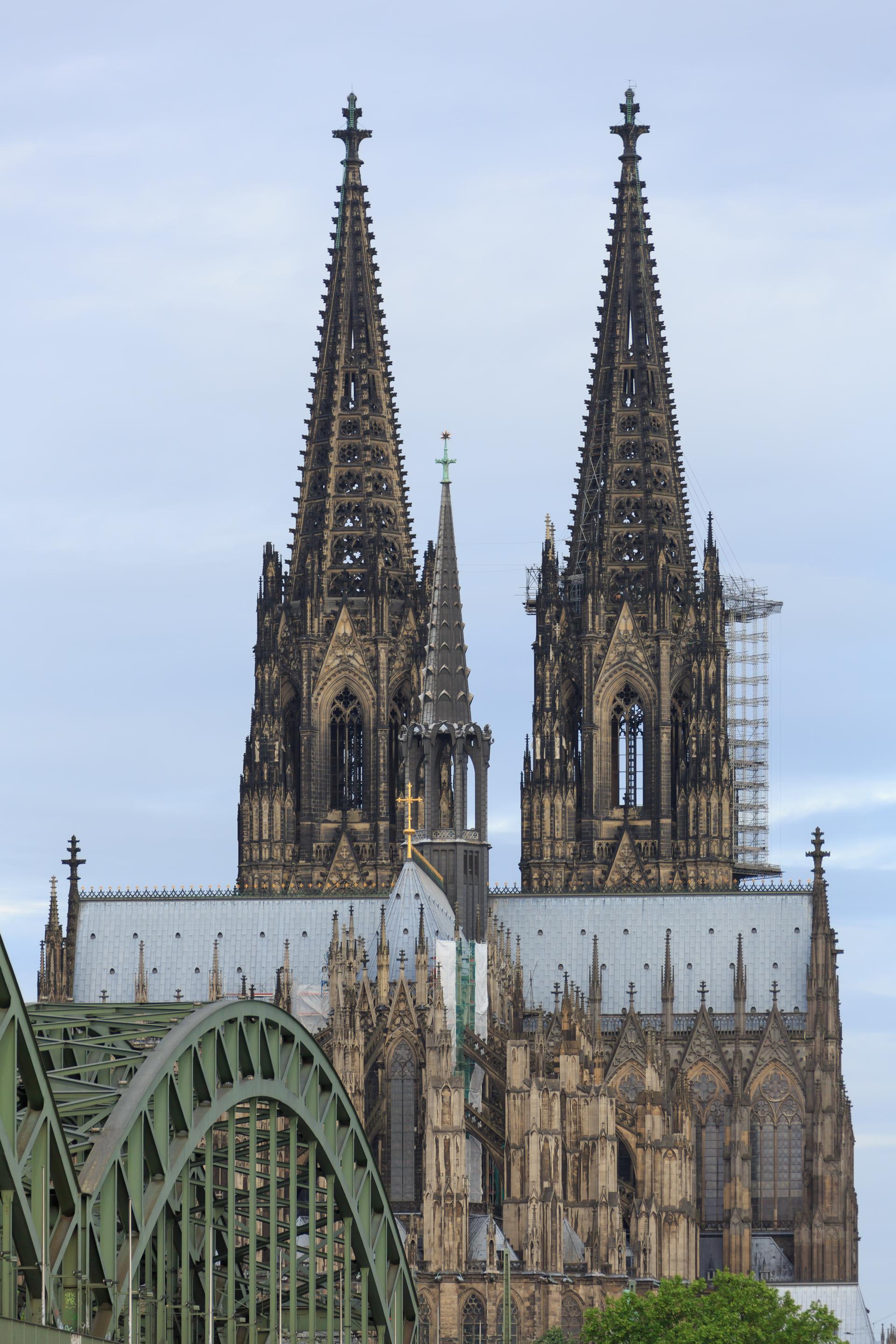
Looking beyond Römerturm? Discover Cologne for broader travel guides, local hot-spots, and regional highlights.
Explore Cologne
Experience Cologne's vibrant art scene at night during Museumsnacht, with dozens of museums and cultural venues open late offering exhibitions, performances, and workshops.
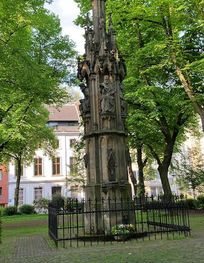
Discover the Mariensäule in Cologne: A neo-Gothic tribute to Marian devotion, reflecting the city's Catholic heritage and historical ties, nestled in the serene Gereonsdriesch park.