Background

Fürstenzug: A Royal Procession in Porcelain

Discover the Fürstenzug in Dresden: a breathtaking porcelain mural showcasing Saxony's rulers, a testament to artistry and resilience, and a must-see landmark in the heart of the city.

4.8

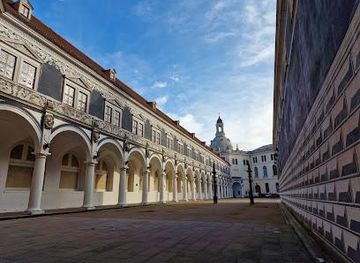
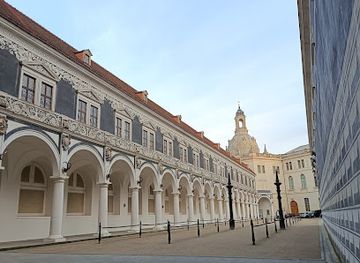
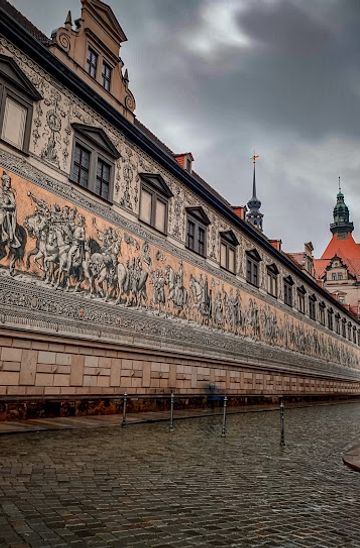
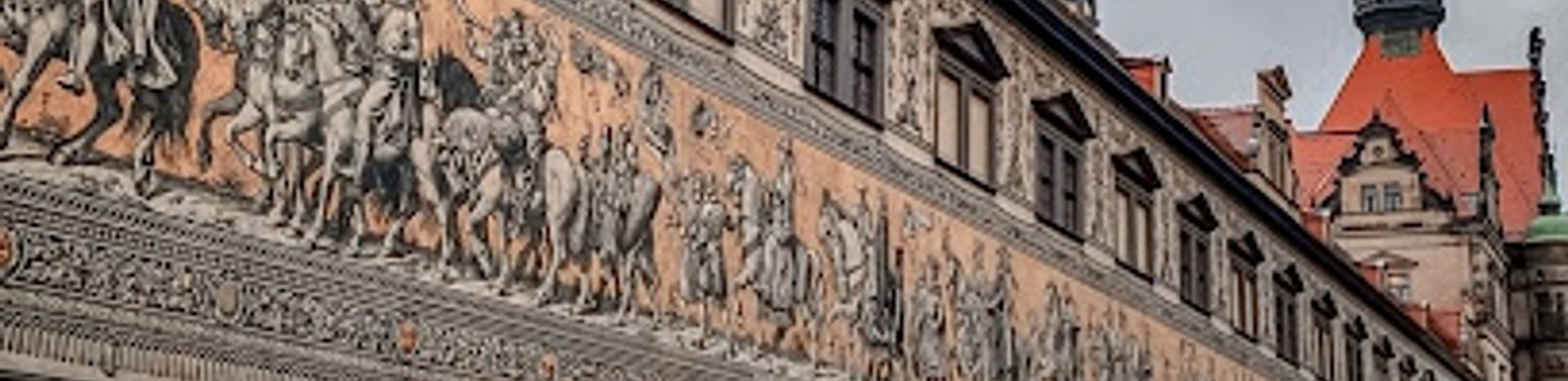
The Fürstenzug, or Procession of Princes, is a monumental mural in Dresden, Germany, showcasing the lineage of Saxony's rulers. Stretching over 100 meters, this artwork is composed of approximately 23,000 Meissen porcelain tiles, making it the largest porcelain artwork in the world. Originally painted in the late 19th century to celebrate the Wettin Dynasty's 800th anniversary, the mural was later recreated with porcelain tiles to withstand the elements. It depicts 35 margraves, electors, dukes, and kings, along with scientists, artisans, and farmers, offering a glimpse into Saxon history and artistry. Located on Augustusstraße, near the Dresden Castle and Frauenkirche, the Fürstenzug stands as a testament to Dresden's cultural heritage and resilience, having survived the bombings of World War II with minimal damage. A visit to this remarkable landmark provides an unforgettable experience, blending art, history, and craftsmanship.

A brief summary to Fürstenzug

Local tips

  • Visit during the day to fully appreciate the vibrant colors and intricate details of the porcelain tiles.
  • Take a guided tour to learn about the history and significance of each ruler depicted in the mural.
  • Combine your visit with a tour of the nearby Dresden Castle and Frauenkirche for a comprehensive historical experience.
  • Look closely to spot the details of the clothing and weaponry of the figures depicted.
  • Visit in the spring or summer to enjoy the surrounding gardens and mild weather.
widget icon

Getting There

  • Walking

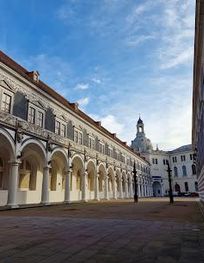
    The Fürstenzug is centrally located in Dresden's Old Town on Augustusstraße, making it easily accessible on foot from most major attractions. From the Frauenkirche, walk east along Augustusstraße for about 200 meters. The mural is located on the outer wall of the Stallhof of Dresden Castle. No costs are associated with this approach.

  • Public Transport

    If arriving by public transport, take tram lines 1, 2, 4, 11, or 12 to the 'Theaterplatz' or 'Altmarkt' stop. From either stop, it's a short walk to Augustusstraße and the Fürstenzug. A single ticket within the Dresden fare zone costs €3.40 for adults and €2.20 for children. A day ticket costs €9 for adults.

  • Taxi/Ride-Share

    A taxi or ride-share from Dresden Hauptbahnhof (main train station) to the Fürstenzug takes approximately 10 minutes, depending on traffic. The estimated fare is between €10 and €15. Taxis in Dresden have a fixed boarding fee of €2.80, with a per-kilometer charge of €1.50-€2.00.

  • Driving

    If driving, navigate to the city center and look for parking garages near the Altmarkt or Dresden Castle. Parking is limited and can be expensive. The Hyperion Hotel Dresden am Schloss has an underground parking garage with direct access to the hotel that costs €30 per night. Other parking garages near the city center may have hourly rates ranging from €3 to €5.

Unlock the Best of Fürstenzug

Buy tickets

    No tickets available

Book tours with entry

    No tours available

Book tours without entry

    No tours available

Discover more about Fürstenzug

The Fürstenzug, meaning "Procession of Princes," is one of Dresden's most iconic landmarks, a stunning display of art and history etched onto the city's very fabric. This colossal mural, stretching over 100 meters along the outer wall of the Stallhof of Dresden Castle, presents a mounted procession of Saxony's rulers, offering a captivating journey through the region's rich heritage. The mural's creation was initially conceived to commemorate the 800th anniversary of the Wettin Dynasty, the influential royal family that governed Saxony for centuries. First painted between 1871 and 1876 by Wilhelm Walther, the original artwork was executed using sgraffito technique. However, due to the unpredictable Saxon weather, the mural quickly deteriorated. To preserve this important historical depiction for future generations, a decision was made to recreate the mural using more durable materials. Between 1904 and 1907, the original sgraffito was painstakingly replaced with approximately 23,000 Meissen porcelain tiles. This ambitious undertaking transformed the Fürstenzug into the world's largest porcelain artwork, a testament to German craftsmanship and artistry. The tiles, produced by the renowned Meissen porcelain factory, are celebrated for their quality, durability, and vibrant colors, ensuring the mural's longevity and visual appeal for centuries to come. The Fürstenzug depicts 35 Saxon rulers, starting with Conrad, Margrave of Meissen, who ruled in the 12th century, and ending with King George, who reigned until 1904. Each ruler is portrayed in meticulous detail, showcasing their attire, heraldic symbols, and individual characteristics. Accompanying the rulers are 59 scientists, artisans, craftsmen, farmers, and children, representing the diverse facets of Saxon society throughout history. The mural serves as an outdoor history book, providing a visual representation of Saxony's lineage of rulers over eight centuries. Beyond its historical significance, the Fürstenzug is a remarkable work of art. The intricate details of the porcelain tiles, the vibrant colors, and the sheer scale of the mural create a visually stunning experience. The artwork seamlessly blends historical accuracy with artistic license, offering a fascinating study for art enthusiasts and history buffs alike. The figures are depicted wearing historically accurate attire, carrying symbolic items such as scrolls or swords, and riding on horseback or walking alongside their steeds. Remarkably, the Fürstenzug survived the devastating bombings of Dresden during World War II with only minimal damage. This resilience has transformed the mural into a symbol of hope and regeneration for the city, representing the enduring spirit of Dresden's populace. The mural's survival is a testament to the quality of the porcelain tiles and the meticulous craftsmanship that went into its creation. Today, the Fürstenzug stands as a major tourist attraction, drawing visitors from around the globe. Its central location on Augustusstraße, near other iconic landmarks such as the Dresden Castle, Frauenkirche, and Zwinger Palace, makes it easily accessible to tourists exploring the city's historic center. The mural is freely accessible to the public, allowing visitors to admire its grandeur and intricate details at any time of day or night. Visiting the Fürstenzug offers a unique opportunity to delve into Saxony's rich history, appreciate German artistry, and witness the resilience of a city that has overcome immense challenges. Whether you are a history enthusiast, an art lover, or simply a curious traveler, the Fürstenzug promises an unforgettable experience, leaving you with a deeper understanding of Dresden's cultural heritage and an appreciation for the enduring power of art.

Popular Experiences near Fürstenzug

Popular Hotels near Fürstenzug

Select Currency