Background

Fürstenzug: A Living Mural of Saxon Royalty

Witness the grandeur of Saxon royalty come to life on the world's largest porcelain mural, a stunning display of artistry and history in the heart of Dresden's Old Town.

4.8

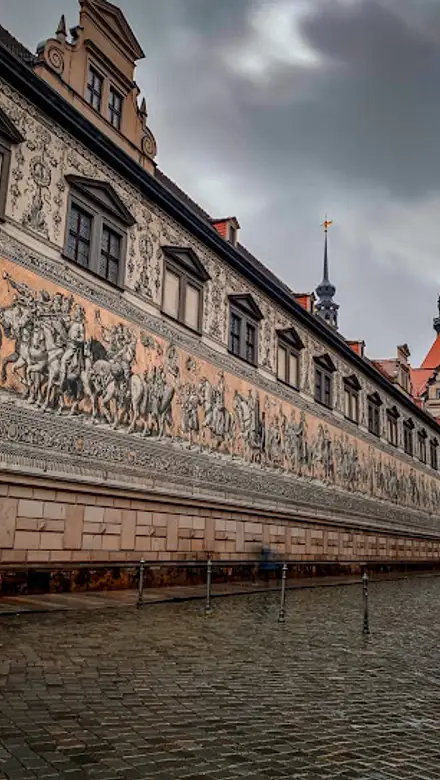
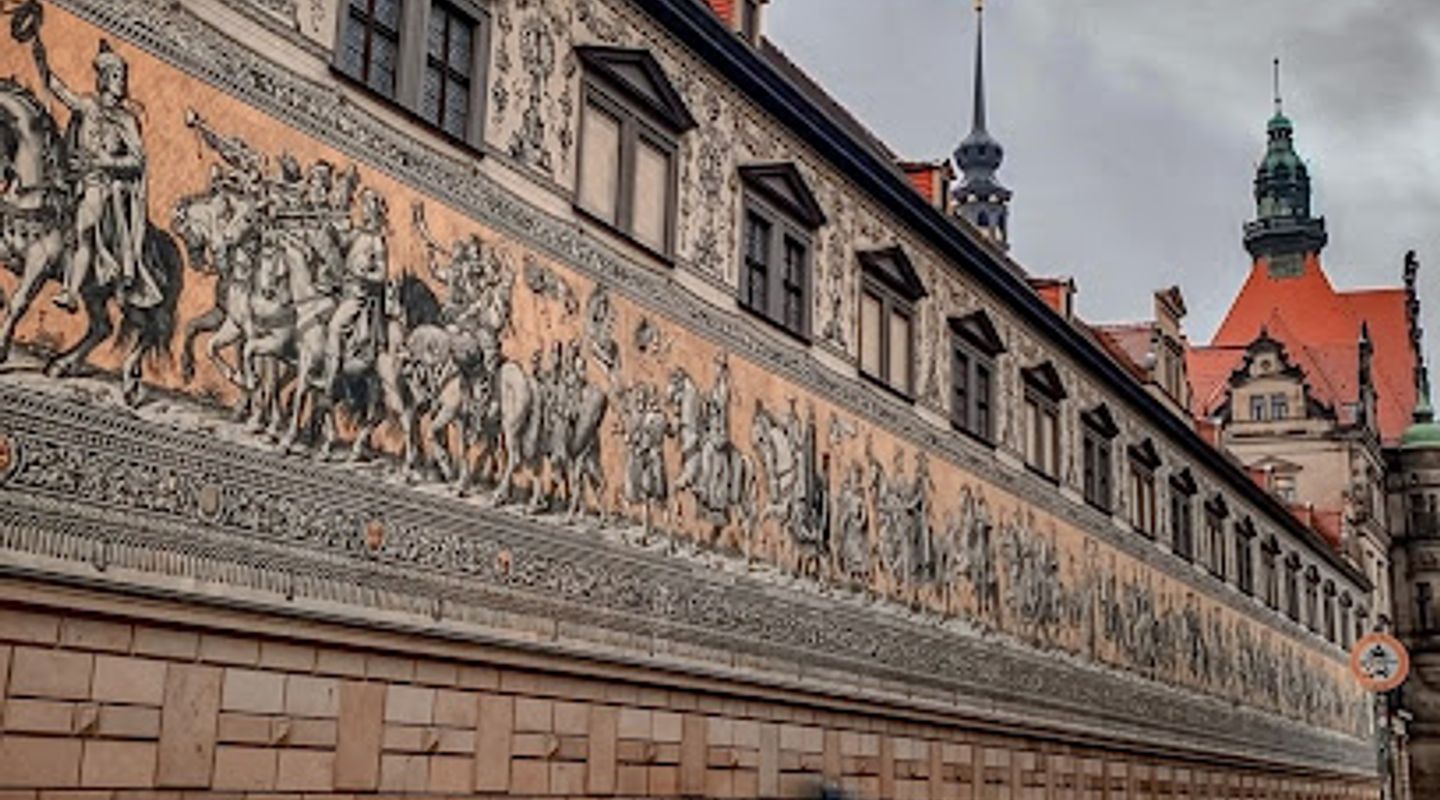
The Fürstenzug, or Procession of Princes, is a monumental porcelain mural in Dresden, Germany, adorning the outer wall of the Stallhof (Stables Courtyard) of Dresden Castle. This remarkable work of art depicts a mounted procession of the rulers of Saxony from the 12th century to the early 20th century. Originally painted between 1871 and 1876 to celebrate the 800th anniversary of the Wettin Dynasty, the mural was later recreated using approximately 23,000 Meissen porcelain tiles between 1904 and 1907 to ensure its longevity. Spanning 102 meters (335 feet), it is considered the largest porcelain artwork in the world and offers a captivating glimpse into Saxon history and artistry. A visit to the Fürstenzug provides a unique opportunity to witness a stunning display of craftsmanship and learn about the region's rich royal heritage, making it a must-see attraction for any visitor to Dresden.

A brief summary to Fürstenzug

Local tips

  • Visit during the day to see the porcelain tiles shimmer in the sunlight, enhancing the mural's vibrant colors and intricate details.
  • Take a guided tour of the Altstadt to gain deeper insights into the history and significance of the Fürstenzug and the Wettin Dynasty.
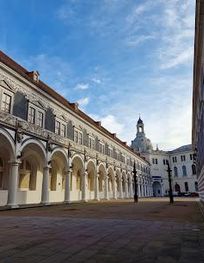
  • Explore the Stallhof, the courtyard where the Fürstenzug is located, to experience a glimpse into Dresden's medieval past.
widget icon

Getting There

  • Walking

    The Fürstenzug is located in the heart of Dresden's Altstadt (Old Town) on Augustusstraße, making it easily accessible on foot from most central locations. From the Frauenkirche, walk east along Augustusstraße for about 5 minutes. The Fürstenzug will be on your left, adorning the outer wall of the Stallhof. From the Zwinger Palace, exit towards Theaterplatz and continue along Sophienstraße, then turn right onto Augustusstraße. The mural will be a short walk ahead on your right.

  • Public Transport

    If arriving by tram, the closest stops are 'Theaterplatz' or 'Pirnaischer Platz'. From Theaterplatz, walk along Sophienstraße and turn right onto Augustusstraße. From Pirnaischer Platz, walk west along Wilsdruffer Straße, then turn left onto Augustusstraße. The Fürstenzug will be a short walk in either direction. A single tram fare within Dresden costs approximately €2.50.

Unlock the Best of Fürstenzug

Buy tickets

    No tickets available

Book tours with entry

    No tours available

Book tours without entry

    No tours available

Discover more about Fürstenzug

The Fürstenzug, a dazzling display of artistry and history, graces the outer wall of the Stallhof in Dresden, Germany. This extraordinary mural, also known as the Procession of Princes, presents a vibrant tableau of Saxon rulers, a veritable who's who of the Wettin Dynasty, mounted on horseback and frozen in time. Stretching an impressive 102 meters, the Fürstenzug is not merely a decoration; it's a chronicle, a testament to the power and lineage of the Saxon monarchy. The story of the Fürstenzug begins in the late 19th century, amidst preparations for the 800th anniversary of the Wettin Dynasty. To commemorate this significant milestone, Wilhelm Walther, a renowned German artist, was commissioned to create a fitting tribute. Between 1871 and 1876, Walther meticulously painted a grand fresco on the exterior wall of the Stallhof. This initial artwork captured the likenesses of the Saxon rulers, their consorts, and various figures from Saxon society, all participating in a stately procession. However, the fresco, exposed to the elements, soon began to deteriorate. Recognizing the need for a more durable solution, the decision was made to recreate the mural using porcelain tiles from the renowned Meissen factory. This ambitious undertaking commenced in 1904 and was completed in 1907. The original painted design was painstakingly transferred onto approximately 23,000 individual porcelain tiles, each meticulously crafted and fired to ensure vibrant colors and lasting resilience. The result was a breathtaking masterpiece, a seamless blend of art and engineering that would withstand the test of time. The Fürstenzug depicts a procession of 35 figures, each representing a different ruler of Saxony, spanning from Conrad the Great in the 12th century to George of Saxony in the early 20th century. Each ruler is depicted on horseback, clad in the attire of their era, accompanied by foot soldiers, scientists, artists, craftsmen, children, and farmers. The attention to detail is remarkable, from the intricate designs of the horses' harnesses to the individual expressions on the faces of the figures. The mural offers a fascinating glimpse into the changing fashions and social customs of Saxony over the centuries. Beyond its artistic merit, the Fürstenzug also serves as a valuable historical resource. Each figure is carefully labeled with their name and reign dates, providing a concise overview of Saxon history. The mural showcases the lineage and accomplishments of the Wettin Dynasty, highlighting their contributions to the region's political, economic, and cultural development. It's a visual encyclopedia of Saxon history, brought to life through the artistry of porcelain. Visiting the Fürstenzug is a truly immersive experience. Standing before this colossal work of art, one cannot help but be awestruck by its scale and detail. The vibrant colors of the porcelain tiles shimmer in the sunlight, creating a mesmerizing effect. As you trace the procession from beginning to end, you'll encounter a cast of characters who shaped the destiny of Saxony. You'll learn about their triumphs and tribulations, their legacies and their impact on the region. The Fürstenzug is more than just a mural; it's a portal to the past, a window into the soul of Saxony. The Fürstenzug is strategically located in the heart of Dresden's historic Altstadt (Old Town), making it easily accessible to visitors. It is situated on Augustusstrasse, between the Johanneum and the Stallhof, just a short walk from other major attractions such as the Frauenkirche, the Zwinger Palace, and the Semper Opera House. The mural is open to public view at all times, free of charge, allowing visitors to admire its beauty and historical significance at their leisure. To fully appreciate the Fürstenzug, it is recommended to take some time to study the individual figures and their stories. Guidebooks and informational panels are available to provide context and background information. Consider joining a guided tour of the Altstadt, which typically includes a stop at the Fürstenzug, to gain deeper insights into its history and significance. The best time to visit is during the day when the sunlight illuminates the porcelain tiles, enhancing their colors and details. However, the mural is also illuminated at night, creating a different but equally captivating ambiance. The Fürstenzug stands as a testament to the enduring power of art and history. It is a unique and unforgettable landmark that embodies the spirit of Dresden and the legacy of the Wettin Dynasty. Whether you are a history buff, an art enthusiast, or simply a curious traveler, a visit to the Fürstenzug is an essential part of any Dresden experience. It's a chance to step back in time, to connect with the past, and to marvel at the beauty and craftsmanship of this extraordinary porcelain mural. The Fürstenzug is not just a sight to see; it's a story to be told, a legacy to be cherished, and a treasure to be shared with the world. While in the area, take the time to explore the Stallhof, the courtyard where jousting tournaments were once held. The Stallhof offers a glimpse into the medieval past of Dresden and provides a unique backdrop for the Fürstenzug. During the Christmas season, the Stallhof transforms into a medieval Christmas market, adding to the festive atmosphere of the Altstadt. The Fürstenzug is more than just a pretty picture; it's a symbol of Dresden's resilience and its commitment to preserving its cultural heritage. Despite the destruction caused by World War II, the Fürstenzug survived largely intact, a testament to the durability of the porcelain tiles and the dedication of the people of Dresden. Today, it stands as a reminder of the city's past and a beacon of hope for the future. The Fürstenzug is a living mural, a vibrant expression of Saxon identity that continues to inspire and captivate visitors from around the globe.

Popular Experiences near Fürstenzug

Popular Hotels near Fürstenzug

Select Currency