Japanese Garden, Dusseldorf Travel Guide
Free Guide: Discover tranquility in Düsseldorf's Japanese Garden: a serene oasis in Nordpark embodying Japanese culture and horticultural artistry, a testament to German-Japanese friendship.


A brief summary of Japanese Garden
Discover tranquility in Düsseldorf's Japanese Garden: a serene oasis in Nordpark embodying Japanese culture and horticultural artistry, a testament to German-Japanese friendship.
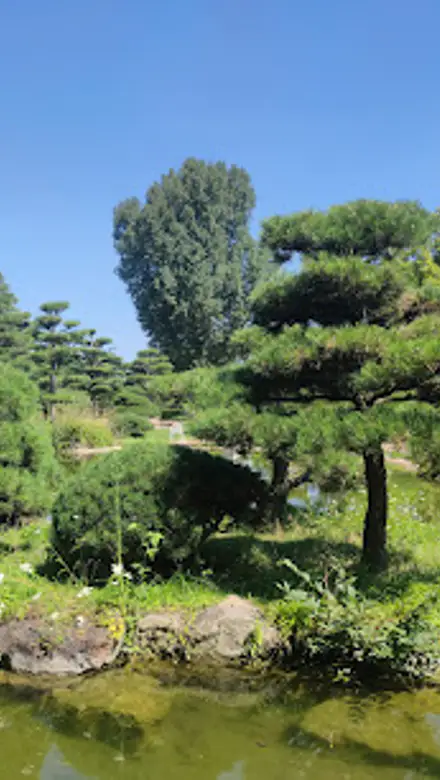
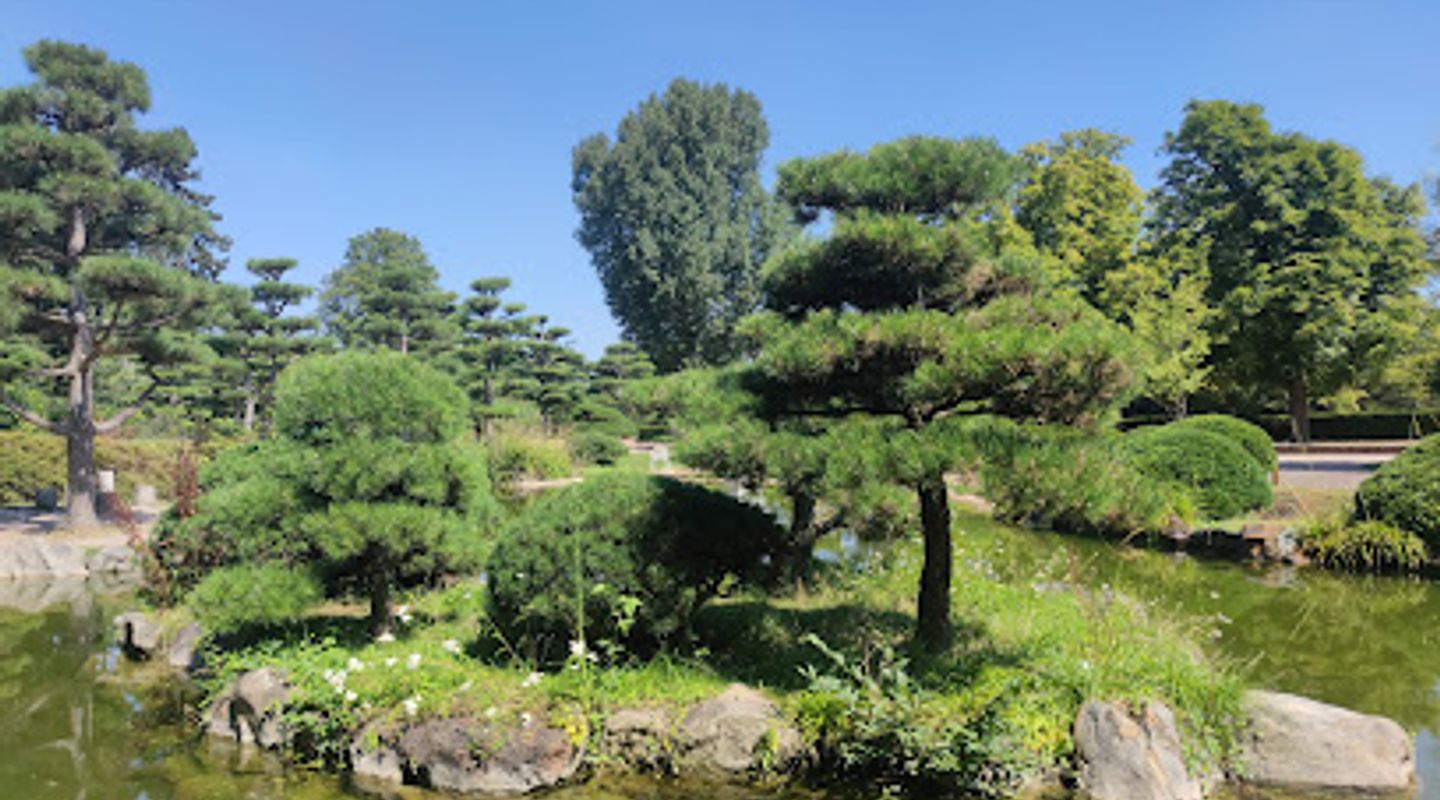
Escape the urban energy of Düsseldorf in the serene Japanese Garden, a meticulously designed 5,000 square meter oasis within Nordpark. Created in 1975 as a gift from the Japanese community, this 'Garden of Reflection' embodies Far Eastern mythology, where every tree, pond, stone, and lantern holds symbolic meaning. Wander along winding paths, cross charming bridges over koi-filled ponds, and admire the artful arrangement of bonsai, Japanese maples, and meticulously pruned pines. Whether seeking tranquility, cultural immersion, or a connection with nature, the Japanese Garden offers a unique and captivating experience, showcasing the deep bond between Düsseldorf and Japan. It's a photographer's dream and a peaceful haven for contemplation, open year-round and free to all.
Opening hours
- Every dayOpen 24 hours
Opening hours as listed on the venue’s Google Business Profile. Hours can change for services and special events, so check with the venue before you go.
- Address
- Kaiserswerther Str. 380, 40474 Düsseldorf
- Phone
- Website
Getting there
Public Transport
Taxi/Ride-Share
Driving
Discover more about Japanese Garden
Overview
Nestled within Düsseldorf's expansive Nordpark, the Japanese Garden offers a tranquil escape, embodying the strong cultural ties between Düsseldorf and Japan. This meticulously crafted garden, also known as the “Garden of Reflection,” spans over 5,000 square meters and presents a harmonious blend of Japanese horticultural traditions and serene landscaping. Inaugurated in 1975, it stands as a testament to the friendship between the Japanese community in Düsseldorf and the city itself. As you enter the garden, you're immediately transported to a world of carefully curated natural beauty. The design adheres to the principles of a Japanese pond garden, also known as a pleasure garden, where every element is thoughtfully placed to evoke a sense of peace and contemplation. The winding paths guide you through a landscape rich in symbolism, inviting you to discover the deeper meanings behind each feature. The trees, predominantly pines and Japanese maples, are meticulously pruned and shaped, reflecting the artistry and precision of Japanese gardening. Black pines, for example, are often sculpted into cloud-like forms, showcasing the gardener's skill and adding to the garden's ethereal atmosphere. These trees are not merely decorative; they represent strength, longevity, and the enduring spirit of nature. Water plays a central role in the Japanese Garden, with serene ponds reflecting the surrounding greenery and the sky above. Koi fish, symbols of good fortune and perseverance, glide gracefully through the water, adding a touch of vibrant color and life to the scene. Small waterfalls cascade gently, creating a soothing soundtrack that enhances the garden's tranquil ambiance. Stone lanterns, traditional carvings made from natural stone, are strategically placed throughout the garden, casting a soft glow in the evenings and adding to the sense of mystery and enchantment. These lanterns, often of the Kasuga style, symbolize guidance and illumination, both literally and metaphorically. The arrangement of rocks is another key element of the Japanese Garden, with each stone carefully selected and positioned to represent mountains, islands, or other natural features. These stone arrangements symbolize strength, stability, and the enduring power of the earth. The garden's design also incorporates artificially raised hills, adding depth and dimension to the landscape. These hills, along with the carefully placed stones and lanterns, create a miniature version of the natural world, inviting visitors to explore and discover its hidden wonders. The Japanese Garden is particularly enchanting during the spring, when the cherry blossoms are in full bloom, transforming the landscape into a sea of delicate pink and white. In autumn, the Japanese maples burst into vibrant shades of red, orange, and gold, creating a breathtaking display of autumnal color. No matter the season, the garden offers a unique and captivating experience, showcasing the beauty and tranquility of nature. Beyond its aesthetic appeal, the Japanese Garden also serves as a cultural center, hosting events and workshops that promote understanding and appreciation of Japanese traditions. From tea ceremonies to calligraphy demonstrations, these events offer visitors a chance to immerse themselves in Japanese culture and learn about its rich history and customs. The Japanese Garden is more than just a beautiful park; it's a symbol of friendship, a celebration of culture, and a sanctuary for the soul. Whether you're seeking a peaceful retreat, a cultural experience, or a connection with nature, the Japanese Garden offers a unique and unforgettable experience. Located in the northwest corner of Nordpark, the Japanese Garden is easily accessible by public transportation and offers a welcome respite from the hustle and bustle of city life. Admission is free, making it an accessible destination for all. The garden is open year-round, allowing visitors to experience its beauty in every season. The Aquazoo Löbbecke Museum is also located in Nordpark, making it easy to combine a visit to both attractions. The Japanese Garden in Düsseldorf is a testament to the enduring power of cultural exchange and the beauty that can be created when different traditions come together. It's a place where East meets West, where nature and art intertwine, and where visitors can find peace, inspiration, and a deeper connection with the world around them. Whether you're a seasoned traveler, a culture enthusiast, or simply someone seeking a moment of tranquility, the Japanese Garden is a must-see destination in Düsseldorf. Its beauty, serenity, and cultural significance make it a truly unique and unforgettable experience.
Evendo Review Centre
 Google
Guest reviews
Explore Japanese Garden on the map
A handpicked selection of must-see spots near Japanese Garden, mapped for you.
Get your free copy of our complete guide to Japanese Garden, delivered straight to you.
Everything on this page, from opening hours and how to get there to Eve’s tips and the best time to go, in one PDF you can read offline, print or share.
Already have an account? Sign in
Your Japanese Garden guide is ready.
We'll send it to · Not you? Sign out

Getting your guide ready…
We are putting together a fresh copy of the Japanese Garden guide. This can take up to a minute.
This can take a few moments. If your browser asks, choose Allow so the download can start. You'll find the guide in your Downloads folder.
Nothing happened? Download it again
Sorry, the guide is taking longer than usual. Please try again in a minute, or get it by email instead.
Unlock the best of Japanese Garden
Skip-the-line tickets, guided tours with entry, and walking tours of the area, booked in a few clicks.

Other nearby places you may find interesting
The closest places of the same kind, if this one is not quite what you had in mind.
-
-
-
-
-


Swipe for more places
More to explore near Japanese Garden

 Best experiences near Japanese Garden
 Best hotels near Japanese Garden
 Best landmarks near Japanese Garden
 Best attractions near Japanese Garden
 Best shops near Japanese Garden
 Best restaurants near Japanese Garden
 Best bars near Japanese Garden
Do you manage this location?
Take control to get all the benefits, like improved information, better appearance, and stronger visibility across AI-powered discovery.
Explore more

Explore more of Dusseldorf
Discover Düsseldorf: A vibrant blend of tradition and modernity with its rich cultural scene, luxury shopping, and scenic Rhine views. Perfect for art lovers and night owls alike.
Explore Dusseldorf
Explore more of Germany
Experience Germany: where history meets innovation, and urban energy blends with natural beauty. Discover diverse cultures, delicious cuisine, and stunning landscapes.
Explore Germany