Kaiserpfalz Kaiserswerth: Ruins of Imperial Power
Discover the majestic ruins of Kaiserpfalz Kaiserswerth in Düsseldorf, a journey through centuries of imperial power and medieval history along the scenic Rhine River.
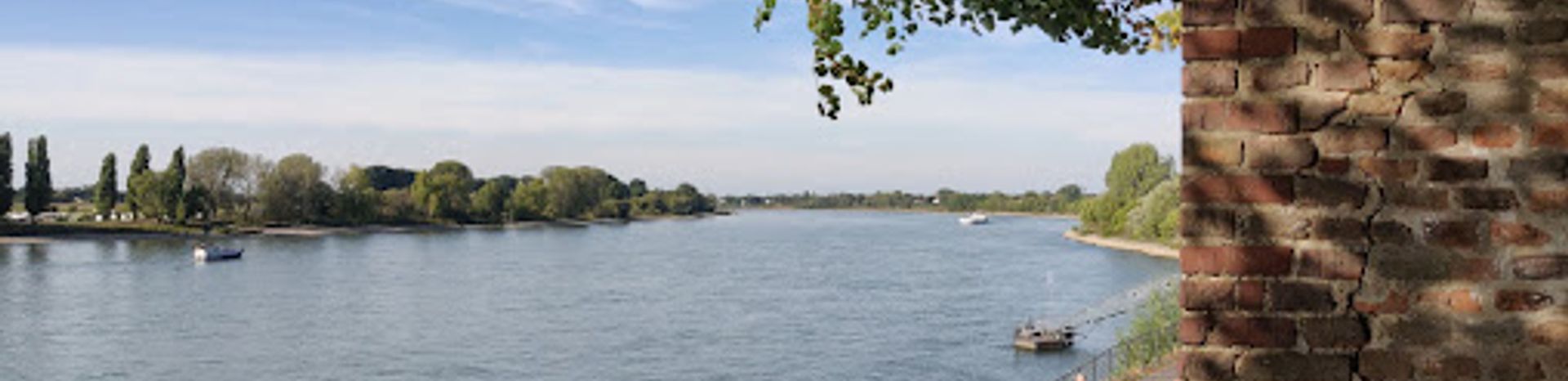
Explore the evocative ruins of Kaiserpfalz Kaiserswerth, a historical landmark in Düsseldorf's charming Kaiserswerth district. Once a formidable imperial palace erected by Emperor Frederick I Barbarossa in the 12th century, the Kaiserpfalz stands as a testament to the Holy Roman Empire's influence. Wander through the remnants of grand halls and towers, imagining the palace's former glory. The site, dating back to a monastery founded around 700 AD, evolved into a strategic royal court, controlling vital Rhine trade routes. Though destroyed in 1702 during the War of the Spanish Succession, the ruins have been partially restored, offering visitors a captivating glimpse into medieval history and architecture. Enjoy scenic views of the Rhine and explore the picturesque surroundings of Kaiserswerth, with its cobblestone streets, cafes, and shops.
A brief summary to Kaiserpfalz Kaiserswerth
- Burgallee, Düsseldorf, District 5, 40489, DE
- +4921122973077
- Visit website
Local tips
- Visit during the early morning or late afternoon to avoid crowds and enjoy a more peaceful exploration of the ruins.
- Check the event schedule for open-air concerts or art exhibitions held within the ruins for a unique cultural experience.
- Wear comfortable shoes, as the terrain within the ruins can be uneven.
- Combine your visit with a stroll through the charming Kaiserswerth district, exploring its historic streets, cafes, and shops.
- Take a boat trip on the Rhine from Kaiserswerth to enjoy scenic views of the palace ruins and the surrounding landscape.

Getting There
-
Public Transport
From Düsseldorf Hauptbahnhof (Central Station), take the U79 subway line towards Duisburg. Get off at the Klemensplatz or Kittelbachstraße stop. From Klemensplatz, it's approximately a 10-minute walk towards the Rhine River to reach the Kaiserpfalz. From Kittelbachstraße, walk northwest. The U79 subway ticket costs approximately €3-€5 for a single journey.
-
Bus
Several bus lines (728, 749, 751, 760) stop near Kaiserpfalz Kaiserswerth (Klemensplatz stop). From the Klemensplatz bus stop, it is approximately a 5-minute walk to the Kaiserpfalz. A single bus ticket costs approximately €3-€5.
-
Driving
If driving, take the B8N (Niederrheinstraße) to Kaiserswerth. Follow signs towards 'Kaiserpfalz'. Limited parking is available near the site. Free parking is available at Parkplatz Kaiserpfalz am Rhein (Niederrheinstraße / An St. Swidbert) and Parkplatz am Klemensplatz. Paid short-term parking is available at Parkhaus Klemensviertel (Alte Landstraße). Parking fees at Parkhaus Klemensviertel are approximately €2-€3 per hour.
-
Taxi/Ride-Share
A taxi or ride-share from Düsseldorf city center to Kaiserpfalz Kaiserswerth will cost approximately €20-€30, depending on traffic.
Discover more about Kaiserpfalz Kaiserswerth
Iconic landmarks you can’t miss

Schloss Kalkum
1.8 km
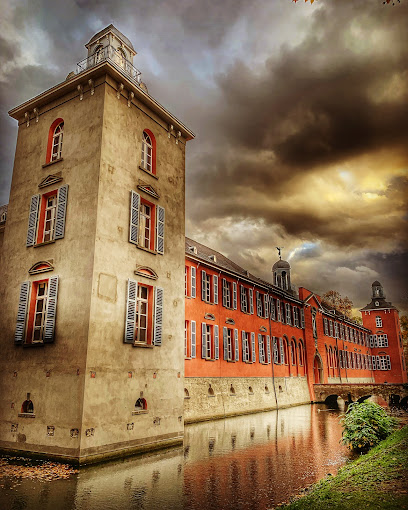
Discover the enchanting Schloss Kalkum in Düsseldorf, a historical castle surrounded by lush gardens and rich heritage, perfect for a serene escape.
Me And All Hotel Dusseldorf Oberkassel - JDV by Hyatt
7.4 km
Discover modern elegance and artistic charm at Me And All Hotel Düsseldorf Oberkassel, your perfect base for exploring the vibrant city of Düsseldorf.
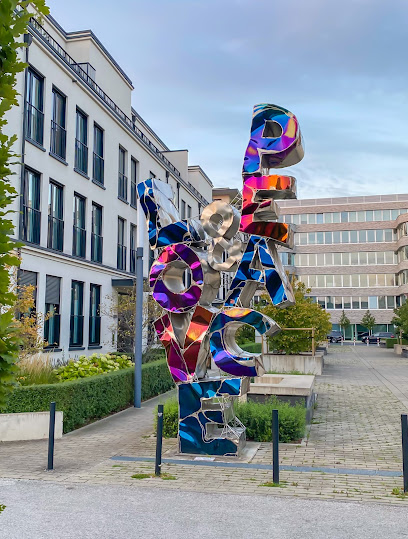
Metallobjekt Love & Peace
7.4 km
Discover the Metallobjekt Love & Peace in Düsseldorf: a modern sculpture embodying unity and harmony, adding a touch of artistic inspiration to the vibrant Belsenpark area.
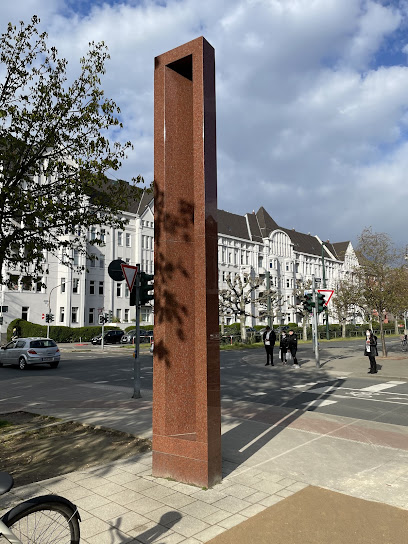
Durchblick, Christian Megert
7.7 km
Discover 'Durchblick' in Düsseldorf's Oberkassel: A mirrored sculpture offering a unique reflection on art, perception, and the vibrant atmosphere of Luegallee.
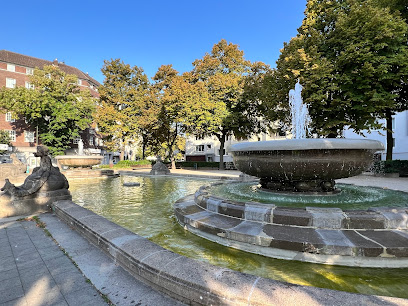
Barbarossa platz
7.7 km
Discover Düsseldorf's tranquil heart at Barbarossaplatz, a charming square in Oberkassel offering a serene escape, local culture, and a taste of the city's vibrant life.
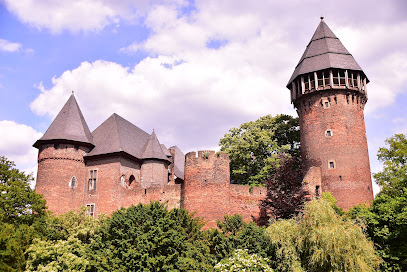
Burg Linn
7.7 km
Explore the captivating Burg Linn in Krefeld: a historic water castle with fascinating museums, scenic parklands, and vibrant cultural events, offering a journey through time.
Heiligenhäuschen (Düsseldorf-Oberkassel)
8.2 km
Discover the oldest building in Düsseldorf-Oberkassel, a serene chapel with a rich history dating back to the 18th century, offering a peaceful escape and a glimpse into the past.
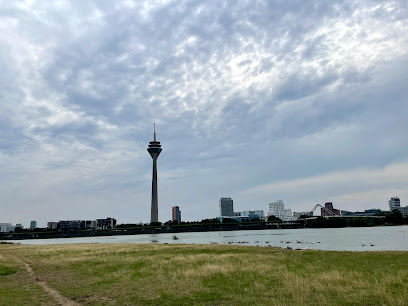
Stiftsplatz
8.3 km
Discover Stiftsplatz in Düsseldorf's Altstadt: A serene historical square with picturesque architecture, offering a tranquil escape and a glimpse into the city's rich past.
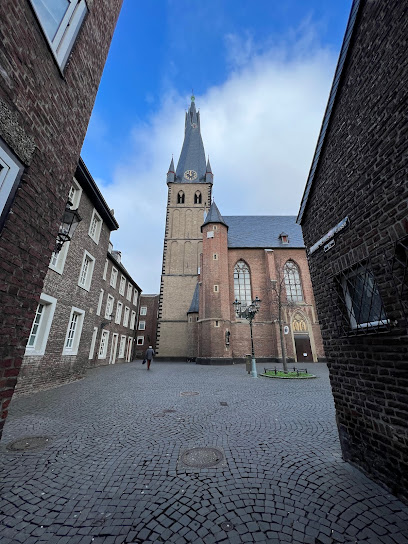
Gedenkbrunnen zum 650. Jahrestag Düsseldorfs
8.4 km
Discover Düsseldorf's vibrant history at the Gedenkbrunnen, a stunning memorial fountain celebrating the city's 650th anniversary and artistic heritage in the heart of the city.
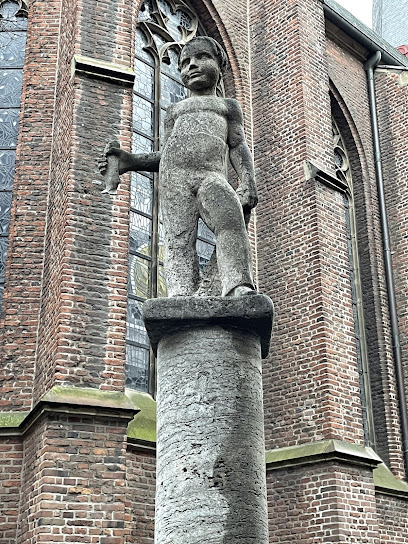
Basilika St. Lambertus
8.4 km
Discover Düsseldorf's iconic Basilika St. Lambertus: a historic church with a twisted spire, rich religious heritage, and stunning Gothic architecture in the heart of the Altstadt.
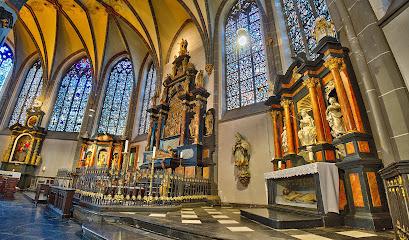
Schlossturm
8.5 km
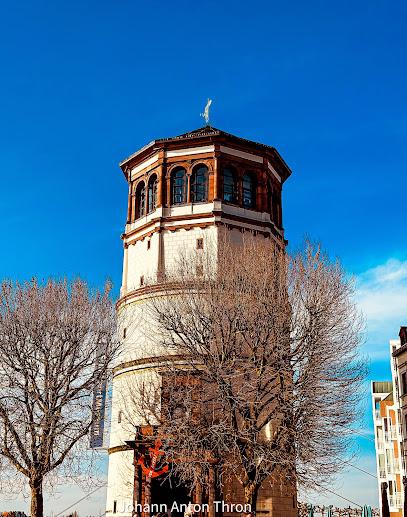
Explore Düsseldorf's maritime history and enjoy panoramic city views from the iconic Schlossturm, the last remnant of the city's castle, located in the heart of the vibrant Altstadt.
Rhine embankment promenade
8.5 km
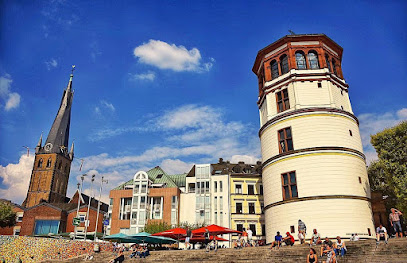
Experience Düsseldorf's vibrant heart on the Rhine Embankment Promenade: a scenic blend of culture, cuisine, and captivating river views, perfect for leisurely strolls and unforgettable moments.
Rheinkniebrücke
8.5 km
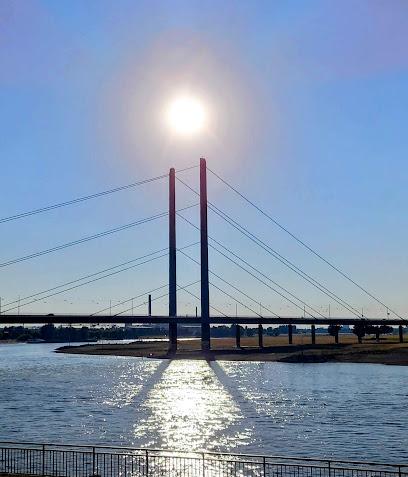
Experience breathtaking views from Düsseldorf's iconic Rheinkniebrücke, a stunning cable-stayed bridge connecting the city's districts and offering panoramic vistas of the Rhine.
Vier Karyatiden
8.6 km
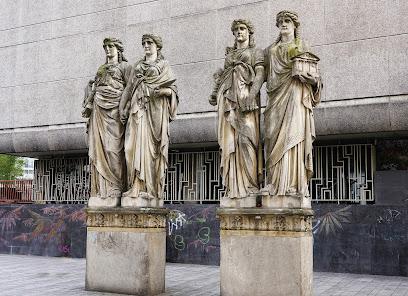
Discover the enchanting Vier Karyatiden in Düsseldorf, a stunning sculpture that embodies the city's artistic spirit and cultural richness.
Burgpl. 1
8.6 km
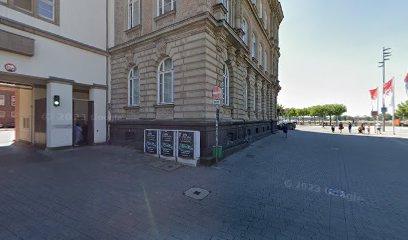
Discover the architectural beauty and vibrant atmosphere of Burgplatz, a must-visit square in the heart of Düsseldorf.
Unmissable attractions to see

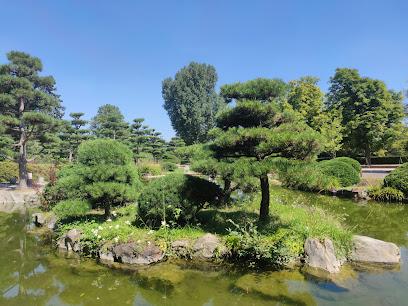
Japanese Garden
4.8 km
Experience the tranquility of the Japanese Garden in Düsseldorf, a serene oasis showcasing stunning landscapes and rich cultural heritage.
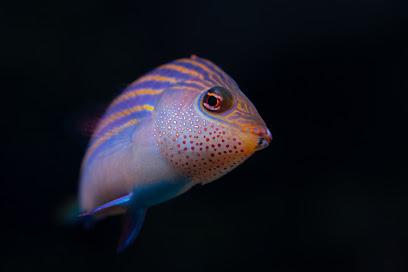
Aquazoo Löbbecke Museum Dusseldorf
4.9 km
Explore the Aquazoo Löbbecke Museum in Düsseldorf, where aquatic wonders meet educational experiences in a vibrant setting.
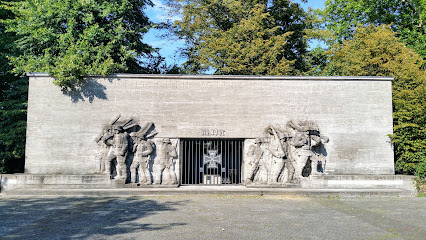
Kriegerdenkmal (Düsseldorf-Golzheim)
5.6 km
Explore the Kriegerdenkmal in Düsseldorf-Golzheim—a serene memorial honoring soldiers, surrounded by beautiful gardens perfect for reflection.
Brunnen
6.9 km
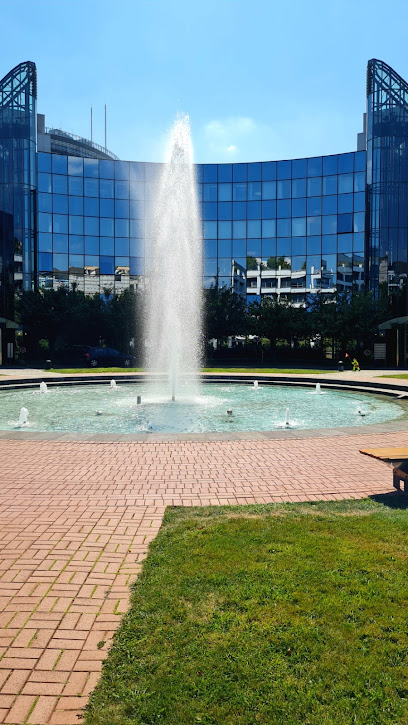
Explore the serene beauty of Brunnen in Düsseldorf, a tranquil oasis perfect for relaxation and enjoying nature amidst urban life.
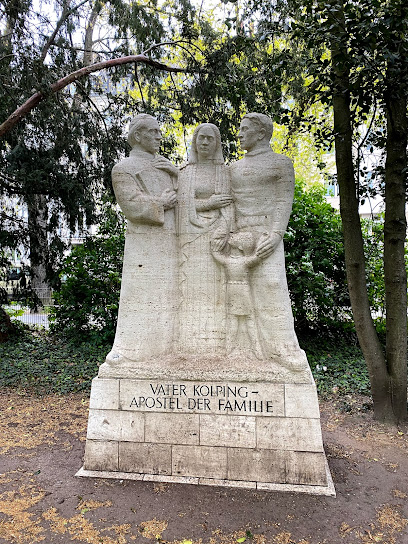
Kolping-Denkmal
7.3 km
Explore the Kolping-Denkmal in Düsseldorf, a historic tribute to social reformer Adolph Kolping, symbolizing humanity and community spirit.
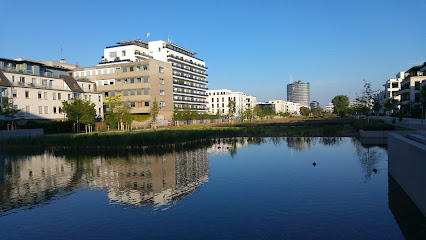
Belsen Park
7.4 km
Explore the serene beauty of Belsen Park in Düsseldorf, a perfect urban oasis for relaxation, picnics, and nature walks.
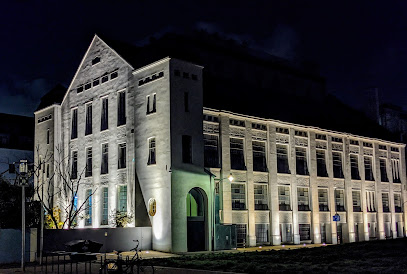
Julia Stoschek Collection / Foundation e.V.
7.5 km
Explore the Julia Stoschek Collection in Düsseldorf, a hub for contemporary art that inspires and challenges perspectives through innovative installations.
Kirschblüte- cherry blossom
7.7 km
Discover the enchanting cherry blossom experience in Düsseldorf, where nature's beauty unfolds in a vibrant display of pink and white blossoms every spring.
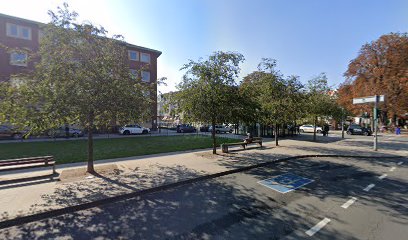
Museum Kunstpalast
7.7 km
Explore the captivating art collection of Museum Kunstpalast in Düsseldorf, featuring masterpieces from various periods and styles.
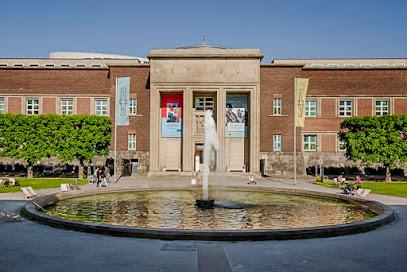
Ehrenhof
7.8 km
Explore the serene Ehrenhof in Düsseldorf, a cultural oasis featuring stunning gardens and remarkable art institutions for a truly enriching experience.
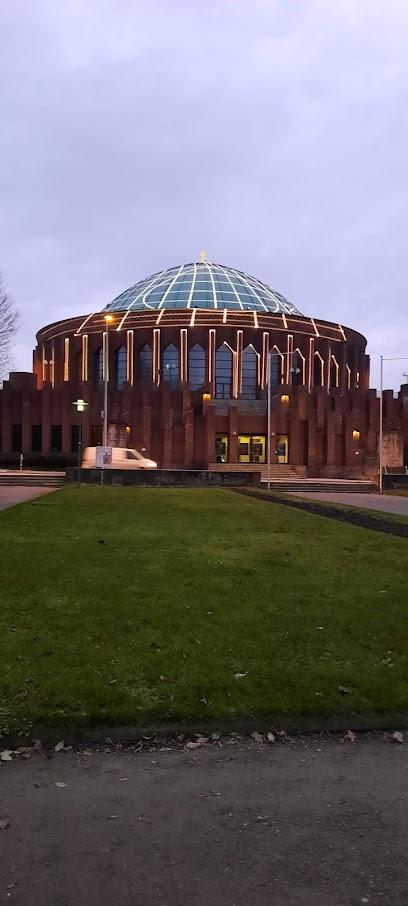
NRW-Forum Düsseldorf
7.9 km
Discover contemporary art and culture at NRW-Forum Düsseldorf, a vibrant hub for innovative exhibitions and engaging discussions.
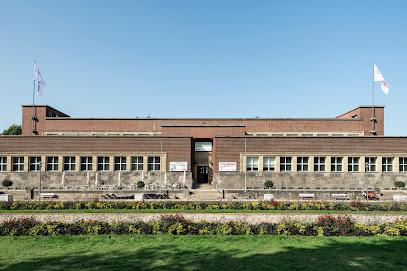
Oberkasseler Bridge
8.0 km
Discover the Oberkasseler Bridge in Düsseldorf, an architectural gem offering stunning views and a blend of vibrant city life and serene riverside charm.
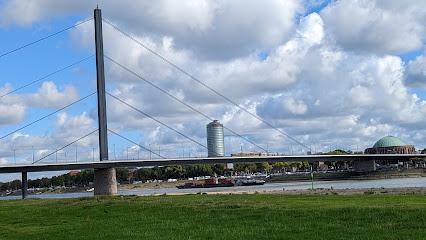
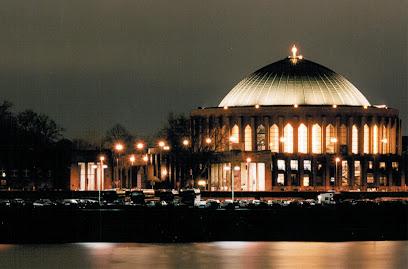
Tonhalle Düsseldorf
8.0 km
Experience the extraordinary acoustics and stunning architecture of Tonhalle Düsseldorf, a premier venue for concerts and cultural events in the heart of the city.
Stele für Hilarius Gilges
8.0 km
Explore the Stele of Hilarius Gilges, a captivating historical monument in Düsseldorf, rich in culture and artistic legacy.
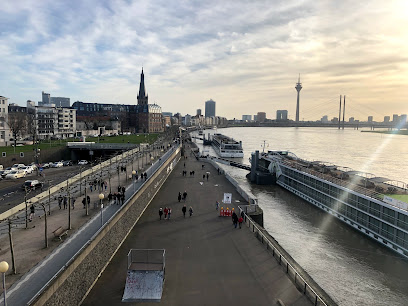
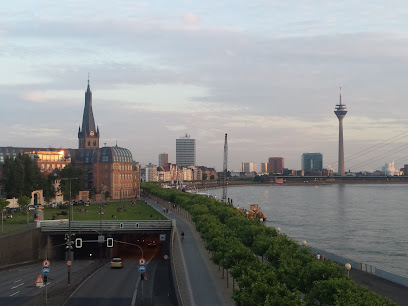
Johannes-von-Nepomuk-Statue
8.1 km
Explore the Johannes von Nepomuk Statue in Düsseldorf, a stunning historical landmark surrounded by beautiful gardens, perfect for history buffs and nature lovers alike.
Essential places to dine

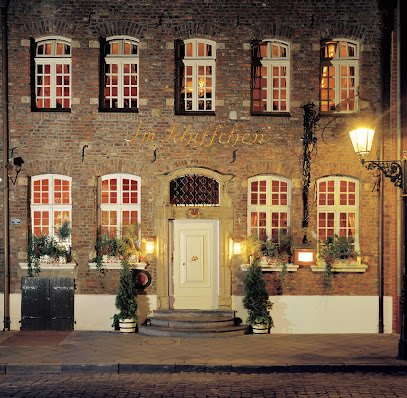
Im Schiffchen
0.3 km
Discover the elegance of French fine dining at Im Schiffchen in Düsseldorf, where exceptional cuisine meets refined ambiance.
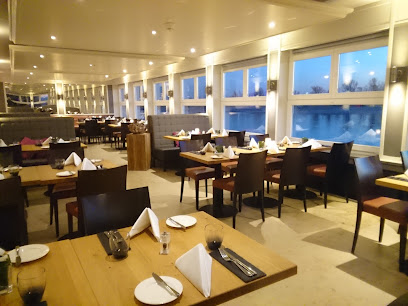
Restaurant Schnellenburg
5.0 km
Experience exquisite Mediterranean cuisine at Restaurant Schnellenburg in Düsseldorf – where flavor meets elegance in every dish.
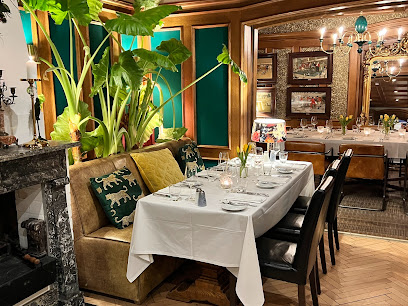
Ashley's Restaurant
5.3 km
Discover Ashley's Restaurant in Düsseldorf: where traditional European flavors meet modern culinary artistry in an elegant setting.
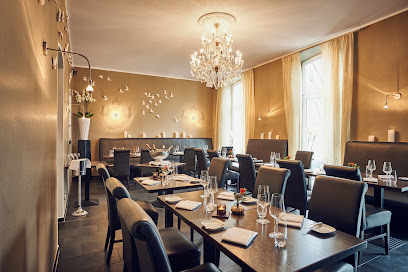
Zweierlei
7.3 km
Discover exquisite Mediterranean flavors at Zweierlei, Düsseldorf's premier fine dining destination offering unforgettable culinary experiences.
Spaghetti & Stars
7.4 km
Indulge in authentic Italian cuisine at Spaghetti & Stars in Düsseldorf - where every dish is a celebration of flavor and tradition.
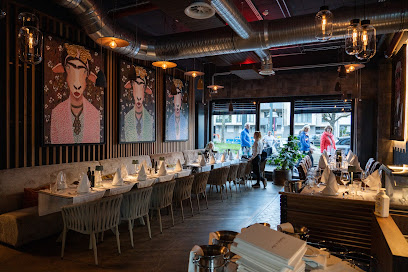
The Lox
7.5 km
Experience the finest steaks at The Lox in Düsseldorf—where quality meets exceptional taste in an elegant setting.
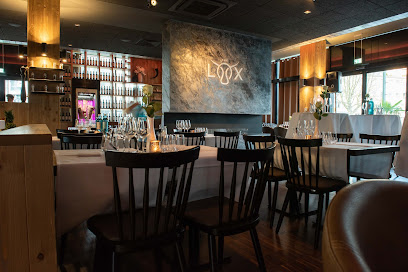
Oktopussy Bar & Restaurant
7.6 km
Discover Oktopussy Bar & Restaurant in Düsseldorf: A vibrant culinary hotspot offering fresh seafood and creative cocktails in a stylish setting.
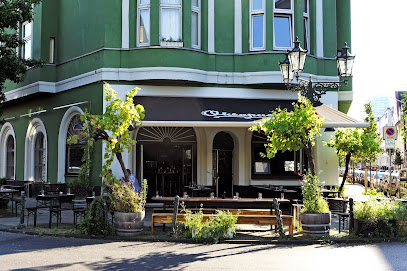
Brasserie Hülsmann
7.7 km
Experience culinary excellence at Brasserie Hülsmann in Düsseldorf, where exquisite flavors meet elegant dining.
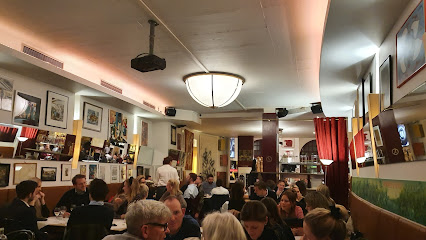
Zur Laterne
7.7 km
Experience authentic German cuisine at Zur Laterne, a cozy bistro in Düsseldorf offering delicious meals at affordable prices.
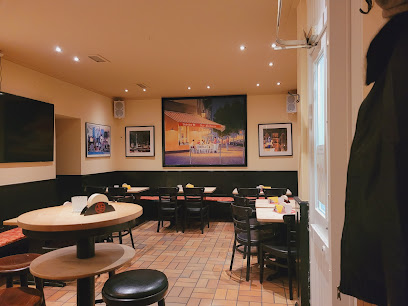
Saittavini
7.7 km
Discover authentic Italian cuisine at Saittavini in Düsseldorf—where every dish tells a story.
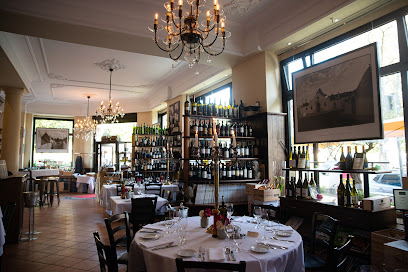
Stappen Düsseldorf
7.7 km
Experience exquisite dining at Stappen Düsseldorf - where local flavors meet international cuisine in an elegant setting.
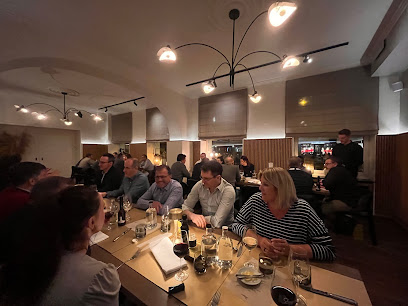
Chez Lio
7.7 km
Experience exquisite breakfasts and fine wines at Chez Lio in Düsseldorf's District 4 - a culinary gem waiting to be explored.
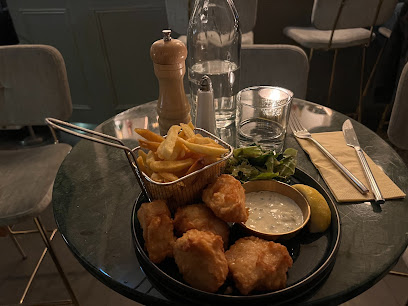
Nuvola - The Hidden Taste
7.8 km
Discover soulful flavors at Nuvola - The Hidden Taste in Düsseldorf, where every dish is crafted with passion and authenticity.
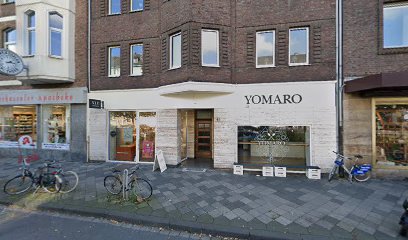
Hot La Cucina
7.8 km
Experience authentic Italian cuisine at Hot La Cucina in Düsseldorf – home to delicious pizzas and a cozy dining atmosphere.
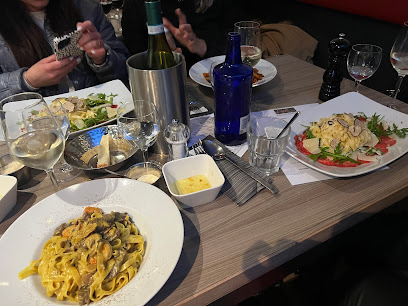
Le Bouchon
7.8 km
Experience exquisite French cuisine at Le Bouchon in Düsseldorf, where culinary artistry meets elegant dining.

Markets, malls and hidden boutiques

glore Düsseldorf
7.7 km
Discover sustainable fashion with a unique flair at glore Düsseldorf, where style meets eco-consciousness in the heart of the city.
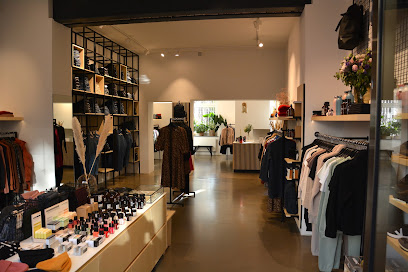
Fine Arts & Living Düsseldorf Oberkassel
7.8 km
Explore the artistic treasures of Düsseldorf at Fine Arts & Living, a unique gift shop offering handmade crafts, jewelry, and carpets.
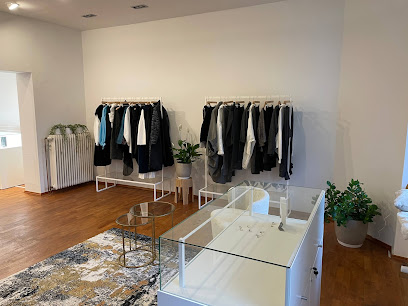
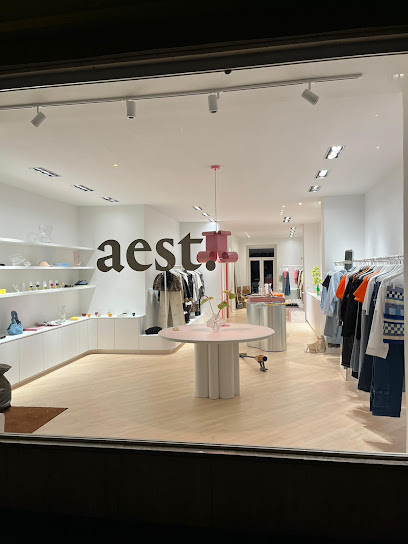
aest. concept store
7.8 km
Explore Aest. Concept Store in Düsseldorf for a curated selection of stylish clothing and accessories that redefine contemporary fashion.
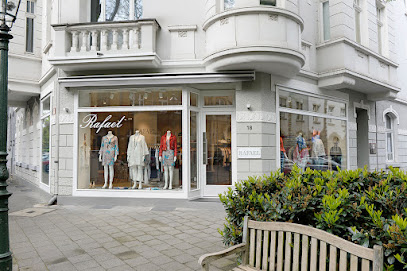
RAFAEL Multilabel Store für Damen
7.8 km
Discover the unique blend of contemporary and timeless women's fashion at RAFAEL Multilabel Store in Düsseldorf.
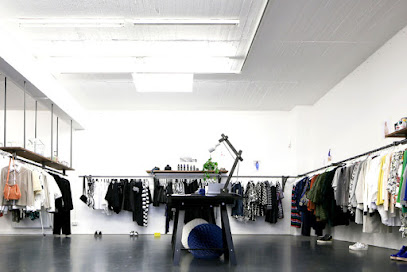
StyleAlbum Pop-up Store
8.5 km
Discover exclusive haute couture fashion at StyleAlbum Pop-up Store in Düsseldorf, blending contemporary style with unique designs for discerning shoppers.
Sorti
8.7 km
Discover unique fashion at Sorti, a chic clothing boutique in the heart of Düsseldorf, where style meets quality for an unforgettable shopping experience.
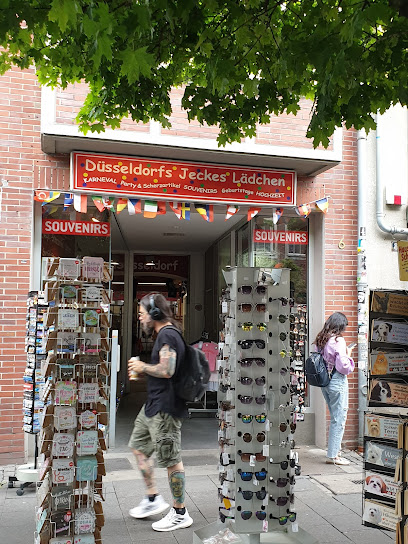
Jeckes Lädchen
8.7 km
Discover authentic souvenirs at Jeckes Lädchen, a charming store in the heart of Düsseldorf offering unique gifts and local treasures.
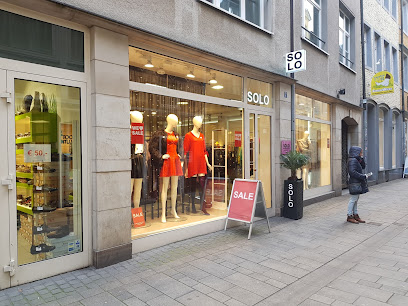
SOLO & LYA by SOLO
8.7 km
Explore the chic women's clothing boutique SOLO & LYA in Düsseldorf, featuring unique styles and contemporary fashion for the modern woman.
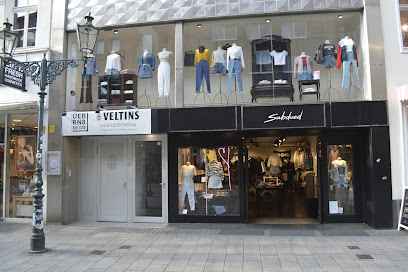
Subdued
8.7 km
Discover unique fashion trends at Subdued, the chic boutique in Düsseldorf that offers stylish clothing for every occasion.
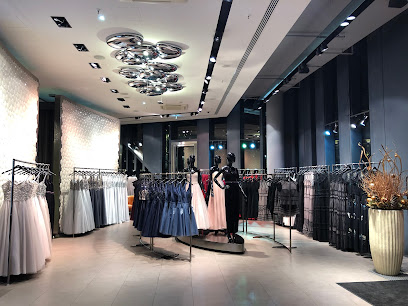
Unique Store
8.7 km
Discover the elegance of formal wear and trendy clothing at the Unique Store in Düsseldorf, your ultimate fashion destination.
Breuninger Düsseldorf
8.8 km
Experience luxury shopping at Breuninger Düsseldorf, where fashion meets elegance in the heart of the city.
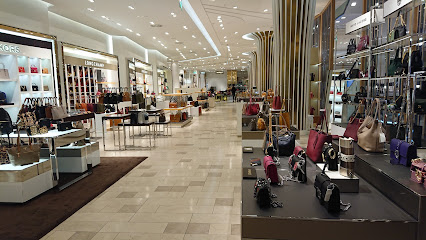
GALERIA Düsseldorf Königsallee
8.8 km
Experience a shopping paradise at GALERIA Düsseldorf Königsallee, where fashion meets elegance in the heart of the city.
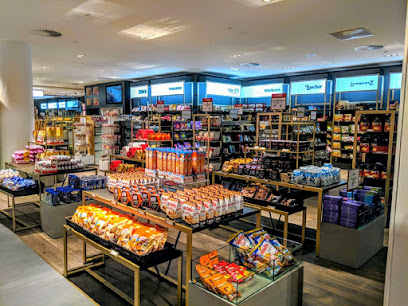
déjà vu Boutique Düsseldorf
8.8 km
Discover unique women's fashion at déjà vu Boutique in Düsseldorf, where style meets local artistry in an inviting atmosphere.

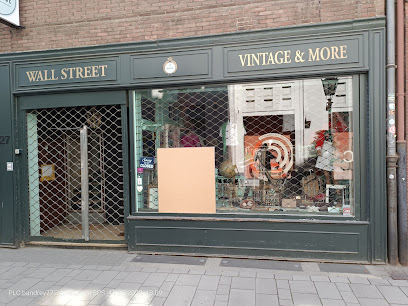
Vintage Galerie Vaseline
8.8 km
Explore the unique vintage finds at Galerie Vaseline, a charming used furniture store in Düsseldorf, perfect for eclectic decor enthusiasts.
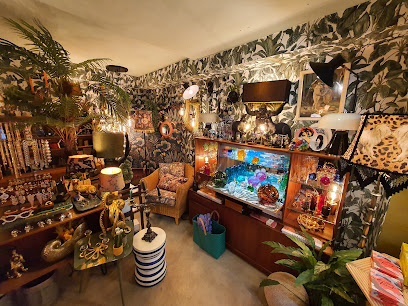
Vintage Paradise
8.8 km
Explore Vintage Paradise in Düsseldorf for a unique selection of vintage clothing, accessories, and decor that brings nostalgia to life.
Essential bars & hidden hideouts

squarebar
7.1 km
Discover the vibrant atmosphere and innovative cocktails at Squarebar, Düsseldorf's must-visit cocktail bar for an unforgettable night out.
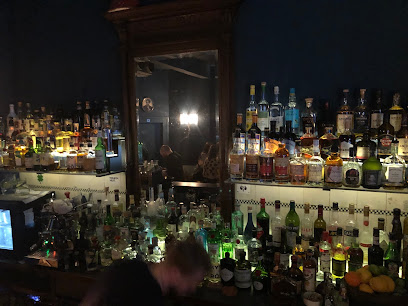
Alter Bahnhof Oberkassel
7.6 km
Discover the authentic flavors of Germany at Alter Bahnhof Oberkassel, a charming brewery and gastropub in Düsseldorf, renowned for its craft beers and traditional cuisine.
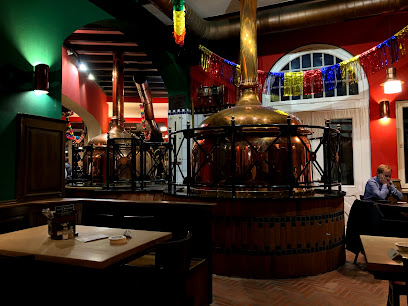
LiQ Bar
7.7 km
Experience the vibrant nightlife at LiQ Bar in Düsseldorf, where innovative cocktails and a welcoming atmosphere await.
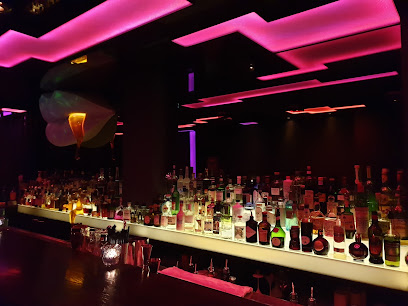
Bricks Bar & Restaurant
7.7 km
Discover Bricks Bar & Restaurant in Düsseldorf, where modern dining meets local flavors in a vibrant atmosphere.
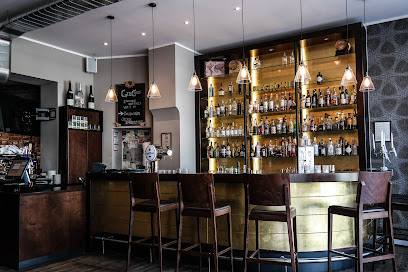
Colette La Belle
7.7 km
Discover the vibrant atmosphere and creative cocktails at Colette La Belle, Düsseldorf's lively nightlife hotspot for tourists and locals alike.
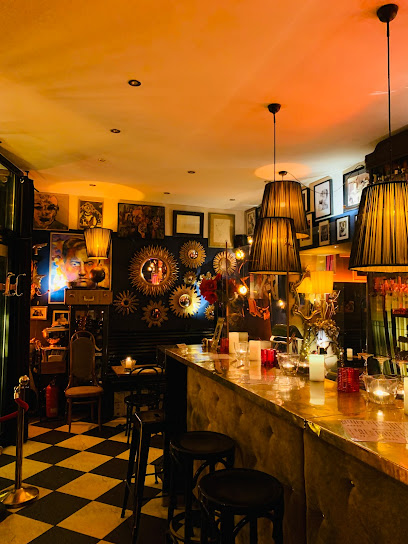
Muggel
7.7 km
Discover Muggel, Düsseldorf's vibrant bar and café, where locals and tourists come together for delightful drinks and delicious meals in a cozy atmosphere.
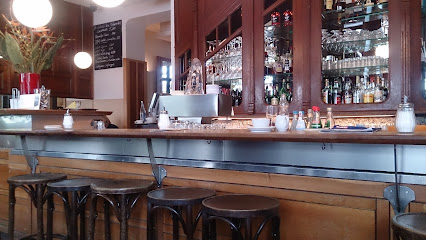
Jazzpool NRW
7.8 km
Discover the vibrant heart of Düsseldorf's jazz scene at Jazzpool NRW, where live music and an intimate atmosphere create unforgettable nights.
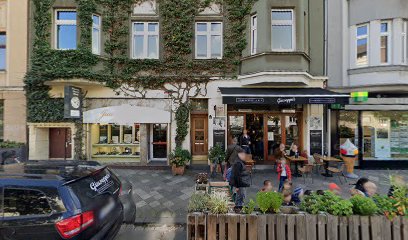
SASSAFRAS
8.0 km
Experience the best of Düsseldorf's nightlife at SASSAFRAS - a bar that blends exquisite drinks with live jazz in an inviting atmosphere.
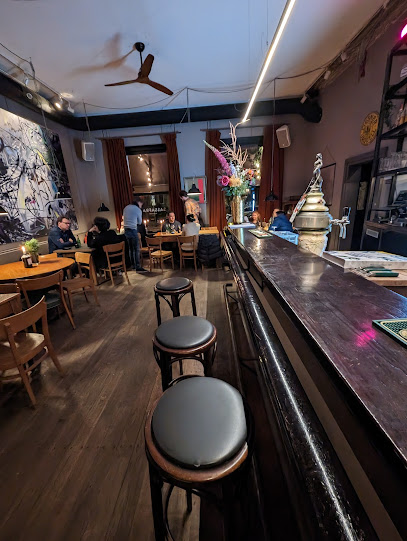
Paul‘s
8.0 km
Discover the unique fusion of bar culture and mechanical engineering at Paul's Bar in Düsseldorf, where innovation meets relaxation.
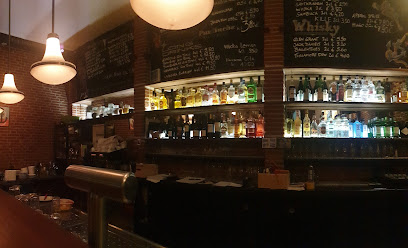
Cubanitos Bar
8.4 km
Discover Cubanitos Bar, Düsseldorf's vibrant cocktail haven featuring DJ services and a lively atmosphere for an unforgettable night out.
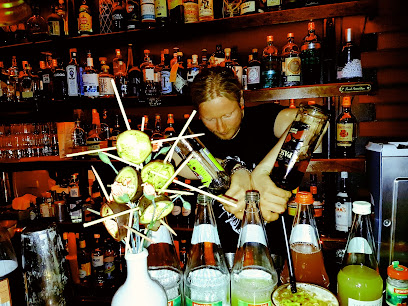
BEUYS Bar
8.4 km
Discover the elegance of BEUYS Bar, Düsseldorf's premier cocktail bar, offering a vibrant atmosphere and exquisite drinks for an unforgettable night.
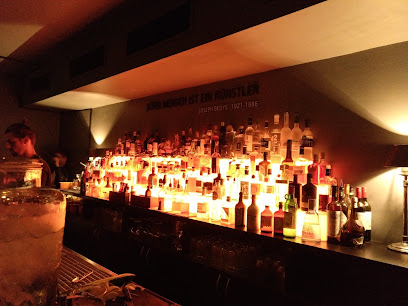
Holy Craft Beer Bar
8.4 km
Explore Düsseldorf's craft beer scene at Holy Craft Beer Bar, where unique flavors and a warm atmosphere await every visitor.
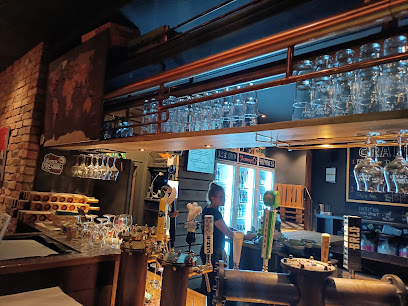
Cocktail Bar 112
8.5 km
Experience the vibrant nightlife of Düsseldorf at Cocktail Bar 112, where expertly crafted cocktails meet stunning riverside views in a modern setting.
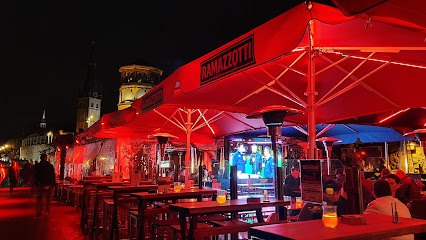
Cocktailkurse Düsseldorf
8.5 km
Discover the art of mixology at Cocktailkurse Düsseldorf, where every sip tells a story and every course is a celebration of flavors.
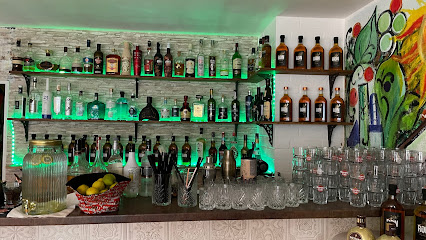
Bar Cherie - Düsseldorf
8.5 km
Discover Bar Cherie in Düsseldorf: A vibrant bar with exquisite drinks and an inviting atmosphere for an unforgettable night out.
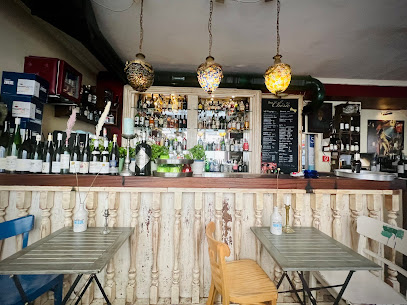
Nightclubs & after hour spots

Exit-Club
6.7 km
Dive into Düsseldorf's nightlife at Exit-Club, where the beats are infectious and the atmosphere is electric. A must-visit for nightlife lovers!
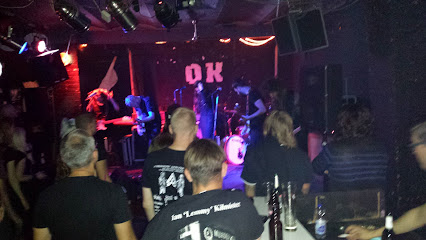
Rosenrot - Düsseldorf
8.3 km
Discover the lively atmosphere of Rosenrot in Düsseldorf, where vibrant music and a diverse crowd create an unforgettable nightlife experience.
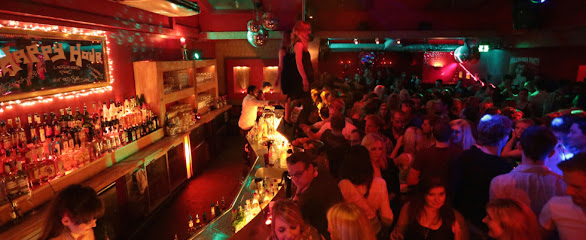
Salon des Amateurs
8.5 km
Discover the eclectic nightlife at Salon des Amateurs, Düsseldorf's artistic night club where music and culture collide in an unforgettable experience.
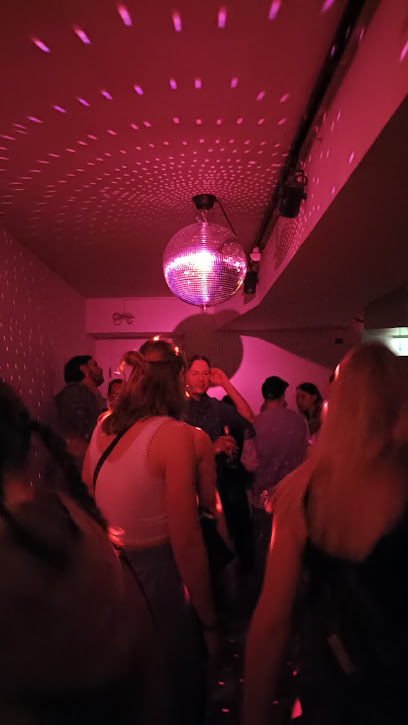
Oh Baby Anna
8.6 km
Dive into the electrifying nightlife of Düsseldorf at Oh Baby Anna, a premier night club renowned for its lively atmosphere and top-notch entertainment.
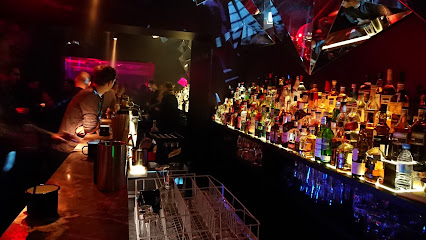
Anaconda Lounge
8.6 km
Experience the vibrant nightlife of Düsseldorf at Anaconda Lounge, where music, dance, and unforgettable moments come together.
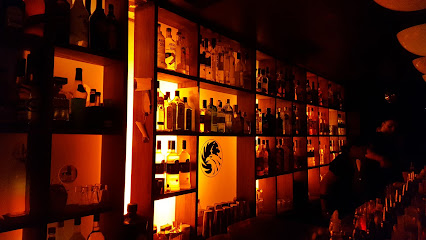
The Eight - Eventlocation & Club in Düsseldorf
8.6 km
Dive into Düsseldorf's nightlife at The Eight, where music, style, and unforgettable experiences await you!
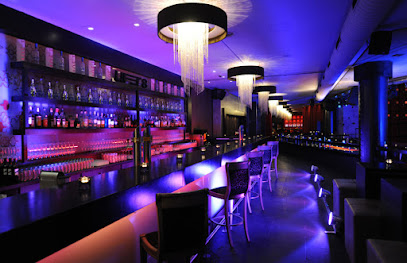
Chokolate City - Düsseldorf
8.6 km
Experience the electrifying nightlife at Chokolate City in Düsseldorf, where music, dance, and vibrant energy come together for an unforgettable evening.
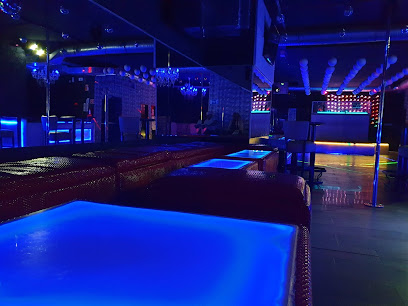
Cube
8.6 km
Discover Düsseldorf's nightlife at Cube, a vibrant night club with electrifying music, energetic dancing, and an unforgettable atmosphere.
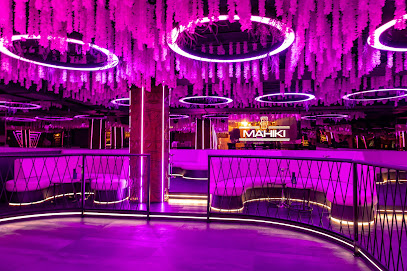
MAHIKI EXCLUSIVE NIGHTCLUB DÜSSELDORF
8.6 km
Discover the electrifying nightlife at Mahiki Exclusive Nightclub in Düsseldorf, where vibrant music and an energetic crowd create unforgettable experiences.
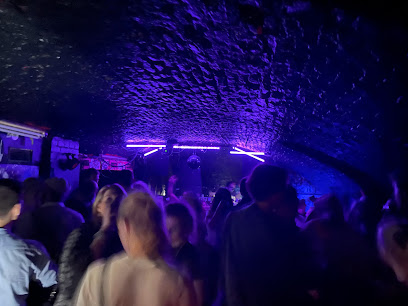
Rio Arriba
8.6 km
Experience the pulsating nightlife of Düsseldorf at Rio Arriba, where vibrant music and an energetic crowd create unforgettable memories.
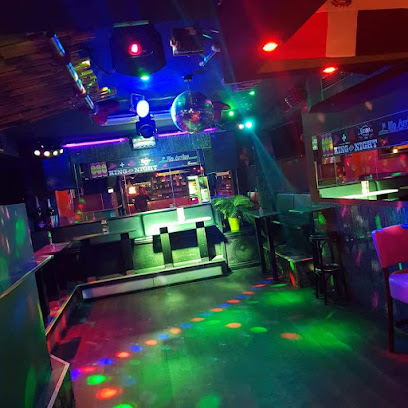
Smiley Club Dusseldorf
8.7 km
Discover the vibrant nightlife at Smiley Club Düsseldorf, where rhythm meets revelry in a truly electrifying atmosphere.
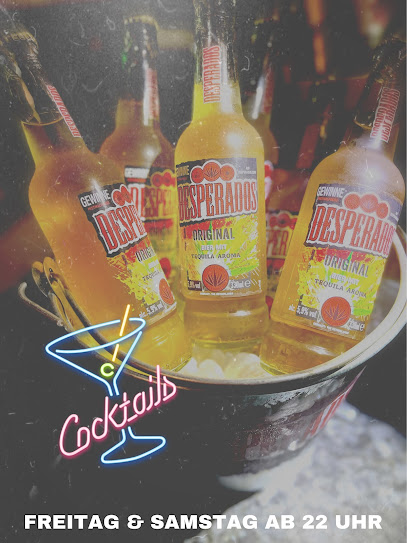
Knight Club
8.7 km
Unleash your night at Knight Club, Düsseldorf's premier nightlife destination with electrifying music and an unforgettable bar experience.
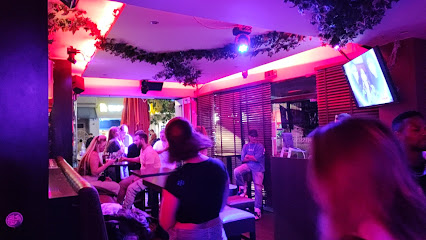
Oberbayern
8.7 km
Discover Oberbayern in Düsseldorf – a fusion of disco, bar, and pub that promises an unforgettable nightlife experience.
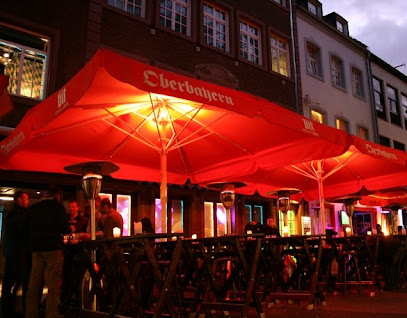
Lucy's Sky - Düsseldorf
8.7 km
Discover the pulse of Düsseldorf's nightlife at Lucy's Sky, where music, dance, and stunning views come together for an unforgettable experience.
Schickimicki Club
8.7 km
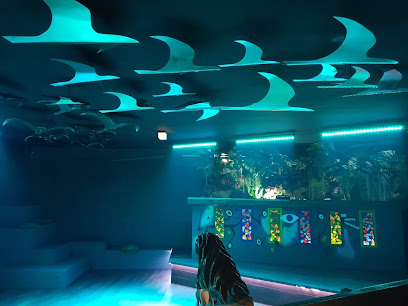
Dive into Düsseldorf's nightlife at Schickimicki Club, where great music, dancing, and an electric atmosphere await every night.