Burg Linn, Westphalia Travel Guide
Explore the captivating Burg Linn in Krefeld: a historic water castle with fascinating museums, scenic parklands, and vibrant cultural events, offering a journey through time.
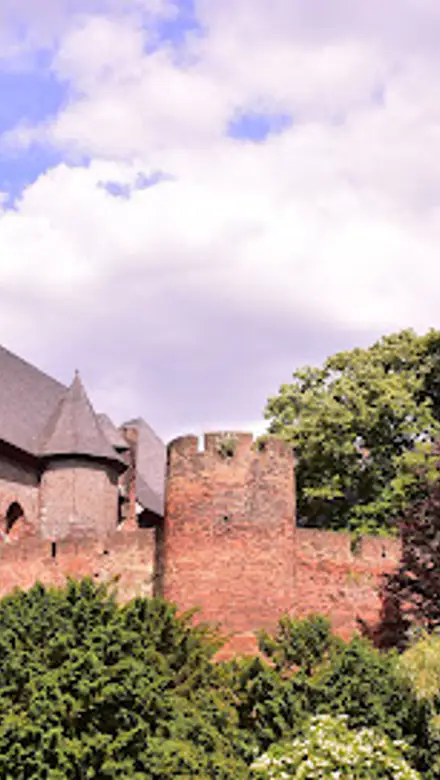
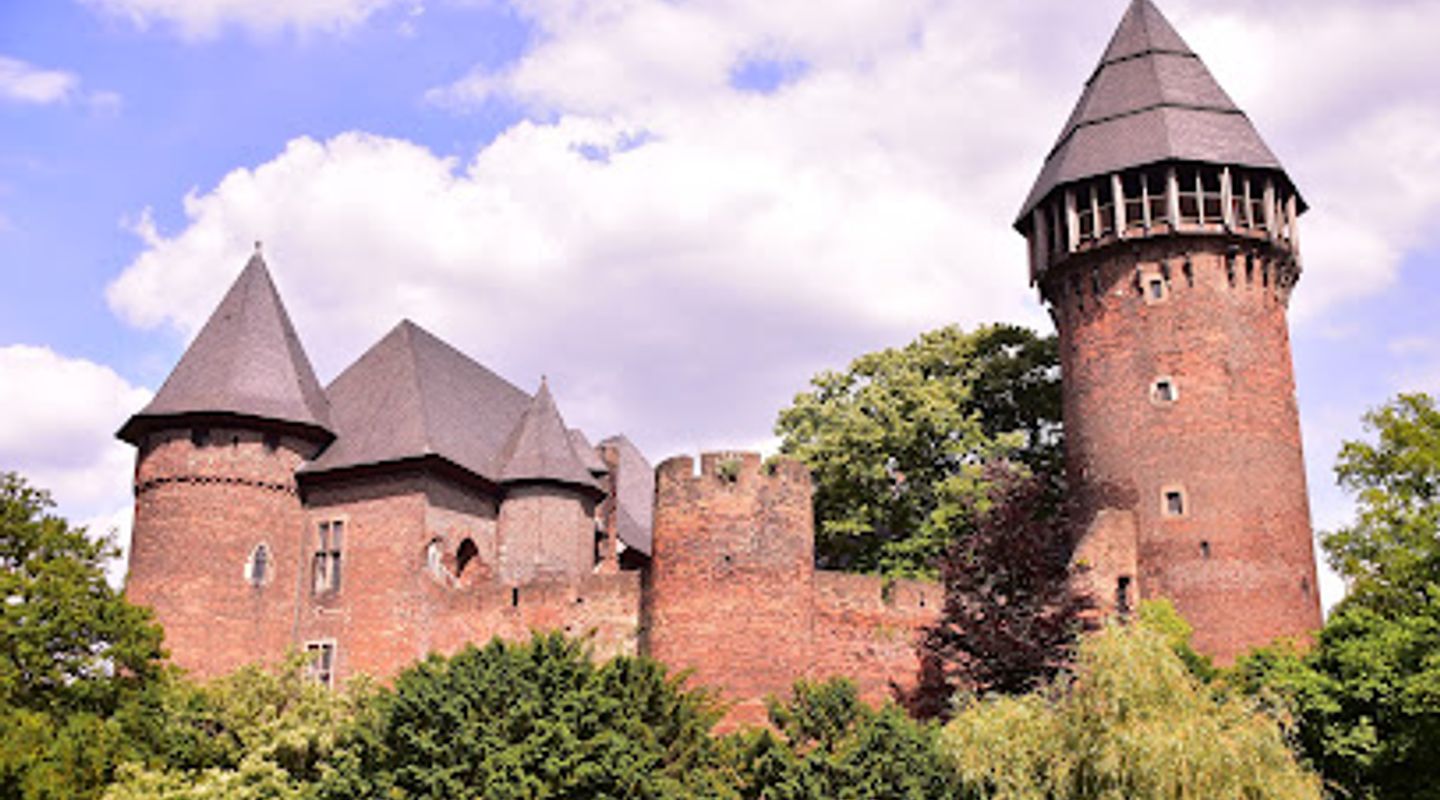
Step back in time at Burg Linn, Krefeld's captivating medieval castle. Dating back to the 12th century, this well-preserved Wasserburg (water castle) offers a fascinating glimpse into the region's rich history. Explore the castle's museum, wander through its scenic parklands, and discover archaeological treasures from the Roman and Frankish periods. Burg Linn hosts various events throughout the year, including the popular Flachsmarkt (Flax Market), a medieval crafts fair that draws visitors from far and wide. With its imposing architecture, intriguing exhibits, and vibrant atmosphere, Burg Linn promises an unforgettable experience for history buffs and families alike. Don't miss the Jagdschlösschen (hunting lodge) and the adjacent Lower Rhine Landscape Museum to complete your historical immersion. Whether you're captivated by ancient artifacts or simply seeking a picturesque escape, Burg Linn offers a delightful blend of education and recreation.
A brief summary to Burg Linn
- Krefeld, 47809, DE
- Click to display
- Tuesday 10 am-6 pm
- Wednesday 10 am-6 pm
- Thursday 10 am-6 pm
- Friday 10 am-6 pm
- Saturday 10 am-6 pm
- Sunday 10 am-6 pm

Know before you go
Hi, I'm Eve. Here are a few practical things to know before exploring Burg Linn.
- Visit during the annual Flachsmarkt (Flax Market) at Pentecost for a lively medieval crafts fair experience.
- Check the museum's event calendar for concerts, readings, and special demonstrations of the mechanical musical instruments.
- Allow ample time to explore not only the castle but also the Jagdschlösschen and the Archäologische Museum for a comprehensive historical experience.
- Enjoy a leisurely stroll through the castle's parklands, taking in the scenic views and the remnants of the 17th-century bastions.
- Combine your visit to Burg Linn with a trip to the nearby Deutsche Textilmuseum to delve into Krefeld's textile heritage.
Do you manage this location?
Take control to get all the benefits, like improved information, better appearance, and stronger visibility across AI-powered discovery. Learn more about listing your business on Evendo
Activate your presenceOther nearby places you may find interesting
The closest places of the same kind, if this one is not quite what you had in mind.
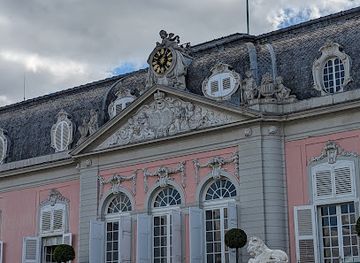
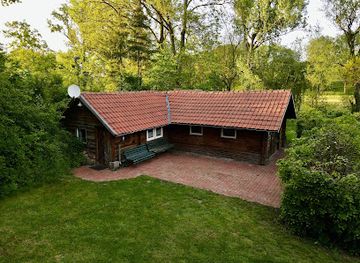
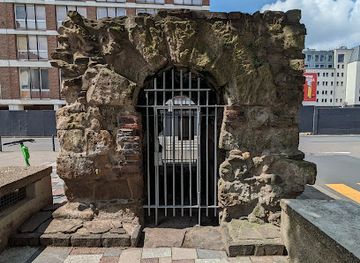
Explore Burg Linn on the Map
A handpicked selection of must-see spots near Burg Linn, mapped for you.
Getting There
-
Public Transport
From Krefeld Hauptbahnhof (main train station), take tram line 44 towards Krefeld-Linn. The journey takes approximately 15 minutes. Get off at the 'Burg Linn' stop, which is located a short walk from the castle entrance. A single ticket costs approximately €2.80.
-
Driving
From the A57 motorway, take exit 13 (Krefeld-Zentrum/Linn). Follow the signs towards Linn. In Linn, follow the signs to Burg Linn. Free parking is generally available along Rheinbabenstraße, but it can be limited during peak season and events. An alternative parking lot is located at the corner of Hafenstraße/Kreuzweg. Parking is prohibited in the old town center. During the Flachsmarkt, follow the signs to designated parking areas outside of Linn, with a short walk to the castle.
-
Taxi/Ride-Share
A taxi or ride-share from Krefeld Hauptbahnhof to Burg Linn typically costs between €15 and €20, depending on traffic and the provider.
Discover more about Burg Linn













Your all‑in‑one travel companion app
Explore expert travel guides, compare and book tours, experiences, hotels, and more—all from the palm of your hand. Download now for seamless trip planning wherever your wanderlust takes you.


Explore More of Westphalia
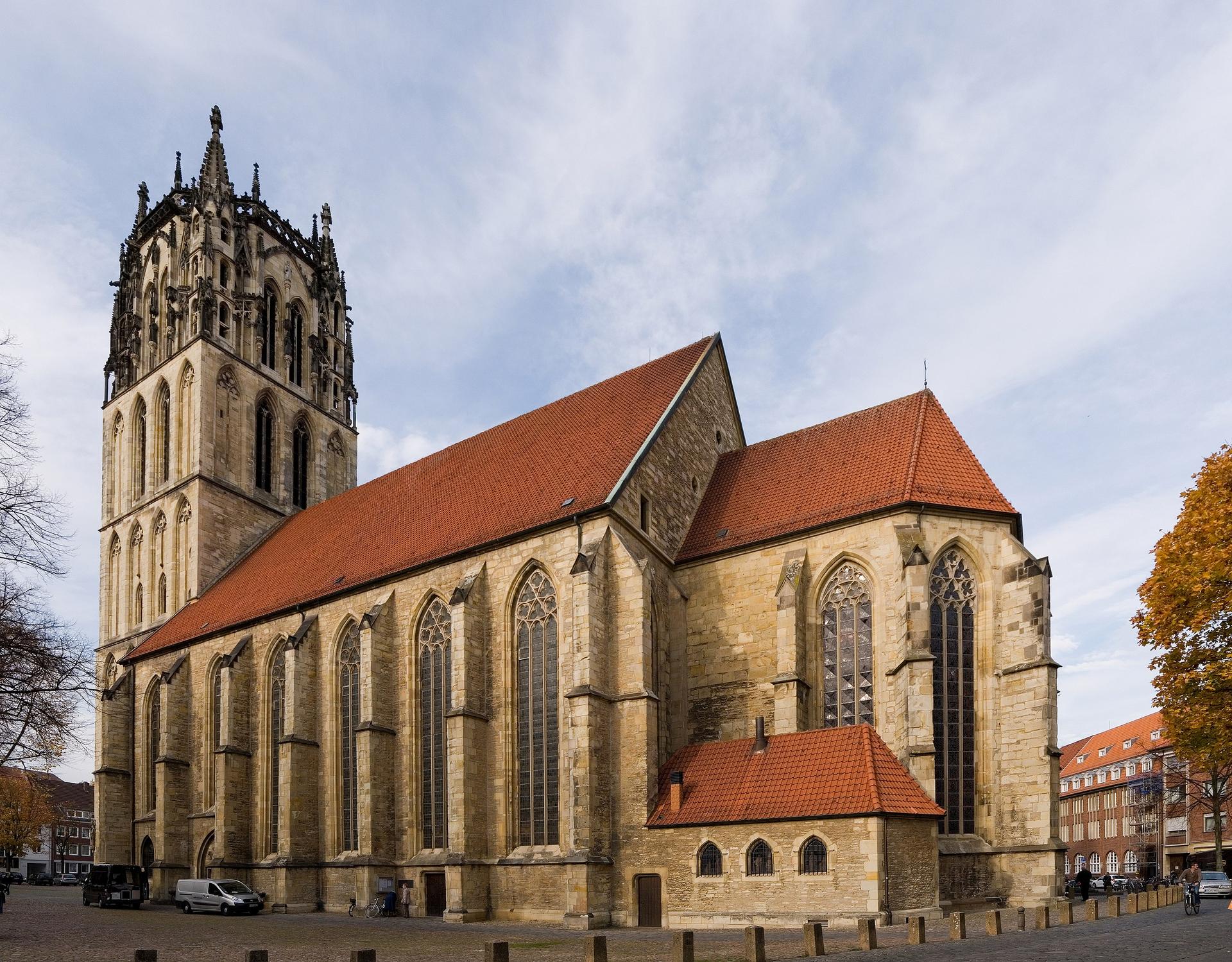
Looking beyond Burg Linn? Discover Westphalia for broader travel guides, local hot-spots, and regional highlights.
Explore Westphalia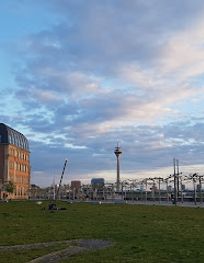
Discover the Johannes von Nepomuk Statue in Düsseldorf's Hofgarten: a powerful symbol of history, art, and resistance against oppression, honoring a saint and a local victim of Nazi violence.
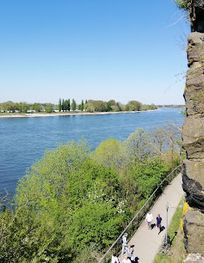
Discover the captivating history and beauty of Kaiserpfalz Kaiserswerth, a stunning landmark in Düsseldorf, perfect for history enthusiasts and nature lovers alike.