St. Nikolai Memorial: A Testament to Hamburg's Resilience
Explore the poignant ruins of St. Nikolai Memorial in Hamburg, a powerful reminder of wartime devastation and a symbol of the city's enduring resilience, offering panoramic views and historical insights.
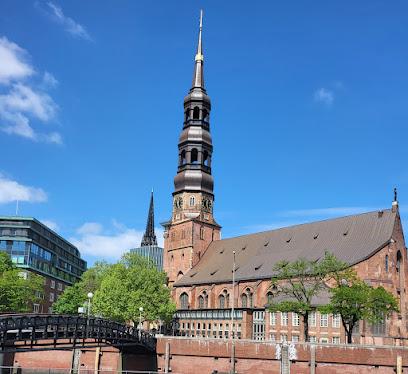
The St. Nikolai Memorial stands as a poignant reminder of Hamburg's wartime experience. What remains of the former main church of St. Nikolai, largely destroyed during the air raids of 1943's Operation Gomorrah, serves as a central memorial to the victims of war and tyranny. The skeletal ruins, dominated by the soaring, partially damaged spire, offer a powerful visual testament to the destruction wrought upon the city. Visitors can descend into the crypt to explore a museum detailing the church's history, the devastating impact of the air war, and Hamburg's culture of remembrance. Ascend the tower via a panoramic lift for breathtaking views juxtaposing the modern cityscape with historical photographs of the ravaged city. The carillon, installed in 1993, adds a layer of somber beauty, its melodies echoing through the site, creating a space for reflection and contemplation on the consequences of war and the enduring spirit of Hamburg.
A brief summary to St. Nikolai Memorial
- Willy-Brandt-Straße 60, Hamburg, Hamburg-Mitte, 20457, DE
- +4940371125
- Visit website
Local tips
- Visit the museum in the crypt for a comprehensive understanding of the church's history and the impact of WWII on Hamburg.
- Take the panoramic lift to the top of the spire for stunning views of Hamburg, contrasting the modern city with historical wartime photos.
- Attend the free carillon concert every Thursday at noon for a moving musical experience.
- Check the memorial's event calendar for lectures, exhibitions, and films related to the history of the war and its impact.
- Allow ample time for reflection in the memorial garden, a tranquil space for contemplation on the consequences of war.

Getting There
-
Public Transport
From Hamburg Hauptbahnhof (Central Station), take the U3 line to Rödingsmarkt station. From there, it's a short walk of approximately 5 minutes. Exit the station and walk southwest on Willy-Brandt-Straße. The St. Nikolai Memorial will be on your right. A single ticket for a short trip (Kurzstrecke) on the U-Bahn costs around €2.50. Alternatively, the S1, S2, or S3 S-Bahn lines stop at Stadthausbrücke, which is about a 7-minute walk to the memorial.
-
Walking
If you are already in the Altstadt (Old Town) area, the St. Nikolai Memorial is easily accessible by foot. From the Rathausmarkt (City Hall Square), walk east along Willy-Brandt-Straße for approximately 10-15 minutes. The tower will become visible in the distance, serving as a clear landmark. No costs are involved.
-
Taxi/Ride-Share
A taxi or ride-sharing service from Hamburg Hauptbahnhof to the St. Nikolai Memorial will take approximately 5-10 minutes, depending on traffic. The estimated fare is between €8 and €12. Simply provide the driver with the address: Willy-Brandt-Straße 60, 20457 Hamburg.
-
Driving
If driving, be aware that parking in the immediate vicinity of the St. Nikolai Memorial is limited. The nearest parking garages are Parkhaus Große Reichenstraße and Parkhaus Katharinenkirche. Expect to pay around €2-3 per hour, or €19 for a full day. Follow signs for 'Centrum' and then look for the blue 'P' (parking) signs. Be mindful of one-way streets in the area.
Discover more about St. Nikolai Memorial
Iconic landmarks you can’t miss

St. Nikolai Museum
0.0 km
Explore the ruins of St. Nikolai, a WWII memorial in Hamburg, offering panoramic city views, a poignant museum, and a carillon, fostering remembrance and reflection.
Trostbrücke
0.1 km
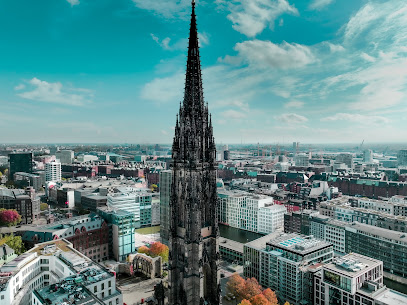
Cross the Trostbrücke in Hamburg, where history whispers from every stone, connecting you to the heart of the city's Hanseatic past and offering stunning views of the Nikolaifleet.
Mattentwiete 2
0.2 km
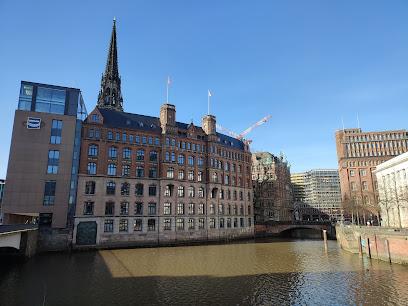
Discover Hamburg's maritime soul from Mattentwiete 2: Gateway to the UNESCO World Heritage Speicherstadt, a captivating blend of history, architecture, and culture.
Deichstraße
0.3 km
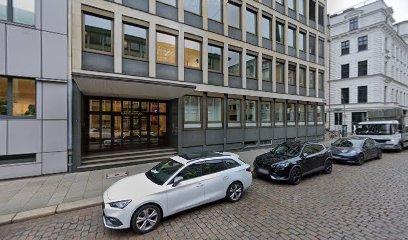
Discover Hamburg's oldest street, a picturesque lane of meticulously restored 17th-19th century houses along the Nikolaifleet, offering a glimpse into the city's Hanseatic past.
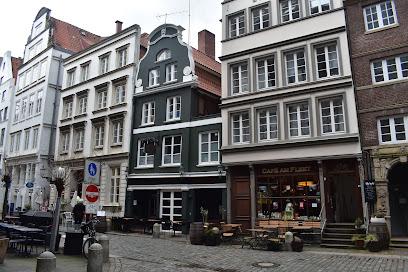
City of Hamburg Germany
0.3 km
Explore Hamburg, Germany's vibrant port city: Discover maritime history, modern architecture, and a thriving cultural scene in this captivating metropolis.
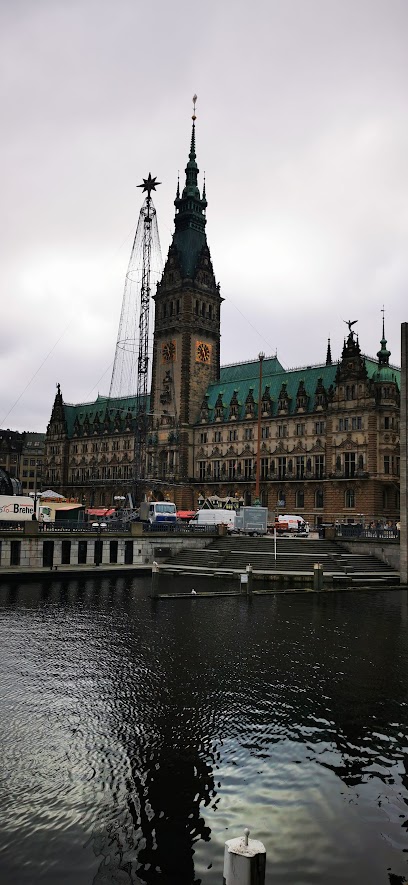
Kleines Dock
0.3 km
Discover Hamburg's maritime heart at Kleines Dock: historic Deichstraße, Hanseatic architecture, waterfront charm, and culinary delights await near the Speicherstadt.
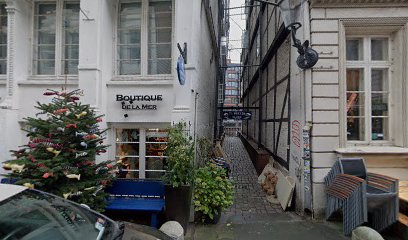
Hygieia Fountain
0.3 km
Discover the Hygieia Fountain in Hamburg's City Hall: a symbol of resilience and a tribute to the city's triumph over the cholera epidemic of 1892, embodying Hamburg's enduring spirit.
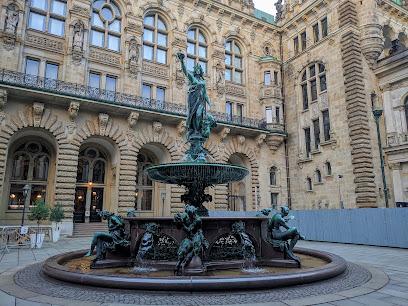
Brooksbrücke
0.3 km
Experience the historical charm and stunning views at Brooksbrücke, a must-visit bridge in Hamburg that connects culture and beauty.
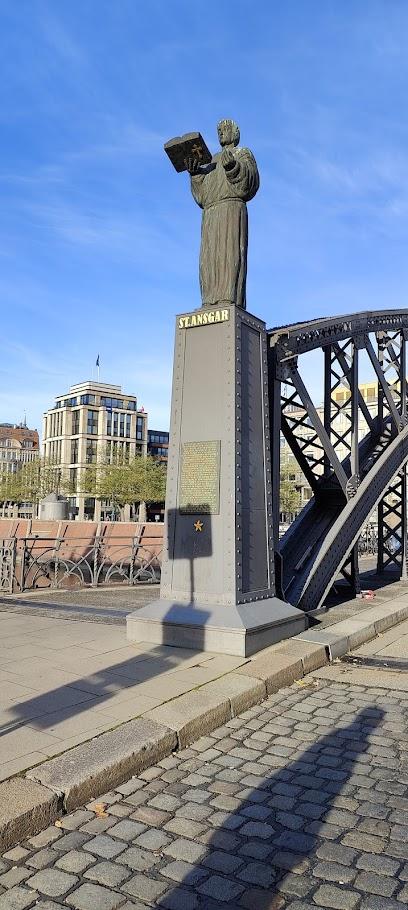
Hohe Brücke
0.3 km
Cross the historic Hohe Brücke in Hamburg's Old Town for stunning canal views and a glimpse into the city's rich maritime past, connecting you to the heart of Hamburg.
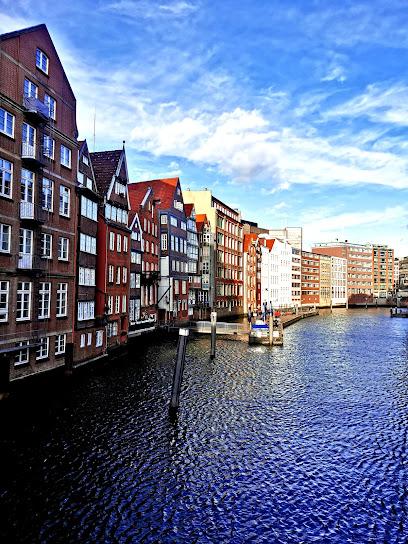
House of Seafaring
0.4 km
Explore Hamburg's maritime heritage at the House of Seafaring, a historical landmark showcasing the city's rich nautical past and stunning architecture in the heart of Hamburg-Mitte.
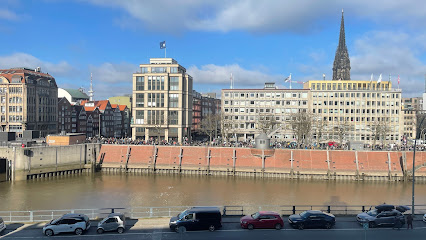
Kibbelstegbrücke
0.4 km
Cross the Kibbelstegbrücke in Hamburg's Speicherstadt for iconic views of historic warehouses and modern architecture, a perfect blend of past and future.
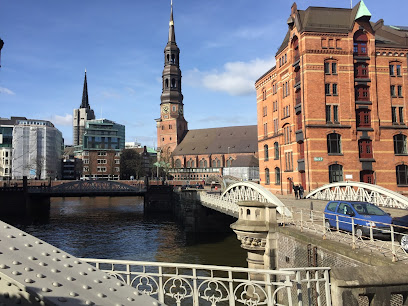
Hohe Brücke 2
0.4 km
Discover Hamburg's maritime history and architectural beauty at the Hohe Brücke, a picturesque bridge offering stunning views of the Nikolaifleet and the historic Deichstraße.
Heinrich Heine Monument
0.4 km
A poignant tribute to the celebrated German poet Heinrich Heine, commemorating his legacy of literary brilliance and his struggles against intolerance, located in the heart of Hamburg.
Rathausmarkt
0.4 km
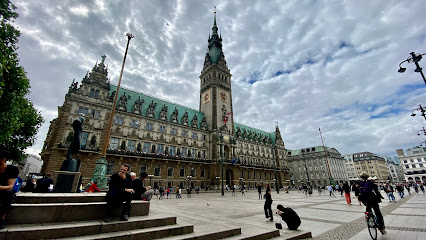
Discover the Rathausmarkt in Hamburg: a historic square, architectural marvel, and vibrant hub for events, culture, and Hanseatic charm in the heart of the city.
Brooksfleet
0.4 km
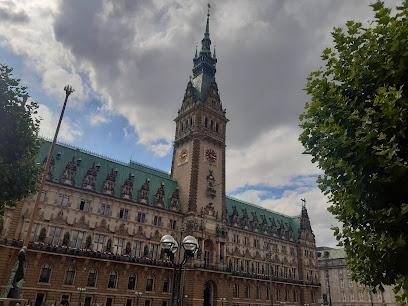
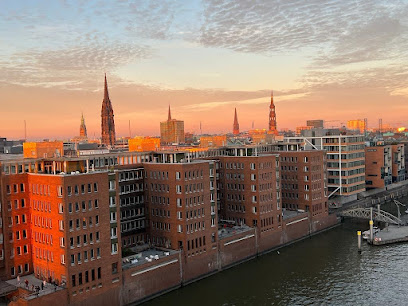
Discover the serene beauty of Brooksfleet, a picturesque canal in Hamburg's historic Speicherstadt, offering a tranquil escape and a glimpse into the city's maritime past.
Unmissable attractions to see

Hopfenmarkt
0.1 km
Experience the vibrant atmosphere of Hopfenmarkt, Hamburg's lively town square filled with history, culture, and local charm.

Mönkedamm channel
0.2 km
Discover the serene beauty of Mönkedamm Channel in Hamburg, a perfect blend of nature and tranquility in the heart of the city.
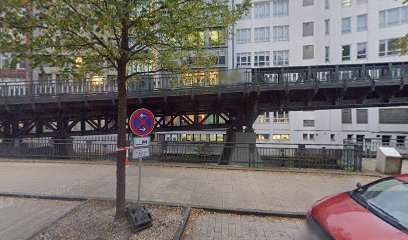
Börsentag Hamburg
0.3 km
Explore the fascinating world of finance at Börsentag Hamburg, an engaging exhibition center in the heart of one of Germany's vibrant cities.
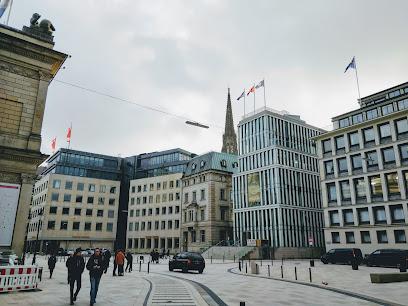
St. Catherine Church
0.3 km
Explore the stunning St. Catherine Church in Hamburg, a Gothic masterpiece offering rich history, breathtaking architecture, and a serene atmosphere.
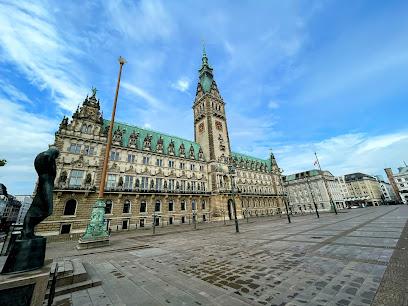
Hamburg Townhall
0.3 km
Explore Hamburg Townhall, a stunning historical landmark blending architectural beauty with rich history in the heart of Hamburg.
scuddy.tours
0.4 km
Discover Hamburg’s hidden gems and iconic sights with Scuddy Tours, your ultimate guide to unforgettable experiences in the city.
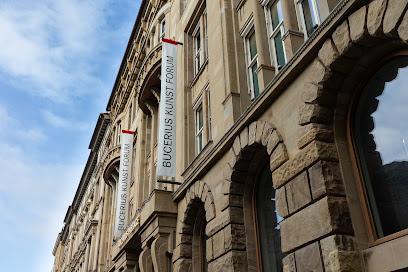
Bucerius Kunst Forum
0.4 km
Explore Bucerius Kunst Forum, an art museum in Hamburg showcasing diverse exhibitions, concerts, and cultural events in a stunning architectural setting.
Hamburg Dungeon
0.4 km
Explore Hamburg's dark past at the Hamburg Dungeon, where history comes alive through thrilling performances and immersive storytelling.
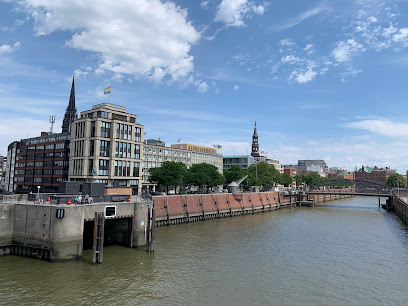
Miniatur Wunderland
0.4 km
Explore Miniatur Wunderland, the world's largest model railway in Hamburg, showcasing breathtaking landscapes and intricate designs for all ages.
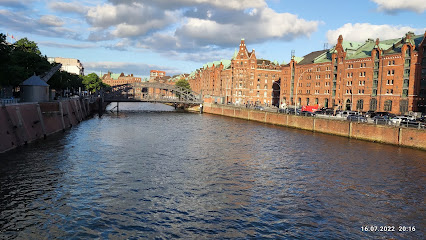
Bleichensteg
0.5 km
Explore the picturesque Bleichensteg in Hamburg, a tranquil oasis of beauty, history, and culture perfect for leisurely strolls and stunning photography.
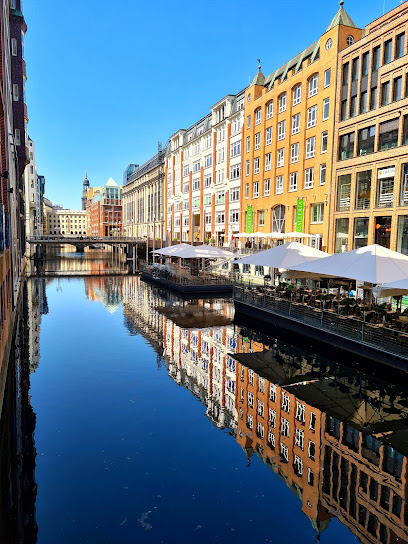
Speicherstadt
0.5 km
Experience the historic charm of Speicherstadt, Hamburg's captivating warehouse district filled with culture, canals, and architectural wonders.
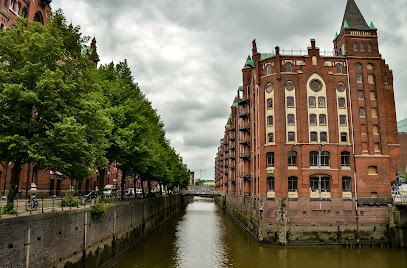
Genuss Speicher
0.5 km
Explore Genuss Speicher in Hamburg: a delightful blend of café, museum, and event space offering culinary delights and cultural experiences.
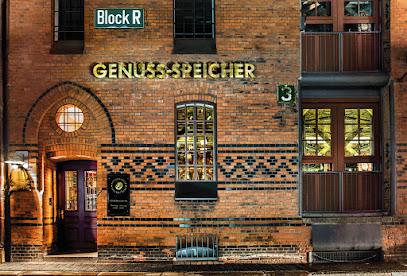
Spicy's Gewürzmuseum
0.5 km
Explore the world of spices at Spicy's Gewürzmuseum in Hamburg, where history, culture, and culinary delights come together in an aromatic adventure.

Speicherstadtmuseum
0.5 km
Explore Hamburg's Speicherstadtmuseum, a cultural gem showcasing the city's rich maritime history and architectural beauty in a UNESCO World Heritage site.
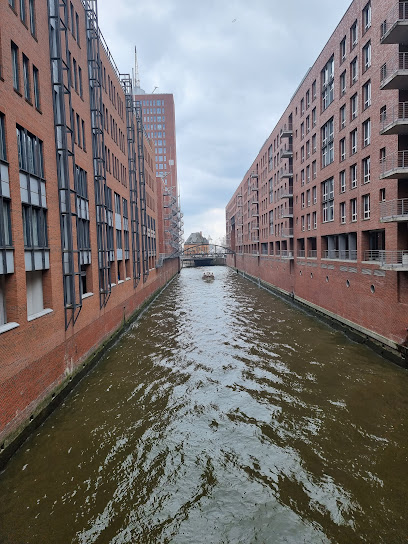
Magellan Terraces
0.5 km
Explore the scenic beauty and vibrant atmosphere of Magellan Terraces, a must-visit urban oasis in Hamburg that captures the city's charm.
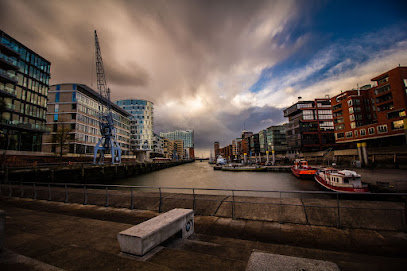
Essential places to dine

Restaurant Kartoffelkeller
0.2 km
Savor authentic German flavors at Restaurant Kartoffelkeller in Hamburg – a delightful culinary experience awaits!
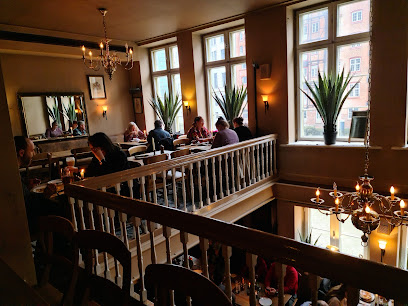
Deichgraf Restaurant
0.3 km
Experience exquisite dining at Deichgraf Restaurant in Hamburg—where fresh local ingredients meet culinary artistry.
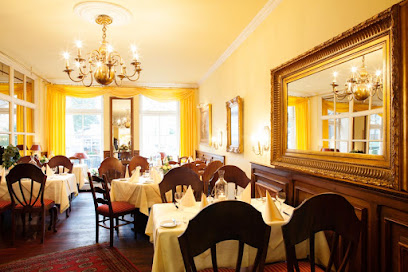
I Vigneri Osteria Enoteca
0.3 km
Experience authentic Marche cuisine at I Vigneri Osteria Enoteca in Hamburg, where exquisite dishes meet an extensive wine selection.
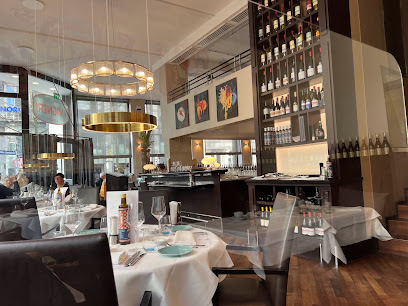
Restaurant Schoppenhauer
0.3 km
Savor the essence of Germany at Restaurant Schoppenhauer - where tradition meets taste in Hamburg.
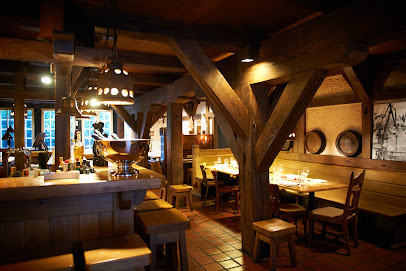
THE DINING RooM
0.3 km
Discover the exquisite flavors of American, French, and German cuisine at The Dining RooM in Hamburg - a fine dining experience like no other.
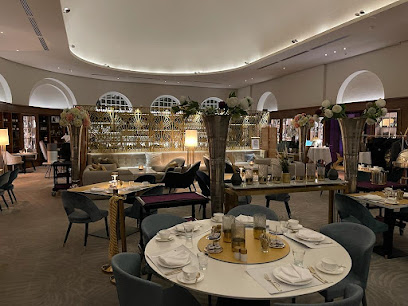
Le Plat du Jour
0.3 km
Discover authentic French cuisine at Le Plat du Jour in Hamburg – where every dish tells a story of culinary excellence.
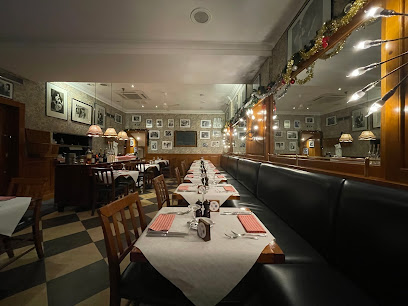
Restaurant Brook
0.3 km
Experience exquisite French and Mediterranean cuisine at Restaurant Brook in Hamburg – where every dish tells a story.
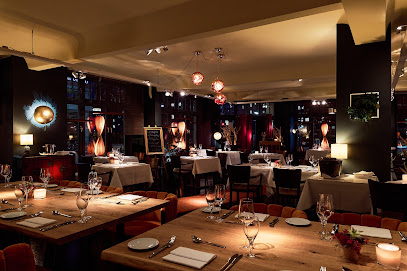
Restaurant Parlament Hamburg
0.3 km
Discover authentic German cuisine at Restaurant Parlament in Hamburg, where tradition meets modern dining in a historic setting.
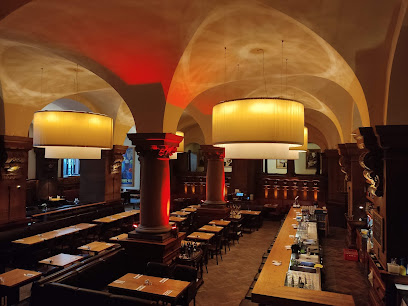
Kornhauskeller
0.4 km
Experience the best of Mediterranean and Middle Eastern cuisine at Kornhauskeller in Hamburg's vibrant bistro scene.
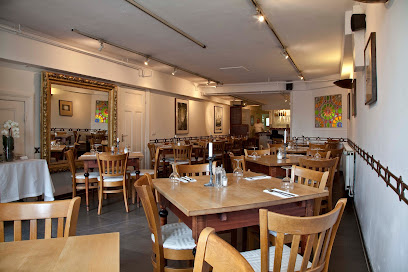
Restaurante Español Picasso
0.4 km
Experience authentic Spanish cuisine at Restaurante Español Picasso in Hamburg, where every dish tells a story from the Mediterranean.
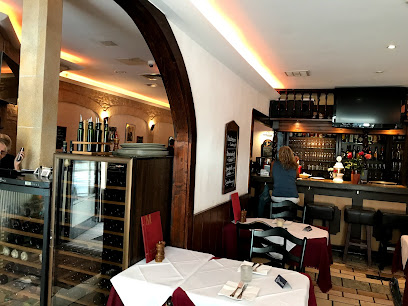
Restaurant Porticello
0.4 km
Experience authentic Italian cuisine in Hamburg at Restaurant Porticello - where every dish tells a story.
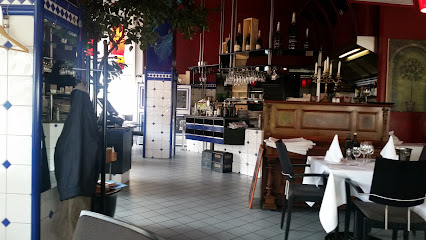
Restaurant Rialto
0.4 km
Experience the flavors of Hamburg at Restaurant Rialto - where tradition meets modern cuisine in a charming atmosphere.
Schönes Leben Speicherstadt
0.5 km
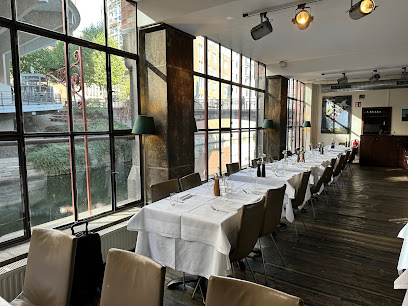
Savor authentic German flavors at Schönes Leben Speicherstadt in Hamburg's historic warehouse district.
chez l'ami TORTUE
0.5 km
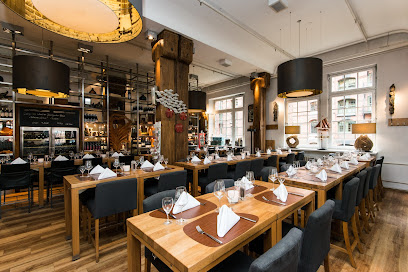
Experience exquisite French cuisine at Chez l'ami TORTUE in Hamburg – where culinary tradition meets modern elegance.
Wloka‘s
0.5 km
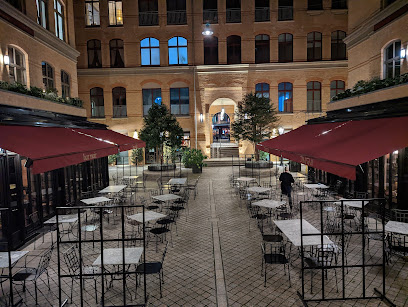
Savor authentic German Hausmannskost at Wloka's in Hamburg-Mitte - A must-visit for food lovers seeking traditional flavors.
Markets, malls and hidden boutiques

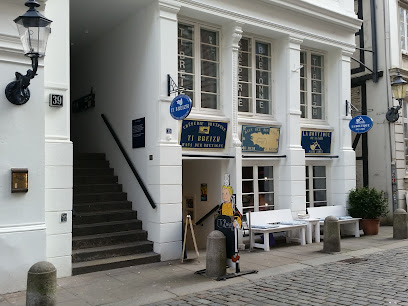
Boutique de la Mer -Ti Breizh
0.3 km
Explore unique fashion at Boutique de la Mer - Ti Breizh in Hamburg-Mitte, a stylish destination for clothing lovers and travelers alike.
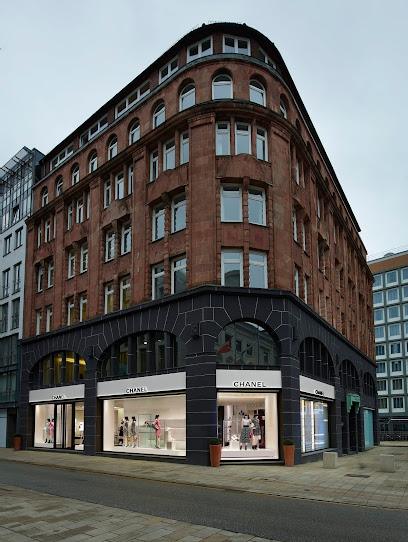
CHANEL BOUTIQUE HAMBURG
0.4 km
Explore the luxury and elegance of CHANEL Boutique Hamburg, where timeless fashion meets exquisite craftsmanship in a stunning shopping experience.
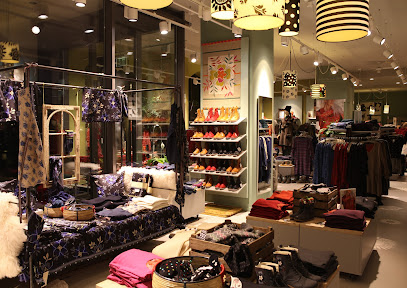
Gudrun Sjödén - concept store Hamburg
0.4 km
Explore Gudrun Sjödén's concept store in Hamburg for vibrant women's fashion, unique accessories, and a touch of sustainable style.
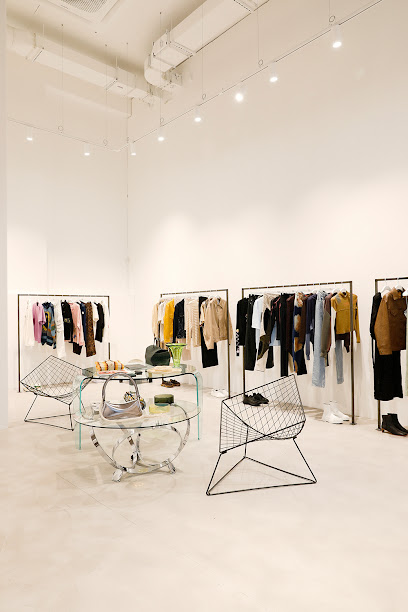
wasted hour - concept store
0.4 km
Explore Wasted Hour in Hamburg - a concept store that redefines fashion with unique designs and an inspiring atmosphere.
Montblanc Boutique Hamburg - Neuer Wall
0.4 km
Experience the epitome of luxury at Montblanc Boutique Hamburg, offering exquisite jewelry, leather goods, and fine stationery in a sophisticated setting.
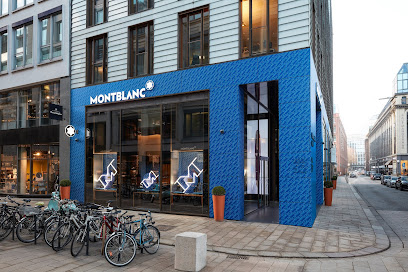
La plus belles rue
0.5 km
Explore Neuer Wall, Hamburg's luxurious shopping street, where high-end brands meet local craftsmanship in a picturesque setting.
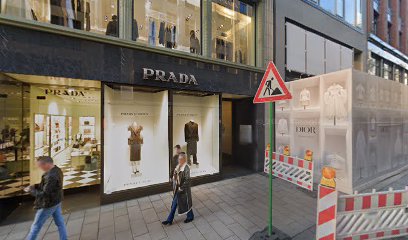
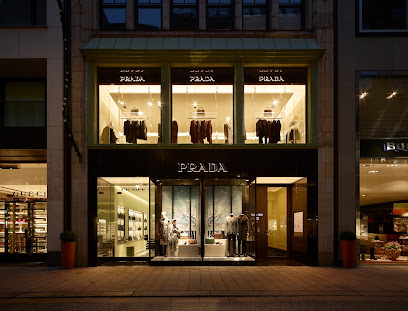
PRADA Hamburg Neuer Wall Store
0.5 km
Explore the elegance of PRADA at Neuer Wall in Hamburg, where luxury fashion meets sophisticated style in a stunning retail environment.
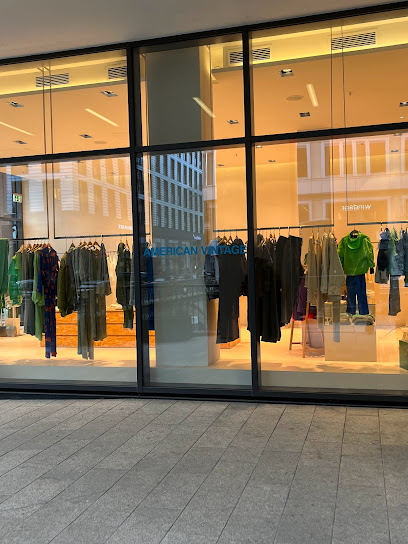
American Vintage
0.5 km
Explore the latest trends and unique styles at American Vintage, a chic clothing store in the heart of Hamburg, perfect for all fashion enthusiasts.
Speicher & Consorten
0.5 km
Discover unique gifts and local delicacies at Speicher & Consorten, a charming shop in Hamburg's historic Speicherstadt.
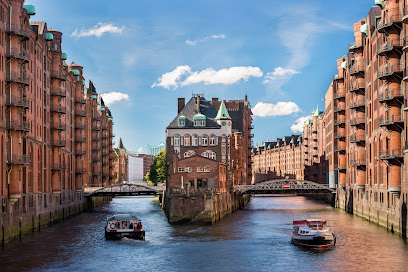
Europa Passage
0.6 km
Discover the vibrant shopping experience at Europa Passage in Hamburg, featuring over 120 stores and a variety of dining options.
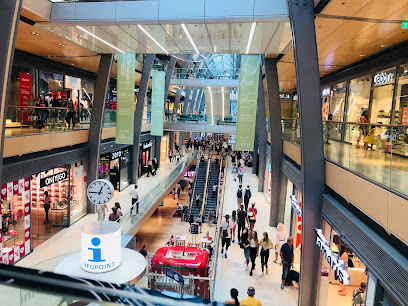
Elbenwald
0.6 km
Experience the magic of Elbenwald, Hamburg's ultimate destination for fantasy gifts, clothing, and collectibles for every fan.
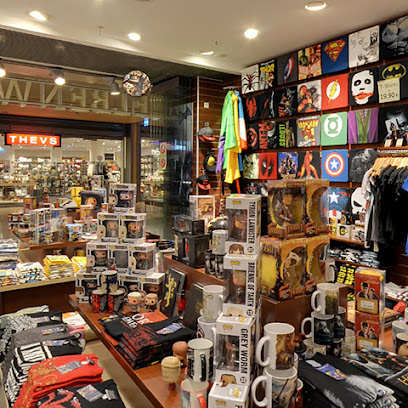
GALLERIA
0.6 km
Discover Galleria Hamburg: A luxurious shopping mall blending high-end fashion, delicious dining, and an elegant atmosphere in the heart of the city.
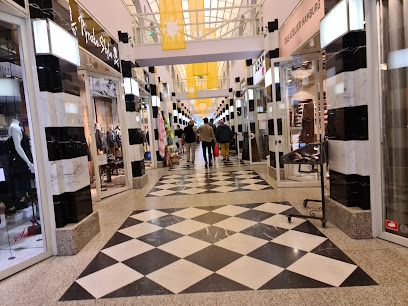
C'N'C
0.6 km
Explore the latest fashion trends at C'N'C, Hamburg's chic clothing store on the stunning Jungfernstieg promenade.
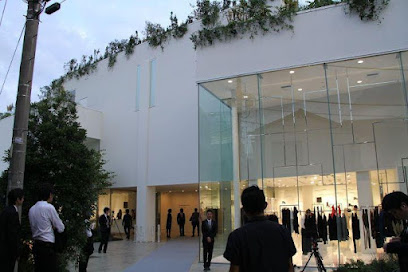
GALERIA Hamburg Mönckebergstraße
0.6 km
Discover the heart of shopping in Hamburg at GALERIA Hamburg Mönckebergstraße, where retail therapy meets vibrant city life.
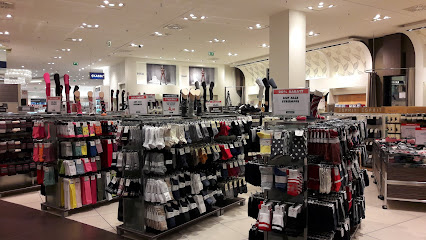
Alsterhaus
0.6 km
Discover the essence of luxury shopping at Alsterhaus, Hamburg's premier department store, offering fashion, fragrances, and fine dining experiences.
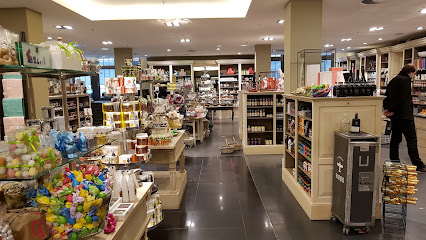
Essential bars & hidden hideouts

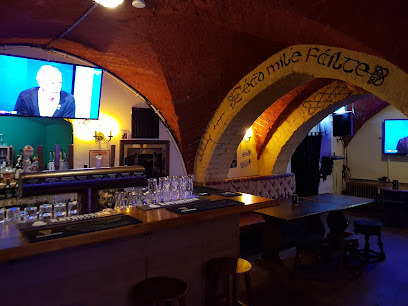
Irish Pub in the Fleetenkieker
0.2 km
Immerse yourself in the lively spirit of the Irish Pub in the Fleetenkieker, Hamburg, where great food, drinks, and live music await.
The Bohemian - Bar
0.3 km
Discover The Bohemian, Hamburg's premier cocktail bar, known for its signature drinks and vibrant nightlife in the heart of the city.
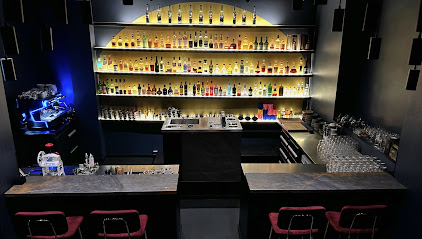
Ba Nomu | Bar
0.3 km
Discover Ba Nomu, Hamburg's cocktail haven, where creativity meets taste in a vibrant, stylish atmosphere perfect for unforgettable nights.
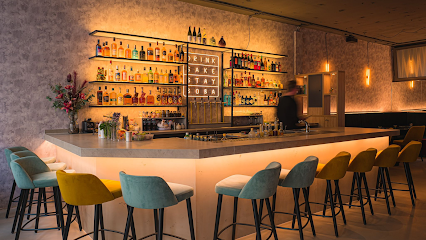
Paddy's Bar
0.3 km
Discover the vibrant atmosphere of Paddy's Bar, Hamburg's favorite Irish pub, offering hearty meals, a wide drink selection, and live music.
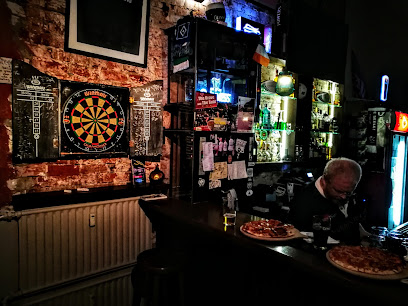
Whiskyplaza & Altstadt Restaurant am Fleet
0.3 km
Discover Hamburg's Whiskyplaza & Altstadt Restaurant, a culinary haven where fine dining meets an exquisite cocktail experience in a historic setting.
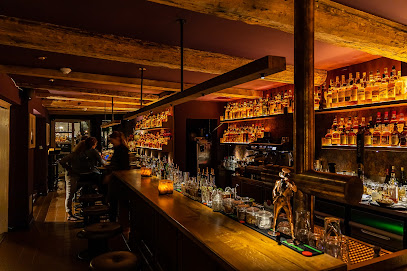
Le Lion • Bar de Paris
0.4 km
Discover the luxury of Le Lion • Bar de Paris, Hamburg's premier destination for exquisite cocktails and elegant ambiance.
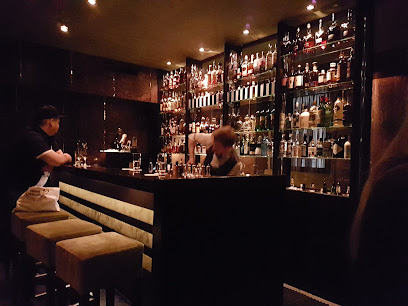
Gugu Bar
0.4 km
Experience the vibrant nightlife of Hamburg at Gugu Bar, where eclectic decor meets an extensive drink menu in a lively atmosphere.
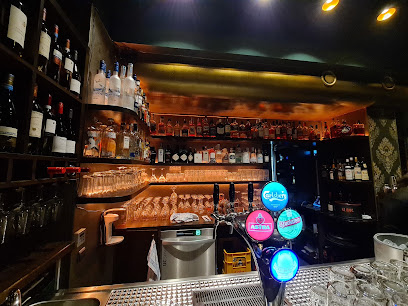
Three Fingers Bar
0.6 km
Experience the vibrant nightlife of Hamburg at Three Fingers Bar, where stunning waterfront views meet expertly crafted cocktails.
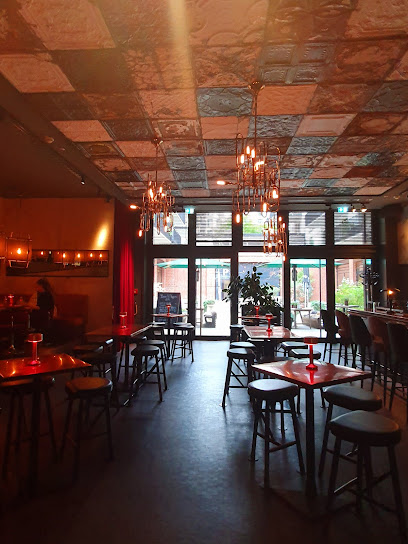
MOON 46
0.6 km
Discover the lively ambiance and exquisite cocktail selection at MOON 46, a must-visit bar in Hamburg's vibrant nightlife scene.
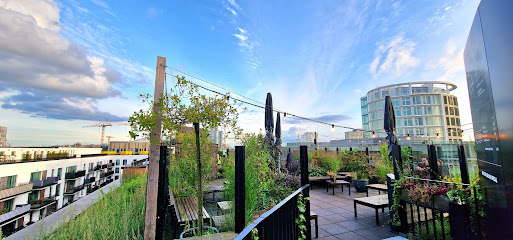
Club 20457
0.7 km
Experience Hamburg's vibrant nightlife at Club 20457, where art meets music in a lively bar setting.
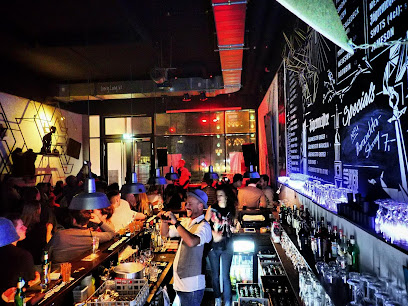
Liquid Garden - Cocktailbar
0.7 km
Discover Liquid Garden, Hamburg's vibrant cocktail bar where creativity and flavor blend for unforgettable nights and unique drinks.
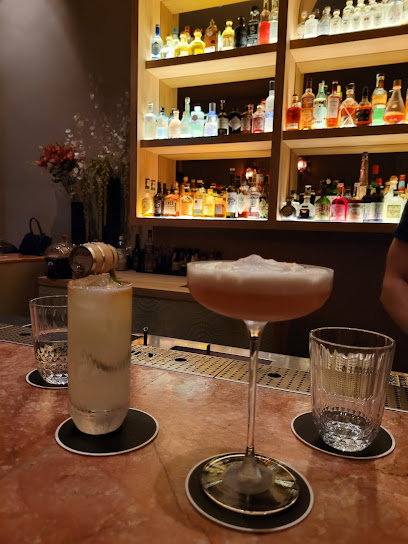
The Boilerman Bar Hafenamt
0.8 km
Discover an extraordinary cocktail experience at The Boilerman Bar Hafenamt, where quality meets creativity in the heart of Hamburg.
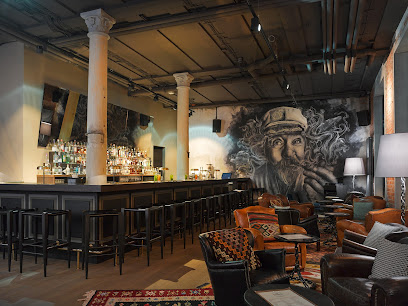
BLICK Bar Elbphilharmonie
0.8 km
Discover Hamburg's stunning skyline while enjoying exquisite cocktails at BLICK Bar Elbphilharmonie, a must-visit gem in the city's nightlife.
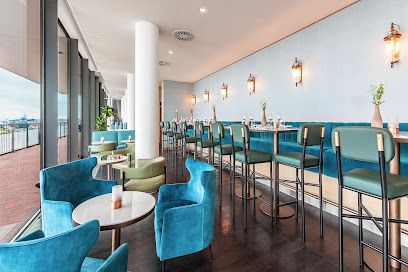
Kumpin
0.8 km
Discover Kumpin, Hamburg's chic bar offering a vibrant atmosphere, exquisite drinks, and a perfect spot to unwind after a day of exploring the city.
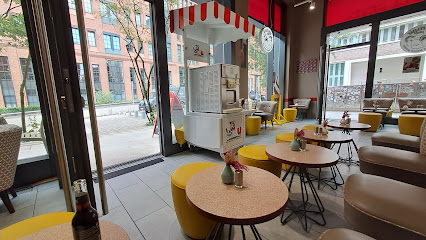
Meyer Lansky's
0.9 km
Discover the energetic spirit of Hamburg at Meyer Lansky's, where exquisite cocktails meet a lively atmosphere for an unforgettable night out.
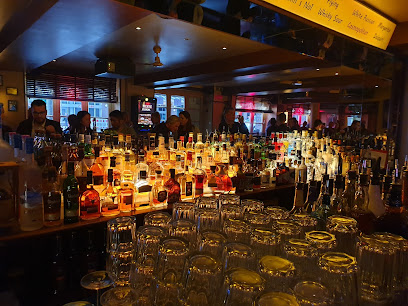
Nightclubs & after hour spots

Chilli Club
0.5 km
Experience the vibrant flavors of Asia at Chilli Club, Hamburg's premier destination for sushi and authentic Asian cuisine.
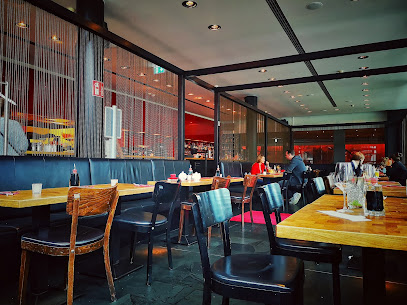
Cotton Club
0.7 km
Discover the soulful sounds of live jazz at the Cotton Club, Hamburg's premier jazz venue for an unforgettable night out.
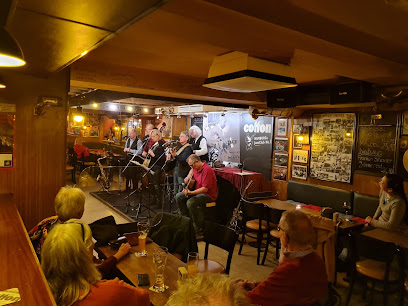
Die Insel Hamburg
0.9 km
Die Insel Hamburg: A premier night club offering an electrifying nightlife experience in the heart of the city, perfect for dancing and socializing.
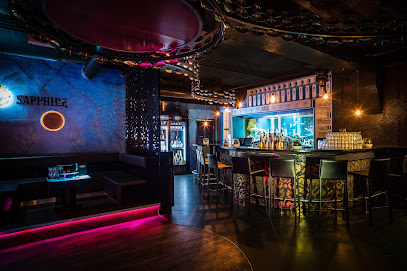
Golden Cut - Hamburg
1.3 km
Experience the electrifying nightlife at Golden Cut, Hamburg's premier night club, where music and energy collide for an unforgettable evening.
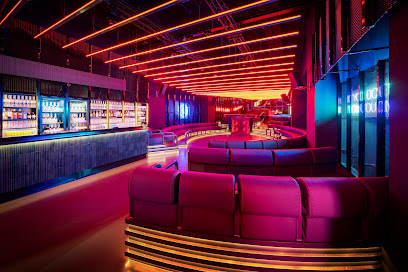
The Room Bar & Club
1.6 km
Experience the vibrant nightlife at The Room Bar & Club in Hamburg, where music, dancing, and cocktails come together for an unforgettable evening.
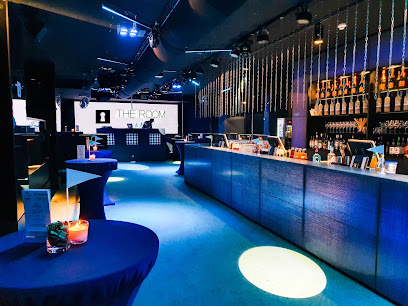
Baalsaal - Hamburg
1.7 km
Experience the heart of Hamburg's nightlife at Baalsaal, a vibrant night club on Reeperbahn with an electric atmosphere and unforgettable parties.
Terrace Hill
1.7 km
Discover the heart of Hamburg's nightlife at Terrace Hill, where unforgettable dance experiences and electric music await every night.
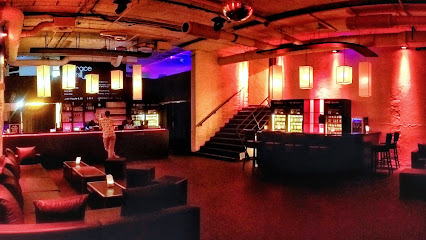
Relax Nightclub - Nachtclub - Bordell Hamburg
1.7 km
Experience the vibrant nightlife at Relax Nightclub, Hamburg's premier destination for adult entertainment and unforgettable nights out.
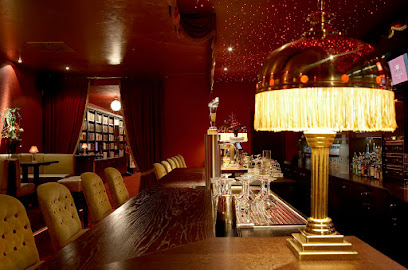
Summer Salon in the clubhouse
1.8 km
Experience the pulsating nightlife of Hamburg at Summer Salon, where live music, cocktails, and a vibrant beer garden await you.
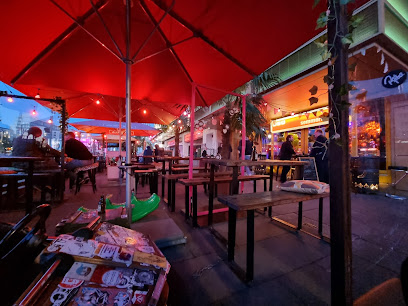
GAGA
1.8 km
Discover the pulsating energy of GAGA, Hamburg's premier night club, where dining meets vibrant nightlife and live music ignites the dance floor.
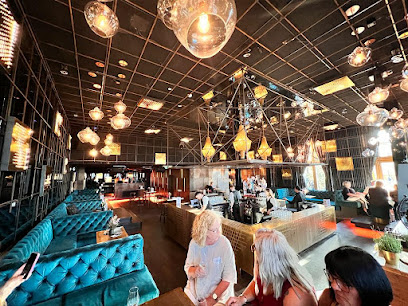
Cave Club & Lounge
1.8 km
Experience the electrifying atmosphere of Cave Club & Lounge, a premier disco in Hamburg's iconic Reeperbahn, where unforgettable nights await.
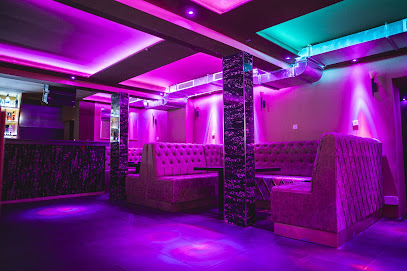
Angie's
1.8 km
Experience the vibrant nightlife at Angie's, Hamburg's premier live music venue and night club, where every night promises unforgettable entertainment.
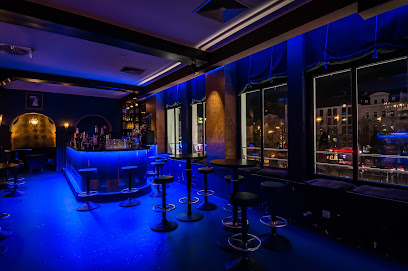
GeizClub
1.8 km
Experience Hamburg's nightlife at GeizClub, a premier nightclub known for its vibrant ambiance, diverse music, and unforgettable nights out.
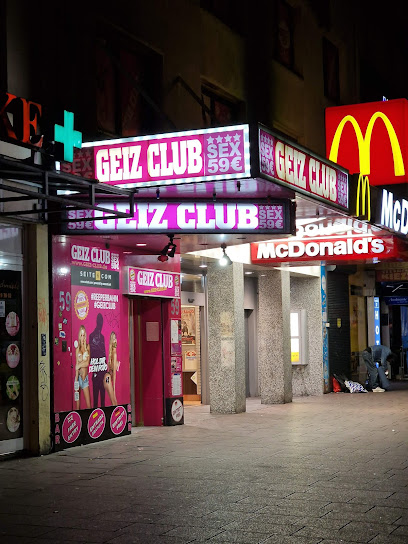
Volt
1.8 km
Discover the electrifying atmosphere of Volt, Hamburg's premier night club, known for its vibrant techno parties and unforgettable nightlife experience.
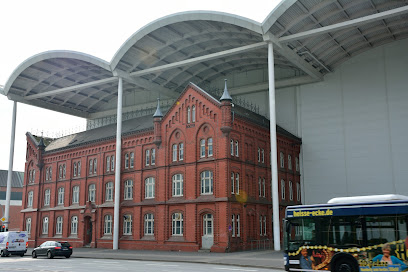
Inside 80s Club - Hamburg
1.9 km
Experience the pulsating energy of the 80s at Inside 80s Club in Hamburg, where unforgettable nights of dancing and nostalgia await.