

Georgengarten, Hannover Travel Guide
Discover Hanover's green heart: Georgengarten, a historic English landscape garden offering tranquility, recreation, and cultural gems for an unforgettable experience.
Escape the urban bustle in Hanover's Georgengarten, a sprawling English-style landscape garden offering a tranquil retreat for locals and tourists alike. Named after George IV of Hannover and England, this 50-hectare park boasts a rich history dating back to the early 18th century. Stroll along winding paths, admire the serene ponds and rare trees, and discover hidden gems like the Leibniz Temple and the Wilhelm Busch Museum. Whether you're seeking a peaceful picnic spot, a place for recreation, or a dose of culture, Georgengarten provides a refreshing oasis in the heart of the city. Its accessibility, combined with its natural beauty and historical significance, makes it a must-visit destination for anyone exploring Hanover.
A brief summary to Georgengarten
- Jägerstraße, Hanover, Hannover-Nordstadt, 30167, DE
- Click to display
- Click to display

Know before you go
Hi, I'm Eve. Here are a few practical things to know before exploring Georgengarten.
- Pack a picnic and enjoy a relaxing afternoon by the pond, soaking in the serene atmosphere of the park.
- Visit the Wilhelm Busch Museum to explore the world of caricature and critical graphic arts.
- Stroll along the Herrenhäuser Allee, a historic avenue of lime trees connecting Georgengarten with the city center.
- Check the event calendar for open-air concerts, festivals, and other activities taking place in the park.
- Bring your camera to capture the picturesque scenery, from the serene ponds to the elegant Leibniz Temple.
Do you manage this location?
Take control to get all the benefits, like improved information, better appearance, and stronger visibility across AI-powered discovery. Learn more about listing your business on Evendo
Activate your presenceOther nearby places you may find interesting
The closest places of the same kind, if this one is not quite what you had in mind.



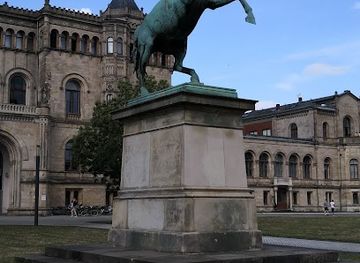
Explore Georgengarten on the Map
A handpicked selection of must-see spots near Georgengarten, mapped for you.
Unlock the Best of Georgengarten
Buy tickets
-
No tickets available
Book tours with entry
-
No tours available
Book tours without entry

Getting There
-
Public Transport
From Hannover Hauptbahnhof (Central Station), take the Stadtbahn (light rail) lines 4 or 5 towards Garbsen or Stöcken. Get off at the 'Herrenhäuser Gärten' stop. The journey takes approximately 15 minutes. From the station, Georgengarten is a short walk away. A 'Kurzstreckenticket' (short-distance ticket) costs €1.70.
-
Walking
From Kröpcke, a central square and transport hub in Hannover, walk northwest along the Herrenhäuser Allee. This scenic, tree-lined avenue leads directly to Georgengarten. The walk is approximately 2 kilometers (1.2 miles) and takes around 25-30 minutes.
-
Taxi/Ride-Share
A taxi or ride-share from Hannover Hauptbahnhof to Georgengarten will take approximately 10-15 minutes, depending on traffic. The estimated fare is between €15-€20. Ask the driver to take you to the Georgenpalais (Wilhelm Busch Museum) for a convenient drop-off point.
-
Driving
If driving, use Herrenhäuser Straße 3c, 30419 Hannover as the GPS address for the visitor car park Georgengarten / Großer Garten. Parking costs €3 per started four hours, with a maximum daily fee of €12. Be aware that the Herrenhausen Gardens are located within the environmental zone of Hanover, so your car may need a green sticker. Alternatively, you can use the parking lots at the Nienburger Straße or at the Jägerstraße. In case you park at the Jägerstraße, you have a short walk through the Georgengarten.
Discover more about Georgengarten













Your all‑in‑one travel companion app
Explore expert travel guides, compare and book tours, experiences, hotels, and more—all from the palm of your hand. Download now for seamless trip planning wherever your wanderlust takes you.


Explore More of Hannover
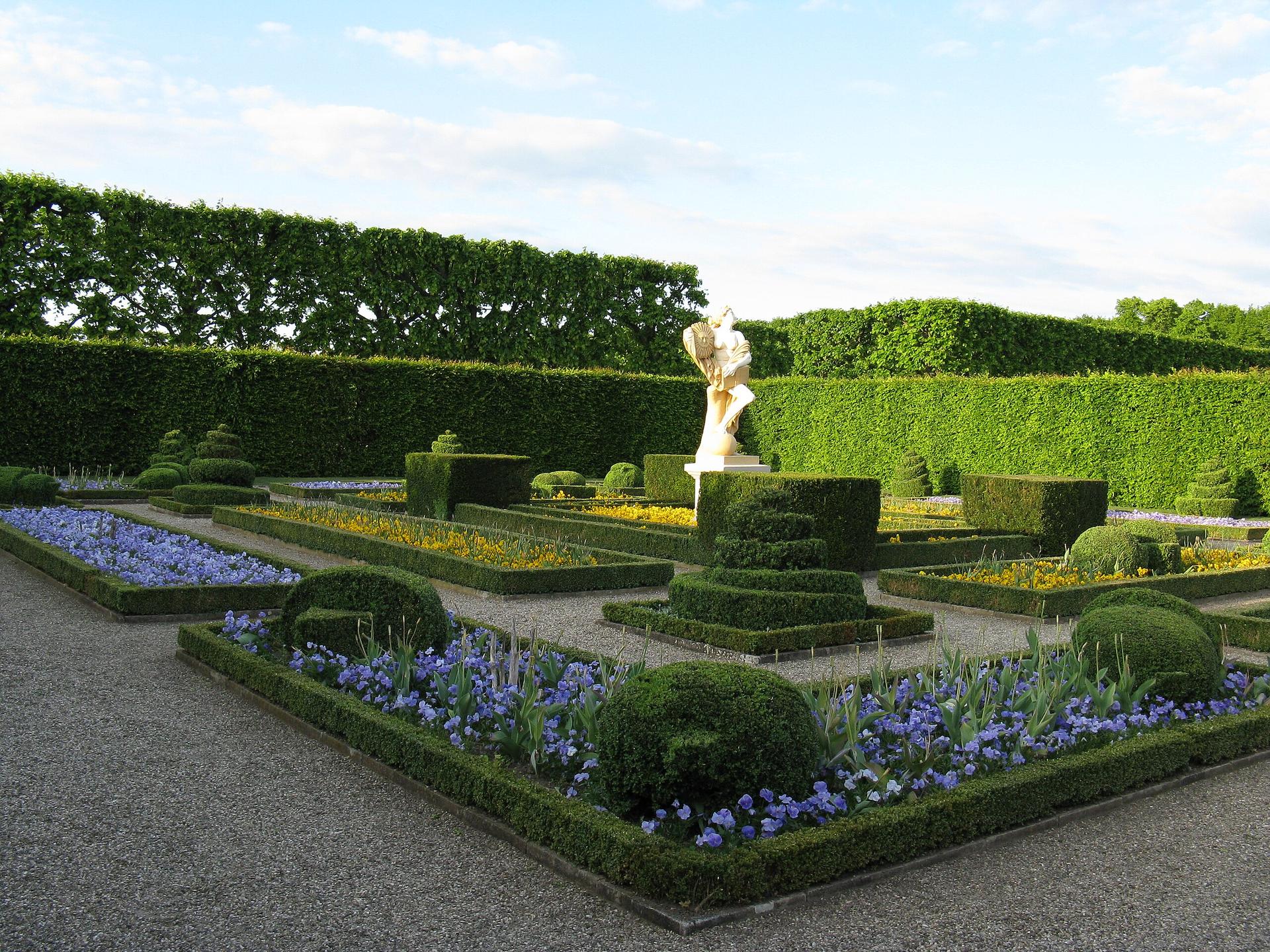
Looking beyond Georgengarten? Discover Hannover for broader travel guides, local hot-spots, and regional highlights.
Explore Hannover
Experience the refreshing charm of the HAZ-Brunnen in Hannover, a modern fountain offering a playful respite in the heart of the city, perfect for relaxation and enjoyment.
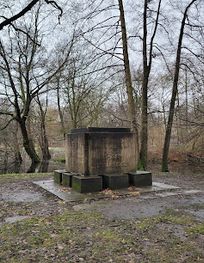
A poignant tribute to the fallen soldiers of World War I in a serene Hanover park, offering a space for reflection and remembrance amidst the city's vibrant Nordstadt district.
