

Nordstadt (Hannover) Travel Guide - Free
Explore Nordstadt in Hannover with Evendo's free guide. Find the best shops, historic streets, restaurants, and gems on web or mobile.


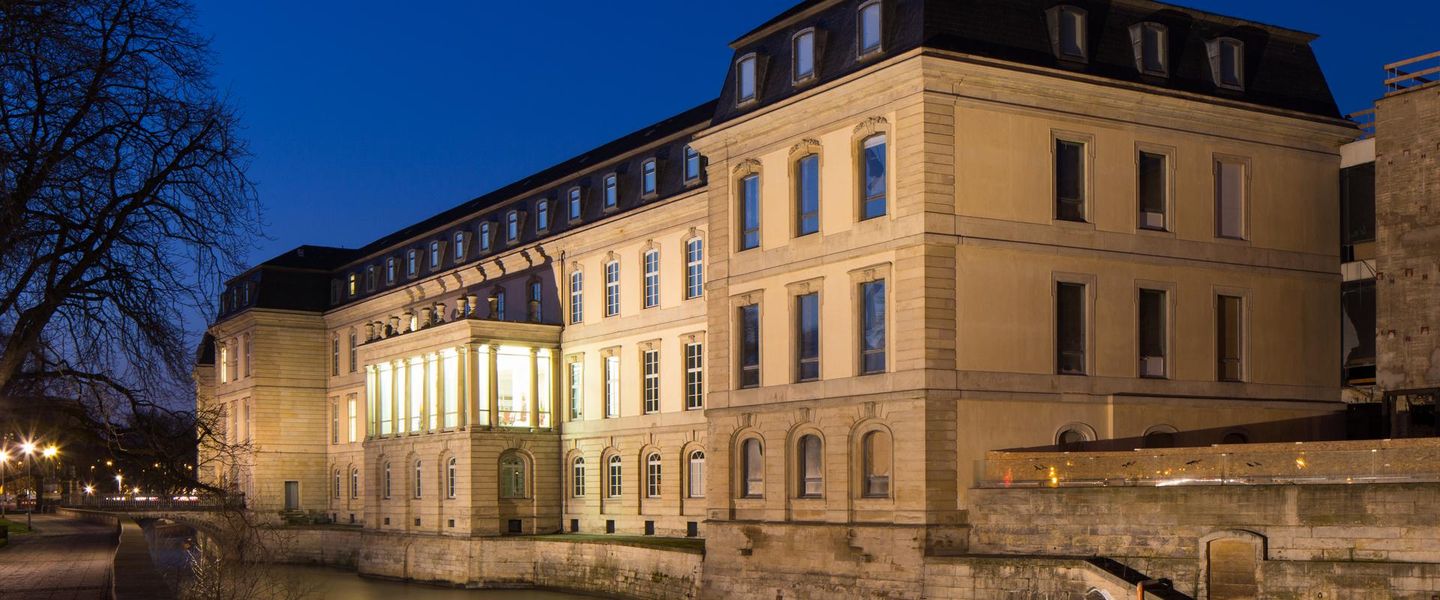


Nordstadt Hannover blends university life, Wilhelminian streets, cafés, bars and Welfengarten walks in one of the city's most distinctive inner districts.
Between the University and the E-Damm
Nordstadt occupies the area north of Hannover's central railway station, a compact inner-city district shaped by Leibniz University, late nineteenth-century housing and the long commercial spine of Engelbosteler Damm. Its streets are mostly urban and walkable, with stuccoed apartment buildings, small courtyards, independent businesses and a notably high proportion of students and young residents. The district feels lived-in rather than staged: bicycles lean against railings, cafés spill onto pavements and local errands take place alongside university life.Read more about Nordstadt
Architecture, Green Space and Public Life
A Local District with Cultural Energy
Explore Nordstadt on the map
A handpicked selection of must-see spots in Nordstadt, mapped for you.
Best hotels in Nordstadt
Nordstadt essentials
Getting There
Getting Around
Safety
Emergency Situations
Do's and Don'ts
Local Tips

From Eve
Local phrases worth knowing
You don't need to get them perfect. A few words go a long way, and locals appreciate the effort.
Basics
| English | Local | Say it |
|---|---|---|
| Hello | Hallo | [ha-lo] |
| Goodbye | Auf Wiedersehen | [aʊf viːdɐzeːən] |
| Yes | Ja | [ja] |
| No | Nein | [naɪn] |
| Please/You're welcome | Bitte | [bɪtə] |
| Thank you | Danke | [ˈdaŋkə] |
| Excuse me/Sorry | Entschuldigung | [ɛntˈʃʊldɪgʊŋ] |
| How are you? | Wie geht es dir? | [viː geːt ɛs diːr] |
| Fine. And you? | Gut. Und dir? | [guːt ʊnt diːr] |
| Do you speak English? | Sprechen Sie Englisch? | [ˈʃprɛçən ziː ˈɛŋlɪʃ] |
| I don't understand | Ich verstehe nicht | [ɪç fɛɐ̯ˈʃteːə nɪçt] |
Eating & Drinking
| English | Local | Say it |
|---|---|---|
| I'd like to see the menu, please | Ich möchte bitte die Speisekarte sehen | [ɪç ˈmœçtə ˈbɪtə diː ˈʃpaɪzəkɑɐ̯tə ˈzeːən] |
| I don't eat meat | Ich esse kein Fleisch | [ɪç ˈɛsə kaɪn flaɪʃ] |
| Cheers! | Prost! | [pʁɔst] |
| I would like to pay, please | Ich möchte bitte zahlen | [ɪç ˈmœçtə ˈbɪtə ˈtsaːlən] |
Emergencies
| English | Local | Say it |
|---|---|---|
| Help! | Hilfe! | [ˈhɪlfə] |
| Go away! | Gehen Sie weg! | [ˈɡeːən ziː vɛk] |
| Call the Police! | Rufen Sie die Polizei! | [ˈʁuːfən ziː diː pɔˈliːt͡saɪ] |
| Call a doctor! | Rufen Sie einen Arzt! | [ˈʁuːfən ziː ˈʔaʁts] |
| I'm lost | Ich habe mich verirrt | [ɪç ˈhaːbə mɪç fɛɐˈʔɪʁt] |
| I'm ill | Ich bin krank | [ɪç bɪn kraŋk] |
Shopping
| English | Local | Say it |
|---|---|---|
| I'd like to buy... | Ich möchte ... kaufen | [ɪç ˈmœçtə ... kaʊfən] |
| I'm just looking | Ich schaue nur | [ɪç ˈʃaʊə nʊr] |
| How much is it? | Wie viel kostet es? | [viː fiːl ˈkɔstət ɛs] |
| That's too expensive | Das ist zu teuer | [das ɪst tsu ˈtɔʏɐ] |
| Can you lower the price? | Können Sie den Preis senken? | [ˈkœnən ziː dɛn pʁaɪs ˈzɛŋkən] |
Time & Numbers
| English | Local | Say it |
|---|---|---|
| What time is it? | Wie spät ist es? | [viː ʃpɛt ɪst ɛs] |
| It's one o'clock | Es ist ein Uhr | [ɛs ɪst aɪn ʊʁ] |
| Half past (10) | Halb zehn | [halb tsɛn] |
| Morning | Morgen | [ˈmɔʁɡən] |
| Afternoon | Nachmittag | [ˈnaχmɪtaːk] |
| Evening | Abend | [ˈaːbənt] |
| Yesterday | Gestern | [ˈɡɛstɐn] |
| Today | Heute | [ˈhɔʏtə] |
| Tomorrow | Morgen | [ˈmɔʁɡən] |
| 1 | Eins | [aɪns] |
| 2 | Zwei | [tsvaɪ] |
| 3 | Drei | [dʁaɪ] |
| 4 | Vier | [fiːɐ] |
| 5 | Fünf | [fʏnf] |
| 6 | Sechs | [zɛks] |
| 7 | Sieben | [ziːbən] |
| 8 | Acht | [axt] |
| 9 | Neun | [nɔɪn] |
| 10 | Zehn | [tsɛn] |
Transport & Directions
| English | Local | Say it |
|---|---|---|
| Where's a/the...? | Wo ist ein/der...? | [vo ɪst aɪn/deːɐ] |
| What's the address? | Was ist die Adresse? | [vas ɪst diː ˈadʁɛsə] |
| Can you show me (on the map)? | Können Sie mir das zeigen (auf der Karte)? | [ˈkœnən ziː miːɐ das ˈtsaɪɡən (aʊf dɛɐ ˈkaʁtə)] |
| When's the next (bus)? | Wann kommt der nächste (Bus)? | [van kɔmt deːɐ ˈnɛçstə (bʊs)] |
| A ticket (to ....) | Eine Fahrkarte (nach ...) | [ˈaɪnə ˈfaːɐ̯kaʁtə (nax ...)] |
History of Nordstadt
From Northern Fields to Urban District
The area now known as Nordstadt lay beyond Hannover's older built-up core and was historically associated with fields, gardens and routes leading north towards Herrenhausen. Its urban transformation gathered pace during the nineteenth century, when population growth, industrialisation and improved transport drew housing and workshops beyond the former city limits. The name Nordstadt is descriptive rather than evidence of a single medieval settlement, and the neighbourhood developed as part of Hannover's expanding northern edge rather than around one ancient centre.
Railways, Industry and Workers' Housing
Nineteenth-century railway construction and industrial expansion helped give Nordstadt its recognisable urban form. Housing was built for workers, tradespeople, clerks and the growing population connected with factories and transport infrastructure, while Engelbosteler Damm became an important north–south commercial route. Much of the district's apartment-block fabric dates from this period and reflects the dense, mixed-use growth typical of Hannover before the First World War. Workshops, small businesses and tenement courtyards made the area an everyday working district rather than an exclusively residential suburb.
University Institutions Take Root
Education became increasingly important to Nordstadt through the development of Hannover's technical and higher-education institutions. The institution now known as Leibniz University Hannover traces its history to the Higher Trade School founded in 1831 and moved into the Welfenschloss in 1879. The palace and its surrounding grounds, including Welfengarten, established a major institutional presence beside the residential streets. Over time, students, academic staff and university facilities became central to the neighbourhood's social rhythm and helped sustain its cafés, bookshops and affordable everyday businesses.
Churches and a Growing Community
The construction of Christuskirche in the 1860s and Lutherkirche at the turn of the twentieth century marked the expansion of Protestant congregational life alongside Nordstadt's growing population. Their brick architecture remains among the clearest visual expressions of the district's nineteenth-century development. The churches served communities formed by urban migration and industrial employment, while surrounding streets acquired the schools, shops and local services expected in a densely settled inner district.
War, Reconstruction and Continuing Change
Like Hannover as a whole, Nordstadt suffered wartime damage and entered the post-war period with pressure to rebuild housing and infrastructure. Reconstruction altered parts of the older urban fabric, although numerous pre-war apartment buildings and institutional structures survived. In the later twentieth century, the university presence, inner-city location and comparatively modest housing helped attract students and alternative cultural initiatives. Nordstadt has since changed through renovation, rising demand and new businesses, while Engelbosteler Damm and its side streets retain a notably local, mixed-use character.
Nordstadt in Photos
Browse through our photo collection highlighting the charm and character of the destination.
Neighbourhoods near Nordstadt
The closest neighbourhoods to Nordstadt, if you have time for more than one stop.
-

-

-

-
-


Swipe for more neighbourhoods
Explore more
Explore more of Hannover
Hannover, Germany, combines royal gardens, museums, trade-fair energy and green urban spaces with easy access to Lower Saxony's cultural sights.
Explore Hannover