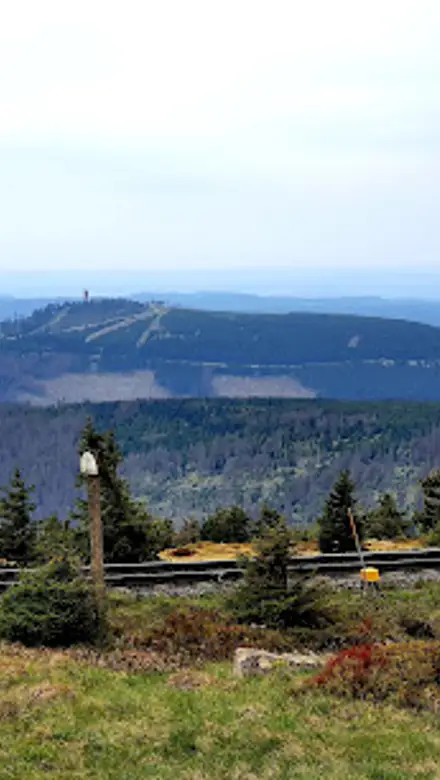
Teufelskanzel Travel Guide
Free Guide: Discover the mystical Teufelskanzel in the Harz Mountains: a legendary rock formation steeped in folklore, offering breathtaking views and a glimpse into German history.


A brief summary of Teufelskanzel
Discover the mystical Teufelskanzel in the Harz Mountains: a legendary rock formation steeped in folklore, offering breathtaking views and a glimpse into German history.
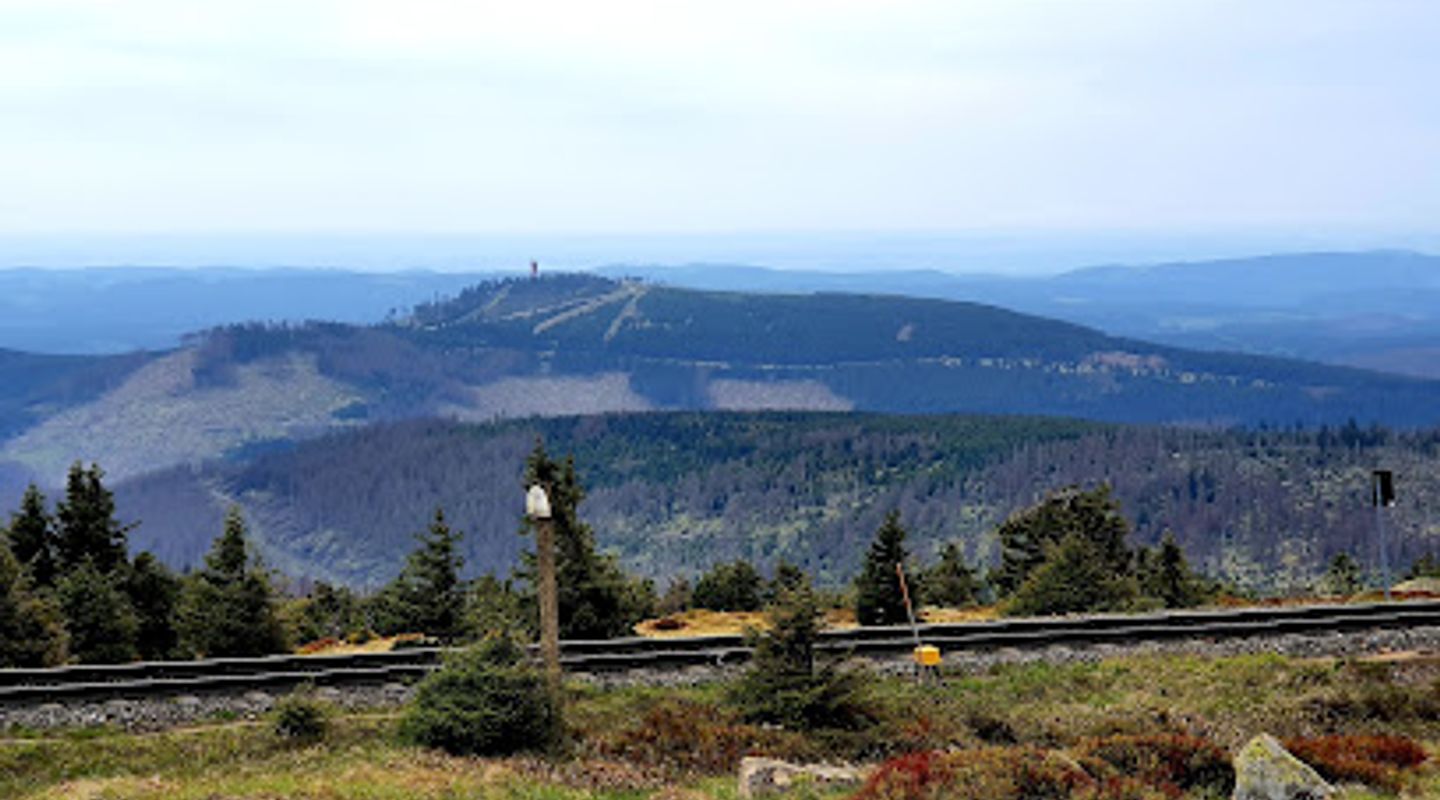
Teufelskanzel, or Devil's Pulpit, is a striking rock formation near the summit of Brocken, the highest peak in the Harz Mountains. Steeped in local folklore and associated with Walpurgis Night celebrations, this granite outcrop offers panoramic views of the surrounding Harz National Park. Though access to the formation itself is restricted for conservation, it remains a popular destination for hikers and nature enthusiasts. The Teufelskanzel, along with the nearby Hexenaltar (Witches' Altar), evokes the mystical atmosphere of the Brocken, a place long linked to legends of witches and devils. Its unique geological features and historical significance make it a must-see landmark for those exploring the Harz region, offering a glimpse into the area's rich cultural heritage and natural beauty. Whether you're drawn by the folklore, the stunning scenery, or the challenge of the hike, the Teufelskanzel provides a memorable experience.
Opening hours
- Every dayOpen 24 hours
Opening hours as listed on the venue’s Google Business Profile. Hours can change for services and special events, so check with the venue before you go.
- Address
- 38879 Wernigerode
Getting there
Walking
Public Transport
Driving
Discover more about Teufelskanzel
Overview
The Teufelskanzel, or Devil's Pulpit, is a prominent rock formation situated on the Brocken, the highest peak in the Harz Mountains of Germany. This imposing granite outcrop, along with the neighboring Hexenaltar (Witches' Altar), is deeply intertwined with the region's rich folklore and history, particularly its association with the legendary Walpurgis Night celebrations. Geologically, the Teufelskanzel is part of the Brocken massif, composed primarily of granite formed during the Variscan orogeny millions of years ago. Over time, weathering and erosion have sculpted the granite into the distinctive shapes seen today, contributing to the area's unique and rugged landscape. The formation's name, dating back to the late 17th century, reflects the local belief that the Devil himself would preach from this rocky pulpit to gatherings of witches on Walpurgis Night. The Brocken's reputation as a gathering place for witches dates back centuries, fueled by its remote location, harsh climate, and the eerie Brocken spectre – a phenomenon where a hiker's shadow is projected onto fog or clouds, creating the illusion of a giant, haloed figure. This natural phenomenon, combined with the mountain's prominence in German folklore, has cemented its place as a mystical and somewhat foreboding location. Walpurgis Night, celebrated annually on April 30th, is a major event in the Harz Mountains, drawing thousands of visitors to witness reenactments of witch gatherings, bonfires, and other festivities. While the Teufelskanzel itself is not directly accessible during these events due to conservation efforts, its presence looms large in the collective imagination, serving as a potent symbol of the region's unique cultural identity. Historically, the Teufelskanzel and the Brocken have played various roles. In the 18th century, some believed the Teufelskanzel was once the site of a pagan idol. Johann Wolfgang von Goethe, during his visit to the Brocken in 1777, immortalized the area in his play Faust, further solidifying its place in German literature and popular culture. During the Cold War, the Brocken was a restricted military zone, with Soviet listening posts stationed at the summit to monitor communications in West Germany. Today, the mountain is a symbol of reunification and a popular tourist destination. While direct access to the Teufelskanzel is restricted to protect the fragile ecosystem of the Harz National Park, visitors can still admire the formation from a distance and learn about its history and significance at the Brockenhaus, a museum located near the summit. The museum features exhibits on the natural history of the Brocken, its role in folklore and literature, and its Cold War past. The hike to the Brocken summit is a rewarding experience in itself, offering stunning views of the surrounding Harz Mountains. Several trails lead to the top, catering to different fitness levels and preferences. The Brockenbahn, a historic narrow-gauge railway, also provides a scenic and comfortable way to reach the summit. Whether you're interested in history, folklore, nature, or simply breathtaking views, the Teufelskanzel and the Brocken offer a unique and unforgettable experience. The area's mystical atmosphere, combined with its rich cultural heritage and stunning natural beauty, makes it a must-see destination for anyone exploring the Harz Mountains. Visiting the Teufelskanzel requires a bit of planning. The Brocken is known for its unpredictable weather, so it's essential to check the forecast and dress accordingly. Sturdy hiking shoes are recommended, especially if you plan to explore the trails around the summit. The Brockenhaus museum offers valuable insights into the area's history and natural environment, and the Brockenbahn provides a convenient and scenic way to reach the top. Remember to respect the environment and stay on marked paths to protect the fragile ecosystem of the Harz National Park. The Teufelskanzel stands as a testament to the enduring power of folklore and the beauty of the natural world. Its presence on the Brocken summit serves as a reminder of the region's unique cultural identity and its long and fascinating history. A visit to this legendary landmark is an experience that will stay with you long after you've descended from the mountain.
Evendo Review Centre
 Google
Guest reviews
Explore Teufelskanzel on the map
A handpicked selection of must-see spots near Teufelskanzel, mapped for you.
Get your free copy of our complete guide to Teufelskanzel, delivered straight to you.
Everything on this page, from opening hours and how to get there to Eve’s tips and the best time to go, in one PDF you can read offline, print or share.
Already have an account? Sign in
Your Teufelskanzel guide is ready.
We'll send it to · Not you? Sign out

Getting your guide ready…
We are putting together a fresh copy of the Teufelskanzel guide. This can take up to a minute.
This can take a few moments. If your browser asks, choose Allow so the download can start. You'll find the guide in your Downloads folder.
Nothing happened? Download it again
Sorry, the guide is taking longer than usual. Please try again in a minute, or get it by email instead.
Other nearby places you may find interesting
The closest places of the same kind, if this one is not quite what you had in mind.
-
-
-
-
-


Swipe for more places
More to explore near Teufelskanzel

 Best experiences near Teufelskanzel
 Best hotels near Teufelskanzel
 Best landmarks near Teufelskanzel
 Best attractions near Teufelskanzel
 Best shops near Teufelskanzel
 Best restaurants near Teufelskanzel
 Best bars near Teufelskanzel
Do you manage this location?
Take control to get all the benefits, like improved information, better appearance, and stronger visibility across AI-powered discovery.
Explore more

Explore more of Harz
Discover the Harz Mountains: A blend of natural beauty, historical charm, and enchanting folklore in the heart of Germany.
Explore Harz
Explore more of Germany
Experience Germany: where history meets innovation, and urban energy blends with natural beauty. Discover diverse cultures, delicious cuisine, and stunning landscapes.
Explore Germany