Alte Brücke Travel Guide
Free Guide: Discover Frankfurt's oldest bridge, a historic landmark connecting the city's past and present, offering stunning skyline views and a vibrant cultural experience.


A brief summary of Alte Brücke
Discover Frankfurt's oldest bridge, a historic landmark connecting the city's past and present, offering stunning skyline views and a vibrant cultural experience.
The Alte Brücke (Old Bridge) is Frankfurt's oldest bridge, a vital link across the Main River since the 13th century. Though frequently destroyed and rebuilt over the centuries, it has remained a symbol of the city's resilience and a key element in its development. Today's structure, dating from 1926 with later modifications, offers stunning views of the Frankfurt skyline and connects the historic city center with the Sachsenhausen district. Adorned with the iconic Brickegickel (bridge rooster) and a statue of Charlemagne, the bridge is a pedestrian-friendly landmark and a testament to Frankfurt's rich history. It's a must-see for any visitor wanting to experience the heart of Frankfurt and its enduring spirit. The bridge is easily accessible by foot, public transport, and is close to many of Frankfurt's main attractions.
Opening hours
- Every dayOpen 24 hours
Opening hours as listed on the venue’s Google Business Profile. Hours can change for services and special events, so check with the venue before you go.
- Address
- Alte Brücke, 60594 Frankfurt am Main
- Website
Getting there
Walking
Public Transport
Taxi/Ride-Share
Driving
Discover more about Alte Brücke
Overview
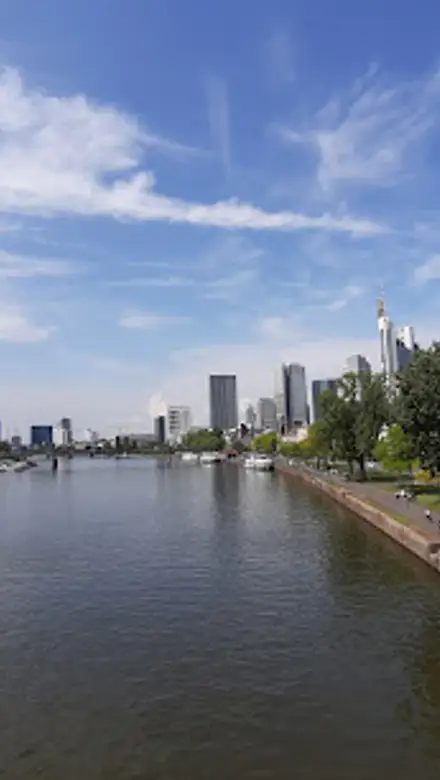
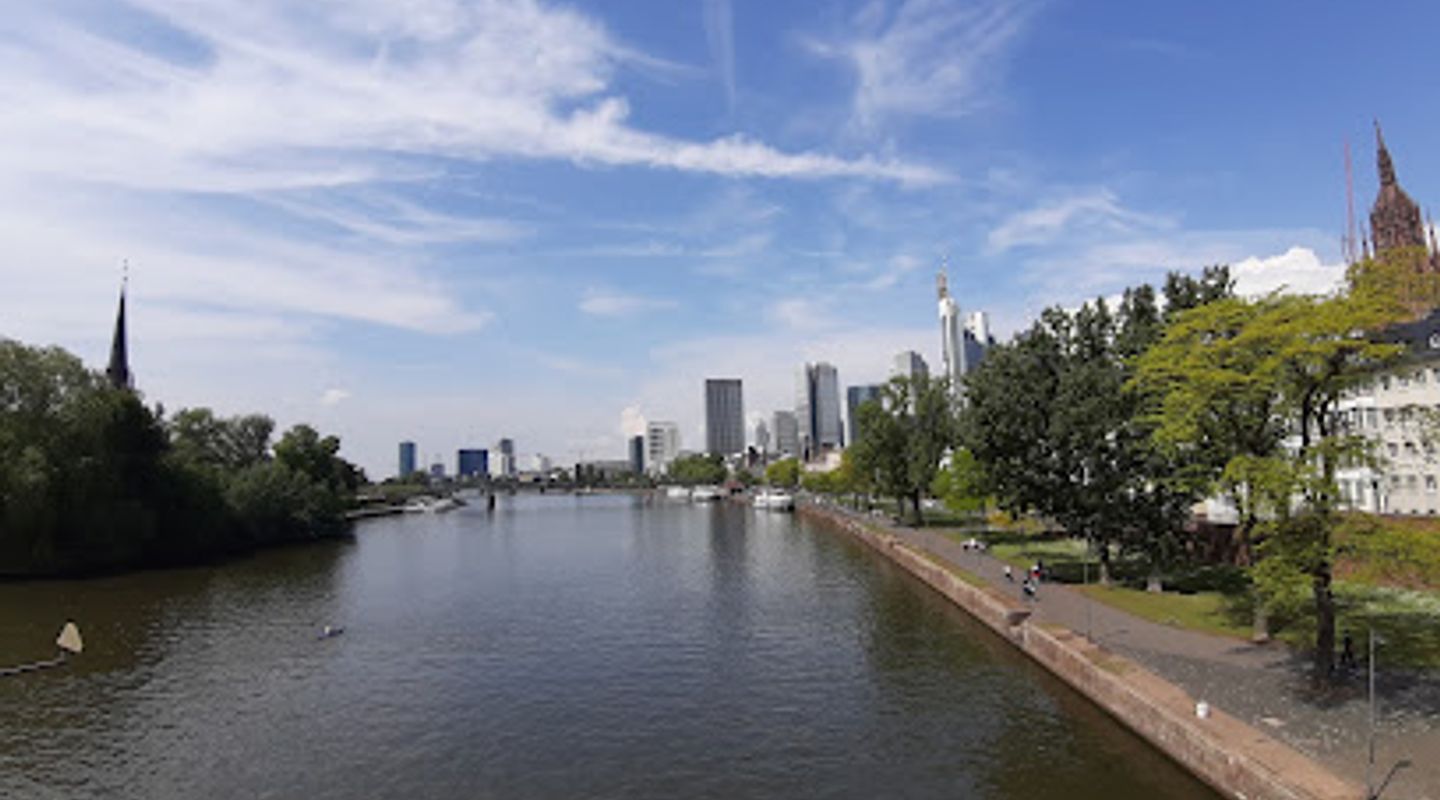
The Alte Brücke, or Old Bridge, is more than just a crossing point; it's a living testament to Frankfurt's history, resilience, and enduring spirit. Spanning the Main River, this iconic structure has connected the city center with the Sachsenhausen district for centuries, witnessing countless historical events and architectural transformations. Originally mentioned in documents dating back to 1222, the Alte Brücke was for a long time the only stone bridge across the lower Main River. For centuries, it served as the sole connection between Frankfurt's two banks, making it a vital trade and transportation route. The bridge's strategic importance meant it was frequently targeted during conflicts, leading to its destruction and subsequent reconstruction at least 18 times throughout its history. Initially constructed as a wooden bridge, it was later replaced with a stone structure in the 14th century. The current bridge, officially opened in 1926 and sometimes referred to as the "Neue Alte Brücke" (New Old Bridge), stands as a testament to early 20th-century engineering, though it incorporates elements from earlier iterations. The bridge was designed by Franz Heberer and Carl Friedrich Wilhelm Leonhardt after they won an architectural competition in 1911. The foundation stone for the new construction was laid on the Maininsel in May 1912, with the intention of creating a 14-meter-wide bridge with eight arches. During World War II, the Alte Brücke suffered significant damage when German soldiers destroyed two of its eight sandstone arches in 1945. A temporary reconstruction followed, and in 1965, the damaged section was replaced with a steel box girder, resulting in the bridge's current appearance. In 2013, the bridge underwent a comprehensive renovation, further enhancing its structural integrity and aesthetic appeal. The Alte Brücke is characterized by its blend of architectural styles, reflecting its long and turbulent history. The red sandstone arches, the steel girder section, and the four portal walls added during the 2014 renovation create a unique visual tapestry. The bridge is adorned with several iconic features, including the Brickegickel, a golden rooster perched atop a crucifix, and a statue of Charlemagne, the mythical founder of Frankfurt. The Brickegickel is said to have been placed on the bridge in the 15th century as a reminder of repentance for sinners who were executed by drowning nearby. Walking across the Alte Brücke offers stunning panoramic views of the Frankfurt skyline. To the north, the towering skyscrapers of the financial district create a dramatic backdrop, while to the south, the charming Sachsenhausen district beckons with its traditional apple wine taverns and cobblestone streets. The bridge also provides excellent views of the Main River, with its bustling boat traffic and picturesque waterfront. Located on the Maininsel, the Portikus is an exhibition space for contemporary art. Since its establishment in 1987, it has been a key component of the renowned art academy Hochschule für Bildende Künste – Städelschule, and is committed to showcasing, publishing, and discussing both up-and-coming and well-known artists and their work. The Portikus is easily accessible from the Alte Brücke. The Alte Brücke has also been the subject of numerous legends and stories throughout its history. One popular tale recounts how the bridge was built with the Devil's help, with the city promising him the first living being to cross it. However, the clever Frankfurters sent a rooster across the bridge instead, outsmarting the Devil. Another legend tells of a giant who hurled a massive rock at the bridge, creating a hole that could be easily defended in times of war. Today, the Alte Brücke remains a vital transportation link and a beloved landmark for locals and tourists alike. Its pedestrian-friendly design makes it a popular spot for strolling, taking photographs, and enjoying the vibrant atmosphere of Frankfurt. The bridge is also a focal point for cultural events, such as the annual Brückenfest (Bridge Festival), which features live music, traditional food, and historical displays. Visiting the Alte Brücke is an essential experience for anyone seeking to understand Frankfurt's rich history and cultural heritage. Whether you're interested in architecture, history, art, or simply soaking up the atmosphere of this dynamic city, the Alte Brücke offers something for everyone. Take a walk across the bridge, admire the views, and imagine the countless stories that have unfolded on this historic span. The Alte Brücke is more than just a bridge; it's a symbol of Frankfurt's enduring spirit and a testament to its rich and vibrant past. Don't miss the opportunity to explore the Sachsenhausen district, located just across the Alte Brücke. This charming neighborhood is known for its traditional apple wine taverns, cobblestone streets, and lively atmosphere. Sample local specialties like Handkäse mit Musik (a type of cheese with onions and vinegar) and Grüne Soße (green sauce), and experience the authentic flavors of Frankfurt. The Alte Brücke is easily accessible by public transportation, with several tram and bus stops located nearby. The bridge is also within walking distance of many of Frankfurt's other major attractions, such as the Römerberg, Frankfurt Cathedral, and the Museum Embankment. Whether you're arriving by foot, bike, or public transport, getting to the Alte Brücke is a breeze. As you stand on the Alte Brücke, take a moment to appreciate the blend of old and new that defines Frankfurt. The bridge's historic arches stand in contrast to the modern skyscrapers that dominate the skyline, creating a unique and captivating visual experience. The Alte Brücke is a reminder that even in a rapidly changing world, the past can still be present, shaping our understanding of the present and inspiring our vision for the future.
Evendo Review Centre
 Google
Guest reviews
Explore Alte Brücke on the map
A handpicked selection of must-see spots near Alte Brücke, mapped for you.
Get your free copy of our complete guide to Alte Brücke, delivered straight to you.
Everything on this page, from opening hours and how to get there to Eve’s tips and the best time to go, in one PDF you can read offline, print or share.
Already have an account? Sign in
Your Alte Brücke guide is ready.
We'll send it to · Not you? Sign out

Getting your guide ready…
We are putting together a fresh copy of the Alte Brücke guide. This can take up to a minute.
This can take a few moments. If your browser asks, choose Allow so the download can start. You'll find the guide in your Downloads folder.
Nothing happened? Download it again
Sorry, the guide is taking longer than usual. Please try again in a minute, or get it by email instead.
Other nearby places you may find interesting
The closest places of the same kind, if this one is not quite what you had in mind.
-
-

-
-
-


Swipe for more places
More to explore near Alte Brücke

 Best experiences near Alte Brücke
 Best hotels near Alte Brücke
 Best landmarks near Alte Brücke
 Best attractions near Alte Brücke
 Best shops near Alte Brücke
 Best restaurants near Alte Brücke
 Best bars near Alte Brücke
Do you manage this location?
Take control to get all the benefits, like improved information, better appearance, and stronger visibility across AI-powered discovery.
Explore more

Explore more of Hesse
Discover Hesse: A blend of historical charm, natural beauty, and cultural richness in the heart of Germany.
Explore Hesse
Explore more of Germany
Experience Germany: where history meets innovation, and urban energy blends with natural beauty. Discover diverse cultures, delicious cuisine, and stunning landscapes.
Explore Germany