
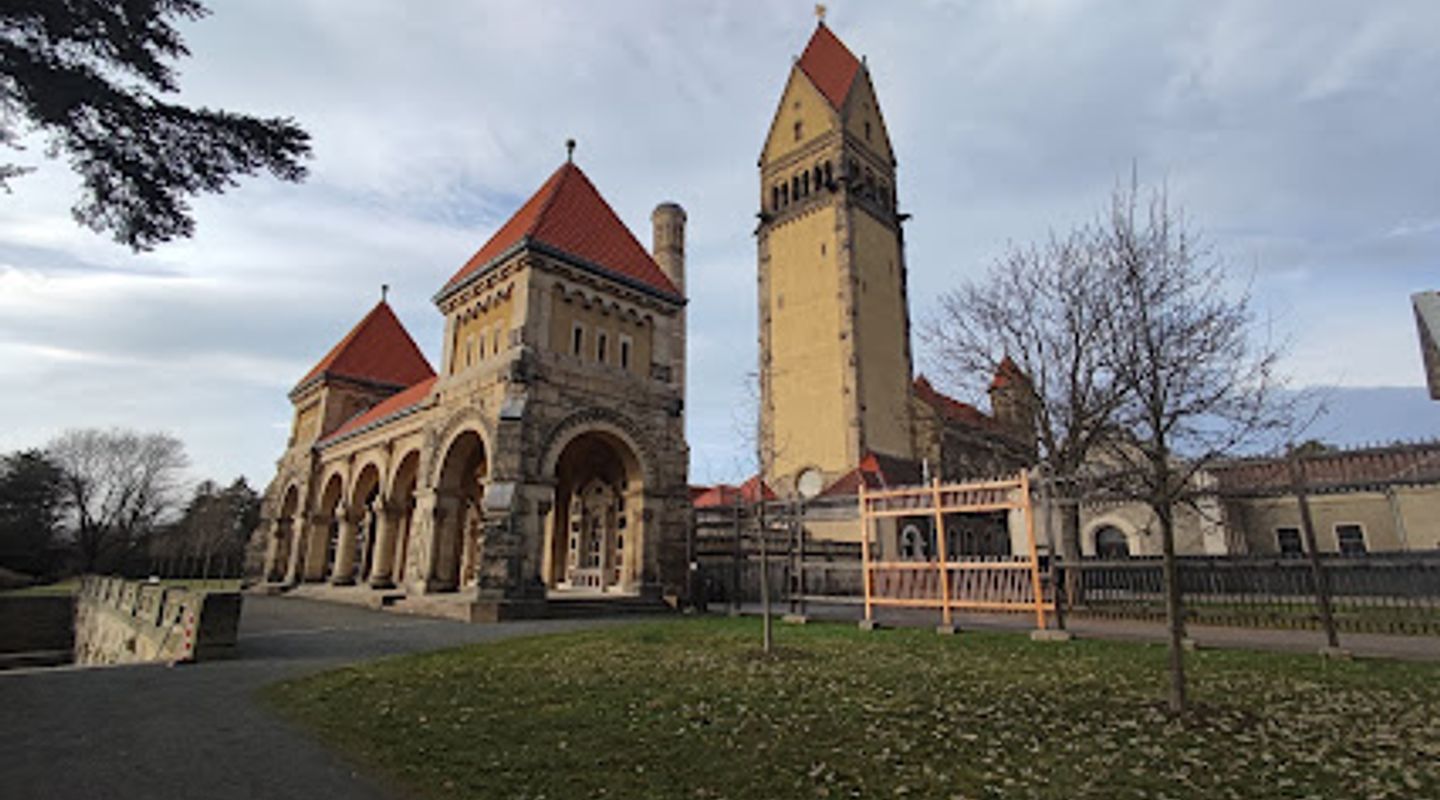
Südfriedhof, Leipzig Travel Guide
Discover Leipzig's largest cemetery, a sprawling parkland with stunning architecture, historical monuments, and a tranquil atmosphere, offering a unique glimpse into the city's past.
Leipzig's Südfriedhof, or South Cemetery, is more than just a final resting place; it's an expansive parkland offering tranquility and historical insights. Covering 82 hectares, it ranks among Germany's largest and most beautiful cemeteries, near the Völkerschlachtdenkmal (Monument to the Battle of the Nations). Designed in the late 19th century as a Gesamtkunstwerk (a total work of art) in the Art Nouveau style, its winding paths, diverse flora, and impressive funerary art create a unique atmosphere. Visitors can explore the graves of notable Leipzig figures, admire the architecture of the chapel complex, and enjoy the peaceful ambiance, making it a worthwhile destination for history buffs, nature lovers, and those seeking a quiet escape.
A brief summary to Südfriedhof
- Friedhofsweg 3, Leipzig, Südost, 04299, DE
- Click to display
- Click to display
- Monday 7 am-9 pm
- Tuesday 7 am-9 pm
- Wednesday 7 am-9 pm
- Thursday 7 am-9 pm
- Friday 7 am-9 pm
- Saturday 7 am-9 pm
- Sunday 7 am-9 pm

Know before you go
Hi, I'm Eve. Here are a few practical things to know before exploring Südfriedhof.
- Visit in the spring when the rhododendrons are in full bloom, creating a spectacular display of color throughout the cemetery.
- Take a guided tour to learn about the history of the cemetery and the notable figures buried there.
- Explore the chapel complex, a stunning example of Neo-Romanesque architecture and the largest cemetery monument in Germany.
- Look for the graves of famous Leipzig personalities, such as members of the Baedecker publishing family and the dialect poet Lene Voigt.
- Enjoy a quiet walk through the park-like grounds, taking in the diverse flora and fauna and the peaceful atmosphere.
Do you manage this location?
Take control to get all the benefits, like improved information, better appearance, and stronger visibility across AI-powered discovery. Learn more about listing your business on Evendo
Activate your presenceOther nearby places you may find interesting
The closest places of the same kind, if this one is not quite what you had in mind.



Explore Südfriedhof on the Map
A handpicked selection of must-see spots near Südfriedhof, mapped for you.
Unlock the Best of Südfriedhof
Buy tickets
-
No tickets available
Book tours with entry
-
No tours available
Book tours without entry

Getting There
-
Public Transport
The Südfriedhof is easily accessible by public transport. Take tram lines 2 or 15 to the 'Südfriedhof' or 'Völkerschlachtdenkmal' stop. Alternatively, bus line 70 stops at 'An der Tabaksmühle', a short walk to the cemetery's north entrance. A single tram or bus fare within Leipzig is approximately €2.70.
-
Taxi/Ride-Share
A taxi or ride-share from Leipzig city center to the Südfriedhof will cost approximately €18-€23 and take around 10-15 minutes, depending on traffic.
-
Driving
If driving, you can use the Park & Ride parking spaces at the Völkerschlachtdenkmal, a short walk from the cemetery's north entrance. Parking fees at the Völkerschlachtdenkmal Park & Ride are approximately €2.50 per day.
Discover more about Südfriedhof













Your all‑in‑one travel companion app
Explore expert travel guides, compare and book tours, experiences, hotels, and more—all from the palm of your hand. Download now for seamless trip planning wherever your wanderlust takes you.


Explore More of Leipzig
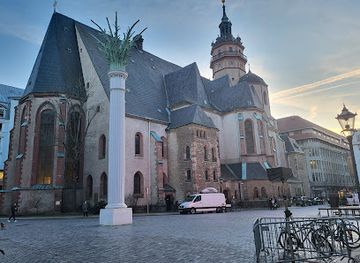
Looking beyond Südfriedhof? Discover Leipzig for broader travel guides, local hot-spots, and regional highlights.
Explore Leipzig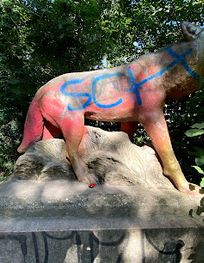
Discover the Wolfsdenkmal in Leipzig, a poignant memorial to the Lützow Free Corps and a place for quiet reflection on the Napoleonic Wars and the cost of freedom.
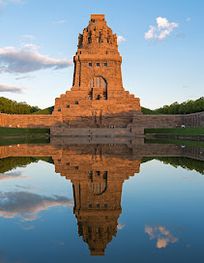
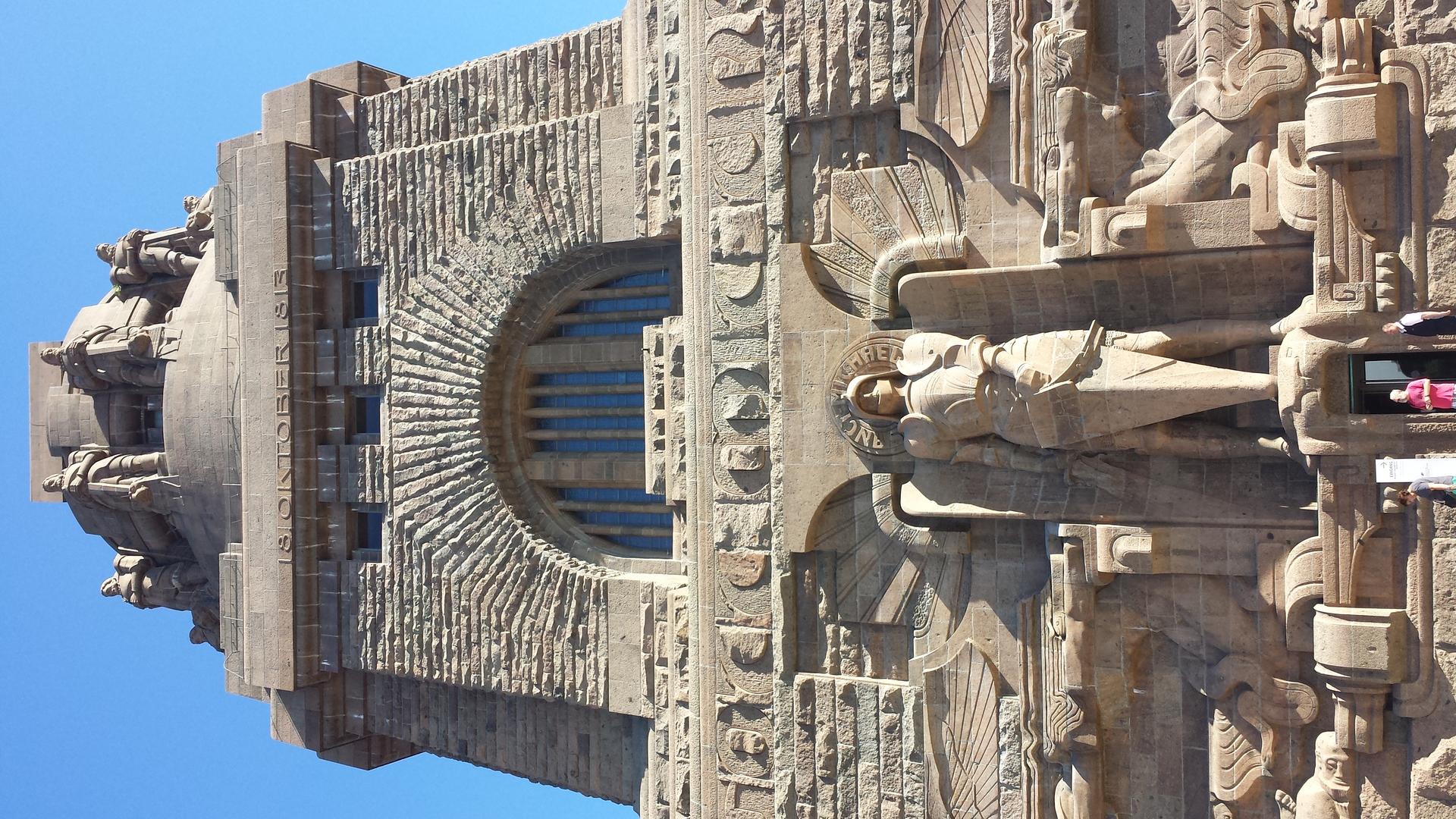
Discover the Monument to the Battle of the Nations in Leipzig, a stunning historical site offering breathtaking views and rich cultural significance.
