Richard-Wagner Denkmal, Leipzig Travel Guide
Discover the Richard Wagner Monument in Leipzig, a tribute to the composer's legacy, blending historical art with modern interpretation in the heart of his birthplace.
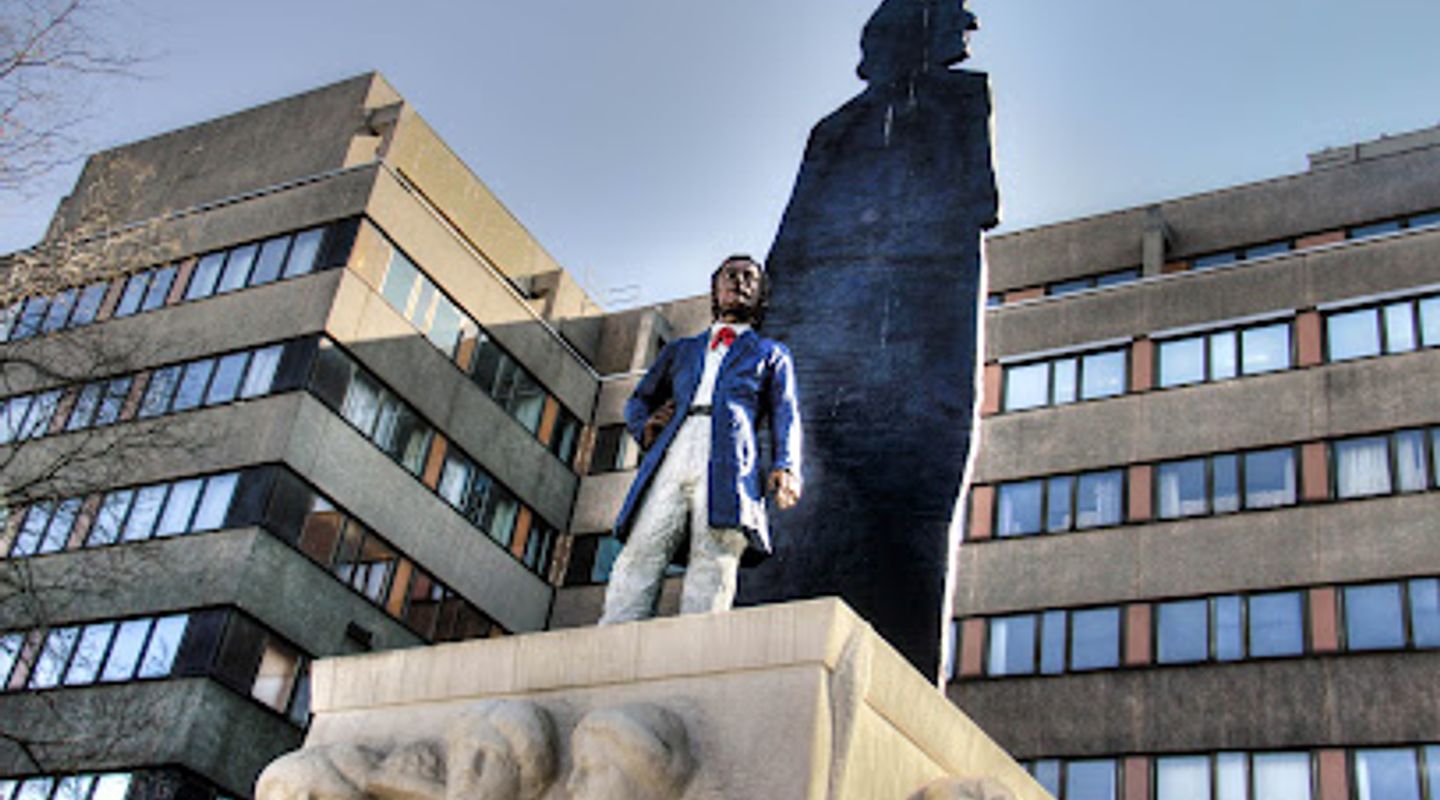
The Richard Wagner Monument in Leipzig stands as a testament to the city's deep connection with the renowned composer. Unveiled in 2013 to mark the 200th anniversary of Wagner's birth, the monument is a captivating blend of historical homage and contemporary artistry. Created by Stephan Balkenhol, it incorporates Max Klinger's original plinth design from a century prior. Located in the green spaces along Goerdelerring, the monument features reliefs of figures from Wagner's operas, including the Rhinemaidens, Siegfried, and Parsifal. A bronze statue of a young Wagner stands atop the base, with a silhouette of an older Wagner in the background, symbolizing his life's work. The monument serves as a reminder of Wagner's formative years in Leipzig and his lasting impact on the world of music.
A brief summary to Richard-Wagner Denkmal
- Leipzig, Mitte, 04109, DE

Know before you go
Hi, I'm Eve. Here are a few practical things to know before exploring Richard-Wagner Denkmal.
- Visit during the annual Leipzig Bach Festival for a broader immersion into the city's rich musical heritage.
- Combine your visit with a tour of the Leipzig Opera to experience Wagner's works in a renowned performance venue.
- Explore the nearby Notenspur (Music Trail) to discover other significant musical landmarks in Leipzig.
Do you manage this location?
Take control to get all the benefits, like improved information, better appearance, and stronger visibility across AI-powered discovery. Learn more about listing your business on Evendo
Activate your presenceOther nearby places you may find interesting
The closest places of the same kind, if this one is not quite what you had in mind.



Explore Richard-Wagner Denkmal on the Map
A handpicked selection of must-see spots near Richard-Wagner Denkmal, mapped for you.
Getting There
-
Public Transport
From Leipzig Central Station (Hauptbahnhof), take tram lines 1, 3, 4, 7, 9, 12, 14, or 15 to the Goerdelerring stop. The monument is a short walk from the tram stop, located in the green area along the ring road. A single ticket for public transport within Leipzig (zone 110) costs approximately €2.80.
-
Walking
From Richard-Wagner-Platz, walk southwest along the Goerdelerring for approximately 150 meters. The Richard Wagner Monument will be on your left, situated in the green space. The walk is flat and easily accessible.
-
Taxi/Ride-Share
A taxi or ride-share from Leipzig Central Station to the Richard Wagner Monument will cost approximately €8-€12, depending on traffic. The journey typically takes 5-10 minutes.
Discover more about Richard-Wagner Denkmal













Your all‑in‑one travel companion app
Explore expert travel guides, compare and book tours, experiences, hotels, and more—all from the palm of your hand. Download now for seamless trip planning wherever your wanderlust takes you.


Explore More of Leipzig
Looking beyond Richard-Wagner Denkmal? Discover Leipzig for broader travel guides, local hot-spots, and regional highlights.
Explore Leipzig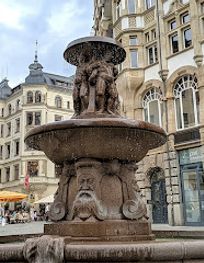
Discover the Lipsia Brunnen in Leipzig: A tranquil oasis where art, history, and serenity converge, offering a timeless escape in the heart of the city near the historic coffee house.

Explore the chilling history of the Stasi at the 'Runde Ecke' in Leipzig, a powerful memorial to the Peaceful Revolution and a vital reminder of the importance of freedom.