Villersbrunnen: A Leipzig Landmark
Discover the Villersbrunnen in Leipzig, a historic fountain with a captivating story, beautiful design, and a central location on the vibrant Tröndlinring.
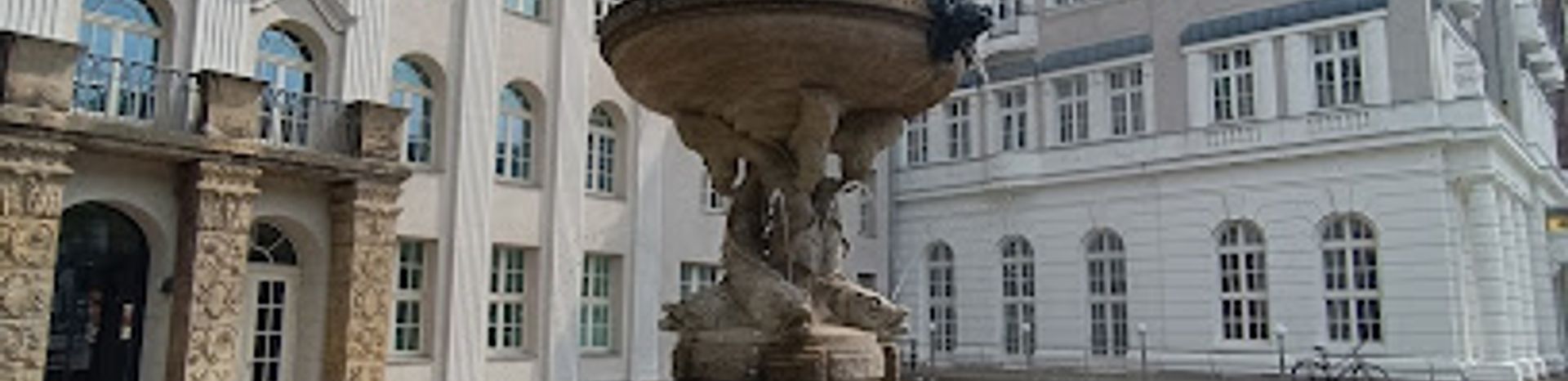
The Villersbrunnen, gracing Leipzig's Tröndlinring, is more than just a fountain; it's a testament to the city's rich history and artistic heritage. Erected in 1903, this beautiful structure was conceived by sculptor Max Unger, commissioned by local booksellers Dürr and Geibel. The fountain is a memorial to Helene de Villers, Dürr's wife, who passed away shortly after their marriage. Its design features a foundation of natural rock, supporting a tiered basin system. The fountain's central column showcases intertwined fish supporting a smaller basin, upon which stands a bronze figure of a drinking maiden. The Villersbrunnen has faced adversity, including the melting down of its original bronze figure for war efforts in 1942 and a subsequent theft in 1993. Today, a meticulously crafted replica stands as a symbol of Leipzig's resilience and enduring beauty, inviting visitors to pause and appreciate its intricate details and historical significance.
A brief summary to Villersbrunnen
- Tröndlinring 9, Leipzig, Mitte, 04105, DE
- Visit website
Local tips
- Visit during the day to fully appreciate the fountain's intricate details and the play of light on the water.
- Take a moment to relax on one of the nearby benches and enjoy the peaceful atmosphere.
- Explore the surrounding Tröndlinring, known for its shops, cafes, and historical buildings.

Getting There
-
Public Transport
From Leipzig Hauptbahnhof (main train station), the Villersbrunnen is easily accessible via a short tram or bus ride. Take any tram heading towards the city center and get off at the Goerdelerring stop. The fountain is a short walk from the tram stop, located on the Tröndlinring, directly in front of the Ringmessehaus. A single tram ticket costs approximately €2.60.
-
Walking
From Leipzig Hauptbahnhof, the Villersbrunnen is approximately a 10-minute walk. Exit the station towards the city center and head west along the Goerdelerring. Continue until you reach the Tröndlinring. The fountain will be visible on your left, in front of the Ringmessehaus. No costs are associated with walking.
-
Taxi/Ride-Share
A taxi or ride-share from Leipzig Hauptbahnhof to the Villersbrunnen is a quick and convenient option. The journey typically takes around 5 minutes, depending on traffic. Expect to pay approximately €9-€12 for the ride.
-
Driving
If driving, parking is available in the Höfe am Brühl parking garage, accessible via the Tröndlinring. Hourly parking rates are approximately €2.00, with a daily maximum of €14.00. Keep in mind that the city center can be busy, especially during peak hours.
Discover more about Villersbrunnen
Iconic landmarks you can’t miss

Richard-Wagner-Platz
0.1 km
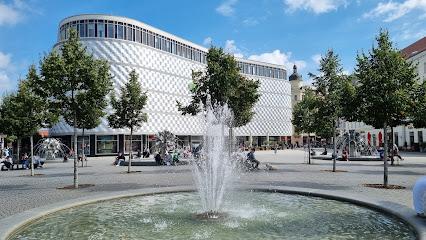
Experience Leipzig's vibrant heart at Richard-Wagner-Platz, a historic square blending culture, commerce, and green space, honoring the city's musical heritage and offering a modern urban oasis.
Richard-Wagner Denkmal
0.3 km
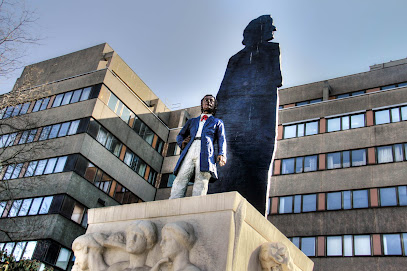
Discover the Richard Wagner Monument in Leipzig, a tribute to the composer's legacy, blending historical art with modern interpretation in the heart of his birthplace.
Katharinenstraße 17
0.3 km
Discover Kretschmanns Hof in Leipzig: A historic building with unique architecture, a vibrant cultural scene, and a passageway to the city's rich past, located in the heart of the city.

Citizens Committee Leipzig e.V.
0.4 km
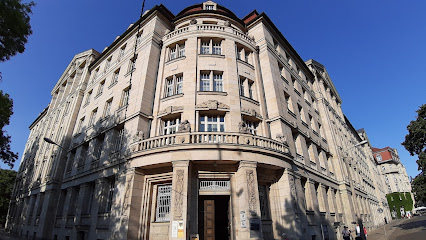
Explore the chilling history of the Stasi at the 'Runde Ecke' in Leipzig, a powerful memorial to the Peaceful Revolution and a vital reminder of the importance of freedom.
Lipsia Brunnen
0.4 km
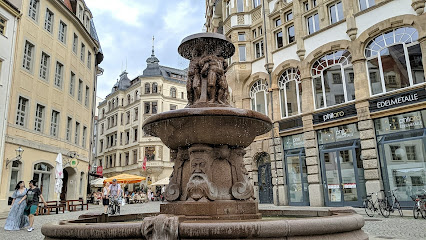
Discover the Lipsia Brunnen in Leipzig: A tranquil oasis where art, history, and serenity converge, offering a timeless escape in the heart of the city near the historic coffee house.
Böttchergäßchen 3
0.4 km
Explore Böttchergäßchen in Leipzig: A historic lane blending museums, culture, and shopping in the heart of the city, offering a unique glimpse into Leipzig's past and present.
Аlte Waage
0.4 km
Discover Leipzig's historical gem, Allte Waage, where architectural beauty meets rich cultural heritage in the heart of the city.
Statue of Goethe
0.5 km
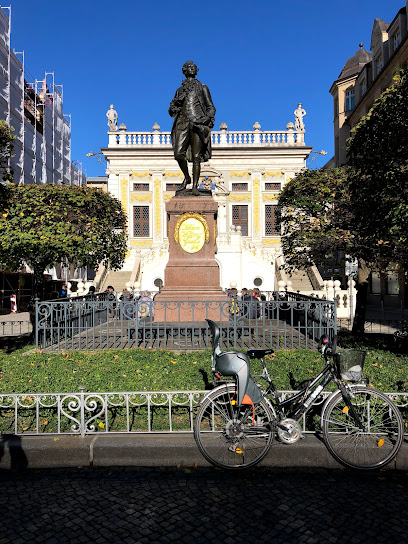
Explore Leipzig's Statue of Goethe, a magnificent tribute to the literary icon amidst the city's rich cultural tapestry.
Monument der Erinnerung und Trauer
0.6 km
A poignant memorial in Leipzig honoring the destroyed Jewish synagogue and the victims of the Holocaust, urging remembrance and promoting tolerance in the city center.
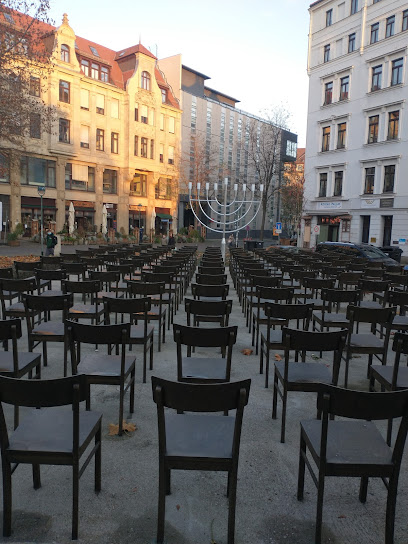
Jahnallee 4
0.6 km
Explore Jahnallee 4 in Leipzig, a stunning blend of historical architecture and modern artistry, nestled in the city's vibrant cultural heart.
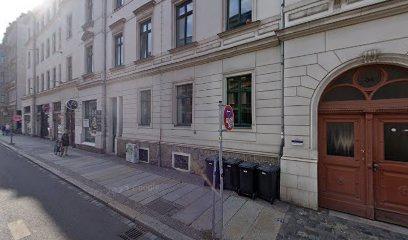
Faust and Mephisto Sculpture
0.6 km
Experience Goethe's Faust brought to life in bronze at the heart of Leipzig's elegant Mädlerpassage, where literary history meets upscale charm and a touch of Faustian legend.
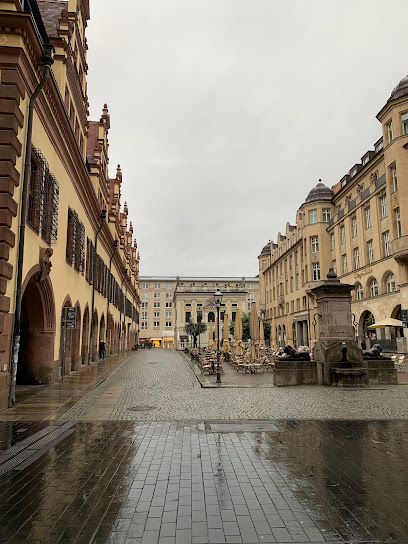
Neues Bach-Denkmal
0.6 km
A bronze tribute to Johann Sebastian Bach, the Neues Bach-Denkmal in Leipzig celebrates the composer's legacy and his profound connection to the city's musical heritage.
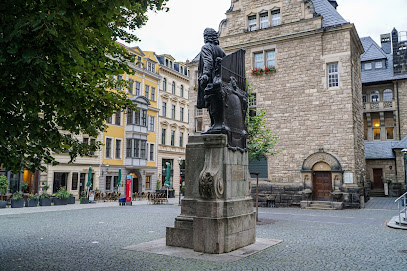
Museum of Antiquities of Leipzig University
0.6 km
Explore ancient Greek and Roman art and culture at the Museum of Antiquities of Leipzig University, home to a diverse collection of artifacts and plaster casts in the historic Alte Nikolaischule.
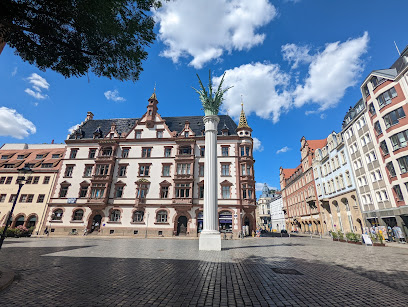
Mädler-Passage
0.6 km
Discover the elegance of Mädrer-Passage, Leipzig's premier shopping destination and historical landmark, where culture meets luxury.
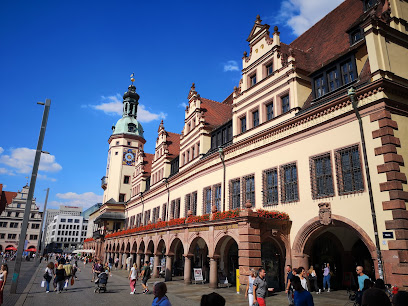
Altes Bach-Denkmal
0.7 km
Visit the Altes Bach-Denkmal in Leipzig, the world's oldest monument to Johann Sebastian Bach, and immerse yourself in the city's rich musical heritage and the legacy of a musical genius.
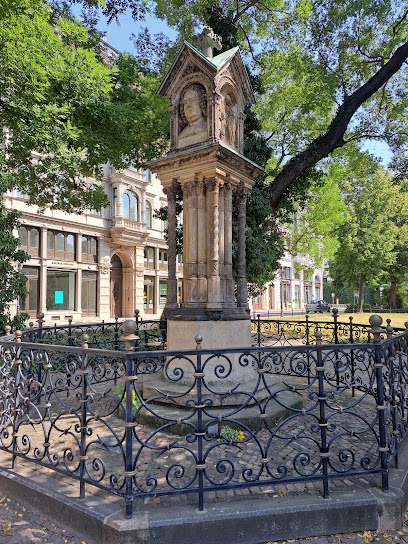
Unmissable attractions to see

Natural History Museum, Leipzig
0.1 km
Explore the Natural History Museum in Leipzig - A captivating journey through time, showcasing the wonders of biodiversity and Earth's geological treasures.
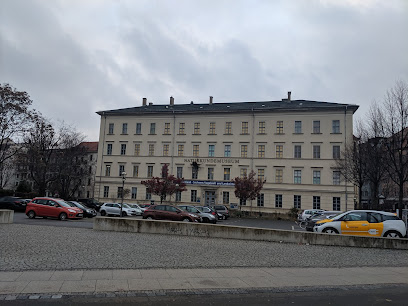
Pusteblumen-Brunnen
0.1 km
Experience the whimsical charm of the Pusteblumen-Brunnen, Leipzig's stunning Dandelion Fountain, a perfect blend of art and nature.
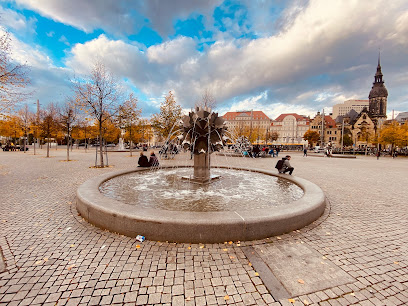
Hahnemann-Denkmal
0.1 km
Explore the Hahnemann Monument in Leipzig, a significant historical landmark honoring the founder of homeopathy amidst serene surroundings.
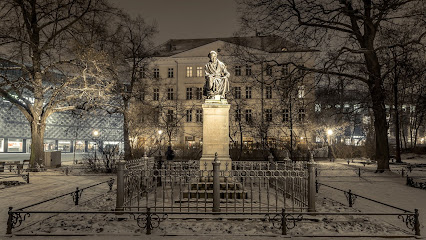
Stein Palmen
0.2 km
Explore the serene beauty and rich culture of Stein Palmen, a must-visit tourist attraction in Leipzig known for its lush gardens and stunning architecture.
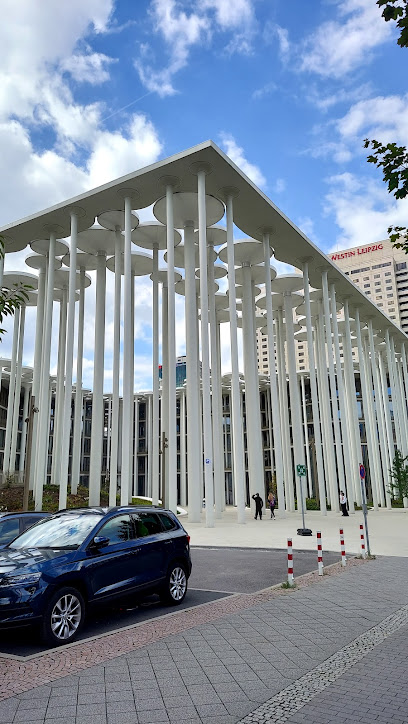
Hermes-Statue an der Ecke des Romanus-Hauses
0.3 km
Explore the Hermes Statue at Romanus House in Leipzig, a captivating blend of art and history that symbolizes the city's cultural heritage.
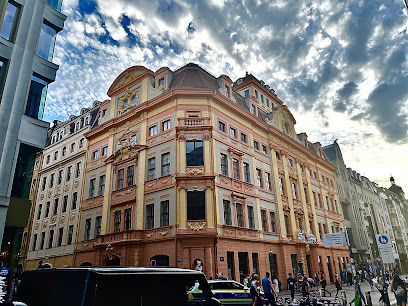
Romanushaus
0.3 km
Explore Romanushaus in Leipzig - a captivating blend of business and history in one of Germany's most vibrant cities.
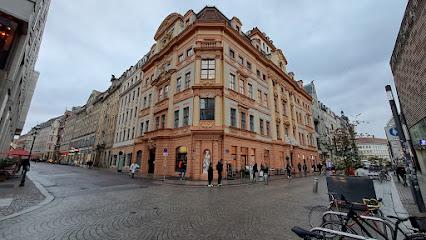
Leipzig Museum of Fine Arts
0.4 km
Immerse yourself in the artistic treasures of the Leipzig Museum of Fine Arts, showcasing timeless masterpieces and contemporary creations in a stunning setting.
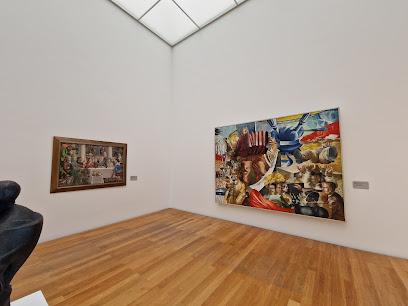
Memorial Museum in the "Round Corner"
0.4 km
Discover the poignant history of Leipzig at the Memorial Museum in the Round Corner, a former Stasi headquarters revealing the secrets of the past.
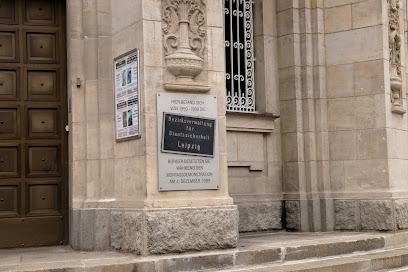
Barthels Hof
0.4 km
Discover Barthels Hof, a historic courtyard in Leipzig filled with shops, cafés, and art galleries that capture the city's vibrant spirit.
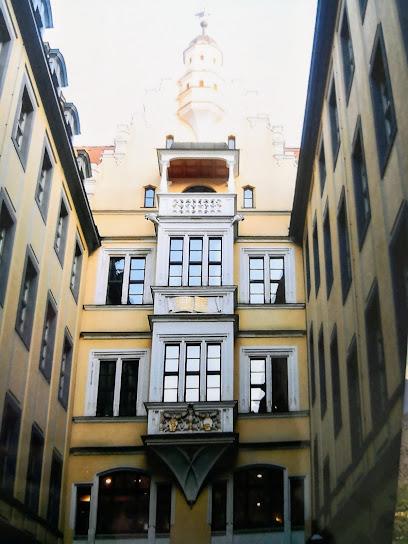
Denkmal für die friedliche Revolution
0.4 km
Explore the Denkmal für die Friedliche Revolution, a profound tribute to freedom and democracy in the heart of Leipzig, Germany.
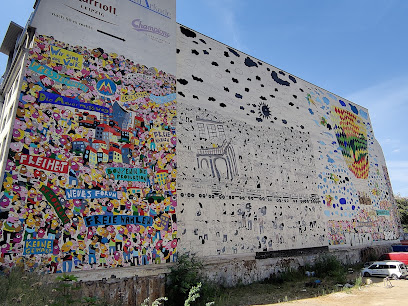
Zoo Leipzig
0.4 km
Experience the beauty of wildlife at Zoo Leipzig, a premier destination for animal lovers and families, featuring over 850 species in stunning habitats.
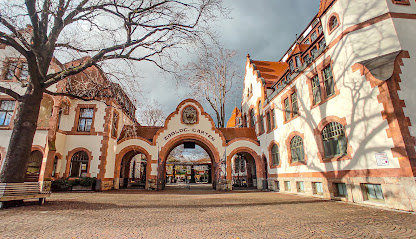
Marktplatz Leipzig
0.5 km
Discover the historical charm of Marktplatz Leipzig, a vibrant market square surrounded by stunning architecture and rich cultural experiences.
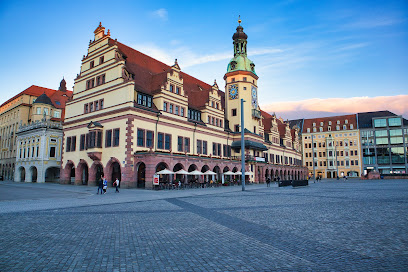
N' Ostalgie Museum
0.5 km
Explore the unique history of East Germany at the N' Ostalgie Museum in Leipzig, showcasing nostalgia and culture from the GDR era.
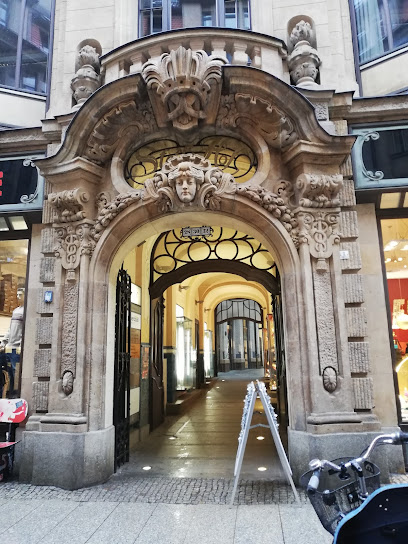
Alte Börse
0.5 km
Explore Leipzig's history at Alte Börse, a local history museum and former stock exchange, rich in culture and architectural beauty.
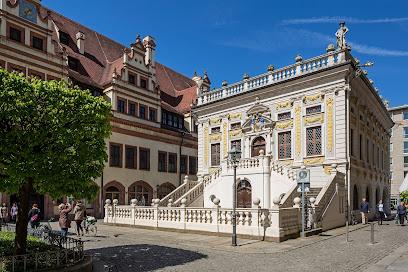
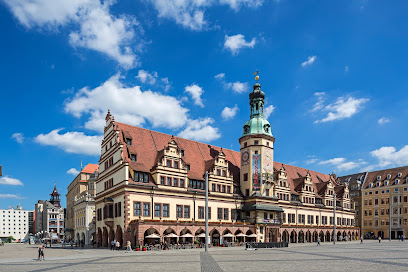
Stadtgeschichtliches Museum Leipzig, Altes Rathaus
0.5 km
Discover Leipzig's fascinating history at the Stadtgeschichtliches Museum in the stunning Altes Rathaus, a must-visit for every tourist.
Essential places to dine

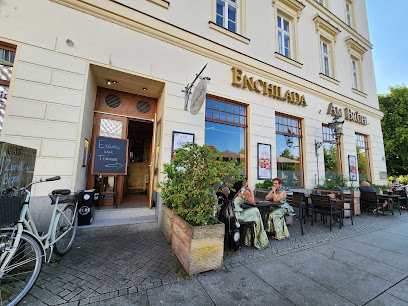
Enchilada Leipzig
0.2 km
Experience authentic Mexican cuisine in Leipzig at Enchilada – where vibrant flavors meet warm hospitality.
Wagners Restaurant u. Weinwirtschaft Inh. Chris Kollin
0.2 km
Experience authentic German cuisine and fine wines at Wagners Restaurant in Leipzig’s charming beer garden.
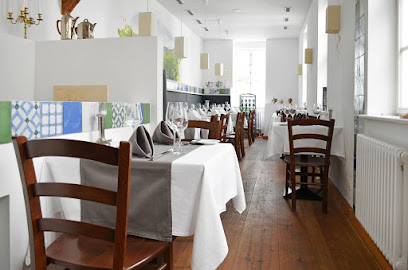
Mythos Restaurant
0.2 km
Experience authentic Greek cuisine at Mythos Restaurant in Leipzig - where every meal is a delightful journey through Mediterranean flavors.
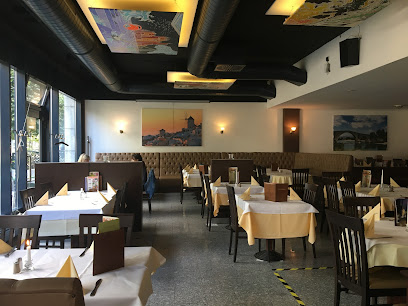
Restaurant Säulengarten
0.3 km
Discover the flavors of Germany at Restaurant Säulengarten in Leipzig – where local ingredients meet culinary artistry.
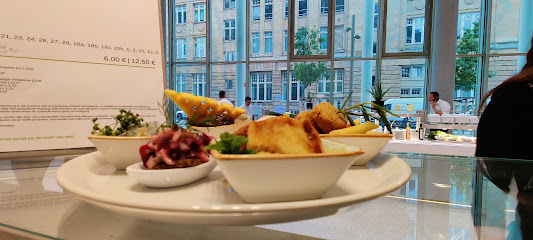
Restaurant Gusto
0.3 km
Discover the culinary charm of Leipzig at Restaurant Gusto – where local flavors meet modern dining in a vibrant atmosphere.
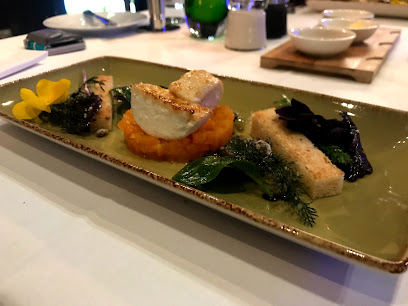
Wenzel Leipzig
0.4 km
Discover authentic Czech cuisine at Wenzel Leipzig, where traditional flavors meet warm hospitality in the heart of Germany's cultural hub.
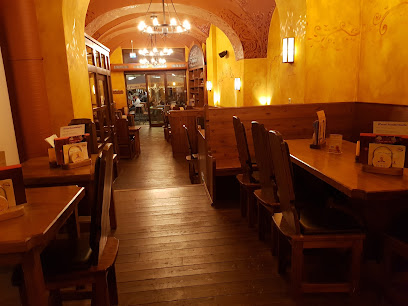
Lerchennest Leipzig
0.4 km
Discover authentic German flavors at Lerchennest Leipzig – where tradition meets taste in a cozy café setting.
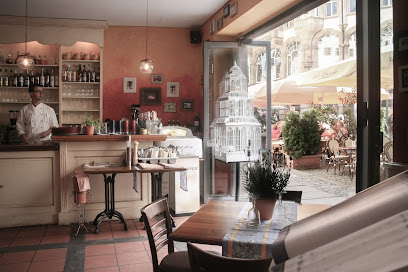
Restaurant Weinstock Leipzig
0.4 km
Discover traditional German flavors at Restaurant Weinstock Leipzig, where culinary excellence meets warm hospitality in the heart of the city.
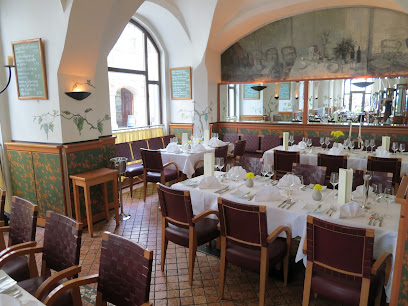
Leos Brasserie
0.4 km
Discover the charm of Leos Brasserie in Leipzig – where exquisite cuisine meets a warm and inviting atmosphere.
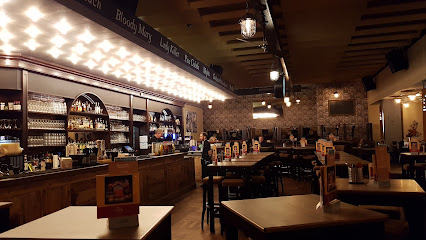
Zills Tunnel
0.4 km
Experience the best of local and international cuisine at Zills Tunnel in Leipzig - where every meal is crafted with passion.
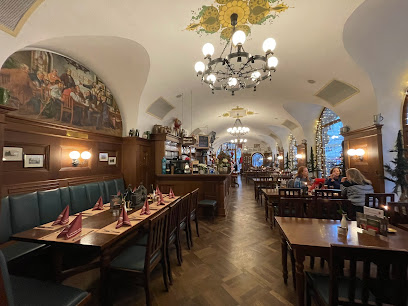
Steaktrain
0.5 km
Indulge in premium steaks at Steaktrain, Leipzig's top destination for carnivores seeking an unforgettable dining experience.
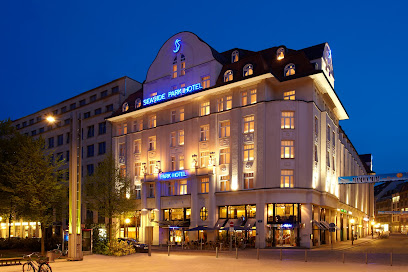
Restaurant Cafe Madrid
0.5 km
Savor the vibrant flavors of Spain at Restaurant Cafe Madrid, where authentic dishes meet warm hospitality in Leipzig's lively atmosphere.
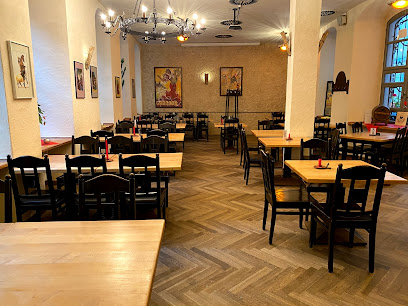
IMPERII
0.6 km
Experience the elegance of IMPERII in Leipzig - where gourmet cuisine meets vibrant nightlife in a chic setting.
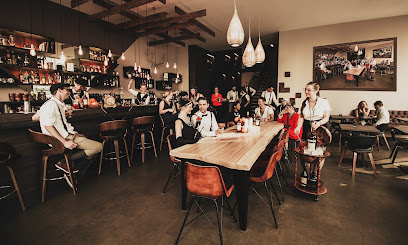
SYNDEO Restaurant Leipzig
0.6 km
Experience culinary excellence at SYNDEO Restaurant Leipzig - where local flavors meet modern dining in a vibrant atmosphere.
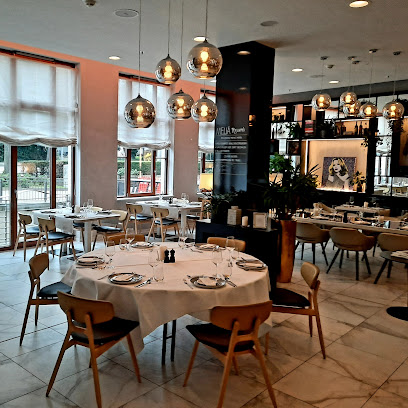
Planerts Restaurant
0.6 km
Discover culinary artistry at Planerts Restaurant in Leipzig - where fusion cuisine meets exceptional service in an elegant setting.
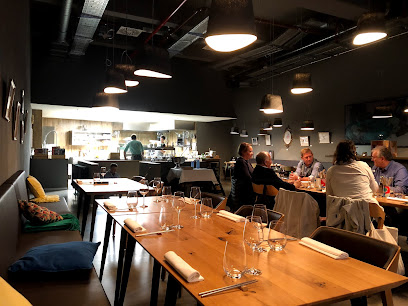
Markets, malls and hidden boutiques

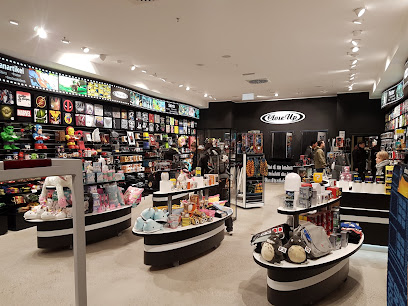
Close Up
0.2 km
Discover unique gifts and local art at Close Up, Leipzig's charming gift shop that captures the city's spirit and creativity.
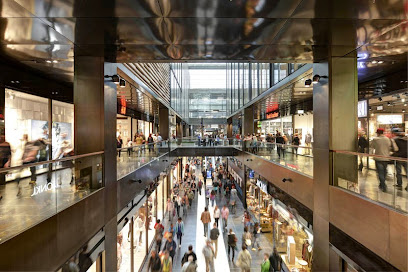
Höfe am Brühl
0.2 km
Experience the best of shopping, dining, and entertainment at Höfe am Brühl, Leipzig's premier shopping destination.
Primark Leipzig
0.2 km
Explore trendy styles at Primark Leipzig, the go-to destination for affordable fashion in the heart of the city.

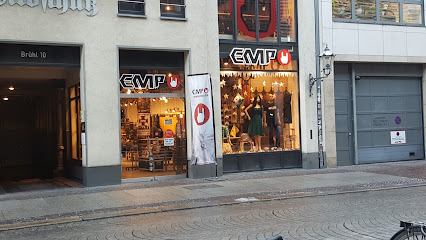
EMP Store Leipzig
0.2 km
Discover unique clothing and music memorabilia at the EMP Store Leipzig, a must-visit destination for fans and fashion enthusiasts.
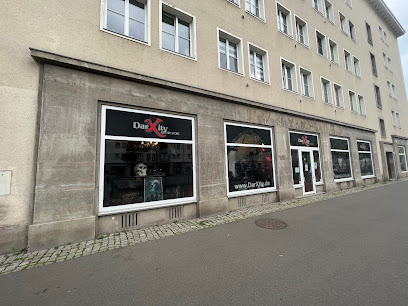
DarXity - Gothic Shop - Leipzig
0.3 km
Explore the captivating world of Gothic fashion at DarXity in Leipzig, your ultimate destination for unique clothing and accessories.
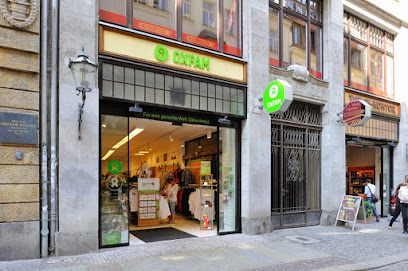
Oxfam Shop Leipzig
0.3 km
Explore Oxfam Shop Leipzig for unique second-hand treasures that support a charitable cause, offering clothing, books, and fashion accessories.
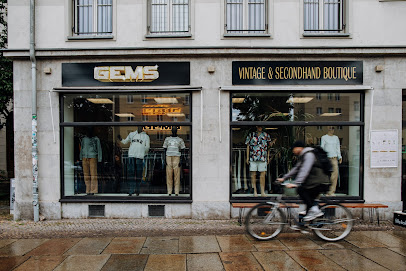
Gems Leipzig Vintage & Secondhand Boutique
0.5 km
Unearth unique fashion treasures at Gems Leipzig, where vintage meets contemporary in a sustainable shopping experience.
Betty Barclay
0.5 km
Discover stylish elegance at Betty Barclay in Leipzig, where contemporary fashion meets timeless sophistication in the heart of the city.
Pin Up 56
0.5 km
Explore Pin Up 56 in Leipzig for unique gifts and a taste of local fashion creativity, perfect for souvenirs and stylish finds.
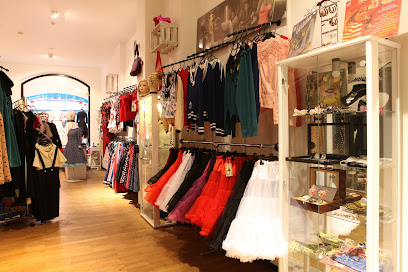
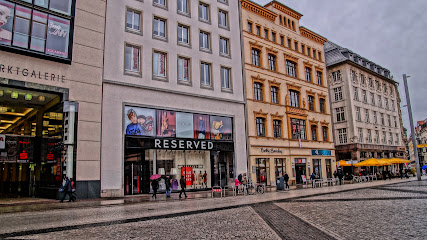
Reserved
0.5 km
Discover the ultimate shopping experience at Reserved in Leipzig, featuring stylish clothing for men, women, and children in a vibrant setting.
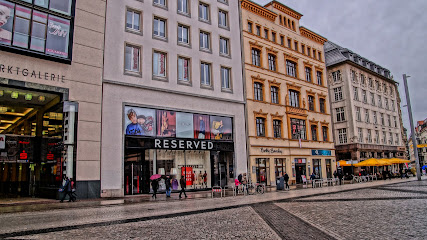
Marktgalerie
0.5 km
Explore the lively Marktgalerie in Leipzig, where shopping meets culture in a vibrant urban setting, perfect for tourists seeking local experiences.
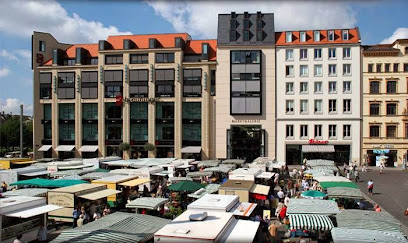
Breuninger Leipzig
0.5 km
Discover the essence of fashion at Breuninger Leipzig, where luxury meets style in a vibrant shopping environment.
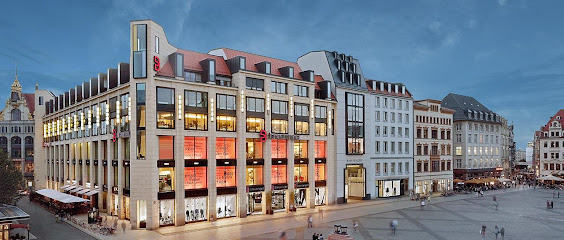
MAX&Co. - Breuninger
0.5 km
Explore the exquisite collection of women's fashion at MAX&Co. - Breuninger, Leipzig's premier boutique destination for style and elegance.

Leipzig Laden
0.6 km
Explore Leipzig Laden, a charming souvenir store in the heart of Leipzig, offering unique crafts, local gifts, and an extensive selection of books.
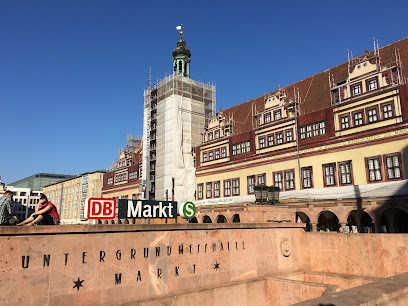
KulturShop Leipzig [ONLINESHOP]
0.6 km
Explore unique cultural treasures at KulturShop Leipzig, your go-to store for books, CDs, and memorable souvenirs in the heart of the city.
![KulturShop Leipzig [ONLINESHOP]](https://evendo-location-media.s3.amazonaws.com/ShoppingImages/08a1db64-c690-4789-ba5f-89f591c59954)
Essential bars & hidden hideouts

FALCO BAR
0.3 km
Falco Bar: Indulge in exquisite cocktails and elegant ambiance in the heart of Leipzig's nightlife.
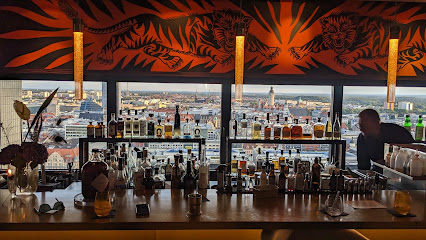
Shinto Bar & Lounge
0.3 km
Experience the vibrant nightlife of Leipzig at Shinto Bar & Lounge, where innovative cocktails and a chic atmosphere await.
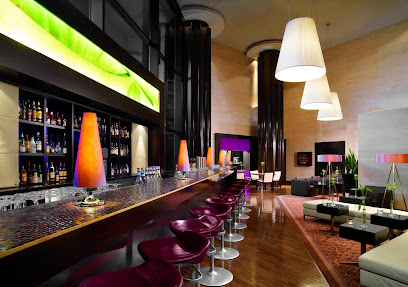
Dhillons
0.4 km
Experience the vibrant spirit of Ireland at Dhillons, Leipzig's beloved Irish pub and sports bar, perfect for tourists seeking great food and lively entertainment.
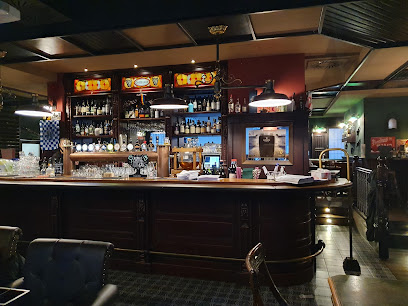
Kildare City Pub
0.5 km
Discover Kildare City Pub in Leipzig for an authentic Irish atmosphere, delicious food, and vibrant sports entertainment.
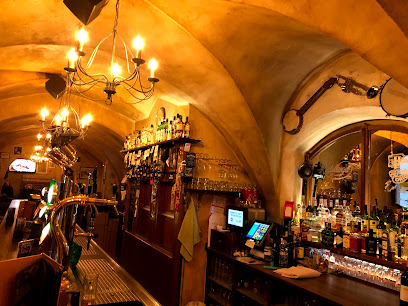
BELLINI'S BAR & RESTAURANT - Leipzig
0.5 km
Experience the vibrant atmosphere of Bellini's Bar & Restaurant, a cocktail bar and café in the heart of Leipzig with delicious food and drinks.
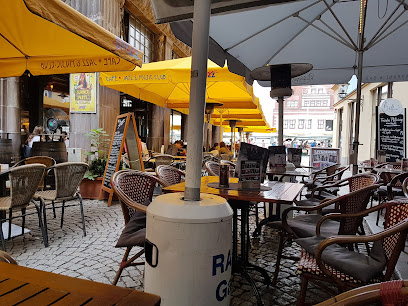
Brick's der Cocktail
0.5 km
Discover the vibrant cocktail culture at Brick's der Cocktail, a must-visit bar in Leipzig for unforgettable drinks and an electric atmosphere.
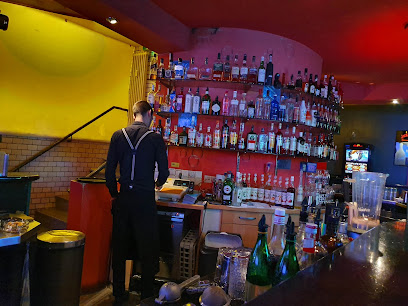
Jamboree - Leipzig
0.5 km
Discover the vibrant nightlife of Leipzig at Jamboree, a lively bar offering a unique drink selection and a welcoming atmosphere.
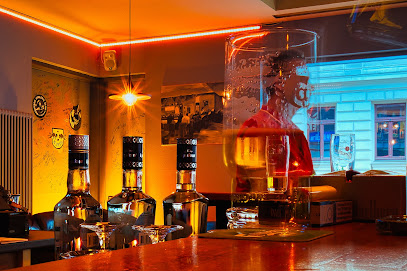
Vodkaria
0.5 km
Discover the vibrant gastropub experience at Vodkaria, Leipzig's premier destination for unique vodkas and lively nightlife.
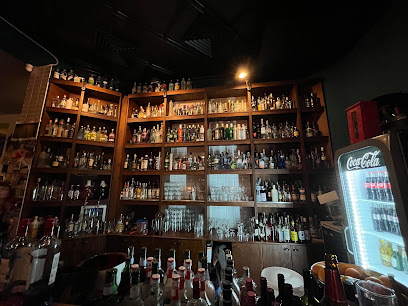
Bar Cabana Dachterrasse - Leipzig
0.6 km
Experience the vibrant atmosphere of Bar Cabana Dachterrasse, Leipzig's rooftop bar with stunning views, exquisite drinks, and delicious cuisine.
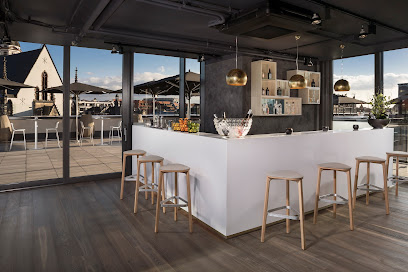
Sonderbar - Leipzig
0.6 km
Experience the vibrant atmosphere and innovative cocktails at Sonderbar in Leipzig, the perfect spot for night owls and cocktail enthusiasts.
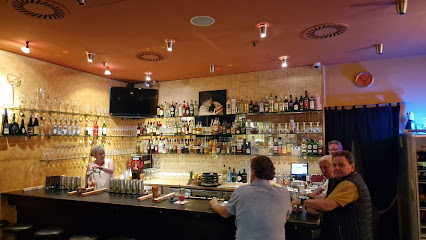
The First Whisk (e) y Bar Leipzig - Leipzig
0.6 km
Discover the ultimate whisky experience at The First Whisk(e)y Bar in Leipzig, featuring over 600 whiskies and an inviting ambiance to unwind.
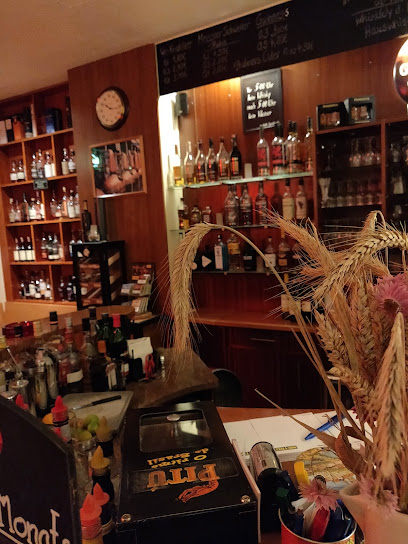
Beer bar track 8
0.6 km
Discover the essence of Leipzig's brewing culture at Beer Bar Track 8, offering a wide selection of local and international beers in a cozy setting.
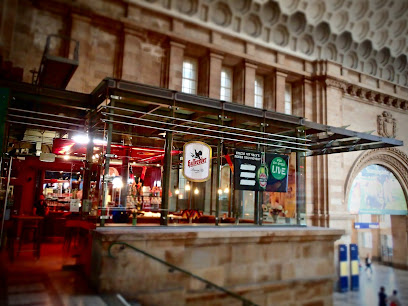
Mephisto Bar
0.7 km
Discover the enchanting Mephisto Bar in Leipzig, where history meets modernity in a cozy atmosphere with exceptional drinks.
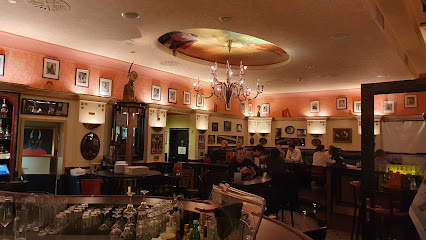
Tonelli's Leipzig
0.8 km
Explore the vibrant nightlife of Leipzig at Tonelli's, a lively live music bar and pub offering delicious food and unforgettable performances.
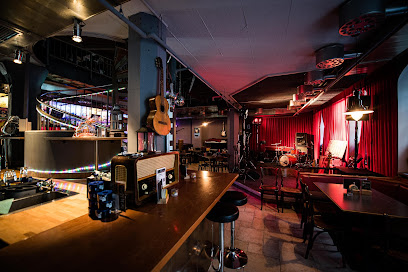
Piano Bar Leipzig
0.8 km
Experience the vibrant atmosphere of Piano Bar Leipzig, where exquisite cocktails and live music create unforgettable moments in the heart of the city.
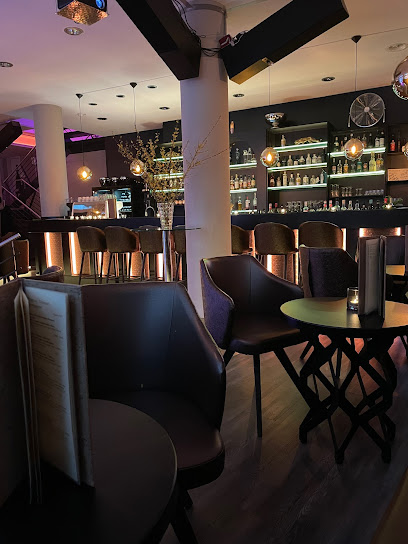
Nightclubs & after hour spots

Forever Young stage
0.2 km
Unleash your nightlife experience at Forever Young Stage, Leipzig's premier night club offering electrifying music and vibrant energy.
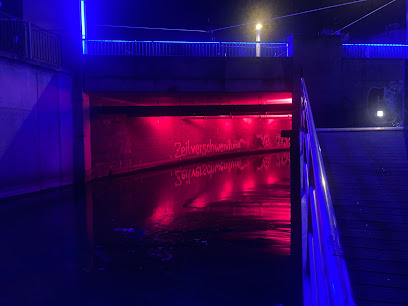
Metropolis Table Dance (Lounge - Leipzig
0.2 km
Discover the vibrant nightlife at Metropolis Table Dance Lounge in Leipzig, where entertainment meets elegance in an electrifying atmosphere.
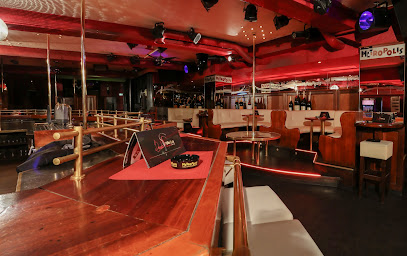
Darkflower GmbH - Leipzig
0.3 km
Immerse yourself in Leipzig's nightlife at Darkflower GmbH, a lively disco club and bar perfect for dancing and socializing with friends.
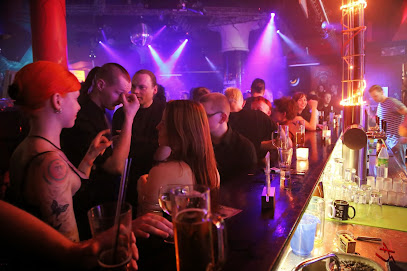
Spizz
0.5 km
Discover Spizz in Leipzig, a vibrant restaurant and jazz club offering delightful cuisine and live music in a cozy atmosphere.
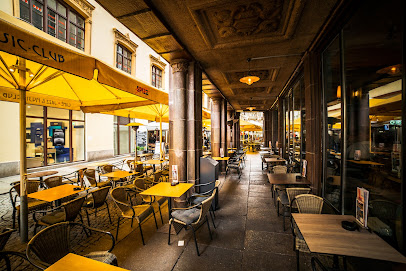
TwentyOne
0.5 km
Discover the electrifying nightlife at TwentyOne, Leipzig's premier night club, where music and dance unite in an unforgettable experience.
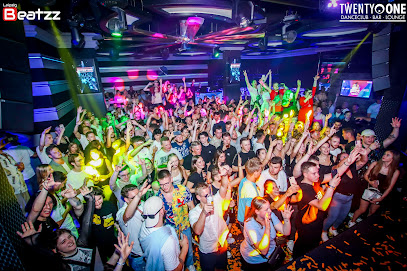
Club 21 - Hanitzsch KG
0.5 km
Discover the vibrant nightlife of Leipzig at Club 21, where music, dancing, and fun await in an energetic atmosphere.
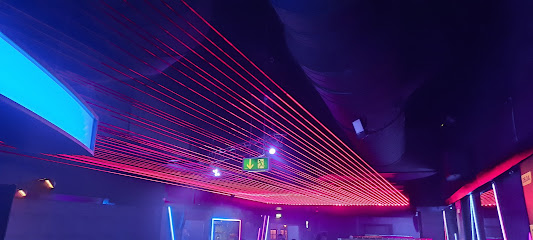
Club UNIQUE
0.6 km
Discover the pulse of Leipzig's nightlife at Club UNIQUE, a premier night club for unforgettable nights filled with music and dancing.
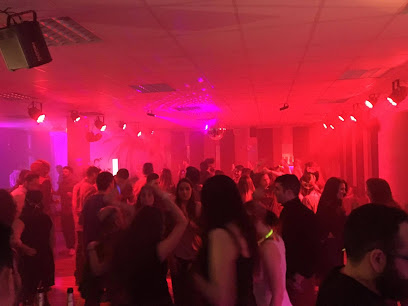
Club Koenigshaus GmbH - Leipzig
0.6 km
Discover the electrifying nightlife at Club Koenigshaus in Leipzig, where music, dance, and a vibrant crowd come together for an unforgettable experience.
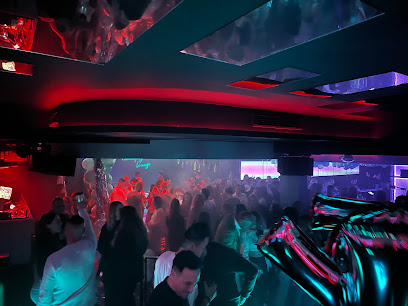
PENDO - Leipzig
0.8 km
Experience the electrifying nightlife of Leipzig at PENDO, the ultimate destination for music, dancing, and unforgettable memories.
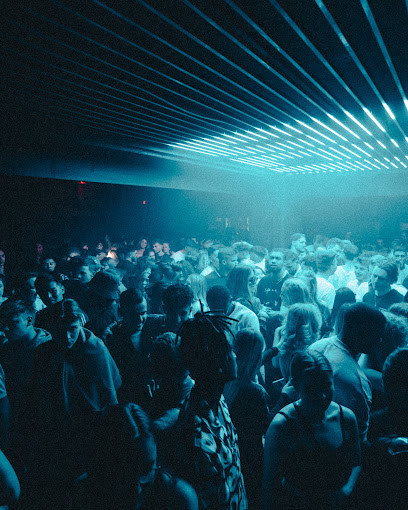
Nachtcafe
0.9 km
Experience the vibrant nightlife of Leipzig at Nachtcafe, a dynamic club blending dance, music, and a lively bar atmosphere.

KÄTZ | LIFESTYLE & DANCECLUB | DRINKS & FOOD I SAUNA & POOLS
1.3 km
Experience the vibrant nightlife of Leipzig at KÄTZ, a unique club combining energetic dance floors with relaxing saunas and pools.
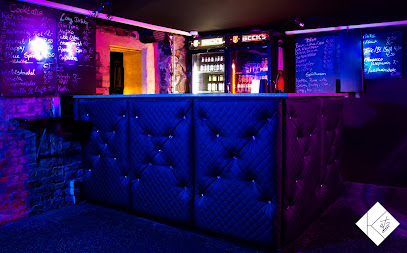
Flowerpower - Leipzig
1.5 km
Discover the best of Leipzig's nightlife at Flowerpower - a vibrant night club and karaoke bar that promises unforgettable fun and entertainment.
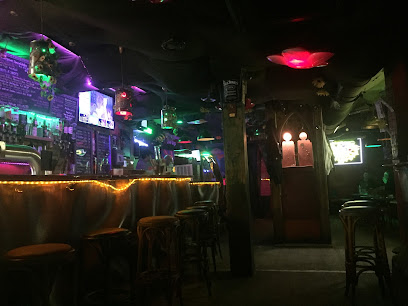
Pandora Apartments
1.8 km
Discover the electrifying nightlife at Pandora Apartments, Leipzig's top night club offering unforgettable experiences and vibrant entertainment.
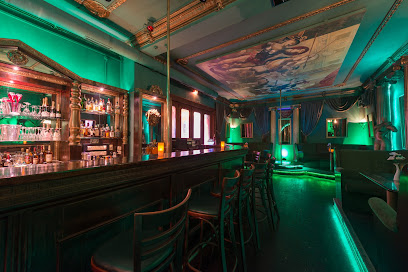
Jonas Günther
2.3 km
Discover the heart of Leipzig's nightlife at Jonas Günther, where music, dance, and vibrant energy create unforgettable nights.
Club Velvet
2.3 km
Dive into the electric nightlife of Leipzig at Club Velvet, where music, dance, and unforgettable experiences come alive every weekend.