Herrnburger Dünen, Lubeck Travel Guide
Explore the unique inland dune landscape of Herrnburger Dünen near Lübeck, a haven for wildlife and a reminder of the region's diverse natural history.
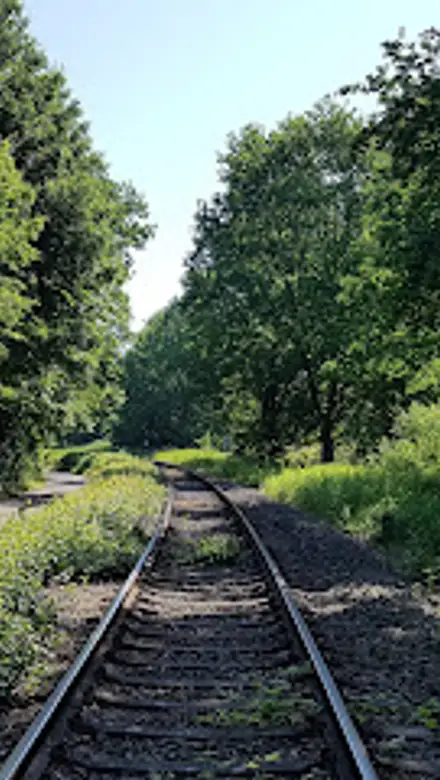
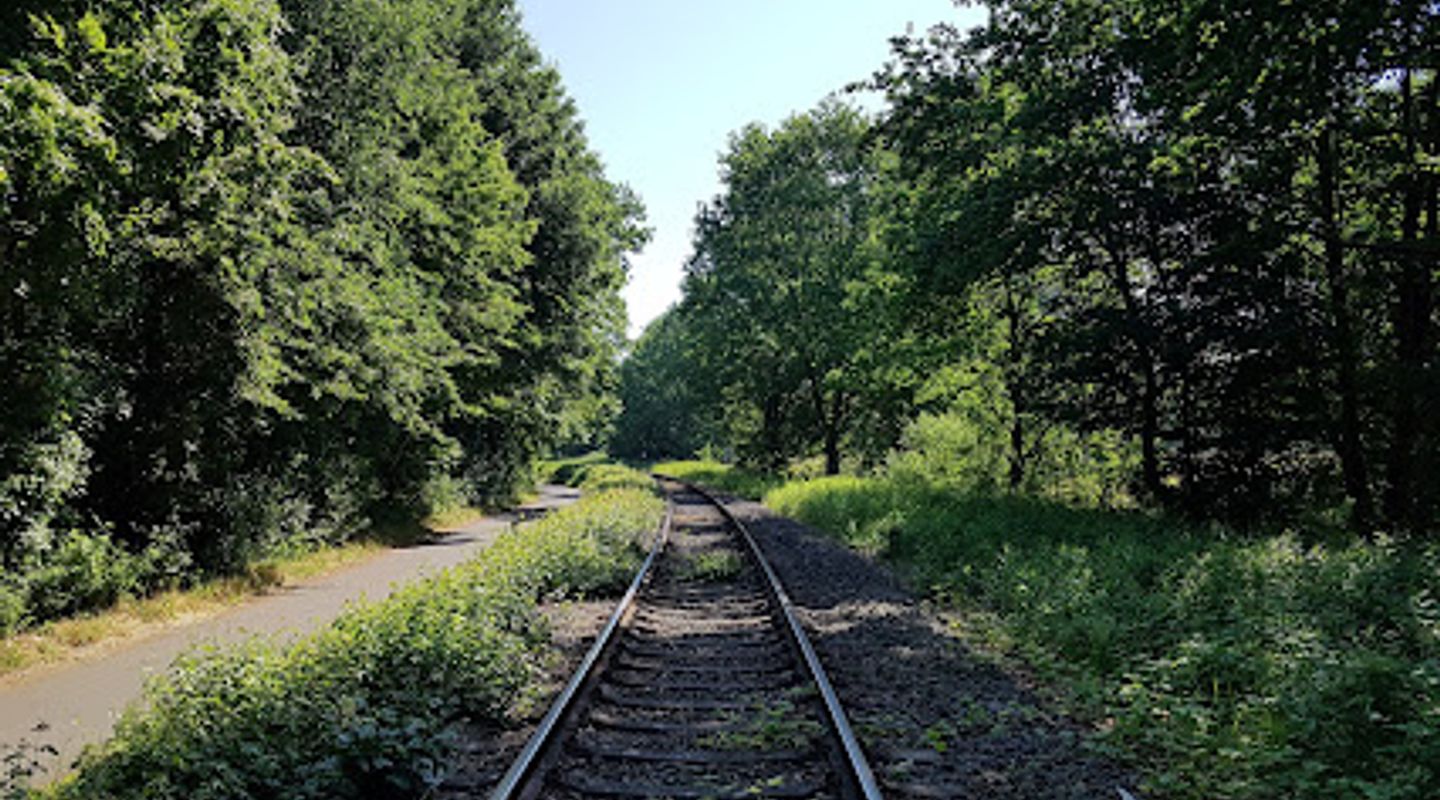
The Herrnburger Dünen, nestled near Lübeck, offer a unique glimpse into a rare inland dune ecosystem. Part of the Wakenitz Nature Reserve, these dunes showcase diverse habitats, from sandy grasslands and heathlands to forests and moor vegetation. This protected area provides a haven for wildlife, including the elusive European otter and moor frog. Visitors can explore scenic trails, observe unique flora and fauna, and experience the tranquility of this natural landscape. The dunes' proximity to the former East-West German border adds a layer of historical significance, making it a compelling destination for nature enthusiasts and history buffs alike. The Herrnburger Dünen are a reminder of the region's diverse natural history.
A brief summary to Herrnburger Dünen
- Lübeck, St. Gertrud, DE

Know before you go
Hi, I'm Eve. Here are a few practical things to know before exploring Herrnburger Dünen.
- Wear sturdy shoes suitable for walking on sand and uneven terrain.
- Bring binoculars for birdwatching, especially during migration seasons.
- Visit during the heather blooming season (late summer) for the most vibrant colors.
- Combine your visit with a trip to the nearby Wakenitz River for a scenic boat tour.
- Check for ticks after your visit, as they are common in grassy and wooded areas.
Do you manage this location?
Take control to get all the benefits, like improved information, better appearance, and stronger visibility across AI-powered discovery. Learn more about listing your business on Evendo
Activate your presenceOther nearby places you may find interesting
The closest places of the same kind, if this one is not quite what you had in mind.


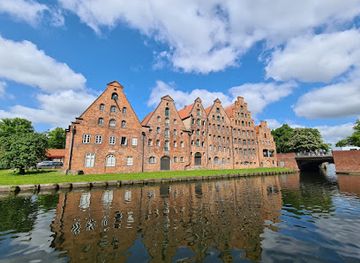
Explore Herrnburger Dünen on the Map
A handpicked selection of must-see spots near Herrnburger Dünen, mapped for you.
Getting There
-
Public Transport
From Lübeck Hauptbahnhof (main train station), take bus line 5 towards Herrnburg. Get off at the 'Herrnburg Ahornweg' stop. From there, walk approximately 15 minutes north along the road, following signs for the Wakenitz Nature Reserve. The entrance to the Herrnburger Dünen will be on your left. A single bus fare is approximately €3-€4.
-
Taxi/Ride-Share
A taxi or ride-share from Lübeck city center to the Herrnburger Dünen will cost approximately €15-€25, depending on traffic and the specific location of your starting point. The journey takes around 15-20 minutes. Be sure to specify 'Herrnburger Dünen, Lübeck-Eichholz' as your destination.
-
Driving
From Lübeck city center, follow the B104 towards Lübeck-Eichholz. Continue onto Eichholzer Chaussee. Turn left onto Herrenweg, then turn right onto Ahornweg. Limited free parking is available near the entrance to the Herrnburger Dünen. Parking can be difficult during peak season. Consider using public transport if parking is full.
Discover more about Herrnburger Dünen













Your all‑in‑one travel companion app
Explore expert travel guides, compare and book tours, experiences, hotels, and more—all from the palm of your hand. Download now for seamless trip planning wherever your wanderlust takes you.


Explore More of Lubeck
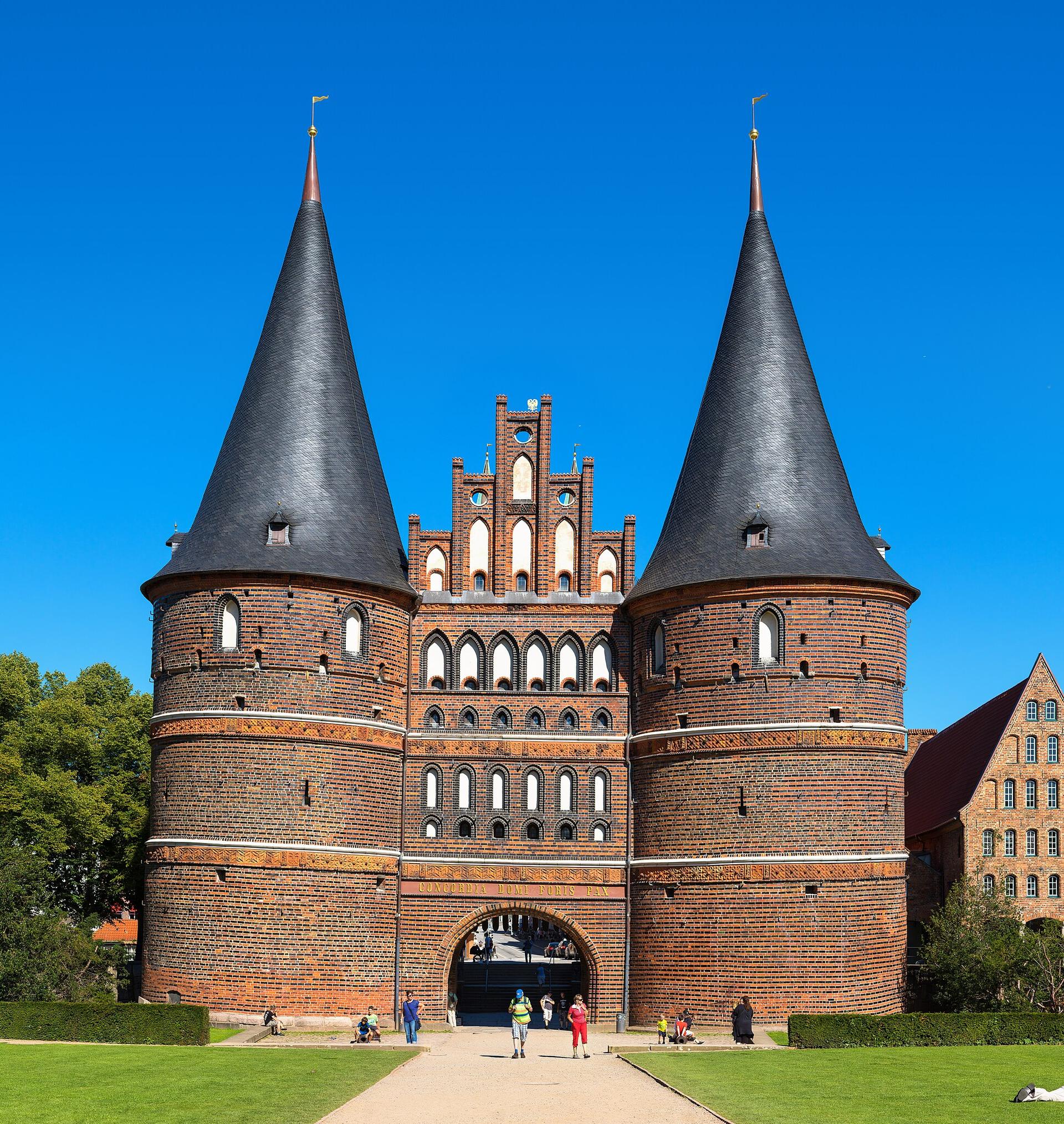
Looking beyond Herrnburger Dünen? Discover Lubeck for broader travel guides, local hot-spots, and regional highlights.
Explore Lubeck
Explore the Burgkloster in Lübeck, a medieval monastery turned museum, offering a captivating journey through Hanseatic history and the city's rich cultural heritage within its ancient walls.
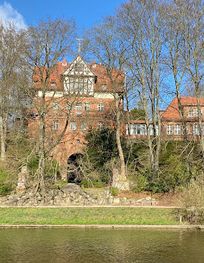
Discover the Kaisertor in Lübeck, a historical landmark blending medieval defense with 19th-century architecture, offering a glimpse into the city's Hanseatic past and strategic importance.