Burgkloster: Echoes of Lübeck's Past
Explore the Burgkloster in Lübeck, a medieval monastery turned museum, offering a captivating journey through Hanseatic history and the city's rich cultural heritage within its ancient walls.
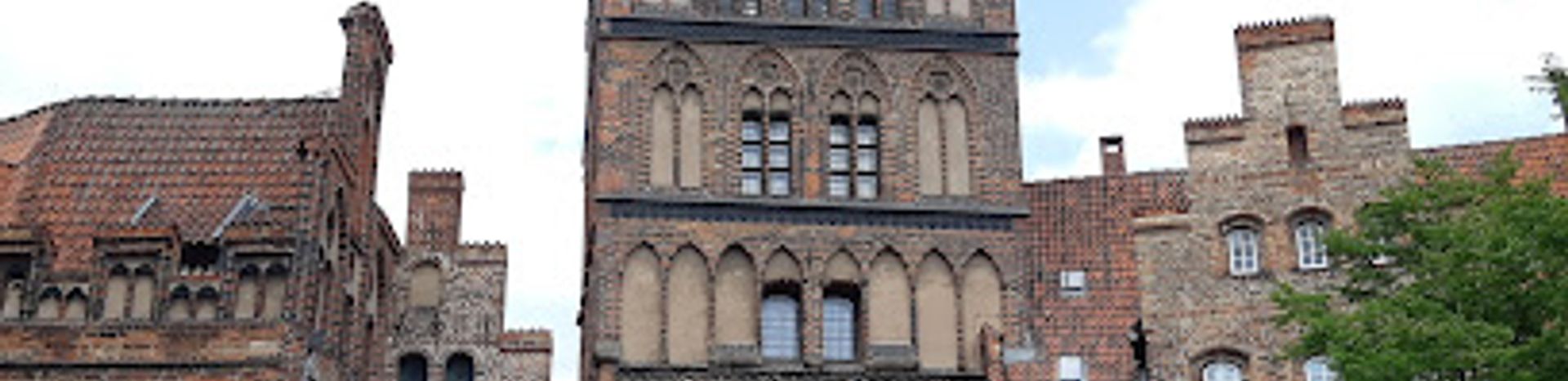
The Burgkloster, or Castle Friary, stands as a significant medieval monastery complex in Northern Germany, deeply intertwined with Lübeck's rich history. Founded in 1229, it transitioned from a Dominican monastery to a poorhouse, a court, and even a Nazi prison, bearing witness to centuries of transformation. Today, integrated with the European Hansemuseum, the Burgkloster invites visitors to explore its historic walls and discover exhibits detailing Lübeck's Jewish community and its pivotal role in the Hanseatic League. Wander through staged spaces and view valuable original objects, immersing yourself in the stories etched within these stones. Located near the Burgtor, the monastery is easily accessible and offers a compelling glimpse into Lübeck's layered past, making it a must-see for history enthusiasts.
A brief summary to Burgkloster Monasterio del Castillo
- Burgtorbrücke 1, Lübeck, Lübecker Altstadt, 23552, DE
- Visit website
Local tips
- Combine your visit with a tour of the European Hansemuseum to fully appreciate the historical context of the Burgkloster and its role in the Hanseatic League.
- Take advantage of the audio guide to delve deeper into the history of the monastery and its various transformations over the centuries.
- Check for special events or guided tours focusing on specific aspects of the Burgkloster's history, such as its time as a Nazi prison.

Getting There
-
Walking
From Lübeck's city center or the Holstentor, the Burgkloster is easily reachable by foot. Head north, following the Untertrave along the river. You'll pass the Drehbrücke (swing bridge). Continue towards the Burgtor (Castle Gate), the northern city gate. The Burgkloster is located adjacent to the Burgtor, integrated into the European Hansemuseum complex. The walk is approximately 10-15 minutes from the Holstentor and offers scenic views of the Old Town. No costs are associated with walking.
-
Public Transport
If arriving by train at Lübeck Hauptbahnhof (main station), take bus lines 4, 10, 11, 12, 21, 30, 31, 32, 39, or 40 to the 'Lübeck Große Burgstraße' stop. The Burgkloster is located a short walk from the bus stop, near the Burgtor. A single bus fare within Lübeck is approximately €2.50 - €3.00.
-
Taxi/Ride-Share
A taxi or ride-share from Lübeck Hauptbahnhof to the Burgkloster will take approximately 5-10 minutes, depending on traffic. The estimated fare is between €10-€15. Direct the driver to Burgtorbrücke 1, 23552 Lübeck.
-
Driving
If driving, be aware that parking in Lübeck's Old Town is limited and can be expensive. Consider parking outside the Old Town walls and walking or taking public transport. The closest parking garage is 'Am Burgtor' (Am Burgtor, 23552 Lübeck). Hourly rates are approximately €1.20, with a day pass costing around €6.00. From the parking garage, the Burgkloster is a short walk away.
Discover more about Burgkloster Monasterio del Castillo
Iconic landmarks you can’t miss

Burgtor in Lübeck
0.1 km
Discover the Burgtor in Lübeck: a historic northern gate, a masterpiece of Gothic architecture, and a gateway to the city's Hanseatic past and vibrant present.
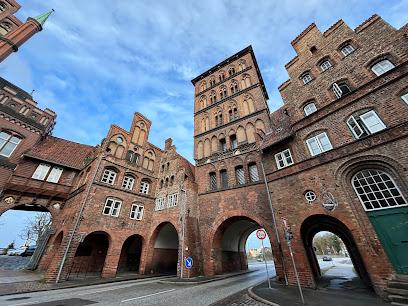
Koberg
0.3 km
Discover Koberg in Lübeck: A captivating square where medieval architecture meets Hanseatic history, offering a unique glimpse into the city's rich cultural heritage.
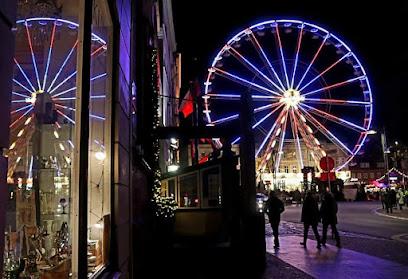
Lübeck Altstadt
0.5 km
Explore Lübeck's Altstadt, a UNESCO World Heritage site, where medieval charm meets modern vibrancy in a captivating blend of history, architecture, and Hanseatic heritage.
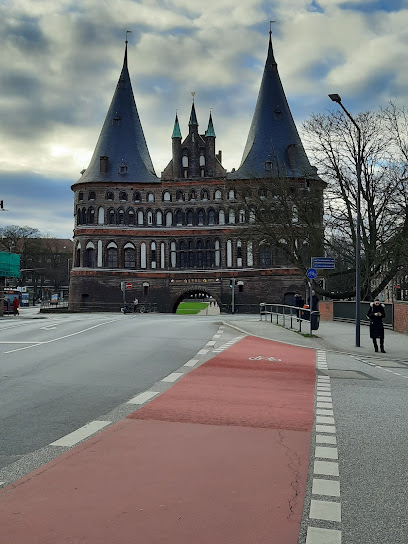
Lübecker Altstadt
0.7 km
Explore Lübeck's UNESCO-listed Altstadt: a captivating blend of medieval architecture, Hanseatic history, and cultural treasures, offering an unforgettable journey through time.

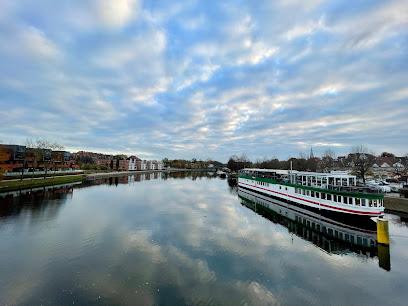
Klughafenbrücke
0.7 km
Discover the shimmering Klughafenbrücke in Lübeck, connecting history and modernity with scenic views of the Kanaltrave and easy access to UNESCO World Heritage sites.
Jerusalemsberg
0.7 km
Discover Jerusalemsberg in Lübeck: A historical landmark offering serene green spaces, a Gothic shrine, and panoramic city views, perfect for history enthusiasts and peaceful retreats.
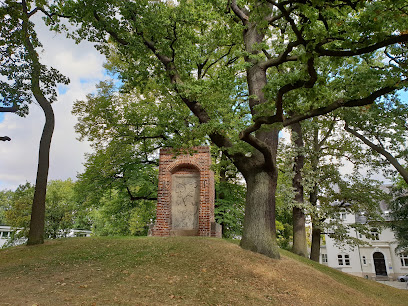
Gedenkstätte Jerusalemsberg
0.8 km
Reflect on history and honor the victims of the Holocaust at Gedenkstätte Jerusalemsberg in Lübeck, a serene memorial park offering a space for contemplation and remembrance.
Marienkirche
0.8 km
Discover St. Mary's Church in Lübeck: A Brick Gothic masterpiece with soaring towers, rich history, and poignant wartime stories, offering an unforgettable cultural experience.
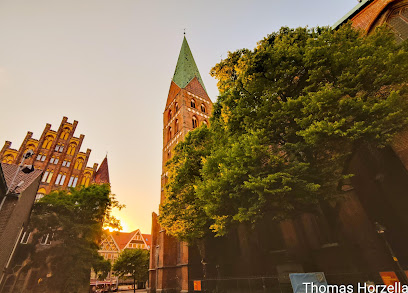
The Broken Bells Of St. Mary's
0.9 km
Witness history etched in shattered bells at Lübeck's St. Mary's Church, a powerful memorial to peace within a Brick Gothic masterpiece, a UNESCO World Heritage site.
Froschkönigteich
0.9 km
Discover the enchanting Froschkönigteich in Lübeck's Stadtpark, a serene oasis with a fairytale charm, perfect for relaxation and a touch of magic in the heart of St. Gertrud.
Marktplatz Lübeck
0.9 km
Discover Lübeck's Marktplatz: a historic square in the heart of the Altstadt, surrounded by stunning architecture and steeped in Hanseatic history, offering a vibrant cultural experience.
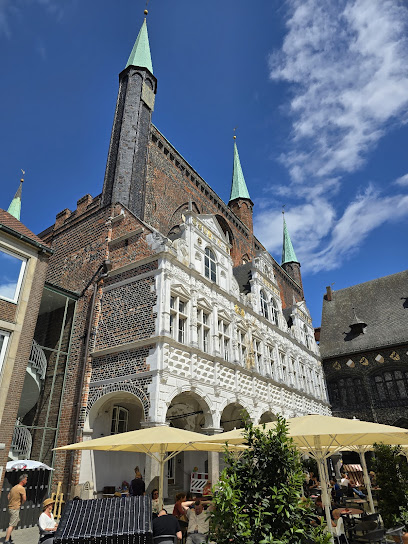
Reliefkarte von Lübeck
0.9 km
Discover Lübeck's historic heart: Markt, where centuries of history meet vibrant modern life in a UNESCO World Heritage setting.
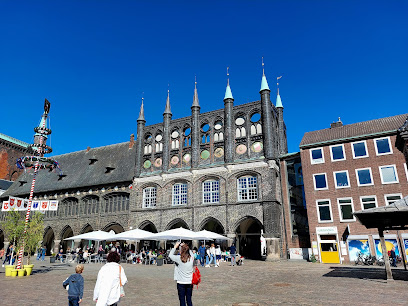
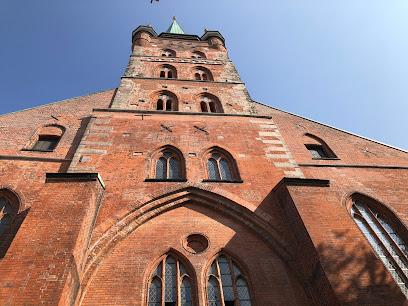
St. Peter's Church
1.0 km
Explore Lübeck's St. Peter's Church: A historic Brick Gothic masterpiece offering panoramic views, modern art, and cultural events in the heart of the UNESCO-listed Old Town.
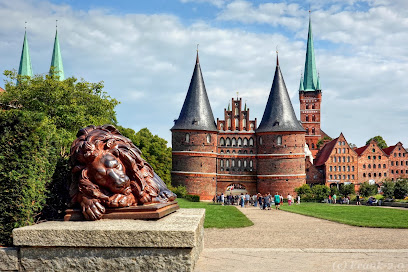
Lübecker Löwen
1.2 km
Discover the majestic Lübecker Löwen, symbols of Lübeck's Hanseatic heritage, guarding the historic Burgtor and Holstentor in the heart of this UNESCO World Heritage city.
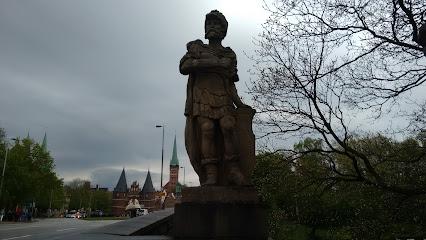
Puppenbrücke
1.3 km
Cross Lübeck's historic Puppenbrücke, adorned with captivating statues, and step into a world where art, history, and Hanseatic charm converge in a picturesque setting.
Unmissable attractions to see

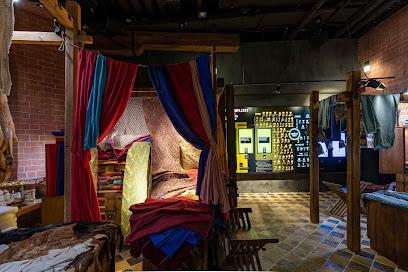
European Hansemuseum
0.1 km
Explore Lübeck’s rich maritime heritage at the European Hansemuseum, where history comes alive through captivating exhibits and interactive displays.
Zöllnerhaus
0.1 km
Explore Zöllnerhaus in Lübeck, where history and architecture blend seamlessly in a captivating tourist attraction.
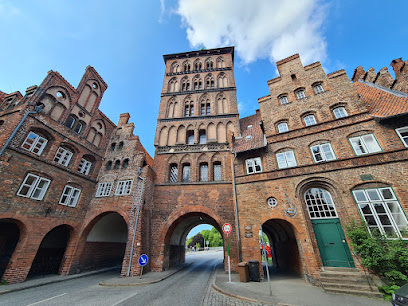
Skulptur der Maria Magdalena
0.1 km
Explore the rich artistic heritage of Lübeck at the Skulptur der Maria Magdalena, a serene tribute to Mary Magdalene in the heart of the historical Altstadt.
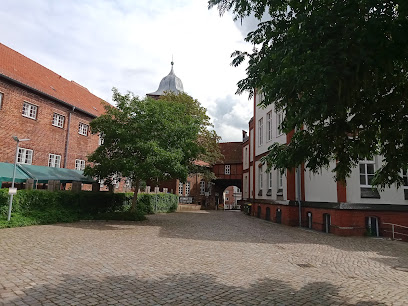
Hanseschiff „Lisa von Lübeck“
0.2 km
Discover the maritime history of Lübeck aboard the Hanseschiff ‘Lisa von Lübeck’, a floating museum celebrating the Hanseatic League's legacy.
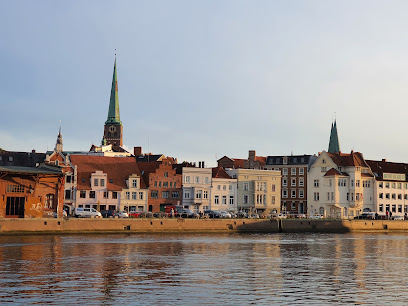
Petersilienstraße
0.3 km
Discover the charm of Petersilienstraße in Lübeck, where medieval history meets vibrant local culture amidst stunning architecture.
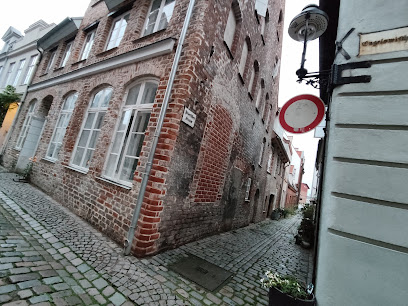
Panorama Gang
0.3 km
Discover the breathtaking views of Lübeck at Panorama Gang, a must-visit tourist attraction that captures the city's cultural heritage and stunning landscape.
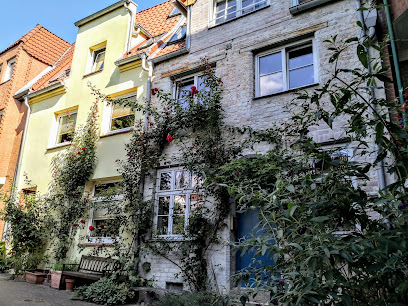
Engelswisch
0.3 km
Discover the medieval charm of Engelswisch in Lübeck, a UNESCO World Heritage site with stunning architecture and vibrant cultural experiences.
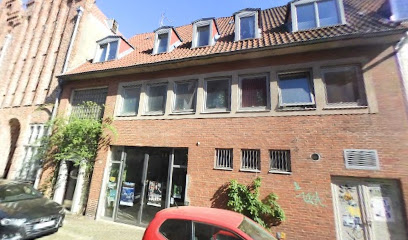
Thorweg
0.3 km
Explore the historic charm of Thorweg in Lübeck, a picturesque attraction filled with medieval architecture and vibrant local culture.
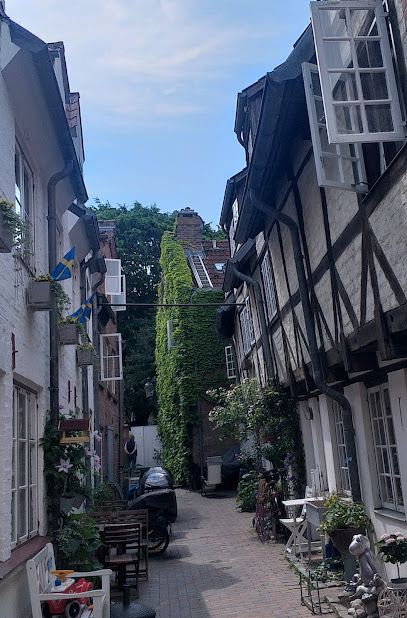
Hospital of the Holy Spirit
0.3 km
Experience history at the Hospital of the Holy Spirit, a medieval gem in Lübeck showcasing centuries of compassion and care amidst stunning architecture.
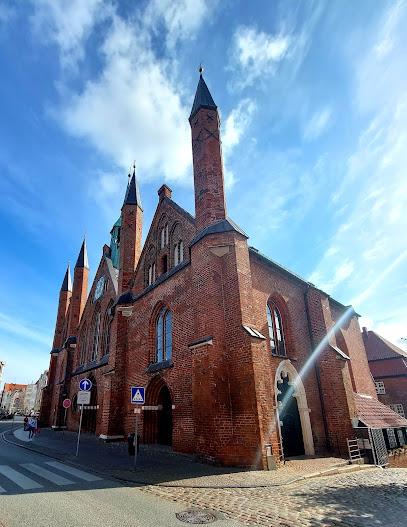
Gloxin Stiftungshaus
0.3 km
Discover the serene beauty and rich history of Gloxin Stiftungshaus in Lübeck, a charming tourist attraction steeped in cultural heritage.
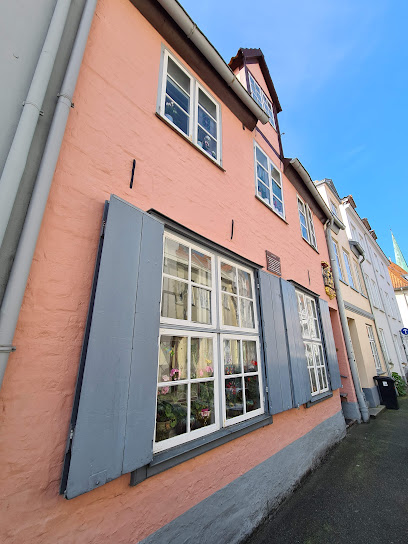
Museum Behnhaus Drägerhaus
0.4 km
Explore the rich art collections and serene atmosphere of Museum Behnhaus Drägerhaus in Lübeck, a cultural treasure for art lovers.
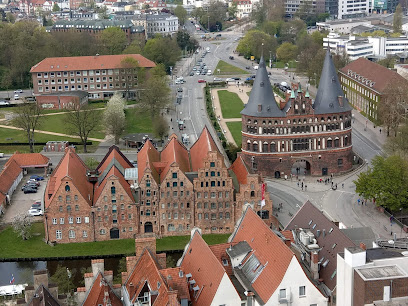
Willy Brandt House, Lübeck
0.5 km
Explore the legacy of Willy Brandt at this engaging museum, celebrating history, politics, and peace in the heart of Lübeck.
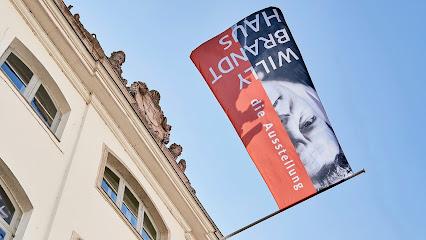
Füchtingshof
0.5 km
Explore the serene beauty and historical charm of Füchtingshof, a must-visit tourist attraction in Lübeck's picturesque Altstadt.
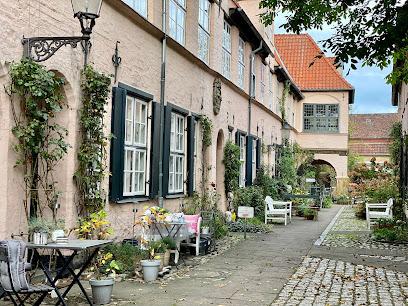
Museumshafen Lübeck
0.6 km
Discover Lübeck's maritime history at Museumshafen, a charming open-air museum filled with historic ships and scenic waterfront views.
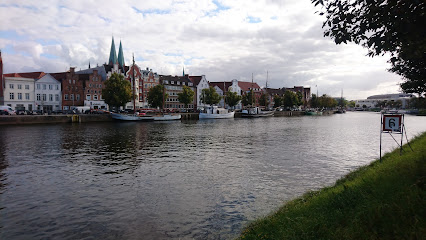
Wassertreppe Lübeck
0.6 km
Experience the beauty and history of Wassertreppe Lübeck, a stunning water staircase in the heart of Germany's charming old town.
Essential places to dine

Taj Mahal Restaurant
0.3 km
Discover the vibrant flavors of India at Taj Mahal Restaurant in Lübeck - where every dish tells a story.
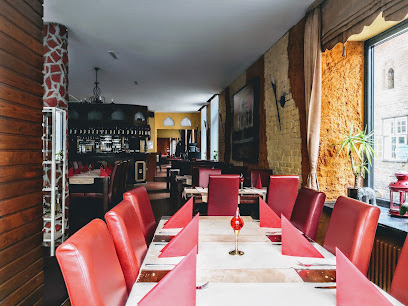
DAS KÖSTLICH-Lübeck Altstadt
0.3 km
Experience exceptional German cuisine at DAS KÖSTLICH in Lübeck's historic Altstadt - where tradition meets innovation.
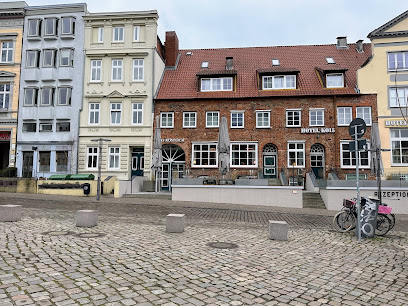
KOCHWERK Lübeck - das Restaurant
0.3 km
Experience exceptional local cuisine at KOCHWERK Lübeck - a buffet restaurant celebrating fresh ingredients and delicious flavors.
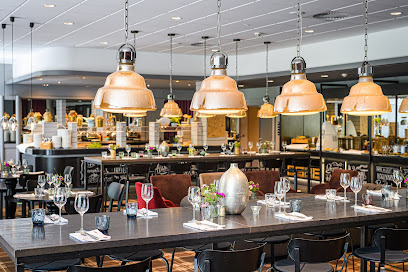
Lübecker Kartoffelkeller
0.3 km
Experience authentic German cuisine at Lübecker Kartoffelkeller, where hearty potato dishes meet charming ambiance in Lübeck's historic old town.
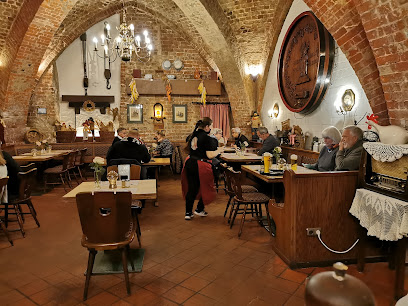
Schiffergesellschaft
0.4 km
Discover the rich flavors of traditional German cuisine at Schiffergesellschaft in Lübeck's historic Altstadt.
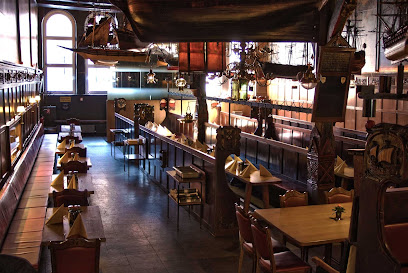
Ristorante La Casa
0.4 km
Savor authentic Italian cuisine at Ristorante La Casa in Lübeck – where every dish tells a story of tradition and passion.
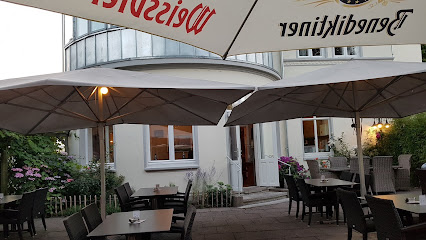
Meilenstein Restaurant & Bar - Lübeck
0.4 km
Experience fine dining at Meilenstein Restaurant & Bar in Lübeck—where traditional German cuisine meets modern culinary artistry.
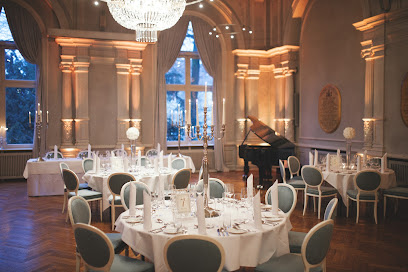
Das Kleine Restaurant
0.4 km
Experience authentic German cuisine at Das Kleine Restaurant in Lübeck - where tradition meets taste.
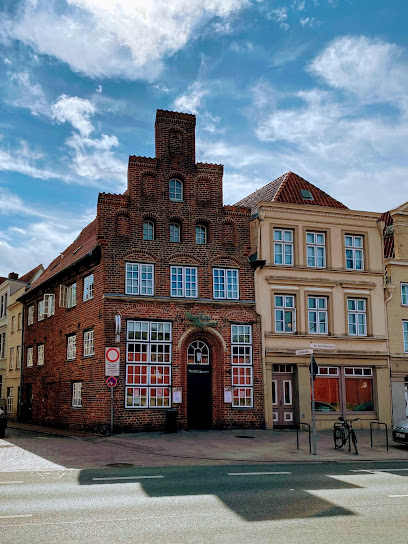
The Newport Restaurant & Marina - Lübeck
0.5 km
Experience exquisite dining at The Newport Restaurant & Marina in Lübeck – where culinary excellence meets breathtaking waterfront views.
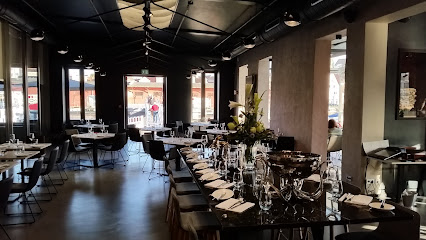
Prätor-Haus - Da Luigi
0.5 km
Experience authentic Italian cuisine at Prätor-Haus - Da Luigi in Lübeck's historic Altstadt – where flavor meets tradition.
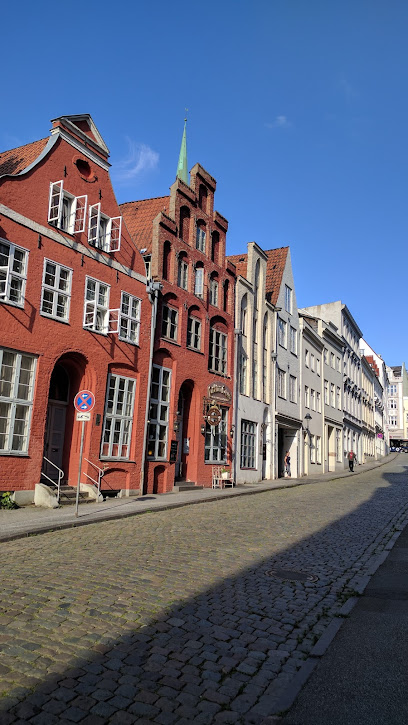
Fangfrisch
0.5 km
Experience the best of Lübeck's seafood at Fangfrisch, where fresh ingredients meet culinary excellence in a cozy atmosphere.
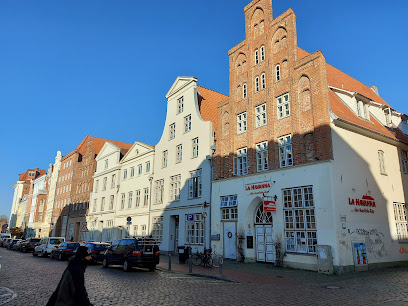
Ristorante Gusto
0.6 km
Experience authentic Italian cuisine at Ristorante Gusto in Lübeck's historic Altstadt—where every dish is crafted with passion and tradition.
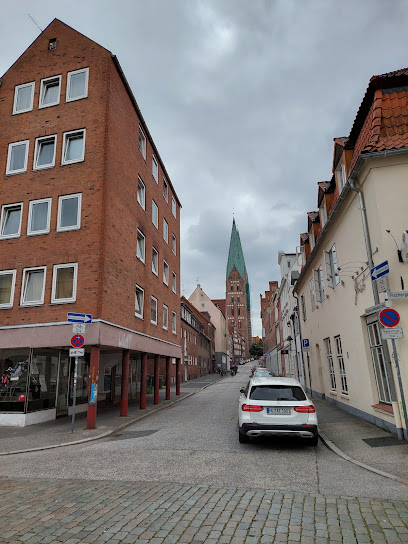
Blechtrommel
0.6 km
Experience authentic Polish cuisine at Blechtrommel in Lübeck's historic district - a cozy eatery serving traditional dishes full of flavor.
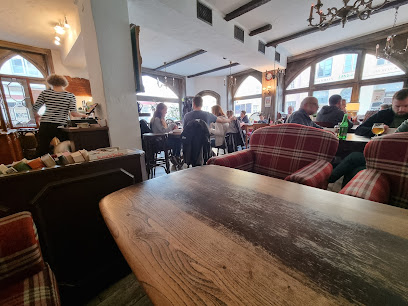
Lübecker Nudelkontor
0.6 km
Experience authentic Italian cuisine at Lübecker Nudelkontor - where handmade pasta meets the charm of Lübeck's historic Altstadt.
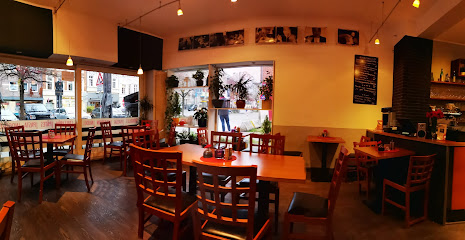
Johanna Berger
0.8 km
Experience the culinary magic of Lübeck at Johanna Berger - where tradition meets innovation in every dish.
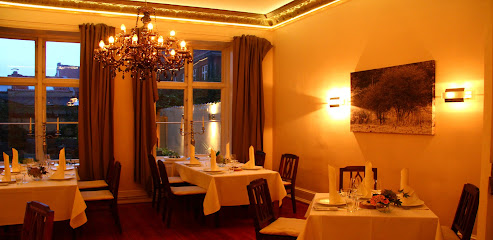
Markets, malls and hidden boutiques

Laden 15 - Lübeck
0.6 km
Explore Laden 15 in Lübeck for unique clothing, stylish accessories, and memorable gifts that capture the essence of your travels.
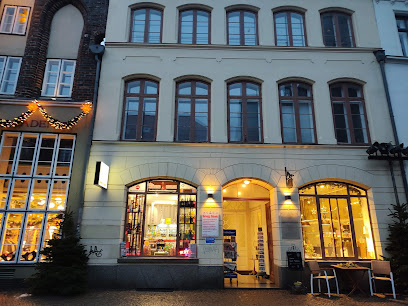
Zara
0.6 km
Discover the latest fashion trends at Zara in Lübeck's historic old town, where style meets affordability in a vibrant shopping experience.
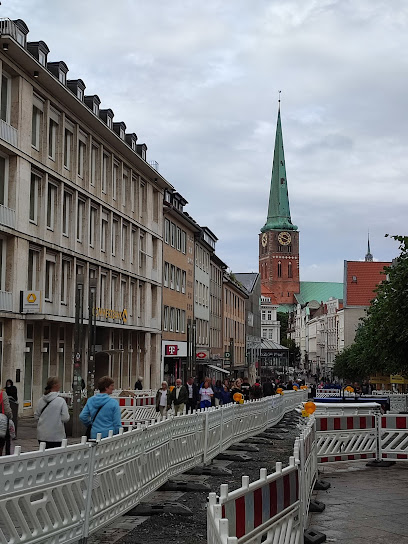
Flying Tiger Copenhagen
0.7 km
Explore a whimsical gift shop in Lübeck filled with unique, affordable items for all ages at Flying Tiger Copenhagen.
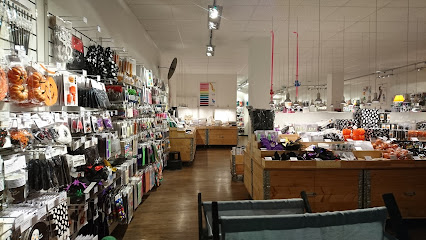
Nanu Nana
0.7 km
Explore Nanu Nana in Lübeck for charming gifts, unique crafts, and delightful home goods that capture the spirit of your travels.
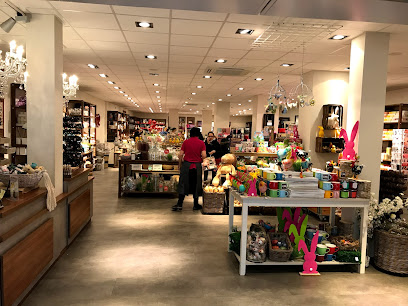
HERZENSWUNSCH concept store
0.8 km
Explore HERZENSWUNSCH in Lübeck: A charming concept store offering unique gifts and local treasures that celebrate the spirit of craftsmanship.
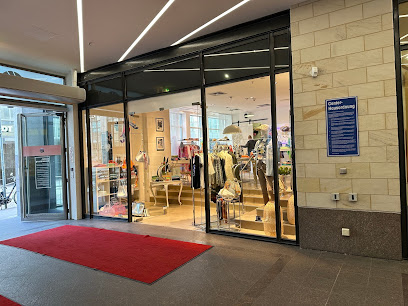
Lichthof Lübeck
0.8 km
Discover a unique blend of shopping and local culture at Lichthof Lübeck, a must-visit mall in Lübeck's historic center.
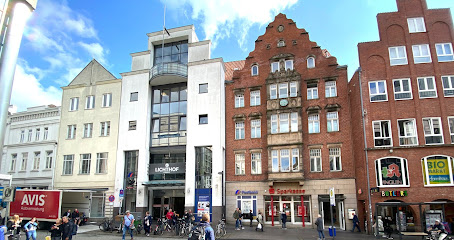
BUTLERS@home24 Lübeck Königstraße
0.8 km
Discover unique gifts and stylish home goods at BUTLERS@home24 Lübeck Königstraße, a must-visit shop in the heart of Lübeck's historic district.
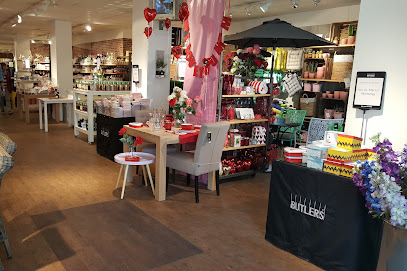
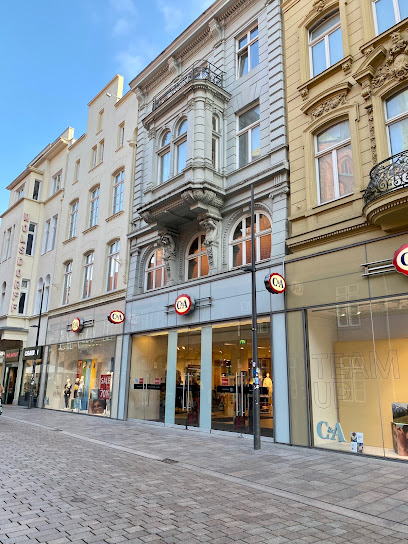
C&A
0.8 km
Discover the latest fashion trends at C&A in Lübeck, your go-to clothing store for stylish apparel for the whole family.
Lübeck Laden
0.8 km
Explore Lübeck Laden, a charming gift shop in Lübeck's Altstadt, perfect for unique souvenirs and local crafts to remember your visit.
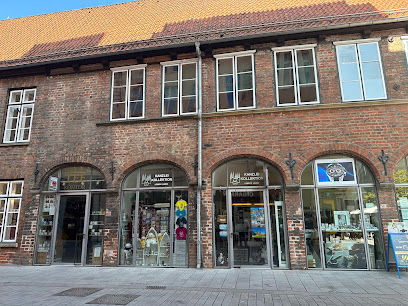
Wicky Lübeck
0.9 km
Discover unique souvenirs and local crafts at Wicky Lübeck, the ultimate gift shop in the heart of Lübecker Altstadt.
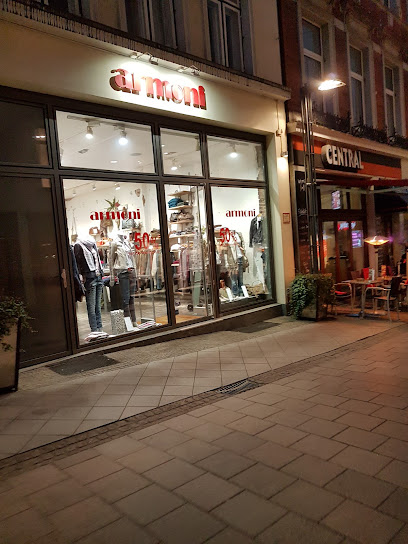
Boutique Armoni
0.9 km
Discover unique fashion finds at Boutique Armoni in Lübeck's historic Altstadt, where style meets local charm in a welcoming atmosphere.
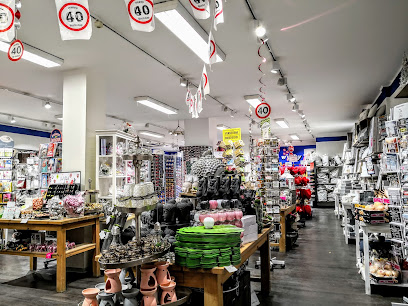
Principessa - Geschenkartikel & Wohnaccessoires
0.9 km
Explore the charm of Lübeck with unique gifts and home accessories at Principessa, a must-visit gift shop in the heart of the city.
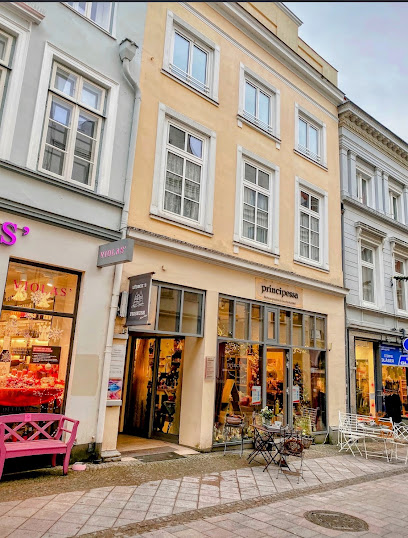
CLASSICO Lübeck
0.9 km
Discover the chic elegance of CLASSICO Lübeck, where exquisite women's fashion meets the charm of historic Lübeck.
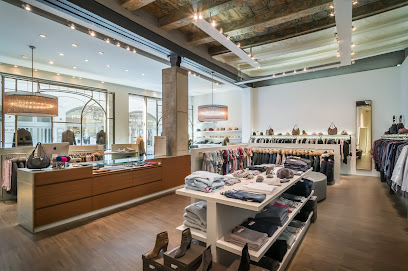
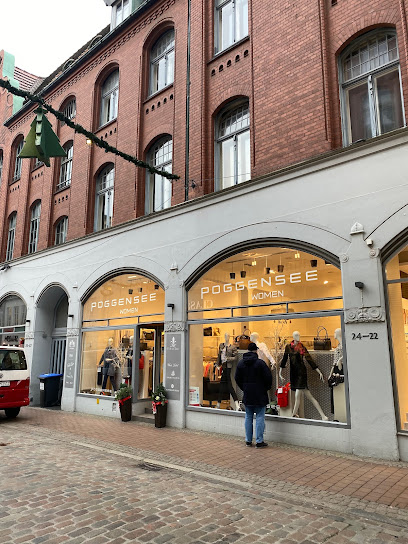
Poggensee Textilhandelskontor GmbH
0.9 km
Explore Poggensee Textilhandelskontor GmbH in Lübeck for a unique selection of elegant women's clothing that celebrates local fashion and style.
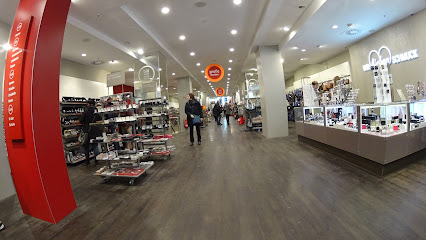
TK Maxx
0.9 km
Discover unbeatable deals on fashionable finds at TK Maxx, a must-visit department store in Lübeck's historical district.
Essential bars & hidden hideouts

Tonfink - Kulturcafé & Bar - Lübeck
0.3 km
Experience the vibrant cultural atmosphere of Tonfink, a unique bar and café in Lübeck, known for live music and delightful beverages.
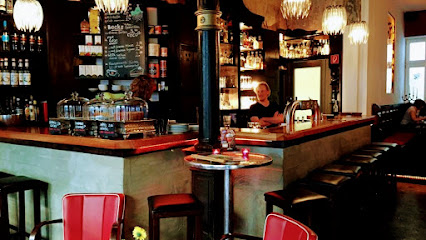
Gotteskeller
0.4 km
Experience the vibrant nightlife of Lübeck at Gotteskeller, a lively bar offering an extensive drink selection and a unique atmosphere.
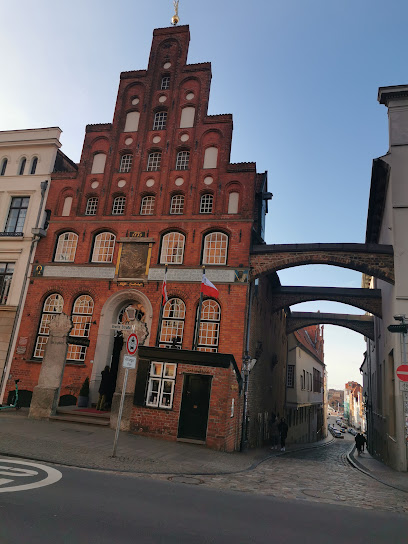
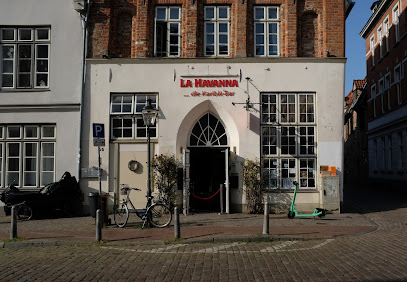
La Havanna
0.4 km
Discover the vibrant flavors of Cuba at La Havanna, a lively bar and restaurant in Lübeck offering authentic cuisine and cocktails.
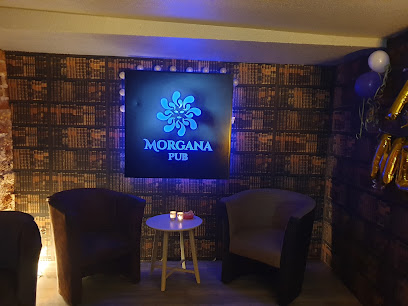
Morgana Pub
0.5 km
Discover the vibrant nightlife of Lübeck at Morgana Pub, a lively bar offering a variety of drinks in a welcoming atmosphere.
Weltwirtschaft - Lübeck
0.5 km
Experience the vibrant nightlife of Lübeck at Weltwirtschaft, a lively bar offering a unique atmosphere and excellent drinks to enjoy with friends.
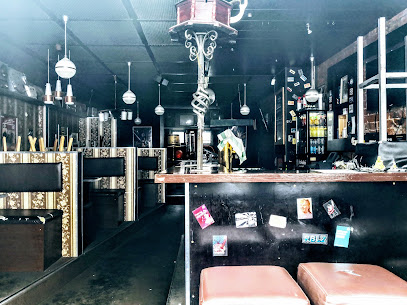
Traffico Cocktailbar, Restaurant und Café - täglich bis Open End!
0.5 km
Experience the vibrant nightlife of Lübeck at Traffico Cocktailbar, where delicious cocktails, gourmet dishes, and great atmosphere await.
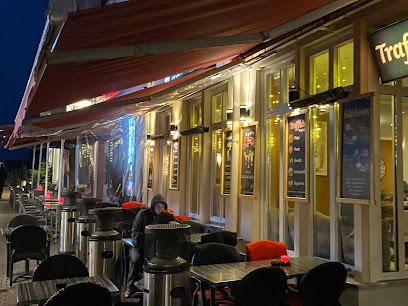
Torrio's - American Bar
0.6 km
Experience the vibrant American bar culture in Lübeck at Torrio's, where good drinks and lively atmosphere await.
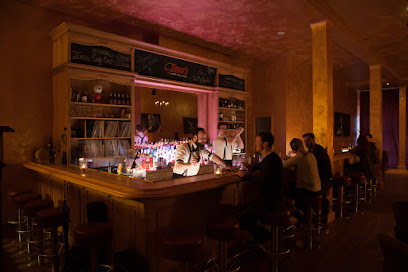
Roberts Kneipe - Lübeck
0.7 km
Experience the authentic taste of Lübeck at Roberts Kneipe, a cozy pub offering local brews and hearty meals in a historic setting.
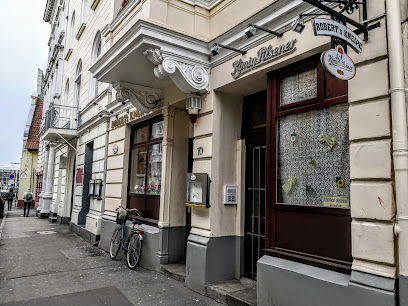
Unklar Bar - Lübeck
0.8 km
Experience the lively nightlife of Lübeck at Unklar Bar, where eclectic drinks and a friendly atmosphere await you.
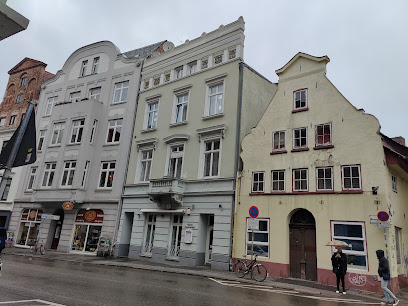
Blauer Engel - Lübeck
0.8 km
Discover the vibrant atmosphere of Blauer Engel in Lübeck, a cozy pub perfect for unwinding after exploring the city's historic treasures.
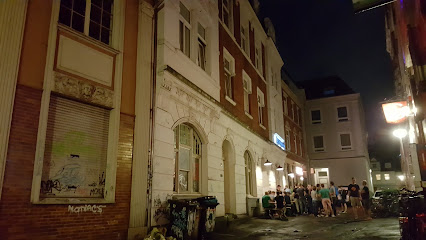
MENGwirtschaft
0.8 km
Discover MENGwirtschaft, a cozy bar in Lübeck's Altstadt, where local culture meets delightful drinks in a welcoming atmosphere.
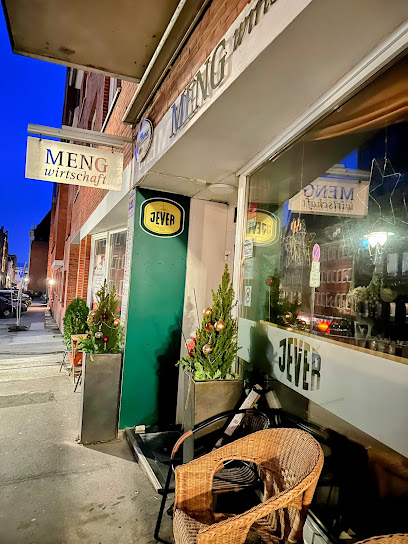
Finnegan Lübeck
0.8 km
Discover Finnegan Lübeck: A vibrant Irish pub in Lübeck's historic center, offering authentic cuisine and a lively atmosphere.
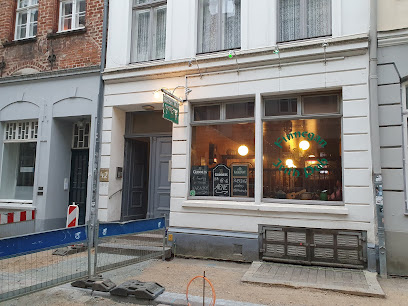
Mac Thomas - Lübeck
0.9 km
Discover the vibrant atmosphere of Mac Thomas, an Irish pub in Lübeck's Altstadt, offering authentic cuisine and a friendly ambiance.
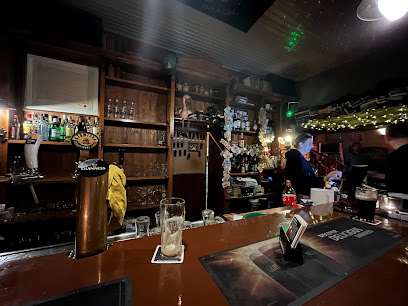
Kandinsky - Lübeck
0.9 km
Discover Kandinsky, a unique bar and restaurant in Lübeck's Altstadt, offering a vibrant atmosphere and diverse culinary delights.
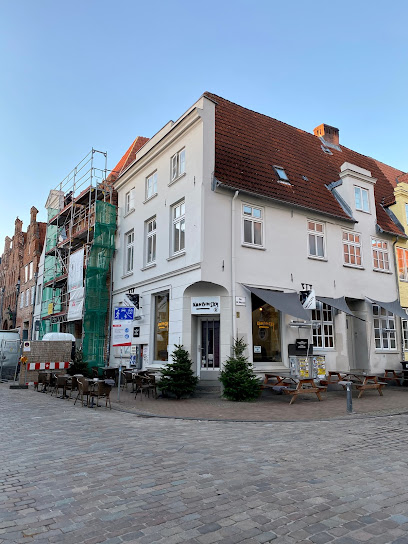
Sternschnuppe Lübeck
0.9 km
Discover the vibrant nightlife of Lübeck at Sternschnuppe, a cozy bar offering a diverse drink selection in the heart of the historic city.
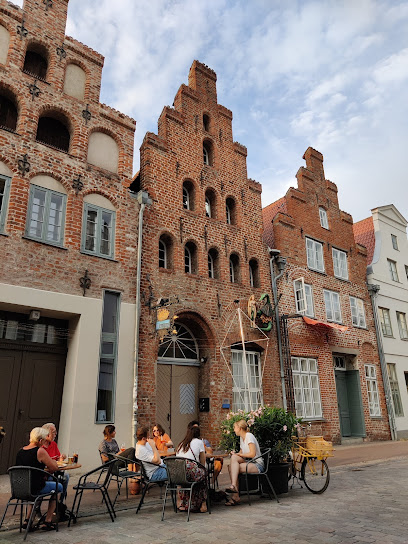
Nightclubs & after hour spots

Strandsalon
0.2 km
Discover the vibrant atmosphere of Strandsalon in Lübeck, where delicious food, refreshing drinks, and exciting events come together.
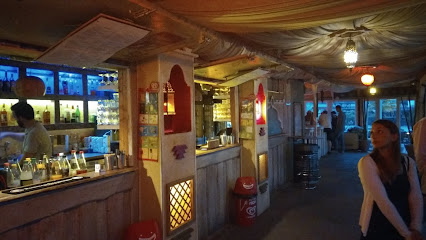
Discothek Sounds
0.8 km
Discover Lübeck's nightlife at Discothek Sounds, a lively disco club filled with great music and an electric atmosphere that keeps the party going.
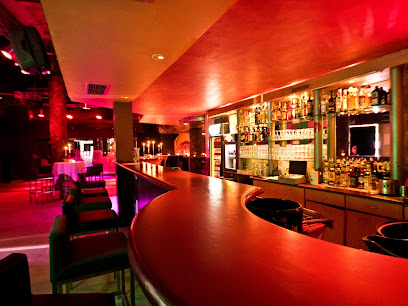
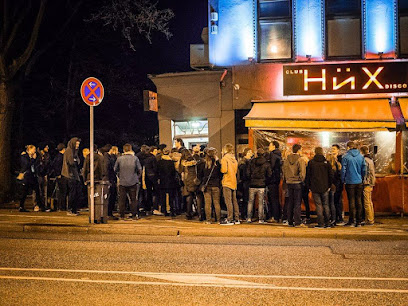
Hüx - Lübeck
1.1 km
Discover the electric nightlife of Lübeck at Hüx, a premier disco club with vibrant music and an unforgettable dance experience.
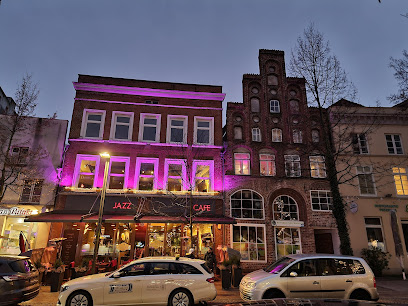
Caffe Grande Jazzcafe
1.4 km
Discover the vibrant atmosphere of Caffe Grande Jazzcafe in Lübeck, where delicious grilled cuisine meets soulful jazz melodies.
Club Kings
1.5 km
Discover the electrifying atmosphere of Club Kings in Lübeck, where vibrant nightlife, great music, and unforgettable memories await you.
Musikpark A1 Lübeck
1.5 km
Discover Lübeck's lively nightlife at Musikpark A1, a premier disco club offering unforgettable dance experiences and a diverse social scene.
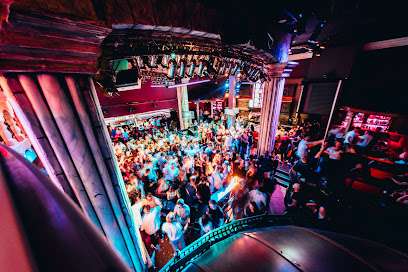
Bordell Club-Hotel Lübeck
1.6 km
Discover the unique nightlife at Bordell Club-Hotel Lübeck, where vibrant entertainment meets a lively atmosphere in a premier girl bar.
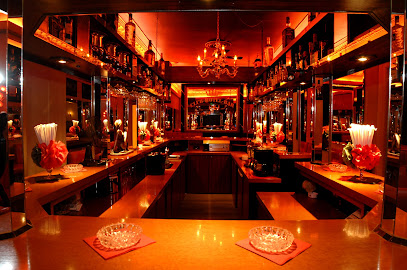
Bunker Lübeck
1.6 km
Discover the electrifying nightlife at Bunker Lübeck – an iconic night club featuring great music and an unforgettable atmosphere in Lübeck.
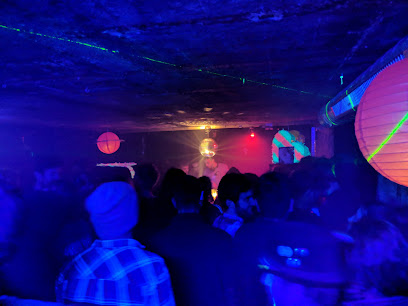
CIRCLE CLUB
1.6 km
Discover the lively nightlife at Circle Club in Lübeck, where unforgettable nights of dancing and music await in a vibrant atmosphere.
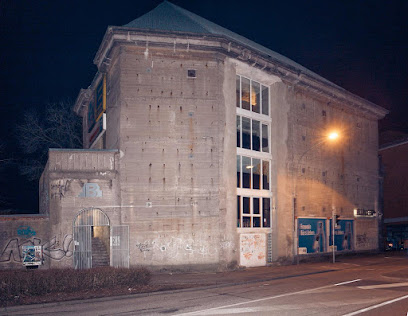
Fischtheke
1.6 km
Experience the electrifying nightlife at Fischtheke, Lübeck's premier night club, where music meets maritime charm.
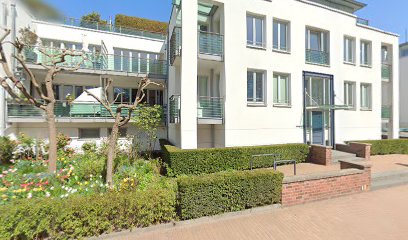
PRESTIGE CLUB Lübeck
2.0 km
Discover the vibrant nightlife of Lübeck at Prestige Club, where music, dance, and unforgettable memories await you.
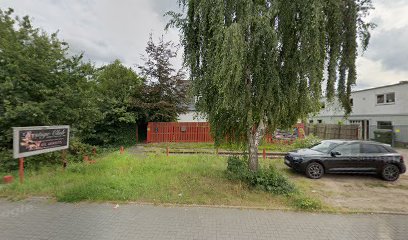
Semihs Prestige Clun
2.0 km
Discover the lively nightlife at Semihs Prestige Club in Lübeck, where music, dance, and unforgettable memories await every night.
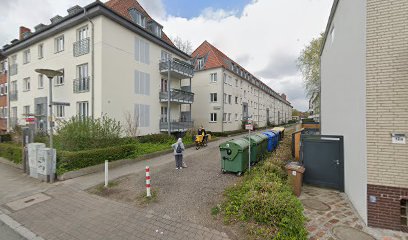
Baltic Gentlemen Club
2.3 km
Discover vibrant nightlife at the Baltic Gentlemen Club in Lübeck, where elegance meets entertainment for an unforgettable evening.
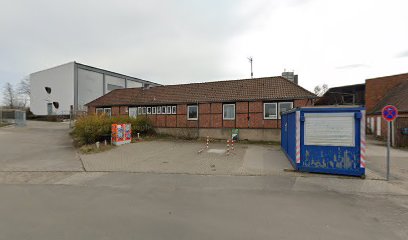
Lotta's Privathaus
2.8 km
Explore Lübeck's vibrant nightlife at Lotta's Privathaus, a lively night club with eclectic music and a welcoming atmosphere for all.
Mens World
3.0 km
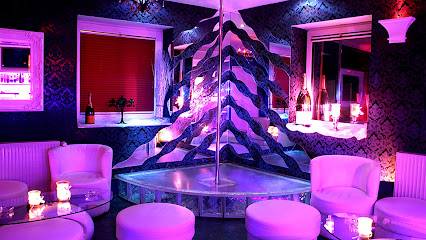
Experience the vibrant nightlife at Mens World, Lübeck's top night club, offering an electrifying atmosphere and unforgettable entertainment for adults.