

Castle to Hirschstein Travel Guide
Free Guide: Discover Schloss Hirschstein, a captivating Saxon castle with centuries of history, stunning Elbe River views, and vibrant cultural events, nestled amidst picturesque landscapes.


A brief summary of Castle to Hirschstein
Discover Schloss Hirschstein, a captivating Saxon castle with centuries of history, stunning Elbe River views, and vibrant cultural events, nestled amidst picturesque landscapes.
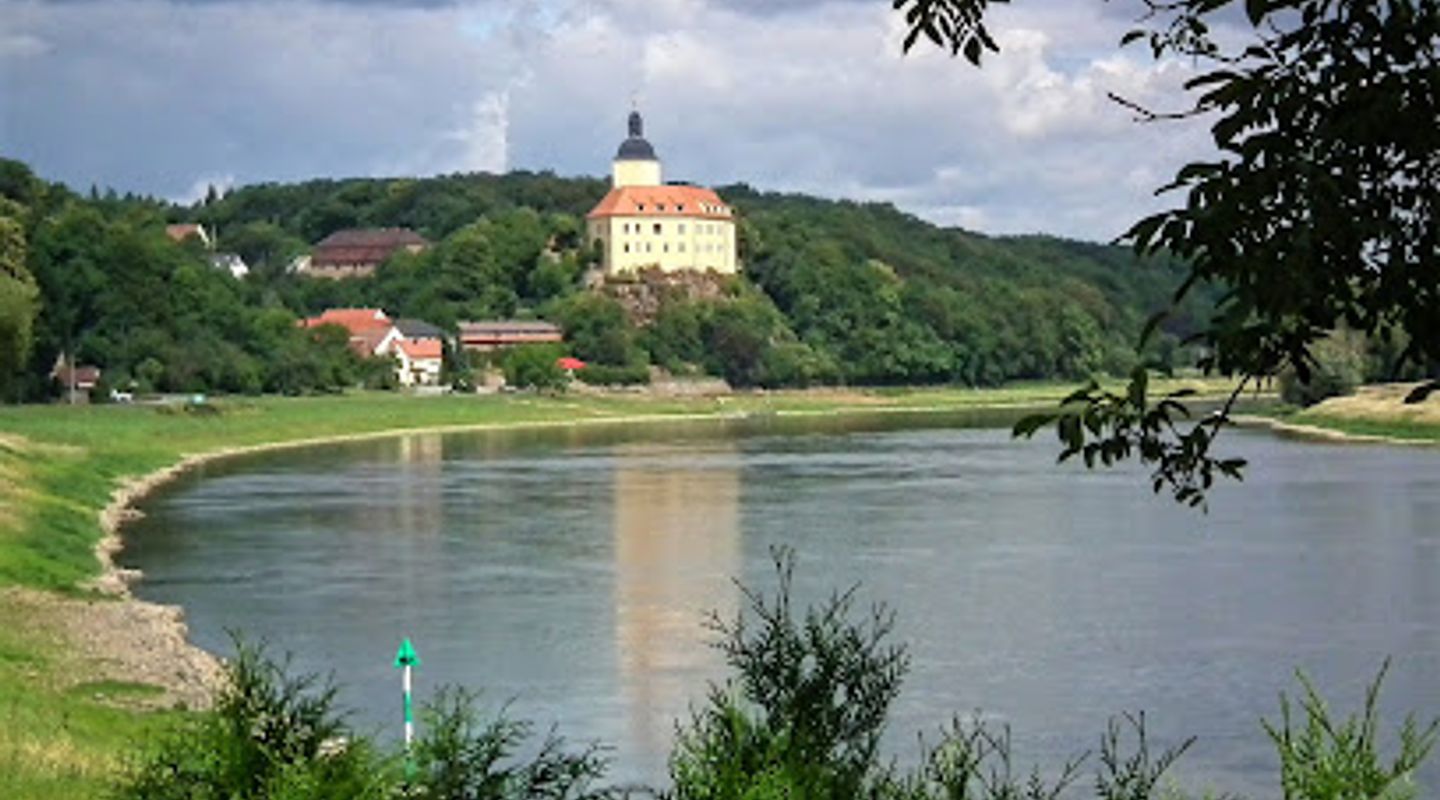
Schloss Hirschstein, a striking castle in the Meißen district of Saxony, Germany, offers visitors a glimpse into centuries of history and stunning views of the Elbe River. Perched dramatically on a 25-meter cliff overlooking the river, the castle boasts a rich past, having served as a border fortification, noble residence, children's sanatorium, and even a holding place for Belgian royalty during WWII. Today, owned by the municipality of Hirschstein, the castle hosts cultural events, exhibitions, and offers a picturesque setting for exploring the surrounding Saxon countryside. Its commanding presence and historical significance make it a worthwhile destination for those seeking to delve into Saxony's heritage and enjoy panoramic vistas. Visitors can explore the castle's architecture, wander through its terraced gardens, and learn about its fascinating evolution through the ages. The castle provides a unique vantage point for appreciating the beauty of the Elbe Valley and the charm of the surrounding villages.
Opening hours
- Mon–SatClosed
- Sun1:30 pm–4:30 pm
Opening hours as listed on the venue’s Google Business Profile. Hours can change for services and special events, so check with the venue before you go.
- Address
- Schloßstraße 12, 01594 Hirschstein
- Phone
- Website
Getting there
Public Transport
Driving
Walking
Discover more about Castle to Hirschstein
Overview
Schloss Hirschstein, also known as Neuhirschstein, stands as a prominent landmark in the municipality of Hirschstein, within the Meißen district of Saxony, Germany. Rising imposingly from a 25-meter-high cliff on the left bank of the Elbe River, opposite Diesbar-Seußlitz, the castle offers breathtaking views and a rich tapestry of history. Originally a medieval castle, Hirschstein's strategic location made it a key fortification in the region. Its history dates back to the 10th century, when it likely served as a defense for the borderlands and the Hohen Strasse, a significant trade route crossing the Elbe near Merschwitz. Over the centuries, the castle has witnessed the ebb and flow of power, changing hands among noble families and serving various purposes. The castle's architecture reflects different periods of its history. While the original medieval structure has evolved, the current form largely dates back to renovations between 1687 and 1700, when it was transformed into a residential complex. Further modifications in 1893/94, under the direction of Dresden architect Ernst Giese, gave the castle its Neorenaissance style, complete with terraced gardens. A notable feature added during this period was the Porzellansaal (Porcelain Hall) in the north wing, showcasing treasures from around the world. The upper floor housed a library and a paneled hall, adding to the castle's grandeur. Throughout its history, Schloss Hirschstein has been owned by a succession of notable figures. In the early 11th century, Heinrich IV gifted Hirschstein to Bishop Eberhardt of Naumburg. Later, the castle was held by various noble families, including the von Polenz, von Birkicht, and von Haugwitz families. In the 17th century, it came into the possession of Christoph von Felgenhauer, a wealthy Dutch merchant, before being acquired by the von Zedlitz and von Bork families. In 1892, Max Herrmann Crusius, a cavalry captain, and his wife Louise Crusius purchased the castle, marking its transition into bourgeois ownership. During the tumultuous years of the 20th century, Schloss Hirschstein experienced significant upheaval. In 1944, Leopold III of Belgium and his family were held captive at the castle by the Nazis. After the war, the castle became public property and was used as a children's convalescent home by the Volkssolidarität (People's Solidarity). From 2000 to 2006, it served as a rehabilitation clinic for children and adolescents with psychosomatic disorders. Since 2013, the municipality of Hirschstein has owned Schloss Hirschstein and has been actively working to revitalize the historic site. The castle now hosts a variety of cultural events, including concerts, book readings, and exhibitions of children's artwork. Visitors can explore the castle's grounds, enjoy the panoramic views of the Elbe River and surrounding landscape, and learn about the castle's fascinating history at the information point located within the castle. Schloss Hirschstein is not only a historical landmark but also a gateway to exploring the surrounding region. The Elberadweg (Elbe Cycle Route) passes nearby, offering cyclists the opportunity to explore the picturesque Elbe Valley. Hiking trails crisscross the area, leading to scenic viewpoints and charming villages. The castle also serves as a starting point for exploring the Saxon Wine Route, with its vineyards and wine taverns. Today, Schloss Hirschstein stands as a testament to the rich history and cultural heritage of Saxony. Its commanding presence, stunning views, and diverse history make it a compelling destination for travelers seeking to immerse themselves in the region's past and appreciate its natural beauty. Whether you're interested in history, architecture, or simply enjoying the scenery, Schloss Hirschstein offers a memorable experience for all who visit. Events at the castle include concerts, readings, and art exhibitions. The Tag des offenen Denkmals (Day of the Open Monument) in September offers a special opportunity to explore the castle with guided tours. The castle also hosts a Gespensterfest (Ghost Festival) in September, adding a touch of spooky fun to the historical setting. For those interested in exploring the area further, the Hirschsteiner Mühlenradweg (Hirschstein Mill Cycle Route) and various hiking trails offer opportunities to discover the surrounding countryside. The nearby Gaststätte "Zum alten Brauhaus" in Neuhirschstein provides traditional Saxon cuisine and a welcoming atmosphere. Schloss Hirschstein is more than just a castle; it's a living piece of history that continues to evolve and inspire. Its story is intertwined with the history of Saxony, and its future is being shaped by the community that cherishes it. A visit to Schloss Hirschstein is an opportunity to connect with the past, appreciate the present, and imagine the possibilities of the future.
Evendo Review Centre
 Google
Guest reviews
Explore Castle to Hirschstein on the map
A handpicked selection of must-see spots near Castle to Hirschstein, mapped for you.
Get your free copy of our complete guide to Castle to Hirschstein, delivered straight to you.
Everything on this page, from opening hours and how to get there to Eve’s tips and the best time to go, in one PDF you can read offline, print or share.
Already have an account? Sign in
Your Castle to Hirschstein guide is ready.
We'll send it to · Not you? Sign out

Getting your guide ready…
We are putting together a fresh copy of the Castle to Hirschstein guide. This can take up to a minute.
This can take a few moments. If your browser asks, choose Allow so the download can start. You'll find the guide in your Downloads folder.
Nothing happened? Download it again
Sorry, the guide is taking longer than usual. Please try again in a minute, or get it by email instead.
Other nearby places you may find interesting
The closest places of the same kind, if this one is not quite what you had in mind.
-
-
-
-
-


Swipe for more places
More to explore near Castle to Hirschstein

 Best experiences near Castle to Hirschstein
 Best hotels near Castle to Hirschstein
 Best landmarks near Castle to Hirschstein
 Best attractions near Castle to Hirschstein
 Best shops near Castle to Hirschstein
 Best restaurants near Castle to Hirschstein
 Best bars near Castle to Hirschstein
Do you manage this location?
Take control to get all the benefits, like improved information, better appearance, and stronger visibility across AI-powered discovery.
Explore more

Explore more of Saxony
Discover Saxony: A blend of baroque beauty, musical heritage, and natural splendor in Germany's historic heartland.
Explore Saxony
Explore more of Germany
Experience Germany: where history meets innovation, and urban energy blends with natural beauty. Discover diverse cultures, delicious cuisine, and stunning landscapes.
Explore Germany
