

Pillnitz Castle Travel Guide
Free Guide: Discover Pillnitz Castle: A stunning Baroque palace near Dresden with exquisite gardens, rich history, and unique Chinoiserie architecture on the Elbe River.


A brief summary of Pillnitz Castle
Discover Pillnitz Castle: A stunning Baroque palace near Dresden with exquisite gardens, rich history, and unique Chinoiserie architecture on the Elbe River.
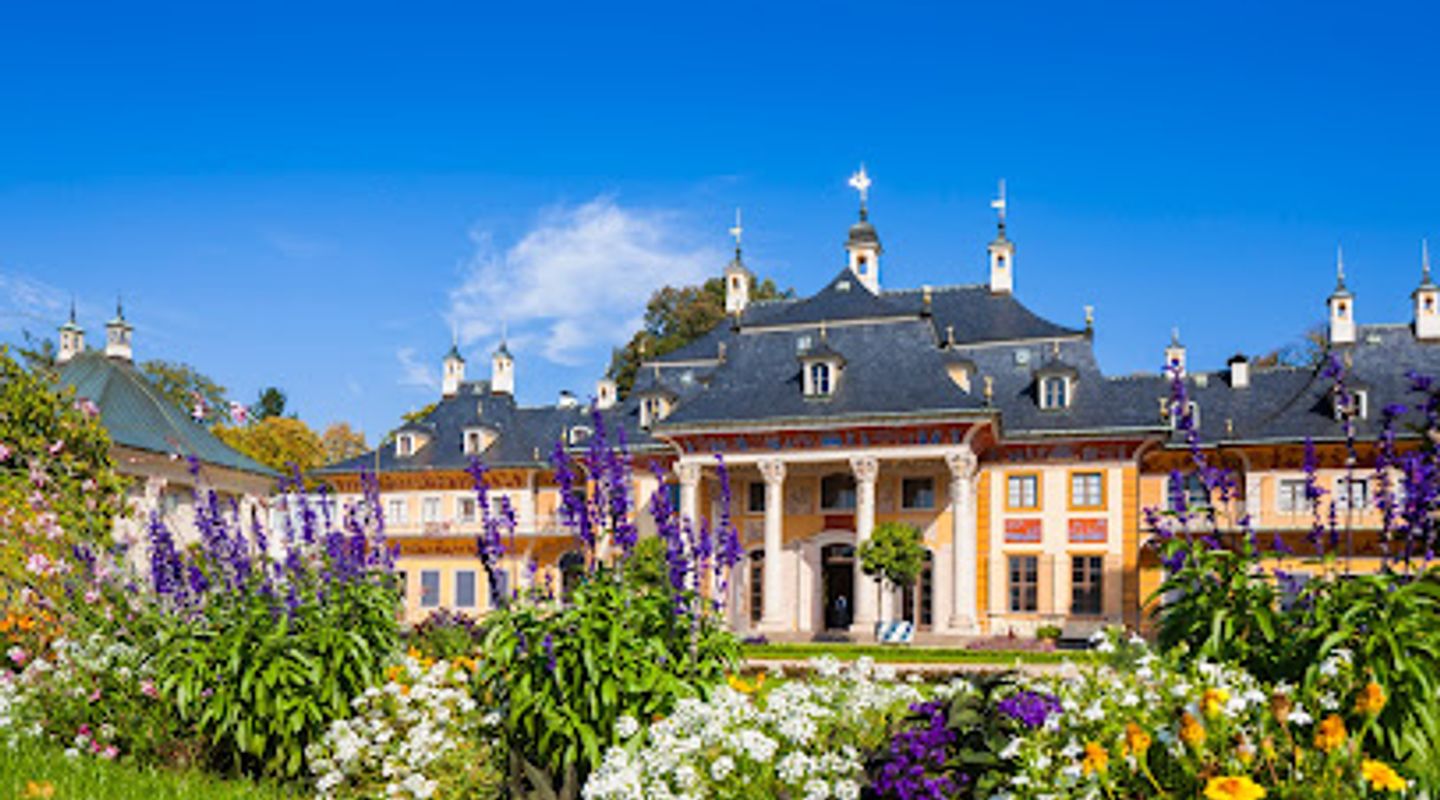
Pillnitz Castle, nestled on the banks of the Elbe River near Dresden, is a stunning example of Baroque and Chinoiserie architecture. Once the summer residence of Saxon royalty, the complex comprises three main palaces—the Riverside Palace, the Hillside Palace, and the New Palace—set amidst sprawling gardens. Visitors can explore diverse botanical collections, including a renowned 230-year-old camellia, wander through English and Chinese gardens, and delve into the history of Saxon courtly life within the palace museums. With its unique blend of architectural styles and serene riverside setting, Pillnitz Castle offers a captivating escape and a glimpse into the opulent world of SaxonElectors and Kings.
Opening hours
- Every day6 am–6 pm
Opening hours as listed on the venue’s Google Business Profile. Hours can change for services and special events, so check with the venue before you go.
- Address
- August-Böckstiegel-Straße 2, 01326 Dresden
- Phone
- Website
Getting there
Public Transport
Driving
Taxi/Ride-Share
Discover more about Pillnitz Castle
Overview
Pillnitz Castle, or Schloss Pillnitz, is a captivating Baroque palace complex located on the eastern edge of Dresden, Germany, gracefully positioned along the Elbe River. This former summer residence of the Saxon royal family offers a unique blend of architectural styles, seamlessly merging Baroque and Chinoiserie elements within its three main palaces: the Riverside Palace (Wasserpalais), the Hillside Palace (Bergpalais), and the New Palace (Neues Palais). Originally, a modest residential fortress stood on the site in the 14th century. However, it gained prominence in 1694 when Elector John George IV acquired it. Later, Augustus the Strong, known for his extravagant lifestyle, transformed Pillnitz into a hub for grand festivities and riverside revelries. Between 1720 and 1725, architect Matthäus Daniel Pöppelmann oversaw the construction of the Hillside and Riverside Palaces, along with the Venus Temple, shaping the palace's distinctive appearance. The Riverside Palace, completed in 1722, features steps leading directly to the Elbe, once used as a pier for Venetian gondolas. The Hillside Palace, finished shortly after, connects to the Riverside Palace via a chestnut alley. These palaces exemplify the Chinoiserie style, reflecting the era's fascination with Chinese art and culture. The New Palace, built in the early 19th century in Neoclassical style after a fire destroyed the Renaissance palace, now houses the Schlossmuseum, showcasing the history of the palace and Saxon courtly life. The extensive 28-hectare park surrounding the palaces is a major draw for visitors. It features diverse botanical attractions, including a camellia tree over 230 years old, believed to have been brought from Japan in the 18th century. During winter, this remarkable tree is protected by a glass house on rails. The park also includes an English garden with an English pavilion, a Chinese garden with a Chinese pavilion, a conifer garden, and an orangery, offering a variety of landscapes to explore. Inside the palaces, visitors can delve into the history of Pillnitz and Saxon royalty. The Schlossmuseum in the New Palace displays exhibits on courtly life, chinoiserie, and palace history. The Museum of Decorative Arts, housed in the Riverside and Hillside Palaces, showcases a collection of crafts, though it is currently closed for renovations in 2025. The Catholic Chapel within the New Palace provides insights into religious life at the court. Pillnitz Castle has served various roles throughout its history. It was a gift to mistresses of Saxon rulers, a venue for lavish weddings, and the site of the Declaration of Pillnitz in 1791. Today, it stands as a museum and park, inviting visitors to step back in time and experience the grandeur of SaxonElectors and Kings. The gardens are open year-round, offering different experiences with each season. From mid-February to mid-April, the camellia blooms, drawing crowds to witness its thousands of carmine flowers. The Palm House shelters exotic plants from South Africa, Australia, and New Zealand. The park also features a replica of a gondola used by Frederick Augustus I to travel between Pillnitz and Dresden. While exploring the park, visitors can discover hidden corners, admire sculptures and fountains, and enjoy panoramic views of the Elbe River and surrounding vineyards. The Vineyard Church, built by Pöppelmann, adds to the area's charm. Nearby attractions include the Carl Maria von Weber Museum and the Richard Wagner Museum, both located in idyllic riverside settings. Accessibility is a priority at Pillnitz, with wheelchair access to the Palace Museum (except the court kitchen), the Palm House, and the Visitor Information center. Most walkways in the park are also accessible. Whether you're interested in history, architecture, botany, or simply a peaceful escape, Pillnitz Castle offers a rich and diverse experience. Its blend of styles, stunning gardens, and riverside setting make it a must-see destination near Dresden.
Evendo Review Centre
 Google
Guest reviews
Explore Pillnitz Castle on the map
A handpicked selection of must-see spots near Pillnitz Castle, mapped for you.
Get your free copy of our complete guide to Pillnitz Castle, delivered straight to you.
Everything on this page, from opening hours and how to get there to Eve’s tips and the best time to go, in one PDF you can read offline, print or share.
Already have an account? Sign in
Your Pillnitz Castle guide is ready.
We'll send it to · Not you? Sign out

Getting your guide ready…
We are putting together a fresh copy of the Pillnitz Castle guide. This can take up to a minute.
This can take a few moments. If your browser asks, choose Allow so the download can start. You'll find the guide in your Downloads folder.
Nothing happened? Download it again
Sorry, the guide is taking longer than usual. Please try again in a minute, or get it by email instead.
Unlock the best of Pillnitz Castle
Skip-the-line tickets, guided tours with entry, and walking tours of the area, booked in a few clicks.


Other nearby places you may find interesting
The closest places of the same kind, if this one is not quite what you had in mind.
-
-
-
-
-


Swipe for more places
More to explore near Pillnitz Castle

 Best experiences near Pillnitz Castle
 Best hotels near Pillnitz Castle
 Best landmarks near Pillnitz Castle
 Best attractions near Pillnitz Castle
 Best shops near Pillnitz Castle
 Best restaurants near Pillnitz Castle
 Best bars near Pillnitz Castle
Do you manage this location?
Take control to get all the benefits, like improved information, better appearance, and stronger visibility across AI-powered discovery.
Explore more

Explore more of Saxony
Discover Saxony: A blend of baroque beauty, musical heritage, and natural splendor in Germany's historic heartland.
Explore Saxony
Explore more of Germany
Experience Germany: where history meets innovation, and urban energy blends with natural beauty. Discover diverse cultures, delicious cuisine, and stunning landscapes.
Explore Germany
