Scherenburg Castle Ruin, Spessart Travel Guide
Explore the historic Scherenburg Castle Ruin in Gemünden am Main, offering panoramic views, medieval history, and a vibrant open-air theatre festival in the castle courtyard.
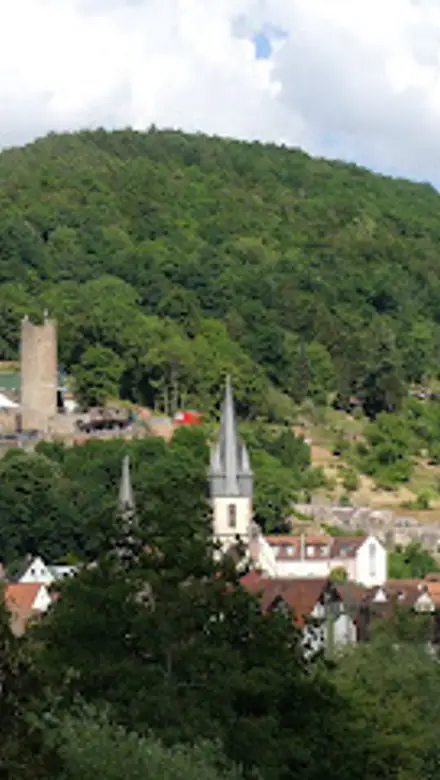
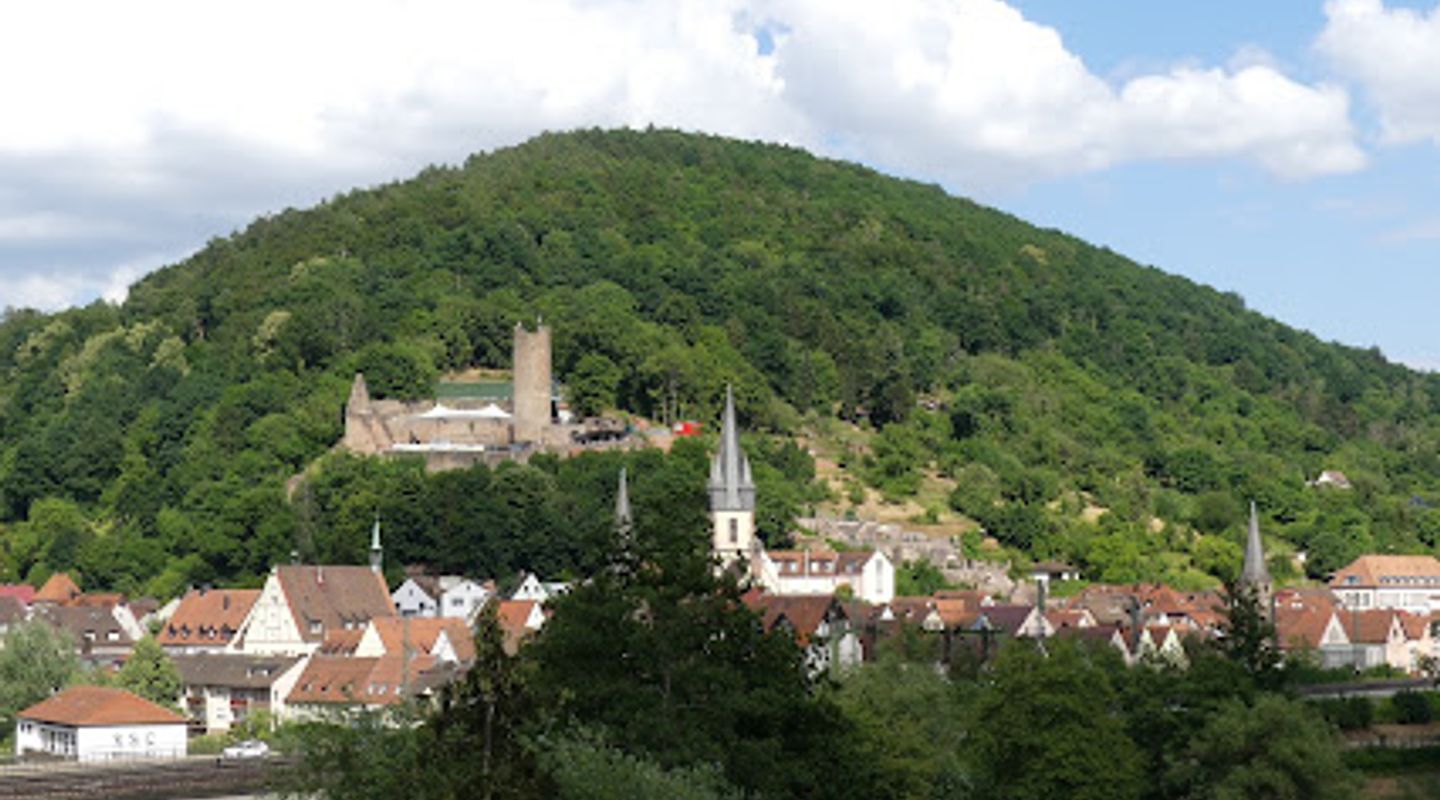
Perched high above Gemünden am Main, the Scherenburg Castle Ruin offers a captivating glimpse into medieval Franconia. Built around 1243 by the Counts of Rieneck as a toll castle, it witnessed centuries of shifting power, conflicts with the Bishop of Würzburg, and eventual decline. Today, the remaining structure includes the imposing castle gate, sections of the shield wall, a round bergfried (though inaccessible to climb), and gable walls of the palas, now a terrace. Visitors are rewarded with panoramic views of the Main and Saale valleys, as well as the Spessart hills. The castle courtyard hosts the Scherenburg Festival, an open-air theatre event, every summer, adding a vibrant cultural dimension to the historical site. Exploring the ruins provides a tangible connection to the region's past, making it a worthwhile destination for history enthusiasts and sightseers alike. The blend of historical significance and scenic beauty makes Scherenburg a memorable stop.
A brief summary to Scherenburg Castle Ruin
- Burgweg, Gemünden am Main, 97737, DE
- Click to display
- Click to display

Know before you go
Hi, I'm Eve. Here are a few practical things to know before exploring Scherenburg Castle Ruin.
- Wear sturdy shoes for the uphill walk to the castle and exploring the uneven terrain of the ruins.
- Check the schedule for the Scherenburg Festival in summer for a unique open-air theatre experience within the castle walls.
- Bring a camera to capture the panoramic views of the Main and Saale valleys from the castle terrace.
- Combine your visit with a walk through Gemünden's old town and a visit to the Schönau Monastery.
- Pack a picnic to enjoy on the terrace overlooking the Main valley.
Do you manage this location?
Take control to get all the benefits, like improved information, better appearance, and stronger visibility across AI-powered discovery. Learn more about listing your business on Evendo
Activate your presenceOther nearby places you may find interesting
The closest places of the same kind, if this one is not quite what you had in mind.
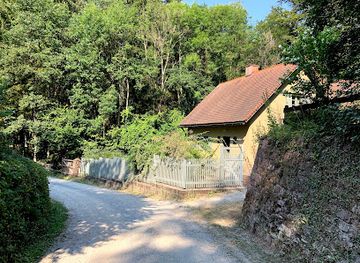
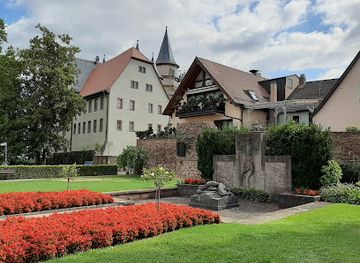
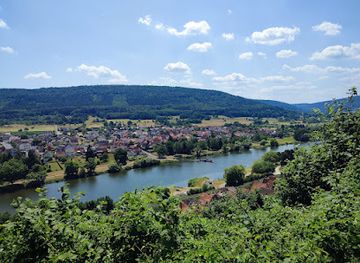
Explore Scherenburg Castle Ruin on the Map
A handpicked selection of must-see spots near Scherenburg Castle Ruin, mapped for you.
Getting There
-
Walking
From the Gemünden am Main town center, follow the signs towards Burgweg. The path gradually ascends uphill, passing through residential areas before reaching the castle grounds. The walk takes approximately 15-20 minutes. There are no entrance fees to access the castle ruin.
-
Public Transport
From Gemünden (Main) station, take bus lines 8141, 8142, or 8143 towards the town center (Gemünden Marktplatz). From there, follow the walking directions to Burgweg and the castle ruin. A single bus fare costs approximately €2-3. Alternatively, a taxi from the station to the town center costs around €8-12.
-
Driving
Limited parking is available near the castle. From the town center, follow Burgweg uphill. Parking is free, but spaces are limited, especially during peak season and festival events. Consider parking in the town center and walking up.
Discover more about Scherenburg Castle Ruin
More to explore near Scherenburg Castle Ruin













Your all‑in‑one travel companion app
Explore expert travel guides, compare and book tours, experiences, hotels, and more—all from the palm of your hand. Download now for seamless trip planning wherever your wanderlust takes you.


Explore More of Spessart
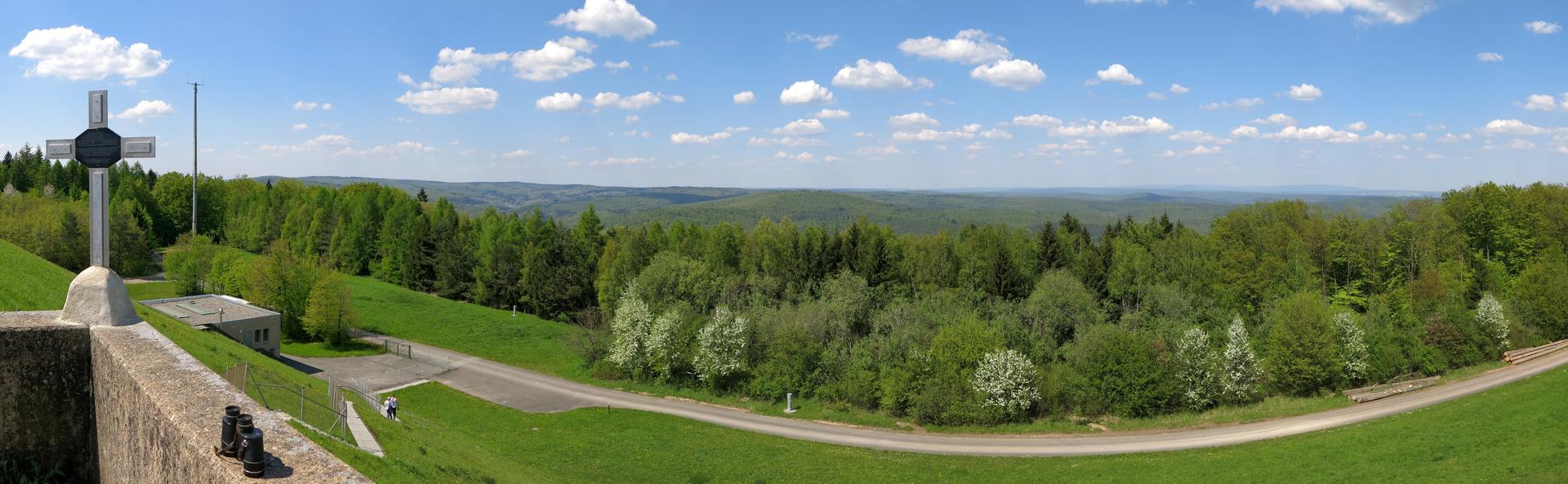
Looking beyond Scherenburg Castle Ruin? Discover Spessart for broader travel guides, local hot-spots, and regional highlights.
Explore Spessart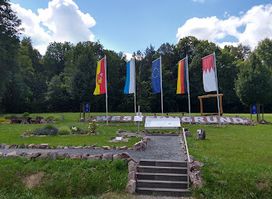
Discover the symbolic heart of Europe in Westerngrund, Germany, where the former geographical center of the EU offers a unique glimpse into European history and unity.
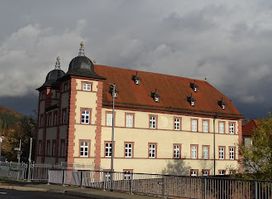
Discover Huttenschloss in Gemünden am Main: A captivating castle, film and photograph library, and museum offering a unique journey through history, culture, and art.