

Free Weser Uplands Travel Guide & Mobile App
Explore Weser Uplands with free travel guides. Discover regional history, expert tips, proposed trips, and audio guides on web or mobile app.


Explore Germany's Weser Uplands for river cycling, timber-framed towns, Renaissance castles, wooded hills and the heritage of Hamelin and Höxter.
Read more about Weser Uplands
When is the best time to visit Weser Uplands?
Best: June–August · 22–24°C| Month | High (°C) | Rainfall (mm) |
|---|---|---|
| January | 3 | 48 |
| February | 4 | 40 |
| March | 9 | 45 |
| April | 14 | 50 |
| May | 19 | 60 |
| June (best) | 22 | 70 |
| July (best) | 24 | 75 |
| August (best) | 23 | 70 |
| September | 19 | 60 |
| October | 14 | 55 |
| November | 7 | 50 |
| December | 3 | 55 |
Getting to and around Weser Uplands
How to get there
Transportation
Top city travel guides in Weser Uplands
The cities of Weser Uplands, and the easiest places to base yourself.

Swipe for more cities
Destinations in Weser Uplands
Resorts, valleys and scenic spots worth a trip of their own.

Swipe for more destinations
Best attractions in Weser Uplands
The Weser Uplands offer a varied combination of heritage and outdoor attractions rather than one dominant sight. Hamelin's old town introduces the region's best-known folklore and Weser Renaissance architecture, while Höxter provides access to Corvey's abbey complex and the early medieval history of the river valley. Hämelschenburg Castle, near Emmerthal, presents Renaissance court culture in a rural setting, and Bodenwerder explores the literary afterlife of Baron Münchhausen. Bad Pyrmont combines spa gardens and resort traditions with a more formal townscape. The Weser Cycle Route is the principal landscape attraction, passing riverside meadows, villages, ferries and historic bridges. Walking routes lead into the Solling, Süntel, Deister and other wooded uplands, with cycling, canoeing and boating available in suitable seasons. Smaller museums cover regional crafts, transport, local history and porcelain production at Fürstenberg. The area around Hannoversch Münden, where the Fulda and Werra meet to form the Weser, adds a striking southern perspective through its timber-framed townscape and river geography. Families may appreciate wildlife parks and leisure facilities in the wider region, but opening arrangements vary, so a route should balance outdoor experiences with the independently scheduled heritage sites.
-
State park
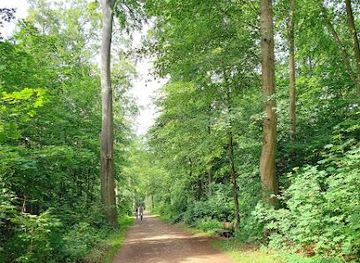
Eilenriede City Forest
Discover the expansive Eilenriede City Forest in Hanover, a perfect blend of nature, recreation, and tranquility for every traveler.
-
Amusement park
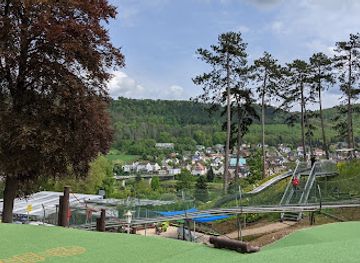
Rodelbahn Bodenwerder
Discover Rodelbahn Bodenwerder, the thrilling amusement park in Germany combining adventure, nature, and unforgettable family fun for all ages.
-
Museum
Münchhausen-Museum
Explore the whimsical world of Baron Münchhausen at the Münchhausen Museum, a must-visit cultural gem in Bodenwerder, Germany.
-
Castle
Bevern Castle
Explore the historical charm and scenic beauty of Bevern Castle, a captivating gem in Lower Saxony, Germany, ideal for a memorable day of discovery.
Best landmarks in Weser Uplands
The Weser Uplands are marked by a sequence of architectural and geographical landmarks along the river. Corvey near Höxter is the region's most important early medieval monument, distinguished by its Carolingian westwork and former abbey complex. Hämelschenburg Castle is a finely preserved example of Weser Renaissance architecture, set within a historic estate landscape near the Emmer valley. In Hamelin, the Hochzeitshaus and richly decorated merchant houses give the old centre its characteristic Renaissance profile, while Rinteln retains an attractive collection of half-timbered and civic buildings. Hannoversch Münden is significant for its position at the meeting of the Werra and Fulda, the point from which the Weser begins, as well as for its dense historic townscape. Bad Pyrmont's formal spa gardens and palm-lined avenues represent a different landmark tradition, shaped by eighteenth- and nineteenth-century European resort culture. The Porta Westfalica gorge forms the northern geographical threshold of the region, where the Weser cuts through the hills before entering the North German Plain.
-
Historical landmark
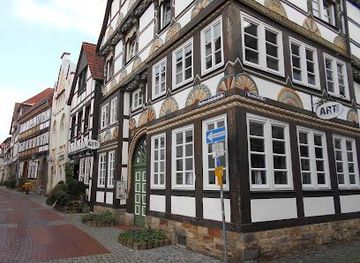
Hameln Innenstadt
Explore Hamelin's enchanting Old Town, where the legendary Pied Piper's tale comes to life amidst stunning Weser Renaissance architecture and captivating historical landmarks.
-
Museum
Münchhausen-Museum
Explore the whimsical world of Baron Münchhausen at the enchanting Münchhausen Museum in Bodenwerder, a delightful experience for all ages.
-
Cultural landmark
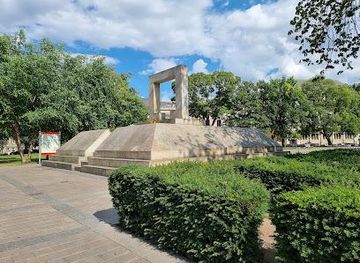
Memorial to the murdered Jews of Hanover
Discover the profound Memorial to the Murdered Jews of Hanover, a poignant cultural landmark reflecting on the city's history and the importance of remembrance.
-
Building
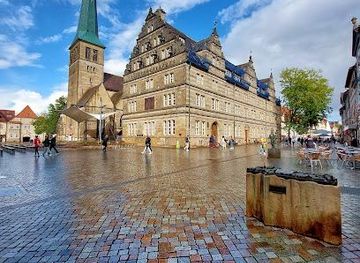
Hochzeitshaus
Discover Hamelin's Hochzeitshaus: A stunning Weser Renaissance building with a captivating carillon and a mechanical puppet show that brings the Pied Piper legend to life.
Explore Weser Uplands on the map
Plan your trip on one map. See where the top cities, national parks and sights are, and book hotels and experiences in a few clicks.
Best hotels in Weser Uplands
Best restaurants in Weser Uplands
Dining in the Weser Uplands reflects the food culture of Lower Saxony and neighbouring central German regions, with potatoes, seasonal vegetables, bread, pork, game and freshwater fish appearing frequently on traditional menus. River towns may offer trout and other local fish, while rural inns serve hearty regional dishes alongside changing seasonal specials. Hamelin, Höxter, Bad Pyrmont and Hannoversch Münden have the widest choice of cafés, bakeries and restaurants, whereas villages tend to rely on traditional inns with limited opening days. Cakes and coffee are an important part of the afternoon, particularly in spa towns and historic centres. Farmers' shops and weekly markets provide opportunities to buy bread, preserves, honey, dairy products and locally produced meat. The region is not defined by one single dish, but by the variety of food traditions encountered along the river and in the uplands. Check whether smaller restaurants require reservations, especially at weekends or during festivals and cycling season.
-
Restaurant
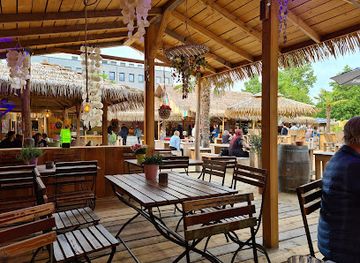
Aloha Beachclub Herford
Experience tropical bliss at Aloha Beachclub Herford—where vibrant dining meets endless recreation in a paradise-like setting.
-
German
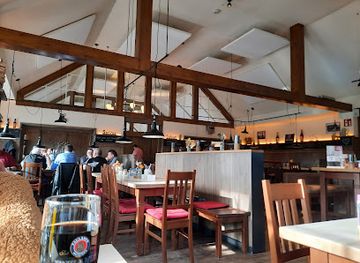
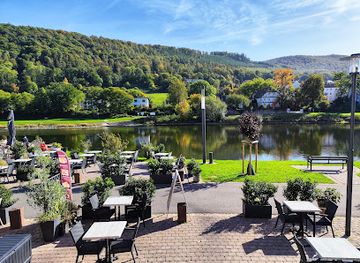
Wirtshaus Grohnder Fährhaus
Discover the flavors of Germany at Wirtshaus Grohnder Fährhaus - where tradition meets taste in a beautiful beer garden setting.
-
Greek
Restaurant Parga
Experience authentic Greek cuisine at Restaurant Parga in Bodenwerder - where delicious food meets warm hospitality.
-
Restaurant
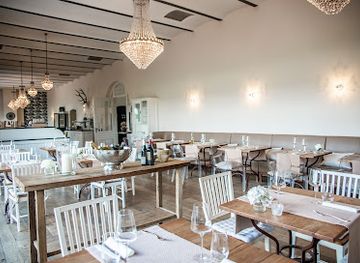
Die Schloßwirtschaft - Restaurant & Café Hehlen
Experience authentic German flavors at Die Schloßwirtschaft - Restaurant & Café in Hehlen, where tradition meets culinary excellence.
Best bars in Weser Uplands
Evenings in the Weser Uplands are generally centred on traditional pubs, brewery-style restaurants, wine bars, cafés and hotel lounges rather than a large nightclub scene. Hamelin has the broadest concentration of places for a later evening, with bars and restaurants around the historic centre, while Höxter, Bad Pyrmont, Rinteln and Hannoversch Münden offer smaller selections shaped by residents, students, spa visitors and seasonal tourism. Rural villages often close earlier, and evening life may revolve around an inn, a local event or live music rather than a dedicated entertainment district. Beer is widely available, but regional evening culture also includes wine, non-alcoholic drinks and coffee-house traditions. During warmer months, riverside terraces and outdoor seating extend the social season, subject to local rules and weather. Check current arrangements before planning around a particular concert, club or late-night venue, as programming and opening patterns can change.
-
German
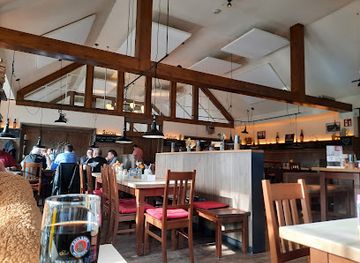
Wirtshaus Grohnder Fährhaus
Experience authentic German cuisine and a charming beer garden at Wirtshaus Grohnder Fährhaus, the perfect spot for food lovers and nature enthusiasts alike.
-
Pub
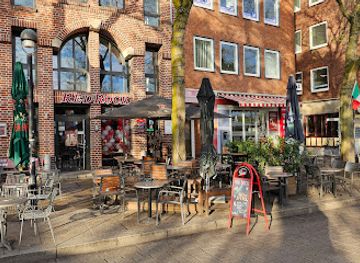
Red Rock
Discover Red Rock, a lively pub in Bremen offering local brews, a vibrant atmosphere, and scenic river views for an unforgettable night out.
-
Restaurant
Mittendorf Gastronomie GmbH
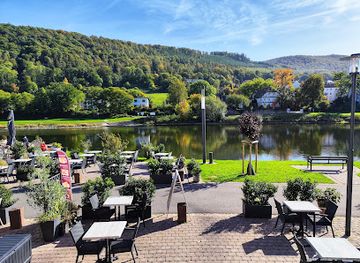
Experience authentic German cuisine and warm hospitality at Mittendorf Gastronomie GmbH in Bodenwerder, where every meal is a delightful journey.
-
Greek
Restaurant Parga
Discover the flavors of Greece at Restaurant Parga in Bodenwerder, where authentic dishes meet warm hospitality.
Best nightclubs in Weser Uplands
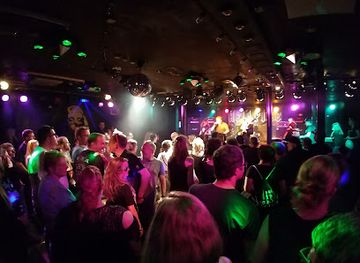
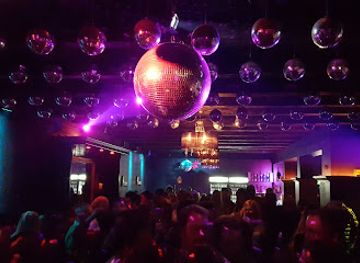
Evenings in the Weser Uplands are generally centred on traditional pubs, brewery-style restaurants, wine bars, cafés and hotel lounges rather than a large nightclub scene. Hamelin has the broadest concentration of places for a later evening, with bars and restaurants around the historic centre, while Höxter, Bad Pyrmont, Rinteln and Hannoversch Münden offer smaller selections shaped by residents, students, spa visitors and seasonal tourism. Rural villages often close earlier, and evening life may revolve around an inn, a local event or live music rather than a dedicated entertainment district. Beer is widely available, but regional evening culture also includes wine, non-alcoholic drinks and coffee-house traditions. During warmer months, riverside terraces and outdoor seating extend the social season, subject to local rules and weather. Check current arrangements before planning around a particular concert, club or late-night venue, as programming and opening patterns can change.
-
Disco club
Check Point
Discover the electrifying nightlife at Check Point in Duingen, a disco club blending culture, cuisine, and vibrant entertainment.
-
Night club
SECTOR Club Nienburg
Dive into the vibrant nightlife of Nienburg at SECTOR Club, your go-to destination for unforgettable parties and stylish lounge experiences.
-
Jazz
Doubletime Jazz & Kultur Club
Dive into the vibrant jazz scene at Doubletime Jazz & Kultur Club, where captivating performances and cultural events await in Hameln.
-
Night club
Club 43
Discover the vibrant nightlife at Club 43, a lively night club in Hamelin, where music and dance come alive until dawn.
Best shops in Weser Uplands
Shopping in the Weser Uplands is concentrated in historic market towns rather than large metropolitan centres. Hamelin, Höxter, Rinteln, Bad Pyrmont and Hannoversch Münden combine practical high-street shops with independent boutiques, bookshops, cafés and galleries in or near their old centres. Weekly markets and farm shops are useful for regional food such as bread, honey, preserves, dairy products and seasonal produce, while specialist producers in the countryside may sell goods directly from the farm. Fürstenberg is associated with porcelain, and its heritage offers a more distinctive souvenir choice than generic tourist merchandise. Craft shops and galleries may feature ceramics, woodwork, textiles and locally inspired artwork, although stock varies between towns. Antiques and second-hand goods appear in selected market-town shops and occasional markets. Visitors should not expect a major designer-shopping destination; the region's retail appeal lies in modest independent businesses, useful local products and the architectural setting of its traditional town centres.
-
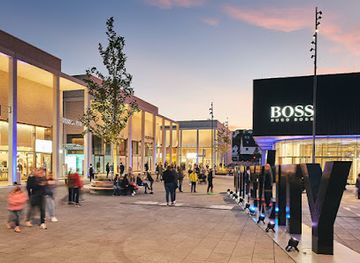
Outlet mall
OUTLETCITY Metzingen
Explore OUTLETCITY Metzingen, Germany's top outlet mall for unbeatable fashion deals and a vibrant shopping experience.
-
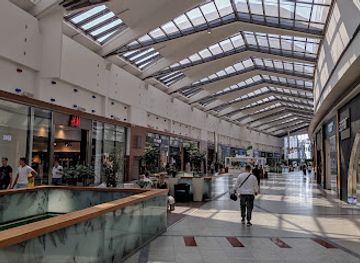
Shopping mall
Waterfront
Discover the Waterfront, Bremen's premier shopping mall offering diverse shops, delightful dining, and vibrant entertainment options for all ages.
-
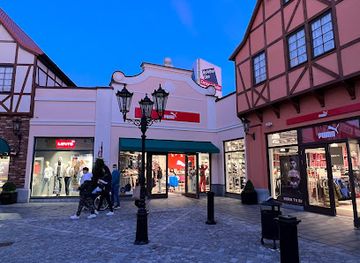
Outlet mall
Designer Outlet Neumünster
Experience the ultimate shopping adventure at Designer Outlet Neumünster, where designer brands meet incredible discounts in a family-friendly environment.
-
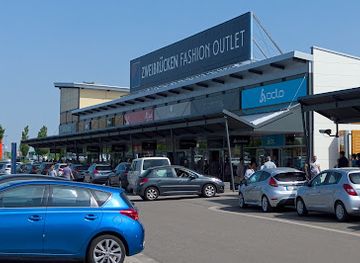
Shopping mall
Zweibrücken Fashion Outlet
Discover incredible savings and a wide selection of top brands at Zweibrücken Fashion Outlet, the ultimate shopping destination in Germany.
Get your free copy of our complete guide to Weser Uplands, delivered straight to you.
Everything on this page, from attractions and restaurants to essentials and local phrases, in one PDF you can read offline, print or share.
Already have an account? Sign in
Your Weser Uplands guide is ready.
We'll send it to · Not you? Sign out

Getting your guide ready…
We are putting together a fresh copy of the Weser Uplands guide. This can take up to a minute.
This can take a few moments. If your browser asks, choose Allow so the download can start. You'll find the guide in your Downloads folder.
Nothing happened? Download it again
Sorry, the guide is taking longer than usual. Please try again in a minute, or get it by email instead.
Weser Uplands essentials
Currency and Payment
Safety
Emergency Situations
Do's and Don'ts
Local Tips
From Eve
Local phrases worth knowing
You don't need to get them perfect. A few words go a long way, and locals appreciate the effort.
Basics
| English | Local | Say it |
|---|---|---|
| Hello | Howdy | [haʊdi] |
| Goodbye | See ya later | [si jə leɪtər] |
| Yes | Yep | [jɛp] |
| No | Nope | [noʊp] |
| Please/You're welcome | Sure thing | [ʃʊr θɪŋ] |
| Thank you | Thanks a lot | [θæŋks ə lɑt] |
| Excuse me/Sorry | Pardon me | [ˈpɑrdən mi] |
| How are you? | How's it going? | [haʊz ɪt ˈɡoʊɪŋ] |
| Fine. And you? | Good. And you? | [ɡʊd. ənd ju] |
| Do you speak English? | Do ya speak English? | [du jə spiːk ˈɪŋɡlɪʃ] |
| I don't understand | I don’t get it | [aɪ doʊnt ɡɛt ɪt] |
Eating & Drinking
| English | Local | Say it |
|---|---|---|
| I'd like to see the menu, please | Can I see the menu, please? | [kæn aɪ si ðə ˈmɛnjuː pliːz] |
| I don't eat meat | I’m a vegetarian | [aɪm ə ˌvɛdʒɪˈtɛəriən] |
| Cheers! | Cheers! | [tʃɪrz] |
| I would like to pay, please | Can I get the check, please? | [kæn aɪ ɡɛt ðə tʃɛk pliːz] |
Emergencies
| English | Local | Say it |
|---|---|---|
| Help! | Help! | [hɛlp] |
| Go away! | Leave me alone! | [liːv mi əˈloʊn] |
| Call the Police! | Call the cops! | [kɔl ðə kɑps] |
| Call a doctor! | Get a doctor! | [ɡɛt ə ˈdɑktər] |
| I'm lost | I can’t find my way | [aɪ kænt faɪnd maɪ weɪ] |
| I'm ill | I’m not feeling well | [aɪm nɑt ˈfiːlɪŋ wɛl] |
Shopping
| English | Local | Say it |
|---|---|---|
| I'd like to buy... | I’d like to get... | [aɪd laɪk tə ɡɛt] |
| I'm just looking | Just browsing | [dʒʌst ˈbraʊzɪŋ] |
| How much is it? | What’s the price? | [wʌts ðə praɪs] |
| That's too expensive | That costs too much | [ðæt kɔsts tu mʌtʃ] |
| Can you lower the price? | Can you make it cheaper? | [kæn jə meɪk ɪt ˈtʃiːpər] |
Time & Numbers
| English | Local | Say it |
|---|---|---|
| What time is it? | What time is it? | [wʌt taɪm ɪt] |
| It's one o'clock | It’s one o’clock | [ɪts wʌn əˈklɑk] |
| Half past (10) | Half past ten | [hæf pæst tɛn] |
| Morning | Morning | [ˈmɔrnɪŋ] |
| Afternoon | Afternoon | [ˌæftərˈnun] |
| Evening | Evening | [ˈivnɪŋ] |
| Yesterday | Yesterday | [ˈjɛstərdeɪ] |
| Today | Today | [təˈdeɪ] |
| Tomorrow | Tomorrow | [təˈmɔroʊ] |
| 1 | One | [wʌn] |
| 2 | Two | [tu] |
| 3 | Three | [θri] |
| 4 | Four | [fɔr] |
| 5 | Five | [faɪv] |
| 6 | Six | [sɪks] |
| 7 | Seven | [ˈsɛvən] |
| 8 | Eight | [eɪt] |
| 9 | Nine | [naɪn] |
| 10 | Ten | [tɛn] |
Transport & Directions
| English | Local | Say it |
|---|---|---|
| Where's a/the...? | Where's the nearest...? | [wɛrz ðə ˈnɪərəst] |
| What's the address? | What’s the address? | [wʌts ði əˈdrɛs] |
| Can you show me (on the map)? | Can you point it out (on the map)? | [kæn jə pɔɪnt ɪt aʊt] |
| When's the next (bus)? | When's the next bus? | [wɛn ɪz ðə nɛkst bʌs] |
| A ticket (to ....) | A ticket to ... | [ə ˈtɪkɪt tə] |
History of Weser Uplands
Early Settlement and the Weser Corridor
The Weser valley and adjoining uplands have attracted settlement since prehistoric times, benefiting from river crossings, fertile soils and access to timber and stone. Archaeological evidence from the wider landscape records farming communities, burial sites and the movement of goods along routes that later connected northern and central Germany. The river was not merely a natural boundary: it served as a practical corridor through otherwise wooded terrain, helping settlements develop at crossings and on defensible elevations.
Saxon and Frankish Rule
During the early medieval period, the Weser Uplands lay within a politically contested zone associated with Saxon communities and the expanding Frankish kingdom. Christianisation brought new churches, monasteries and administrative centres, while royal and aristocratic estates strengthened control over the valley. Corvey, founded in the ninth century near present-day Höxter, became an especially influential religious and intellectual centre. Its surviving westwork and archaeological remains preserve the scale of this early medieval transformation.
Medieval Towns, Monasteries and River Trade
From the High Middle Ages onwards, towns such as Hamelin, Höxter, Rinteln and Hannoversch Münden benefited from trade and river transport. Markets, bridges, fortifications and churches grew around commercial routes, while monasteries and aristocratic foundations shaped the surrounding countryside. The Weser connected the interior with ports farther north, carrying grain, timber, stone and manufactured goods. Many historic town centres still reflect this period through their street plans, churches and merchant houses.
The Age of the Weser Renaissance
During the sixteenth and early seventeenth centuries, wealthy landowners and urban merchants commissioned richly decorated buildings in a regional form of late Renaissance architecture now known as Weser Renaissance. Hämelschenburg Castle, the town halls and houses of Hamelin, and buildings in Rinteln and Höxter display elaborate façades, carved portals and ornate gables. The style reflects prosperity, connections with wider European artistic trends and the ambitions of local rulers during a period before the Thirty Years' War disrupted the region.
The Thirty Years' War and Political Reordering
The Thirty Years' War brought troop movements, requisitions and instability to the Weser region, whose roads and river crossings had strategic value. Towns and estates suffered economic disruption even when they were not the site of a decisive battle. Later political changes divided the landscape among territories including Brunswick-Lüneburg, Hesse and Lippe-related domains. These historic borders help explain the region's mixture of architectural traditions and its modern distribution across several German federal states.
Industrialisation, Railways and New River Economies
Industrialisation altered the Weser Uplands during the nineteenth century. Paper, glass, metalworking, textiles, mining and porcelain production developed in different towns, while improved roads and railways reduced the region's dependence on traditional river transport. Fürstenberg became associated with porcelain manufacture, and local industries gained access to larger markets. The expansion of spa facilities in Bad Pyrmont and other resorts also created a service economy based on health treatments, gardens and seasonal visitors.
Modern Heritage and Regional Tourism
Twentieth-century economic change reduced the importance of several traditional industries, but the region retained a strong identity through its river landscape, architecture and folklore. The Pied Piper tradition made Hamelin internationally recognisable, while cycling, walking and river tourism brought new uses to historic routes. Corvey's recognition as a UNESCO World Heritage Site in 2014 reinforced the importance of the region's early medieval legacy. Today, conservation, outdoor recreation and small-scale cultural tourism operate alongside modern communities and businesses.
Weser Uplands in Photos
Browse through our photo collection highlighting the charm and character of the destination.
Neighbouring regions of Weser Uplands
The closest regions to Weser Uplands, if you have time for more than one.
-

-

-

-

-


Swipe for more regions
Explore more

Explore more of Germany
Experience Germany: where history meets innovation, and urban energy blends with natural beauty. Discover diverse cultures, delicious cuisine, and stunning landscapes.
Explore Germany