

Free Lower Saxony Travel Guide & Mobile App
Explore Lower Saxony with free travel guides. Discover regional history, expert tips, proposed trips, and audio guides on web or mobile app.


Explore Lower Saxony for North Sea islands, Wadden Sea landscapes, heathland, half-timbered towns and historic cities across northern Germany.
Read more about Lower Saxony
When is the best time to visit Lower Saxony?
Best: June–August · 21–23°C| Month | High (°C) | Rainfall (mm) |
|---|---|---|
| January | 4 | 50 |
| February | 4 | 40 |
| March | 8 | 50 |
| April | 13 | 45 |
| May | 18 | 55 |
| June (best) | 21 | 65 |
| July (best) | 23 | 70 |
| August (best) | 23 | 65 |
| September | 19 | 55 |
| October | 14 | 50 |
| November | 8 | 55 |
| December | 5 | 55 |
Getting to and around Lower Saxony
How to get there
Transportation
Top city travel guides in Lower Saxony
The cities of Lower Saxony, and the easiest places to base yourself.
-

-

-

-

-

-


Swipe for more cities
Destinations in Lower Saxony
Resorts, valleys and scenic spots worth a trip of their own.
-

-

-

-

-

-


Swipe for more destinations
Best attractions in Lower Saxony
Lower Saxony’s attractions range from tidal nature to royal gardens, industrial museums and carefully preserved historic towns. The Lower Saxony Wadden Sea National Park is the defining coastal experience, offering guided mudflat walks, birdwatching and access to North Sea islands such as Norderney, Langeoog, Spiekeroog and Borkum. Inland, the Lüneburg Heath provides extensive walking and cycling routes through a managed cultural landscape of heather, woods and traditional settlements. Hannover’s Herrenhausen Gardens and museums provide a more formal urban experience, while the Museum and Park Kalkriese interprets the archaeological evidence associated with the Roman defeat of AD 9. Goslar and the Rammelsberg mine combine medieval history with industrial heritage, and the Harz supports walking, winter sports and forest recreation. The Weserbergland adds river scenery, cycle routes and towns with ornate timber-framed architecture. Families may also find museums, wildlife parks and hands-on cultural attractions across the larger towns, while the state’s many protected landscapes reward visitors who travel slowly and follow local access rules.
-
Zoo
Erlebnis-Zoo Hannover
Experience diverse wildlife at Erlebnis-Zoo Hannover, a family-friendly attraction showcasing natural habitats and engaging activities.
-
Garden
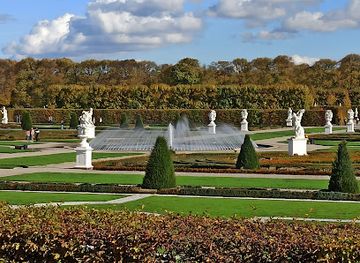
Herrenhäuser Gärten
Explore the majestic Herrenhäuser Gärten in Hanover, where history and nature intertwine to create a stunning baroque garden experience.
-
Castle
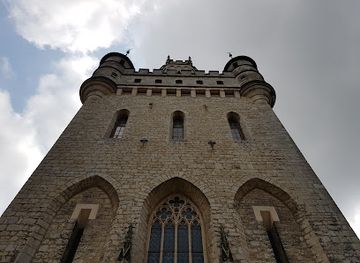
Marienburg Castle
Experience the enchanting Marienburg Castle in Pattensen, Germany, a historical gem blending stunning architecture with captivating history and beautiful landscapes.
-
Tourist attraction
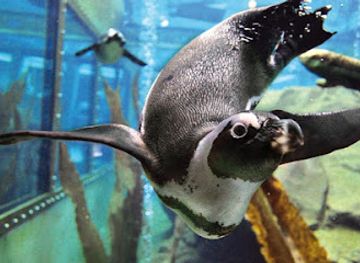
SEA LIFE Hannover
Explore the enchanting underwater world at SEA LIFE Hannover, where diverse marine life and captivating exhibits await every visitor.

Best landmarks in Lower Saxony
The Herrenhausen Gardens in Hannover are among Lower Saxony’s most significant architectural landscapes, especially the formal Great Garden and the surviving elements of the royal summer residence. In Hildesheim, the Cathedral of St Mary and the Church of St Michael represent major medieval ecclesiastical landmarks and form part of the city’s UNESCO-listed heritage. Goslar’s Imperial Palace and medieval old town recall the town’s importance to the rulers of the Holy Roman Empire, while the nearby Rammelsberg mine and Upper Harz water-management landscape express the enduring impact of mining. The half-timbered old town of Celle is a particularly coherent example of northern German urban architecture, with richly decorated façades lining its historic streets. At the coast, the shifting mudflats, barrier islands and tidal channels of the Wadden Sea are natural landmarks rather than fixed monuments. The Fagus Factory at Alfeld, designed in the early twentieth century, adds a landmark of modern industrial architecture to the state’s otherwise strongly medieval and early-modern visual heritage.
-
Garden
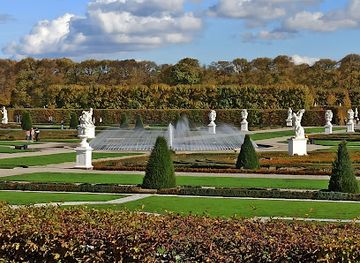
Herrenhäuser Gärten
Explore the magnificent Herrenhausen Gardens in Hanover: a stunning blend of Baroque grandeur, botanical diversity, and tranquil English landscapes, offering a royal retreat for all.
-
Castle
Marienburg Castle
Discover Marienburg Castle: A neo-Gothic masterpiece and a symbol of royal love, nestled in the scenic landscapes of Lower Saxony, offering a glimpse into Germany's regal past.
-
Museum
Landesmuseum Hannover
Explore art, nature, and history under one roof at the Landesmuseum Hannover, Lower Saxony's largest museum, featuring collections from around the globe and spanning millennia of human and natural history.
-
Tourist attraction
Caves experience center Isenberg limestone cave
Explore a 385-million-year-old cave, discover ancient burial sites, and uncover the secrets of the Harz Mountains at the HöhlenErlebnisZentrum Iberg Dripstone Cave near Bad Grund.


Explore Lower Saxony on the map
Plan your trip on one map. See where the top cities, national parks and sights are, and book hotels and experiences in a few clicks.
Best hotels in Lower Saxony
Best restaurants in Lower Saxony
Lower Saxony’s food culture reflects its coast, agricultural plains and rural hinterland. North Sea towns serve fish, prawns and other maritime produce, while East Frisia is associated with a formal tea tradition usually enjoyed with thick cream and a sweet accompaniment. Inland menus often feature asparagus in season, potatoes, cabbage, pork and regional farmhouse products; the Lüneburg Heath has traditional buckwheat-based dishes, while Harz districts are known for hearty mountain cooking and locally made cheeses. Village inns, brewery restaurants and traditional pubs remain important outside the main cities, offering substantial meals alongside seasonal menus. Hannover, Braunschweig, Göttingen, Oldenburg and Osnabrück provide the broadest range of international food and contemporary German cooking. Farmers’ markets and specialist food shops are useful places to find regional honey, preserves, baked goods, smoked fish and dairy products, although origins and production methods vary between districts.
-
Syrian
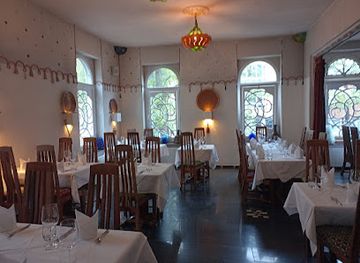
Al-dar
Experience authentic Syrian cuisine at Al-dar in Hanover, where every dish tells a story of rich flavors and traditions.
-
Restaurant
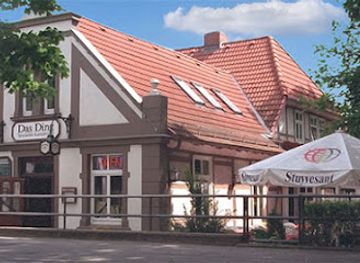
Restaurant »Das Ding«
Experience the best of American cuisine at Das Ding in Hanover—where succulent steaks meet warm hospitality.
-
Grill
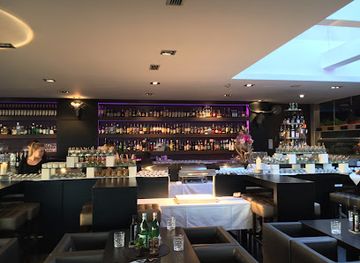
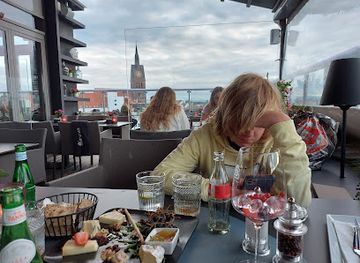
6 Sinne Sky Bar and Restaurant
Discover exquisite dining with panoramic views at 6 Sinne Sky Bar and Restaurant in Hanover – where culinary artistry meets stunning skyline vistas.
-
German
Broyhan Haus
Savor authentic German cuisine at Broyhan Haus in Hanover - where tradition meets taste in every bite.
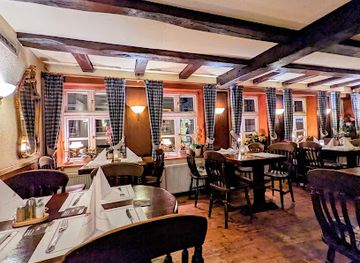
Best bars in Lower Saxony
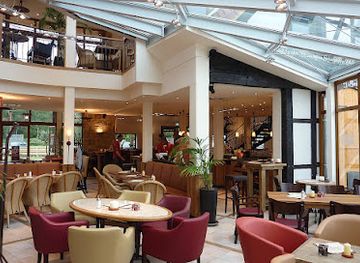
Evening life in Lower Saxony varies considerably between university cities, industrial centres, coastal resorts and rural districts. Hannover has the broadest selection of cocktail bars, live-music venues, cultural events and late-night establishments, while Göttingen and Braunschweig have substantial student and city-centre scenes. Osnabrück, Oldenburg and Wolfsburg offer further concentrations of restaurants, pubs and performance venues. In smaller towns, traditional pubs, beer gardens, wine bars and hotel restaurants are more typical than large clubs, and evenings often centre on local music or seasonal events. North Sea resorts add seafront cafés, hotel bars and informal venues, particularly during the warmer months. Craft breweries and regional drinks appear in many cities, but nightlife is not uniform across the state; rural areas may require advance planning for late transport, and opening arrangements can change outside the main season.
-
Bar
Brauhaus Ernst August
Experience the best of Hanover at Brauhaus Ernst August, a lively gastropub offering delicious food, local beers, and vibrant live music.
-
Bar
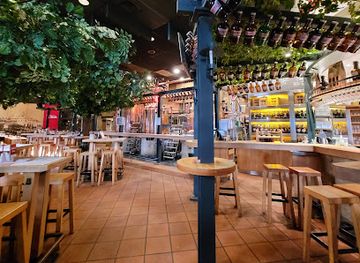
Finca Hannover Finca & Bar Celona Hannover Marienwerder
Discover Finca Hannover, a bar and restaurant offering a delightful blend of local and international cuisine in the heart of Marienwerder.
-
Irish pub
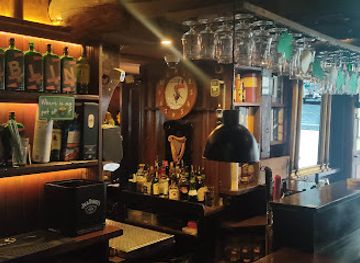
Dublin Inn
Experience the warmth of Irish hospitality at Dublin Inn, where traditional food, drinks, and sports come together in Hanover's lively atmosphere.
-
Grill
6 Sinne Sky Bar and Restaurant
Discover exquisite grilled cuisine and breathtaking views at 6 Sinne Sky Bar and Restaurant in Hanover, a perfect spot for food lovers and tourists alike.
Best nightclubs in Lower Saxony
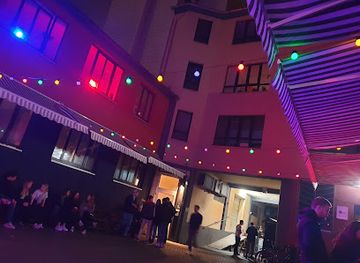
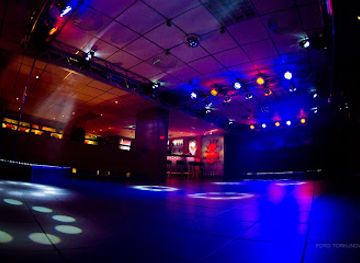
Evening life in Lower Saxony varies considerably between university cities, industrial centres, coastal resorts and rural districts. Hannover has the broadest selection of cocktail bars, live-music venues, cultural events and late-night establishments, while Göttingen and Braunschweig have substantial student and city-centre scenes. Osnabrück, Oldenburg and Wolfsburg offer further concentrations of restaurants, pubs and performance venues. In smaller towns, traditional pubs, beer gardens, wine bars and hotel restaurants are more typical than large clubs, and evenings often centre on local music or seasonal events. North Sea resorts add seafront cafés, hotel bars and informal venues, particularly during the warmer months. Craft breweries and regional drinks appear in many cities, but nightlife is not uniform across the state; rural areas may require advance planning for late transport, and opening arrangements can change outside the main season.
-
Night club
Club Weidendamm
Discover the electrifying nightlife at Club Weidendamm, Hannover's premier destination for music, dance, and good vibes.
-
Night club
Infinity Club
Discover the ultimate nightlife experience at Infinity Club in Hanover - where dancing, cocktails, and karaoke come together for an unforgettable evening.
-
Disco club
Havana Club Steintor - Hannover
Experience the pulsating nightlife at Havana Club Steintor, Hannover's premier disco club and bar, where unforgettable moments await.
-
Night club
Sun Fu GmbH Eve Club & Lounge - Hannover
Discover the pulsating heart of Hannover's nightlife at Sun Fu GmbH Eve Club & Lounge, where music, dance, and fun await.

Best shops in Lower Saxony
Shopping in Lower Saxony is strongest in its historic market towns and larger regional cities. Hannover provides the widest urban choice, with department stores, independent retailers, specialist food shops and modern shopping areas, while Braunschweig, Göttingen, Oldenburg and Osnabrück combine established high streets with smaller local businesses. Celle, Goslar, Hamelin and Einbeck are suited to browsing craft shops, bookshops, galleries, antiques and shops selling regional food. Coastal towns often stock smoked fish, tea, maritime gifts and practical outdoor clothing, while East Frisian communities are a good place to look for tea-related products and local sweets. Farmers’ markets offer seasonal asparagus, honey, preserves, cheese and baked goods, although market days differ by town. In the Harz and Weserbergland, independent craft workshops and regional produce are more characteristic than extensive retail complexes. Check whether smaller shops accept cards, particularly at markets and in rural villages.
-
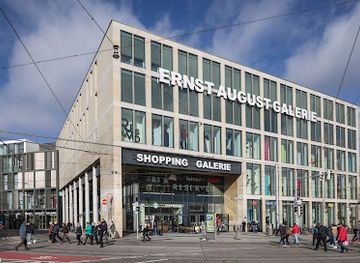
Shopping mall
Ernst-August-Galerie
Discover Hanover's premier shopping destination at Ernst-August-Galerie, featuring a diverse array of shops, cafes, and cultural experiences.
-
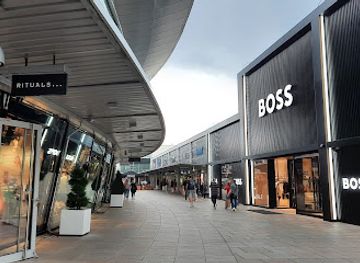
Outlet mall
Designer Outlets Wolfsburg
Discover unbeatable fashion deals at Designer Outlets Wolfsburg, a premier shopping destination with a variety of designer brands and chic dining options.
-
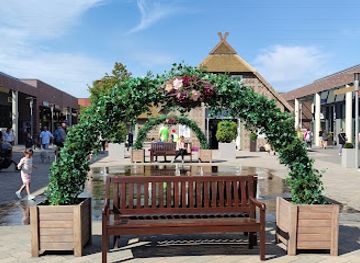
Shopping mall
Designer Outlet Soltau
Explore Designer Outlet Soltau for exclusive shopping experiences and unbeatable discounts on top brands in a spacious and welcoming environment.
-
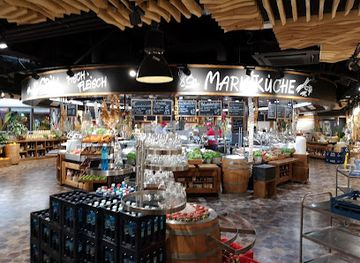
Shopping mall
A2 Center
Explore A2 Center, Isernhagen's premier shopping destination with diverse shops, dining, and entertainment options for an unforgettable experience.
Get your free copy of our complete guide to Lower Saxony, delivered straight to you.
Everything on this page, from attractions and restaurants to essentials and local phrases, in one PDF you can read offline, print or share.
Already have an account? Sign in
Your Lower Saxony guide is ready.
We'll send it to · Not you? Sign out

Getting your guide ready…
We are putting together a fresh copy of the Lower Saxony guide. This can take up to a minute.
This can take a few moments. If your browser asks, choose Allow so the download can start. You'll find the guide in your Downloads folder.
Nothing happened? Download it again
Sorry, the guide is taking longer than usual. Please try again in a minute, or get it by email instead.
Lower Saxony essentials
Currency and Payment
Safety
Emergency Situations
Do's and Don'ts
Local Tips
From Eve
Local phrases worth knowing
You don't need to get them perfect. A few words go a long way, and locals appreciate the effort.
Basics
| English | Local | Say it |
|---|---|---|
| Hello | Moin | [moin] |
| Goodbye | Tschüss | [tʃʏs] |
| Yes | Ja | [ja] |
| No | Nee | [neɪ] |
| Please/You're welcome | Bitte | [ˈbɪtə] |
| Thank you | Danke | [ˈdaŋkə] |
| Excuse me/Sorry | Entschuldigung | [ɛntˈʃʊldɪɡʊŋ] |
| How are you? | Wie geht's? | [viː ɡeɪts] |
| Fine. And you? | Gut. Und dir? | [ɡuːt ʊnd diːr] |
| Do you speak English? | Sprechen Sie Englisch? | [ˈʃprɛçən ziː ˈɛŋɡlɪʃ] |
| I don't understand | Ich verstehe nicht | [ɪç fɛʁˈʃteːə nɪçt] |
Eating & Drinking
| English | Local | Say it |
|---|---|---|
| I'd like to see the menu, please | Ich möchte die Speisekarte sehen, bitte | [ɪç ˈmʏçtə diː ˈʃpaɪ̯zɛˌkaʁtə ˈzeːən ˈbɪtə] |
| I don't eat meat | Ich esse kein Fleisch | [ɪç ˈɛsə kaɪ̯n flaɪ̯ʃ] |
| Cheers! | Prost! | [proʊst] |
| I would like to pay, please | Ich möchte bezahlen, bitte | [ɪç ˈmʏçtə bəˈtsaːlən ˈbɪtə] |
Emergencies
| English | Local | Say it |
|---|---|---|
| Help! | Hilfe! | [ˈhɪlfə] |
| Go away! | Geh weg! | [ɡeː vɛk] |
| Call the Police! | Rufen Sie die Polizei! | [ˈruːfən ziː diː ˈpoːlɪˌtsaɪ̯] |
| Call a doctor! | Rufen Sie einen Arzt! | [ˈruːfən ziː ˈaʁt͡s] |
| I'm lost | Ich bin verloren | [ɪç bɪn fɛˈloːʁən] |
| I'm ill | Ich bin krank | [ɪç bɪn kʁaŋk] |
Shopping
| English | Local | Say it |
|---|---|---|
| I'd like to buy... | Ich möchte ... kaufen | [ɪç ˈmʏçtə ... ˈkaʊ̯fən] |
| I'm just looking | Ich schaue nur | [ɪç ˈʃaʊ̯ə nuːɐ] |
| How much is it? | Wie viel kostet das? | [viː fiːl ˈkɔstɛt das] |
| That's too expensive | Das ist zu teuer | [das ɪst tsuː ˈtɔʏ̯əʁ] |
| Can you lower the price? | Können Sie den Preis senken? | [ˈkœnən ziː deːn praɪ̯s ˈzɛŋkən] |
Time & Numbers
| English | Local | Say it |
|---|---|---|
| What time is it? | Wie spät ist es? | [viː ʃpɛːt ɪst ɛs] |
| It's one o'clock | Es ist ein Uhr | [ɛs ɪst aɪ̯n uːʁ] |
| Half past (10) | Halb (10) | [halp (10)] |
| Morning | Morgen | [ˈmɔʁɡn̩] |
| Afternoon | Nachmittag | [ˈnaːχmɪtaːk] |
| Evening | Abend | [ˈaːbɛnt] |
| Yesterday | Gestern | [ˈɡɛstɐn] |
| Today | Heute | [ˈhɔʏ̯tə] |
| Tomorrow | Morgen | [ˈmɔʁɡn̩] |
| 1 | Eins | [aɪ̯ns] |
| 2 | Zwei | [tsvaɪ̯] |
| 3 | Drei | [dʁaɪ̯] |
| 4 | Vier | [fiːɐ] |
| 5 | Fünf | [fʏnf] |
| 6 | Sechs | [zɛks] |
| 7 | Sieben | [ˈziːbən] |
| 8 | Acht | [axt] |
| 9 | Neun | [nɔɪ̯n] |
| 10 | Zehn | [tseːn] |
Transport & Directions
| English | Local | Say it |
|---|---|---|
| Where's a/the...? | Wo ist ein/das ...? | [voː ɪst aɪ̯n/das ...?] |
| What's the address? | Wie ist die Adresse? | [viː ɪst diː aˈdʁɛsə] |
| Can you show me (on the map)? | Können Sie mir (auf der Karte) zeigen? | [ˈkœnən ziː miːʁ (aʊ̯f deːɐ ˈkaʁtə) ˈtsaɪ̯ɡən] |
| When's the next (bus)? | Wann fährt der nächste (Bus)? | [van fɛːʁt deːɐ ˈnɛːçstə (bʊs)] |
| A ticket (to ....) | Ein Ticket (nach ...) | [aɪ̯n ˈtɪkɛt (naːχ ...)] |
History of Lower Saxony
Prehistoric settlements and the Bronze Age
Lower Saxony has been inhabited since prehistoric times, with archaeological evidence of settlements, burial grounds and ritual landscapes across its plains and uplands. The state’s bogs and wetlands have preserved organic materials that are rarely found elsewhere, while Bronze Age hoards and burial monuments reveal long-distance exchange and changing social organisation. The landscape around the Lüneburg Heath and the southern uplands contains numerous prehistoric sites, although many are best understood through museums, marked archaeological trails and reconstructed settings rather than dramatic standing ruins. These remains establish a human history considerably older than the medieval towns that dominate the modern visitor itinerary.
The Roman campaign and the Battle of the Teutoburg Forest
In AD 9, a Roman army commanded by Publius Quinctilius Varus was defeated by a coalition led by Arminius, a Germanic commander who had served in the Roman army. The exact battlefield was debated for centuries, but archaeological discoveries at Kalkriese, near Bramsche in north-western Lower Saxony, have produced extensive evidence of a major conflict and are widely associated with the battle. The Museum and Park Kalkriese interprets the weapons, earthworks and wider political context. The defeat halted Rome’s attempt to establish lasting control east of the Rhine and became an important episode in later German historical memory.
Saxon incorporation and medieval duchies
Much of present-day Lower Saxony belonged to the medieval Saxon world, whose political structures changed profoundly after the campaigns of Charlemagne in the late eighth and early ninth centuries. Christian institutions, royal administration and ecclesiastical foundations expanded, while towns and trading settlements grew along river routes. From the twelfth century, the Duchy of Saxony and the rising power of the Guelph, or Welf, dynasty shaped much of the region’s politics. Churches, monasteries, castles and town plans in places such as Braunschweig, Hildesheim and Goslar still reflect the wealth and authority accumulated during the medieval period.
Goslar, mining and imperial power
The silver, lead and other mineral resources of the Harz made the area around Goslar economically and politically important from the medieval period onwards. The imperial palace at Goslar, associated with the rulers of the Holy Roman Empire, illustrates the town’s former importance, while the nearby Rammelsberg mine preserves the industrial foundation of that prosperity. The Upper Harz Water Management System, a network of ponds, channels and reservoirs developed to support mining, demonstrates the remarkable scale of historic engineering in the uplands. Goslar and the mining landscape together form a visible link between imperial politics, natural resources and technological change.
The Guelphs and the Electorate of Hanover
The Guelph dynasty remained central to Lower Saxony’s political history, particularly through the states of Brunswick-Lüneburg and Hanover. In 1714, the Hanoverian Elector George Louis became King George I of Great Britain, creating a constitutional link between Hanover and the British monarchy that lasted until the accession of Queen Victoria in 1837. Hannover’s royal gardens at Herrenhausen, aristocratic estates and civic architecture reflect this period. The dynasty’s influence also shaped Braunschweig and other territories, although the region remained politically divided into several states rather than forming a unified Lower Saxony.
Industrialisation, railways and modern cities
From the nineteenth century, railways, mechanised industry, mining and expanding trade transformed Lower Saxony. Hannover became a major railway and exhibition centre, while the Harz continued to depend on mining and the coastal ports developed maritime and naval functions. The founding of the Volkswagen works at Wolfsburg in the twentieth century created one of the state’s most distinctive industrial landscapes and led to the growth of a planned city around the factory. Industrialisation brought urban expansion, new social structures and closer connections between rural districts, regional towns and national markets.
The formation of Lower Saxony after 1945
The modern state of Lower Saxony was created in 1946 in the British occupation zone by merging the former states of Hanover, Oldenburg, Brunswick and Schaumburg-Lippe. This administrative reorganisation brought together territories with different political traditions, landscapes and economic structures. Post-war reconstruction, refugee settlement and industrial recovery reshaped cities and rural communities, while Hannover developed into the state capital and a major trade-fair city. In the decades that followed, environmental protection, heritage conservation, tourism and the transformation of older industries became increasingly important alongside manufacturing, logistics and agriculture.
Lower Saxony in Photos
Browse through our photo collection highlighting the charm and character of the destination.
Neighbouring regions of Lower Saxony
The closest regions to Lower Saxony, if you have time for more than one.
-

-

-

-

-


Swipe for more regions
Explore more

Explore more of Germany
Experience Germany: where history meets innovation, and urban energy blends with natural beauty. Discover diverse cultures, delicious cuisine, and stunning landscapes.
Explore Germany