New Munster, Wurzburg Travel Guide
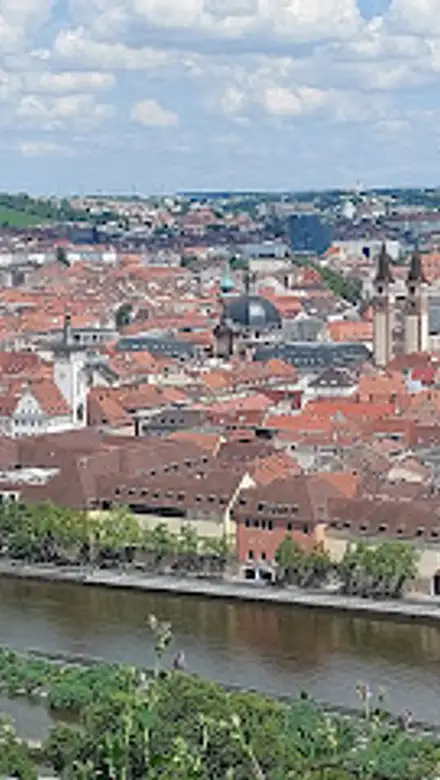
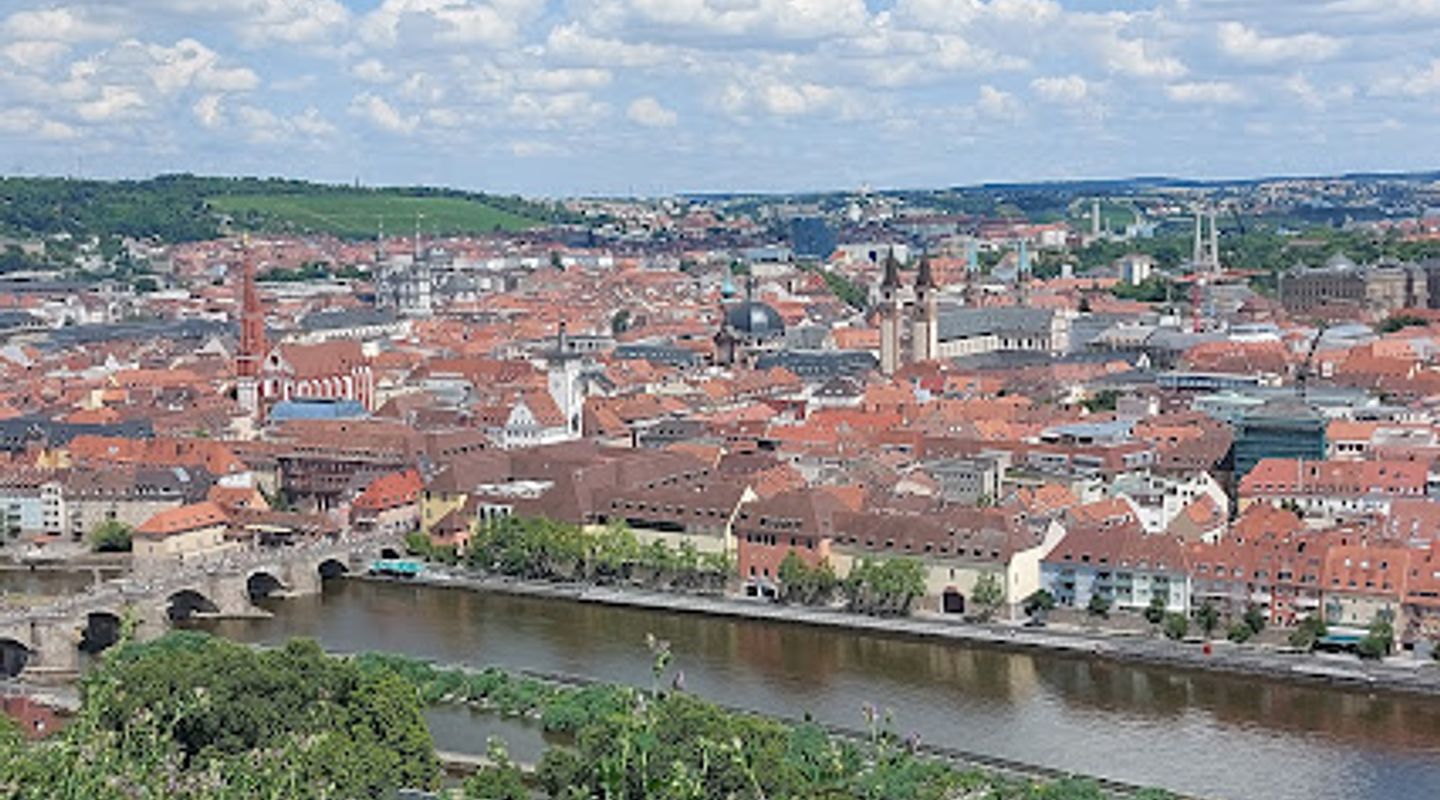
Discover New Munster in Würzburg: A historic Catholic church blending Romanesque origins with stunning Baroque artistry, offering a serene spiritual and architectural experience in the heart of the Old Town.
New Munster, or Neumünster as it's known locally, is a stunning Catholic church in the heart of Würzburg's Old Town. Dating back to the 11th century, this architectural gem boasts a rich history and a captivating blend of Romanesque and Baroque styles. Originally built to honor the Franconian Apostles, Kilian, Colman, and Totnan, who were martyred here, the church has evolved over centuries, with significant Baroque renovations in the 18th century. Visitors are greeted by an ornate facade adorned with sculptures and frescoes, while the interior showcases a beautifully designed nave, elegant altars, and serene atmosphere. The play of sunlight through the stained glass windows creates a magical ambiance, making it a must-see destination for those seeking historical and spiritual enrichment.
A brief summary to New Munster
- Martinstraße 4, Würzburg, Altstadt, 97070, DE
- Click to display
- Click to display
- Monday 8 am-5 pm
- Tuesday 8 am-5 pm
- Wednesday 8 am-5 pm
- Thursday 8 am-5 pm
- Friday 8 am-5 pm
- Saturday 9 am-5 pm
- Sunday 9 am-5 pm

Know before you go
Hi, I'm Eve. Here are a few practical things to know before exploring New Munster.
- Visit during weekday mornings to avoid crowds and enjoy a more peaceful experience of the church's serene atmosphere.
- Take time to explore the Lusamgärtlein, the garden next to the church, to see the monument to Walther von der Vogelweide and the Romanesque carvings.
- Check the schedule for concerts or musical events held in the church, as its acoustics make it a unique venue for classical music performances.
Do you manage this location?
Take control to get all the benefits, like improved information, better appearance, and stronger visibility across AI-powered discovery. Learn more about listing your business on Evendo
Activate your presenceOther nearby places you may find interesting
The closest places of the same kind, if this one is not quite what you had in mind.



Explore New Munster on the Map
A handpicked selection of must-see spots near New Munster, mapped for you.
Unlock the Best of New Munster
Buy tickets
-
No tickets available
Book tours with entry


Book tours without entry

Getting There
-
Walking
New Munster is located in the heart of Würzburg's Altstadt (Old Town) and is easily accessible on foot from most central locations. From the Old Main Bridge (Alte Mainbrücke), walk east along Domstraße, passing the Würzburg Cathedral (Dom St. Kilian) on your right. Continue straight, and you'll find New Munster on Martinstraße, adjacent to the cathedral. The walk is approximately 5 minutes and offers views of other historical landmarks.
-
Public Transport
If arriving by tram, the closest stops are 'Domstraße' or 'Barbarossaplatz'. From either stop, it's a short walk to New Munster. From 'Domstraße', walk along Domstraße towards the Würzburg Cathedral, and you'll find New Munster adjacent to it on Martinstraße. A single tram fare within Würzburg costs approximately €2.40.
-
Taxi/Ride-Share
Taxis and ride-sharing services are readily available in Würzburg. A short taxi ride from the Würzburg Residence or the Würzburg Hauptbahnhof (main train station) to New Munster will typically cost between €8 and €12, depending on traffic and the specific starting point.
-
Parking
Parking in Würzburg's Old Town can be limited. Several parking garages are located within walking distance of New Munster, including the 'Parkhaus am Dom' and 'Parkhaus Marktgarage'. Hourly parking rates typically range from €2.50 to €3.50, with daily maximums around €15 to €20. Be aware that these garages can fill up quickly, especially during peak tourist season and on weekends.
Discover more about New Munster













Your all‑in‑one travel companion app
Explore expert travel guides, compare and book tours, experiences, hotels, and more—all from the palm of your hand. Download now for seamless trip planning wherever your wanderlust takes you.


Explore More of Wurzburg
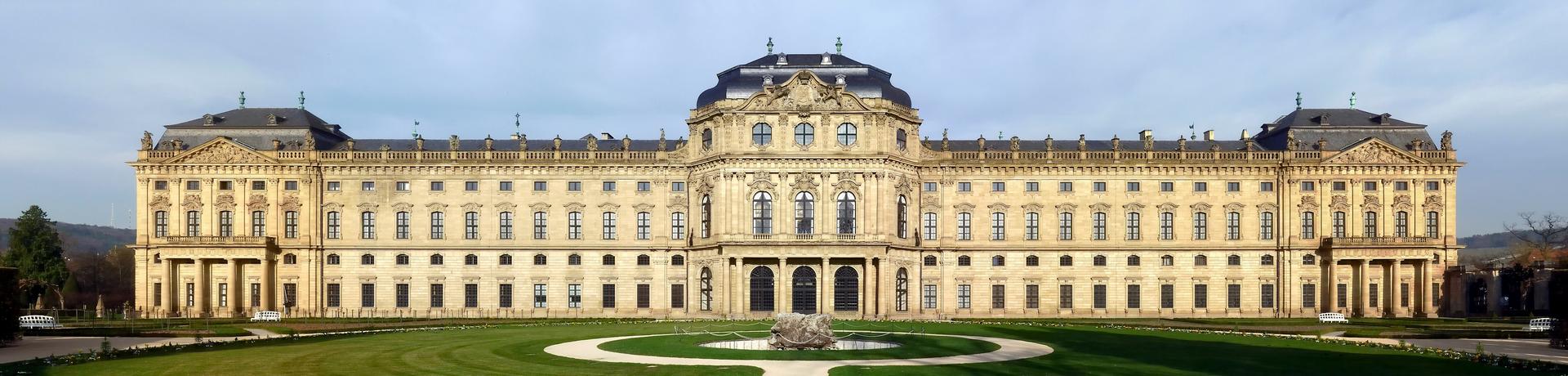
Looking beyond New Munster? Discover Wurzburg for broader travel guides, local hot-spots, and regional highlights.
Explore Wurzburg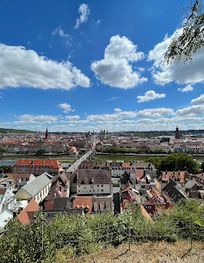
Discover centuries of history and breathtaking views at Festung Marienberg, Würzburg's iconic fortress overlooking the Main River and offering a glimpse into Franconian art and culture.
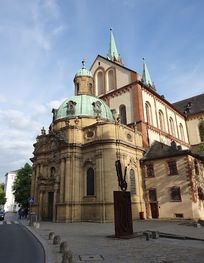
Explore Würzburg Cathedral: A majestic Romanesque basilica with centuries of history, stunning art, and a vibrant spiritual atmosphere in the heart of Würzburg's Old Town.