Neumünster: A Baroque Jewel in Würzburg
Discover Neumünster in Würzburg: A historic church with stunning Baroque architecture, a serene atmosphere, and a rich cultural heritage dating back to the Franconian Apostles.
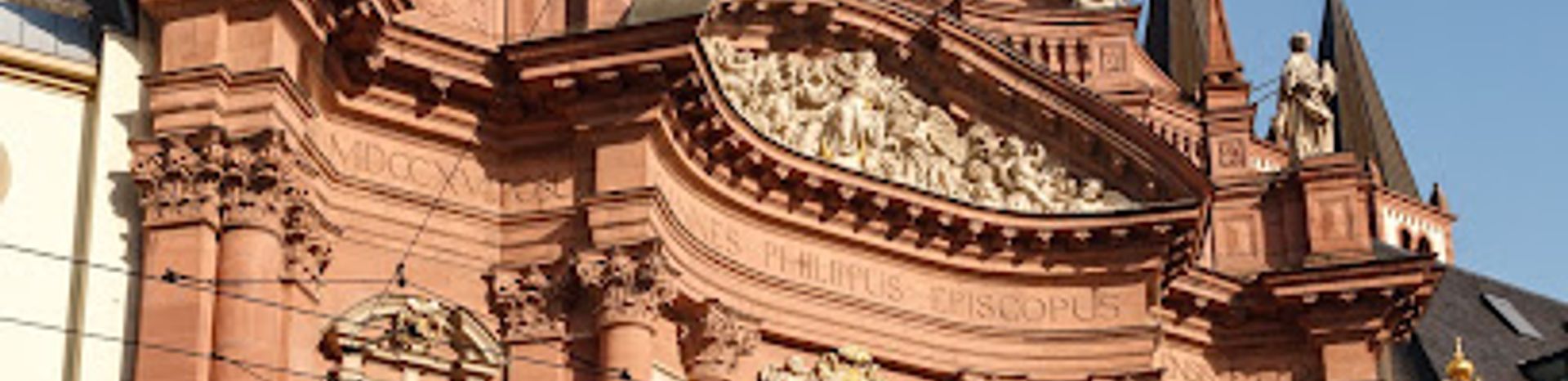
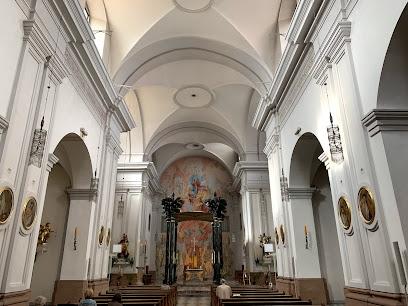
Neumünster, or New Munster, is a captivating Catholic church in Würzburg's Altstadt, a testament to the city's rich architectural and spiritual heritage. Despite its name suggesting otherwise, its origins trace back to the 11th century, built upon the burial site of Saint Kilian and his companions, the Franconian Apostles. The church boasts a stunning Baroque facade and interior, the result of 18th-century renovations by the Zimmermann brothers. Inside, visitors are greeted by a serene atmosphere, intricate artwork, and the peaceful Lusam Garden, once home to the Minnesänger Walther von der Vogelweide. Heavily damaged during World War II, Neumünster was carefully restored and continues to be a significant religious and historical landmark, offering a tranquil escape and a glimpse into Würzburg's past.
A brief summary to New Munster
- Martinstraße 4, Würzburg, Altstadt, 97070, DE
- +4993138662900
- Visit website
Local tips
- Visit during weekday mornings to avoid crowds and enjoy a more peaceful experience.
- Take time to explore the Lusam Garden, a peaceful area adjacent to the church with historical significance.
- Check the schedule for any special services or events that may enhance your visit.

Getting There
-
Walking
Neumünster is located in the heart of Würzburg's Altstadt (Old Town) and is easily accessible on foot from most central locations. From the Würzburg Residence, walk west along Domstraße, then turn right onto Kiliansplatz. Continue straight, and Neumünster will be on your left, next to the Würzburg Cathedral. From the Old Main Bridge, walk east along Domstraße, and the church will be on your right. The walk is generally flat and takes about 5-10 minutes from either starting point.
-
Public Transport
If arriving by tram, the closest stops are 'Domstraße' or 'Barbarossaplatz'. Several tram lines serve these stops. From either stop, Neumünster is a short walk away. From 'Domstraße', walk straight ahead; the church will be on your left. From 'Barbarossaplatz', walk along Schönbornstraße, then turn left onto Kiliansplatz. A single tram fare is approximately €2.40.
-
Taxi/Ride-Share
Taxis and ride-sharing services are readily available in Würzburg. Simply provide the driver with the address: Martinstraße 4, 97070 Würzburg. A short taxi ride from the Würzburg Hauptbahnhof (main train station) to Neumünster will cost approximately €8-€12, depending on traffic.
-
Parking
Parking in the immediate vicinity of Neumünster is limited. The nearest parking garages are 'Parkhaus am Dom' and 'Marktgarage'. Hourly rates typically range from €2.50 to €3.50, with daily maximums around €15-€20. Parking availability can be limited, especially during peak tourist season or on weekends.
Discover more about New Munster
Iconic landmarks you can’t miss

Star Square
0.1 km
Discover Star Square in Würzburg: A charming fountain square in the heart of the Altstadt, surrounded by baroque architecture, offering a tranquil escape and a taste of local life.
Market Plaza Water Fountain
0.1 km
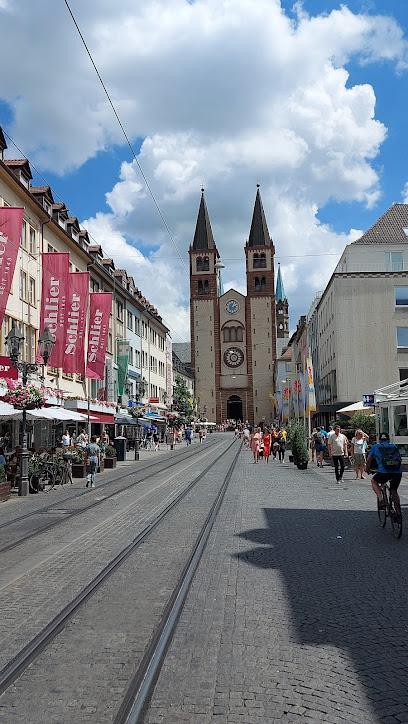
Discover the captivating beauty and rich history of the Market Plaza Water Fountain in Würzburg, a must-visit historical landmark for all travelers.
Würzburg City Hall
0.2 km
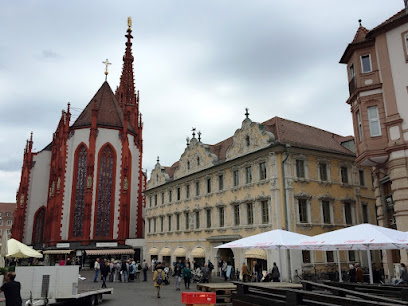
Discover the architectural beauty and historical significance of Würzburg City Hall, a must-visit landmark in Bavaria's vibrant city center.
Brunnen am Dominikanerplatz
0.3 km
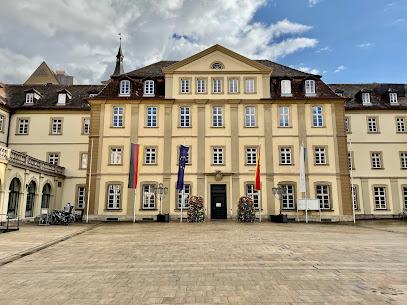
Discover the charm of Brunnen am Dominikanerplatz, a beautiful fountain in Würzburg's historic Old Town, perfect for relaxation and cultural immersion.
Bürgerspital Winery
0.4 km
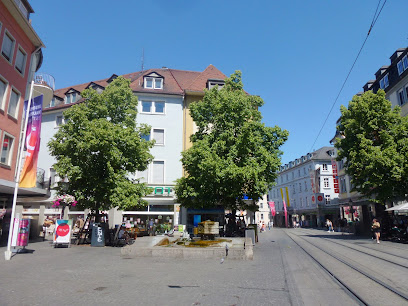
Discover 700 years of Franconian winemaking tradition at Bürgerspital Winery in Würzburg, where exceptional Silvaner wines support a historic charitable foundation.
Statue of Julius Echter
0.4 km
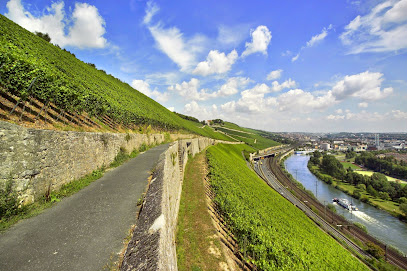
A bronze tribute to Prince-Bishop Julius Echter in Würzburg's Old Town, commemorating his complex legacy and contributions to the city's history and culture.
Schwanentor
0.4 km
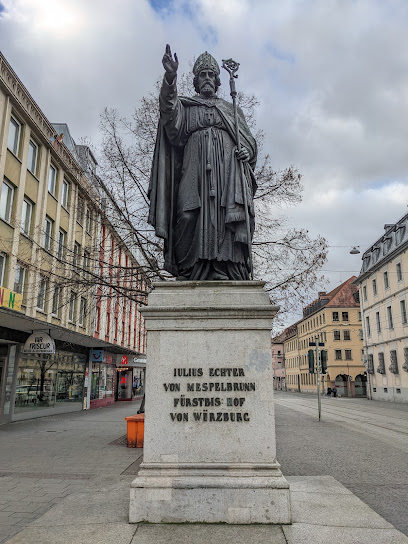
Explore the architectural beauty and historical significance of Schwanentor, a must-see attraction in Würzburg's charming Altstadt.
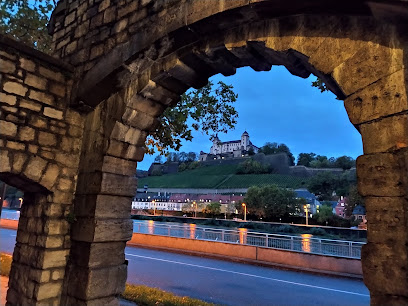
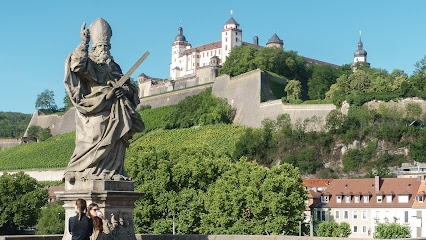
Statue of Saint Kilian
0.4 km
Admire the iconic Statue of Saint Kilian on Würzburg's Old Main Bridge, a symbol of faith and history offering stunning city views and a vibrant atmosphere.
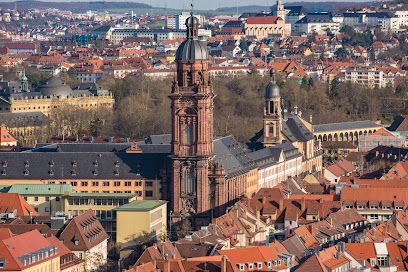
Neubaukirche
0.4 km
Discover the Neubaukirche in Würzburg: A stunning Renaissance church turned university hall, blending history, architecture, and culture in the heart of Bavaria.
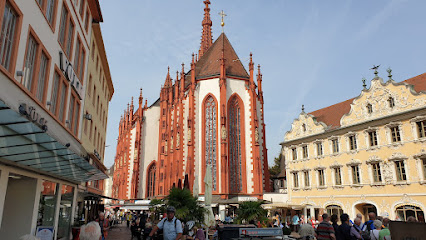
Brückenstatue Jungfrau Maria
0.4 km
Discover the Brückenstatue Jungfrau Maria in Würzburg, a historical landmark offering breathtaking views and rich cultural significance along the beautiful Alte Mainbrücke.
Balthasar-Neumann-Promenade Bastion
0.4 km
Discover the charm of the Balthasar-Neumann-Promenade Bastion, a stunning historical landmark in Würzburg, perfect for leisurely strolls and breathtaking views.
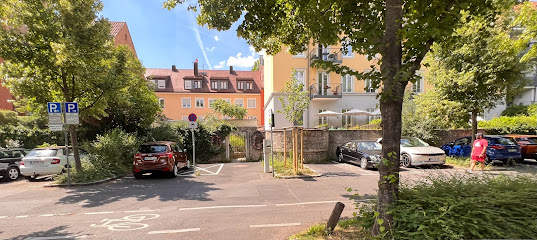
Statue of Emperor Carl the Great
0.5 km
Admire the Statue of Emperor Carl the Great on Würzburg's Alte Mainbrücke, a historical landmark offering stunning views and a taste of Franconian heritage.
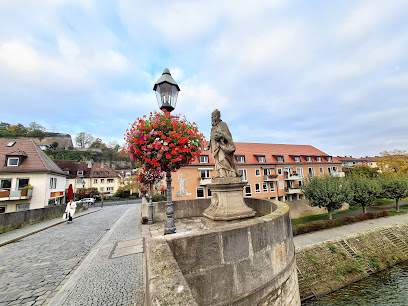
Statue of Saint Bruno
0.5 km
Admire the Statue of Saint Bruno on Würzburg's Old Main Bridge, a historic landmark offering stunning views and a taste of Franconian culture, connecting past and present.
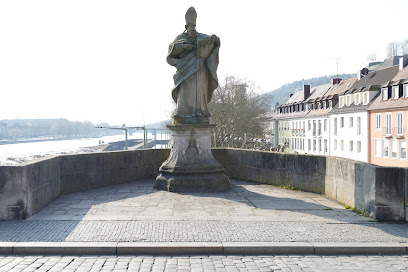
Residenzplatz
0.5 km
Discover the architectural splendor and historical significance of Residenzplatz in Würzburg, a must-visit destination for culture enthusiasts.
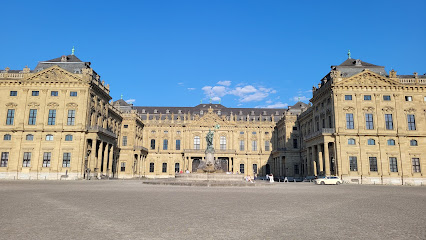
Carmine Church St Joseph and St Mary Magdalene (Reuer Church)
0.6 km
Explore the serene beauty and rich history of Carmine Church in Würzburg, a must-visit for spiritual seekers and architecture lovers alike.
Unmissable attractions to see

MAD Museum am Dom
0.0 km
Explore the captivating blend of modern and historical art at the MAD Museum am Dom in Würzburg, a cultural gem in Germany's picturesque landscape.
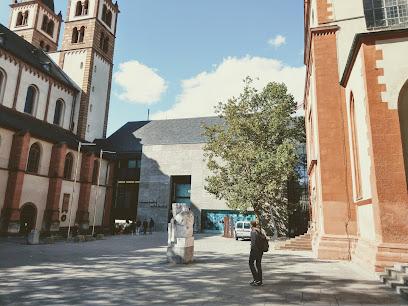
Lusam Garden
0.0 km
Discover the tranquility and beauty of Lusam Garden in Würzburg, a serene oasis perfect for relaxation and nature lovers.
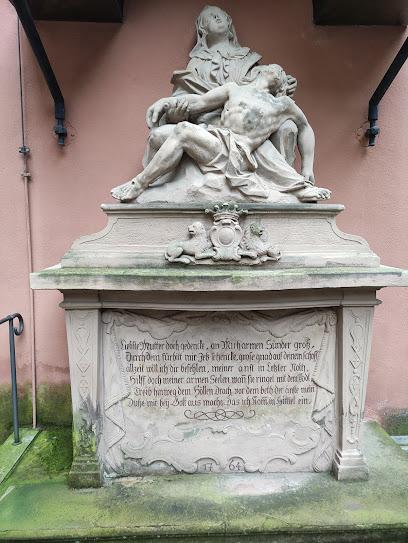
Wurzburg Cathedral
0.1 km
Discover the architectural splendor and spiritual serenity of Wurzburg Cathedral, a must-visit landmark in Wurzburg offering rich history and stunning artistry.

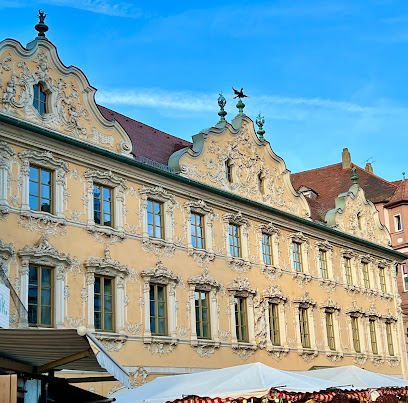
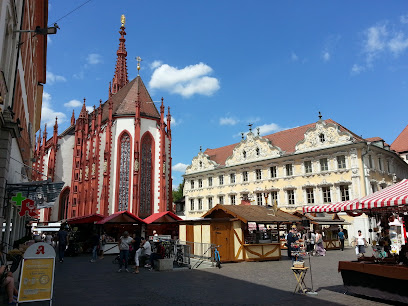
Falkenhaus
0.1 km
Explore the captivating Falkenhaus in Würzburg, a stunning example of Rococo architecture and a key piece of the city's historical heritage.
Tourist Information & Ticket Service im Falkenhaus am Markt
0.1 km
Explore the wonders of Würzburg with expert guidance from the Tourist Information & Ticket Service at Falkenhaus am Markt, your essential travel companion.
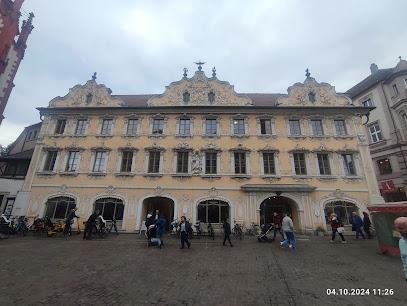
Marktplatz
0.2 km
Explore Würzburg's Marktplatz: a bustling marketplace rich in history, culture, and local flavors, perfect for an unforgettable tourist experience.
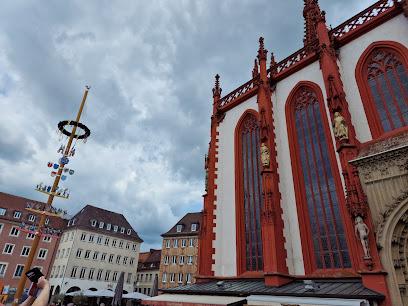
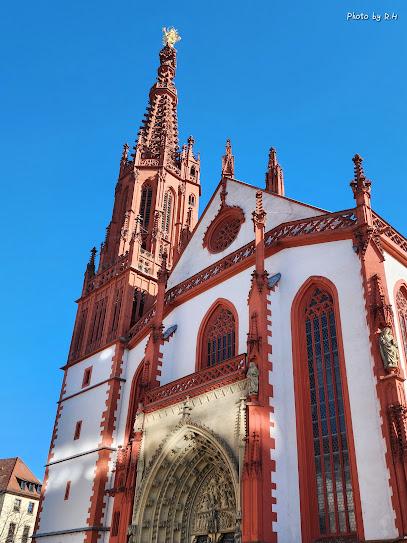
St Mary's Chapel
0.2 km
Explore the enchanting St. Mary's Chapel in Würzburg, a Gothic architectural gem filled with history, stunning artistry, and serene ambiance.
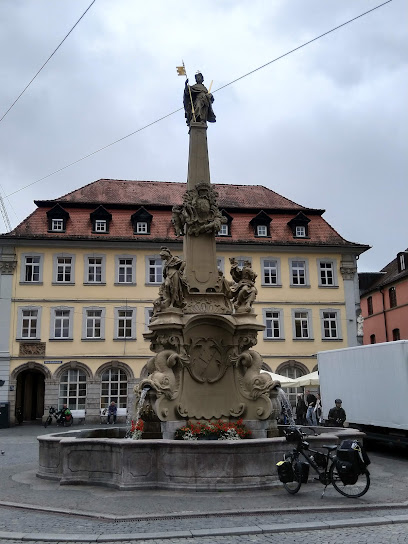
Four Tubes Fountain
0.2 km
Explore the Four Tubes Fountain in Würzburg, a stunning historical landmark showcasing intricate designs and a serene atmosphere amidst vibrant city life.
Waterfront Am Main Würzburg
0.3 km
Discover the beauty and culture of Würzburg at the enchanting Waterfront Am Main, a serene riverside escape for all travelers.
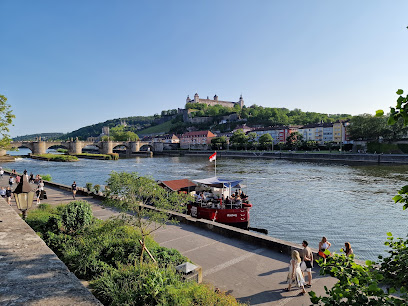
Brunnen am Juliuspromenade
0.4 km
Discover the beauty and history of Brunnen am Juliuspromenade, a serene fountain and cultural landmark in the heart of Würzburg, Germany.
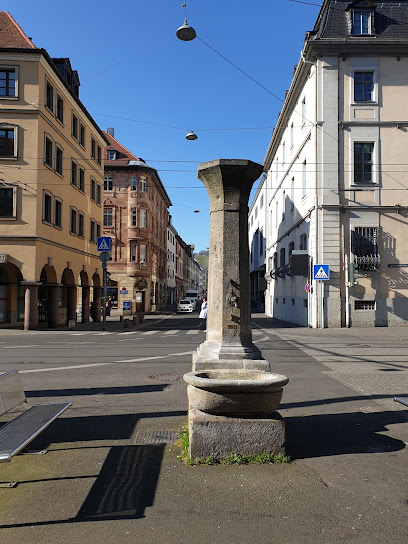
Juliuspromenade
0.4 km
Explore Juliuspromenade in Würzburg: A scenic boulevard filled with shops, cafes, and historic charm, perfect for leisurely strolls and cultural immersion.
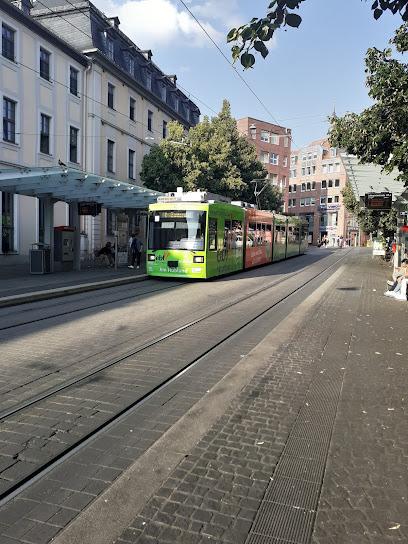
Ceresbrunnen
0.4 km
Explore the enchanting Ceresbrunnen, a stunning Baroque fountain in Würzburg's heart, showcasing the city's rich history and culture.
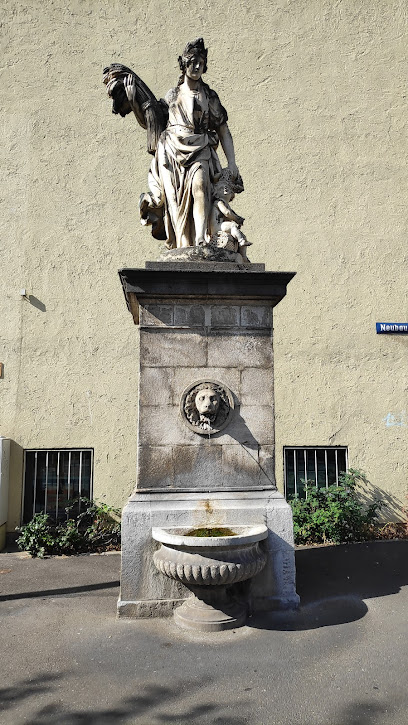
Old Main Bridge
0.4 km
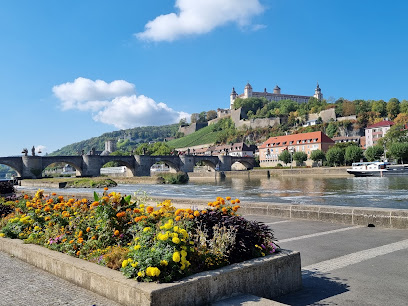
Discover the historic charm of the Old Main Bridge in Würzburg, a picturesque landmark offering stunning views and rich cultural heritage.
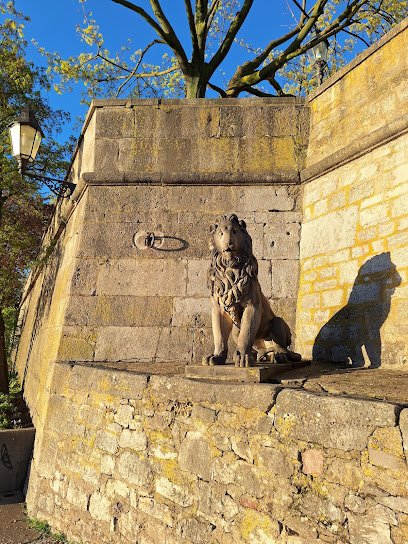
Lion Statue
0.4 km
Discover the majestic Lion Statue in Würzburg's Altstadt, a symbol of strength and history along the Main River, offering picturesque views and a glimpse into the city's soul.
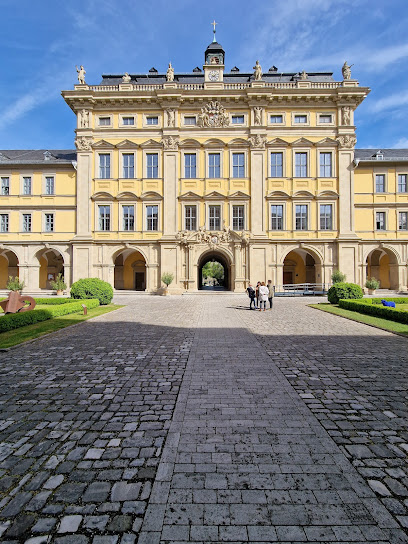
Innenhof Juliusspital
0.4 km
Discover the serene beauty and rich history of Innenhof Juliusspital, Würzburg's enchanting courtyard and wine estate.
Essential places to dine

MyWurscht
0.1 km
Savor authentic German street food at MyWurscht in Würzburg - where delicious sausages meet vibrant atmosphere.
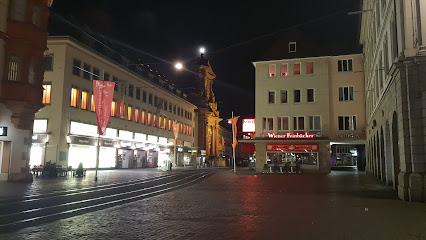
Sternbäck
0.2 km
Experience authentic German cuisine and lively atmosphere at Sternbäck in Würzburg's historic Altstadt.
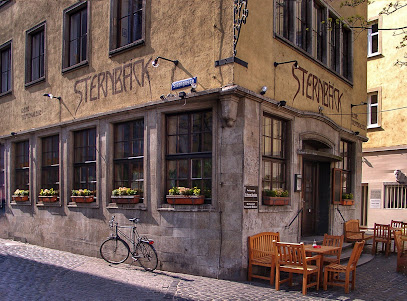
Wirtshaus am Dom Würzburg
0.2 km
Experience authentic European cuisine at Wirtshaus am Dom in Würzburg's historic Altstadt, where culinary excellence meets warm hospitality.
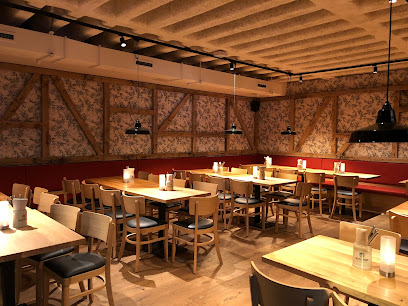
Pasta e Olio - Würzburg
0.2 km
Experience authentic Italian cuisine at Pasta e Olio in Würzburg – a must-visit for food enthusiasts seeking delicious pasta and pizza.
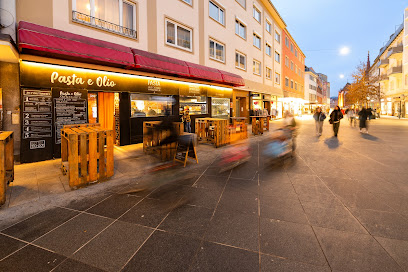
Maulaffenbäck
0.2 km
Experience authentic Franconian cuisine at Maulaffenbäck in Würzburg – where tradition meets modern flavors in a cozy setting.
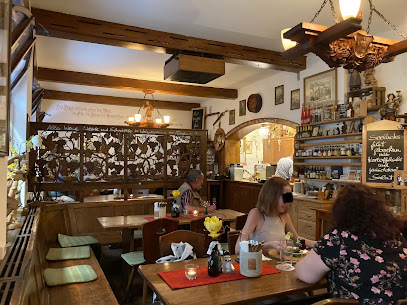
Casa del Gusto
0.2 km
Experience authentic Italian cuisine at Casa del Gusto in Würzburg - where every meal is a celebration of flavor.
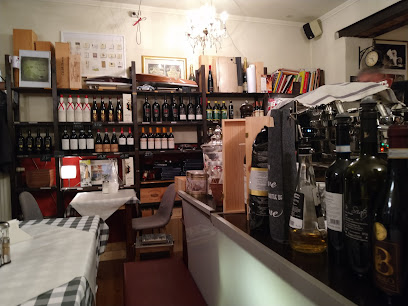
Aifach Reisers
0.2 km
Discover Aifach Reisers in Würzburg for a delightful blend of traditional German cuisine and modern culinary artistry.
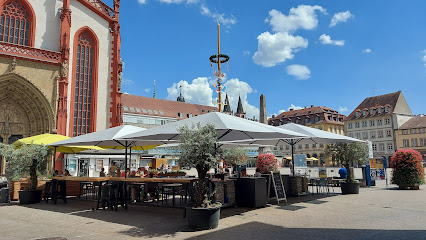
Wirtshaus Lämmle
0.2 km
Savor authentic Franconian dishes at Wirtshaus Lämmle in Würzburg's historic Altstadt—where tradition meets taste.
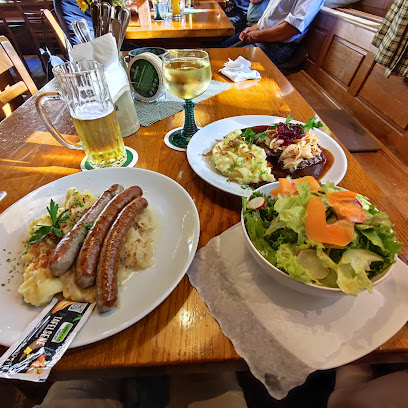
Würzburger Ratskeller
0.2 km
Experience authentic Franconian cuisine at Würzburger Ratskeller in Würzburg's charming Altstadt.
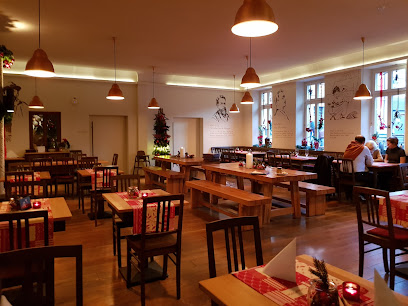
Maiz Taqueria
0.2 km
Experience vibrant flavors at Maiz Taqueria - Würzburg's top destination for authentic Mexican cuisine.
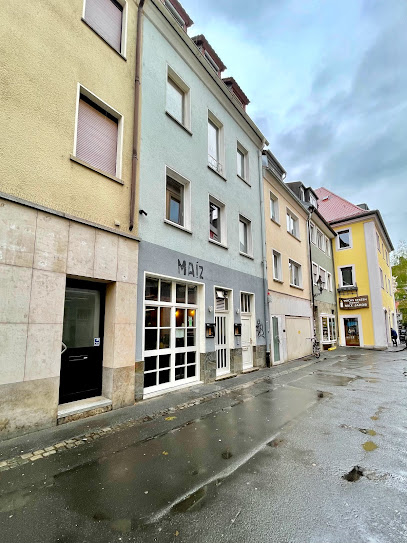
Restaurant & Weinhaus Stachel
0.2 km
Experience authentic German cuisine and exquisite Franconian wines at Restaurant & Weinhaus Stachel in the heart of Würzburg.
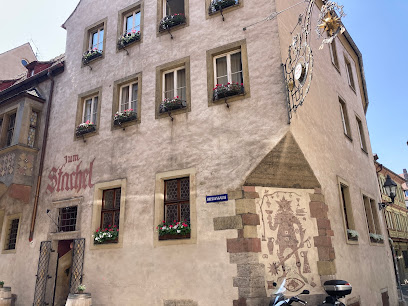
Ristorante Le Candele
0.2 km
Experience authentic Italian cuisine at Ristorante Le Candele in Würzburg - where every dish tells a story.
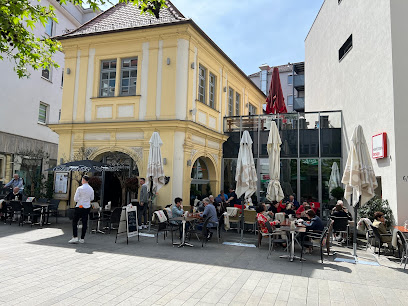
Backöfele
0.3 km
Experience authentic Franconian cuisine at Backöfele in Würzburg, where tradition meets flavor in every dish.
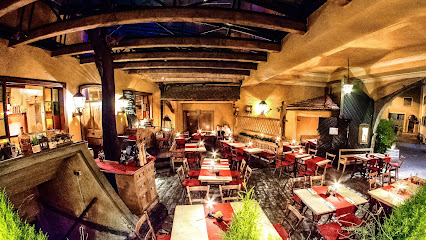
Chase Steakhouse
0.3 km
Experience the finest American dining at Chase Steakhouse in Würzburg – where perfectly grilled steaks meet gourmet flavors.
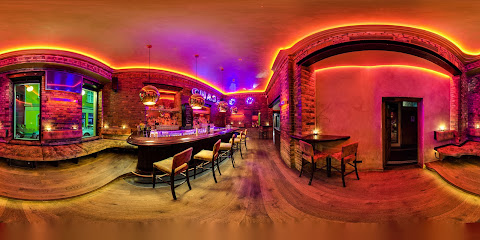
La Rustica | Ristorante & Pizzeria
0.3 km
Experience authentic Italian flavors at La Rustica in Würzburg - where every meal feels like a culinary journey through Italy.
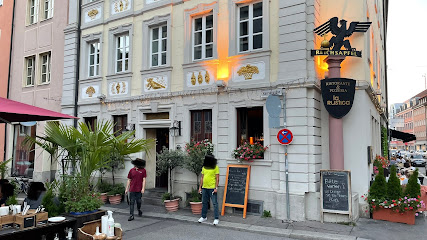
Markets, malls and hidden boutiques

Lindt Boutique Würzburg
0.0 km
Discover the exquisite world of chocolate at Lindt Boutique Würzburg, where every bite is a rich delight waiting to be savored.
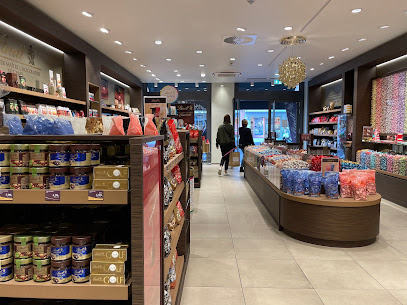
Zeitgeist
0.1 km
Explore Zeitgeist, a charming gift shop in Würzburg, offering unique local crafts and souvenirs that capture the essence of your visit.
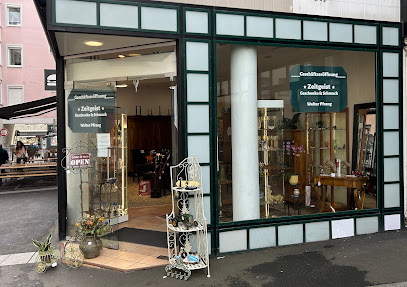
NO REGRETS
0.1 km
Explore the vibrant clothing store NO REGRETS in Würzburg for trendy apparel and a unique shopping experience in the heart of the city.
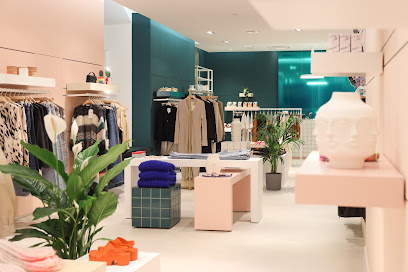
Salve
0.1 km
Discover unique Italian fashion at Salve, the charming boutique in Würzburg’s Altstadt, offering a cozy shopping experience for every style enthusiast.
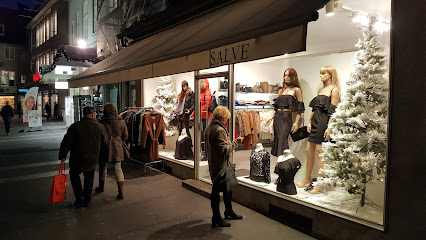
5 fine fashion - Der Laden mit Liebe zum Design
0.1 km
Explore the stylish world of 5 Fine Fashion Boutique in Würzburg, where elegance and unique designs come together in a charming shopping experience.
TK Maxx
0.1 km
Explore TK Maxx in Würzburg for unbeatable deals on fashion and home goods in a vibrant shopping atmosphere.
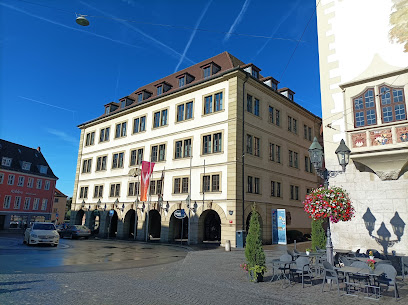
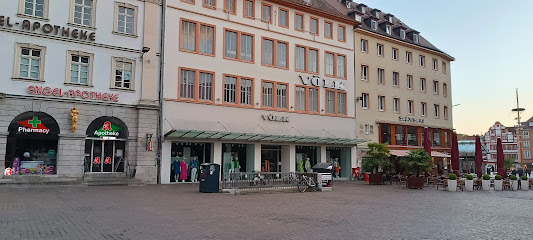
Modehaus Völk
0.1 km
Explore a diverse collection of stylish apparel at Modehaus Völk in Würzburg, where fashion meets quality in a charming atmosphere.
Zara
0.1 km
Shop the latest fashion trends at Zara in Würzburg, a stylish clothing store offering a wide selection for the whole family.
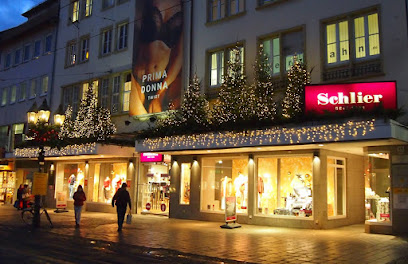
Schlier - Modehaus in Würzburg
0.1 km
Discover a diverse selection of high-quality fashion at Schlier, Würzburg's premier clothing store for the whole family.
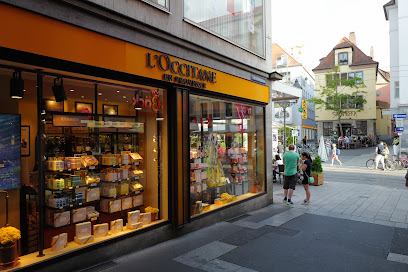
L'OCCITANE EN PROVENCE
0.1 km
Explore the exquisite world of beauty and skincare at L'OCCITANE EN PROVENCE, where nature meets luxury in the heart of Würzburg.
s.Oliver Store
0.1 km
Discover stylish clothing and accessories at s.Oliver Store in Würzburg - a fashion destination in the heart of the city.
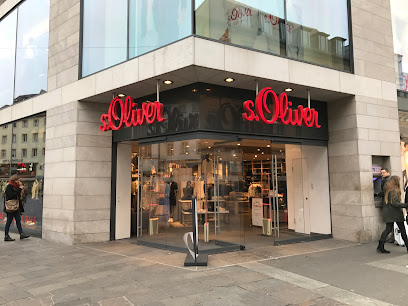
Dompassage
0.1 km
Explore the vibrant shopping scene at Dompassage in Würzburg, where retail therapy meets delightful dining and local culture.
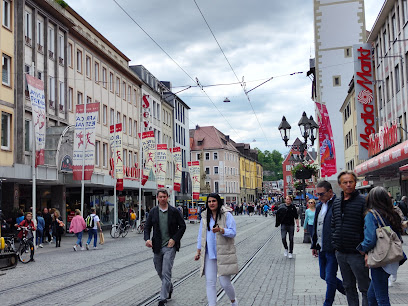
Ellie Boutique Würzburg
0.2 km
Explore unique style at Ellie Boutique Würzburg, where fashion meets local charm in the heart of the city.
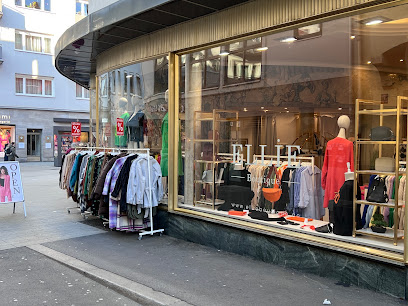
Dies & Das
0.2 km
Explore the charm of Würzburg's local crafts and souvenirs at Dies & Das, a delightful gift shop filled with unique treasures.
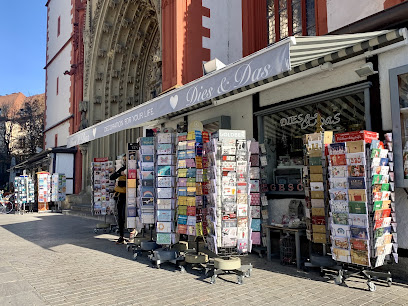
Palm of Paradise
0.2 km
Explore the vibrant fashion scene at Palm of Paradise in Würzburg, where unique styles meet warm hospitality for an unforgettable shopping experience.
Essential bars & hidden hideouts

Heinrich
0.1 km
Discover Heinrich in Würzburg – an inviting bar with a vibrant atmosphere and a rich selection of drinks perfect for unwinding and socializing.
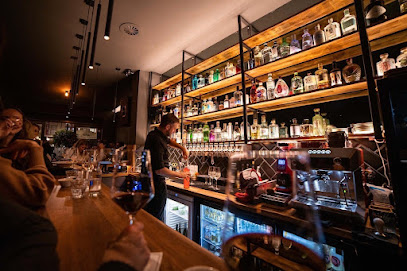
Chase Bar
0.3 km
Discover the vibrant nightlife at Chase Bar in Würzburg, where cocktails flow and the dance floor beckons!
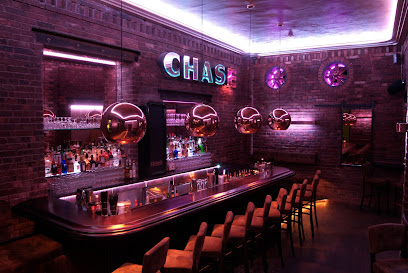
Irish Pixie
0.3 km
Experience the heart of Würzburg nightlife at Irish Pixie Bar, where delightful drinks and a warm atmosphere await.
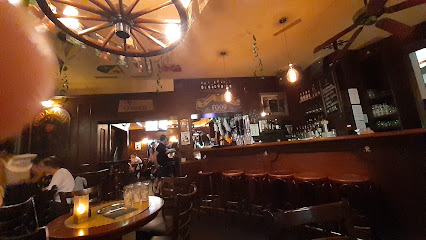
hoch3 - Skylounge
0.3 km
Discover hoch3 - Skylounge, the premier rooftop bar in Würzburg offering stunning views, a vibrant atmosphere, and a delightful selection of drinks.
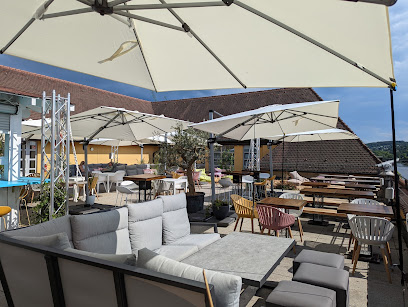
Zum Udo - Würzburg
0.3 km
Discover the vibrant bar scene at Zum Udo in Würzburg, where locals and tourists come together to enjoy exceptional drinks and a lively atmosphere.
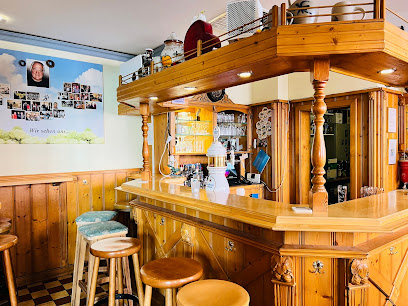
Valentino Café & Highballbar
0.3 km
Experience the perfect blend of delicious cocktails and delightful café treats at Valentino Café & Highballbar in the heart of Würzburg.
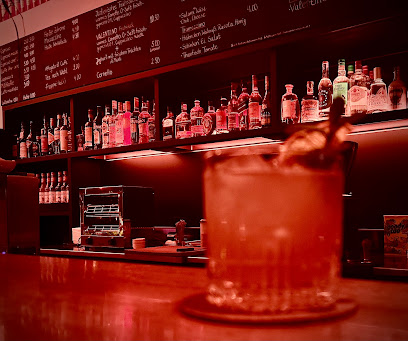
Standard - Würzburg
0.4 km
Explore the vibrant flavors and cultural essence of Würzburg at Standard, a must-visit gastropub and bar for culinary enthusiasts.
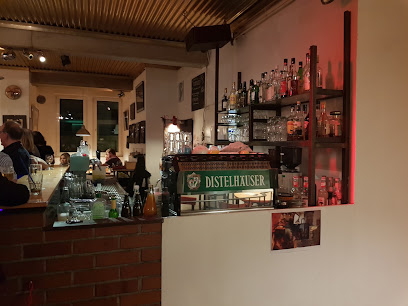
Escalera :: Cocktailbar und Restaurant
0.4 km
Experience the vibrant nightlife at Escalera Cocktailbar und Restaurant in Würzburg, where exquisite cocktails meet delicious dining in a stylish atmosphere.
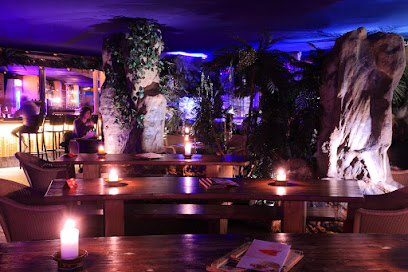
Hasenstall - Würzburg
0.4 km
Discover the lively nightlife at Hasenstall in Würzburg, where cocktails meet a vibrant atmosphere in the heart of the city.
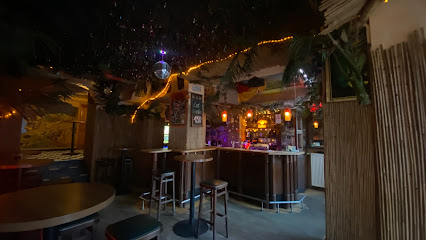
La Bamba - Würzburg
0.4 km
Experience the vibrant nightlife at La Bamba in Würzburg, where delicious drinks and a lively atmosphere await you.
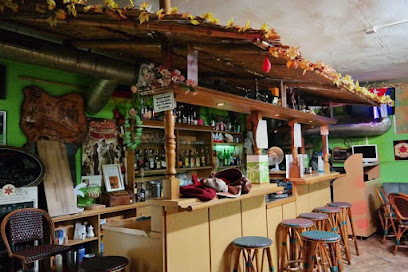
Mekong - Würzburg
0.4 km
Discover the vibrant nightlife at Mekong in Würzburg, where great drinks and a lively atmosphere await you.
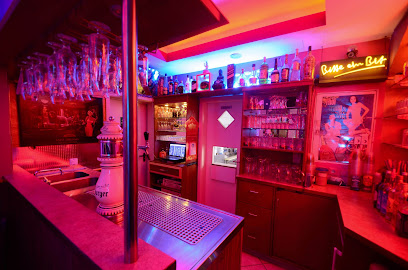
Lemondrive Bar
0.4 km
Discover the vibrant nightlife of Würzburg at Lemondrive Bar, where expertly crafted cocktails meet a lively atmosphere for an unforgettable night out.
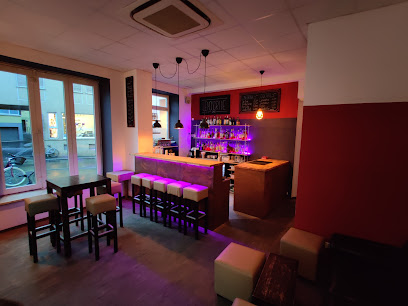
Bar SIGMA - Würzburg
0.4 km
Discover the lively nightlife at Bar SIGMA in Würzburg, offering a unique blend of vibrant atmosphere and expertly crafted cocktails.
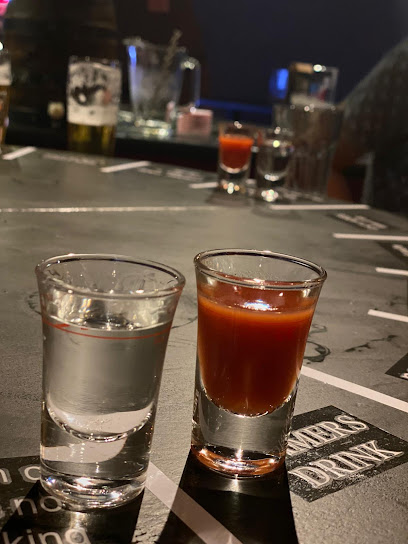
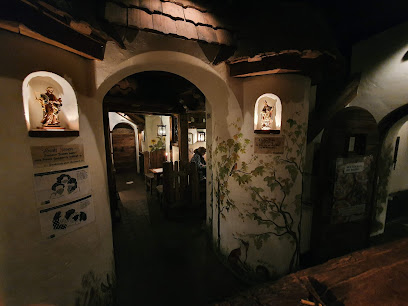
Weinstube und Bierkeller Till Eulenspiegel
0.5 km
Discover the heart of Würzburg's culinary scene at Weinstube und Bierkeller Till Eulenspiegel, where local wines and traditional dishes come together in a cozy setting.
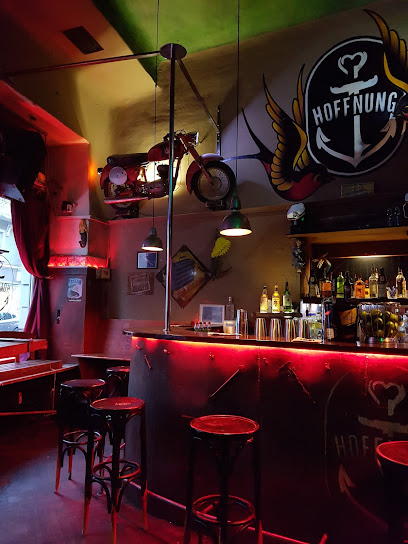
Hoffnung - Würzburg
0.5 km
Discover Hoffnung, a lively bar in Würzburg's Altstadt, perfect for enjoying local drinks and vibrant nightlife amidst charming surroundings.
Nightclubs & after hour spots

Bombe - Würzburg
0.2 km
Discover the electrifying nightlife of Würzburg at Bombe, the ultimate destination for dancing and socializing in a vibrant atmosphere.
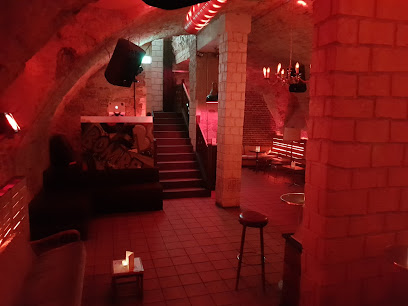
Odeon Lounge - Würzburg
0.4 km
Experience the vibrant nightlife of Würzburg at Odeon Lounge, where music and dance create unforgettable moments.
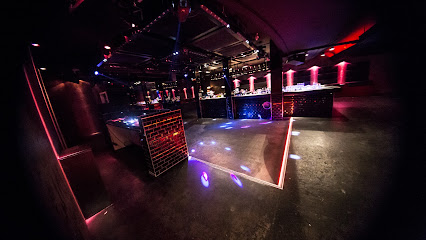
STUDIO - Club Bar Lounge - Würzburg
0.5 km
Discover an electrifying nightlife experience at STUDIO - Club Bar Lounge, Würzburg's hottest disco club with vibrant music and a stylish ambiance.

Ludwig Club & Bar in Würzburg
0.5 km
Ludwig Club & Bar: Immerse yourself in the lively nightlife of Würzburg with great music, drinks, and an unforgettable atmosphere.
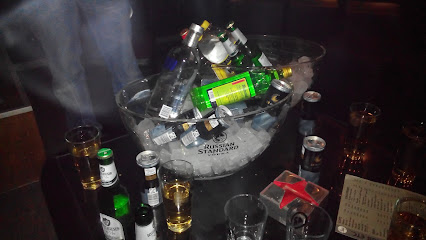
Kurt & Komisch
0.5 km
Experience the vibrant nightlife of Würzburg at Kurt & Komisch, where music and energy come together for an unforgettable evening.
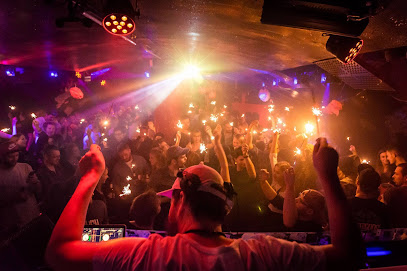
Katze Club
0.5 km
Discover the vibrant nightlife of Würzburg at Katze Club, a lively night club perfect for dancing and socializing until dawn.
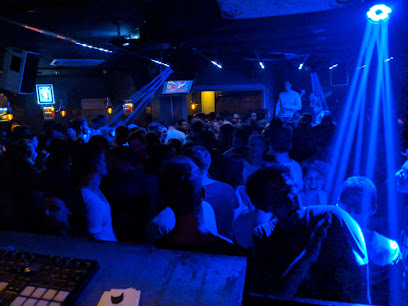
Immerhin
0.9 km
Discover the vibrant nightlife of Würzburg at Immerhin, where the music never stops and unforgettable memories await.
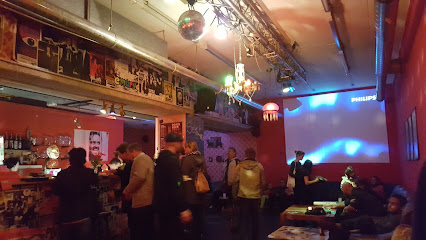
Club Alter Ego - Würzburg
1.1 km
Discover the electrifying nightlife at Club Alter Ego, Würzburg's top destination for dancing, music, and unforgettable experiences.
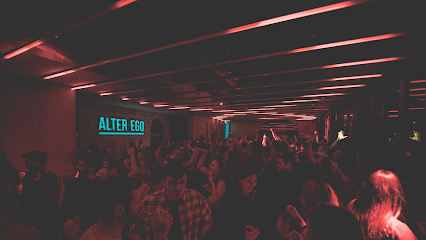
Labyrinth Discotheque
1.1 km
Discover the pulsating nightlife at Labyrinth Discotheque, Würzburg's premier night club offering an unforgettable blend of music, drinks, and vibrant atmosphere.
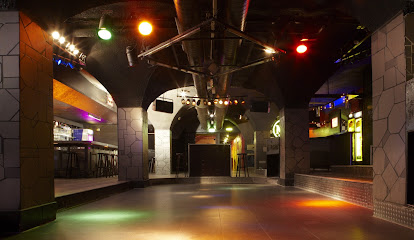
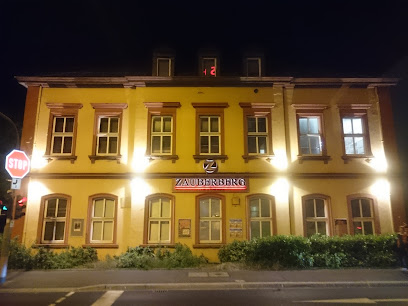
Zauberberg - Würzburg
1.2 km
Discover Zauberberg, Würzburg's premier disco club and beer garden, where unforgettable nights of music and dancing await you.
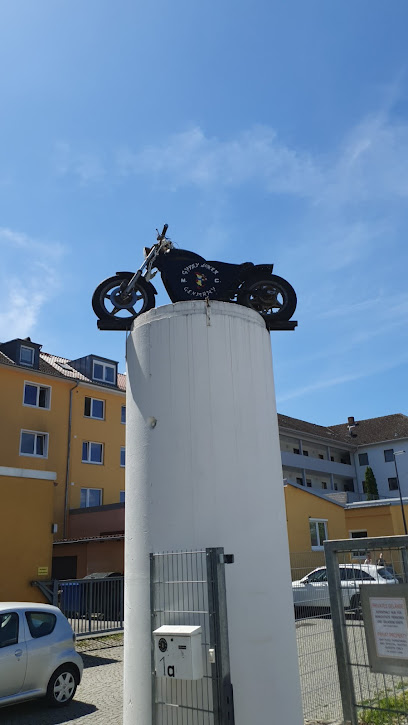
Gypsy Joker MC Germany Clubhaus Würzburg
1.6 km
Discover the vibrant nightlife at Gypsy Joker MC Germany Clubhaus in Würzburg, where music, fun, and community come together for an unforgettable experience.
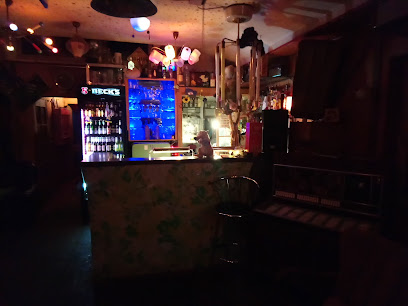
Club L - Würzburg
2.1 km
Discover Club L in Würzburg, a top disco club where vibrant nightlife, great music, and unforgettable memories come together in a stylish setting.
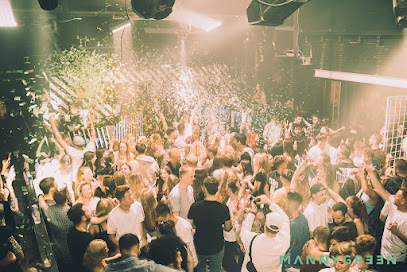
Mannygreen - Würzburg
2.3 km
Experience the vibrant nightlife at Mannygreen - Würzburg's premier night club, where music, dance, and fun come together.
Club Airport in Würzburg
4.3 km
Explore the dynamic nightlife at Club Airport in Würzburg, where music, dance, and unforgettable moments await every visitor.
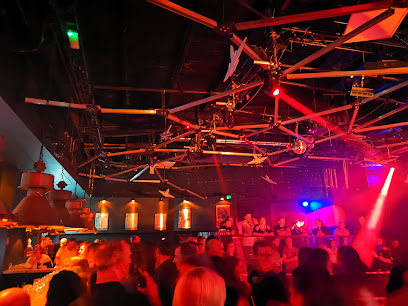
Club23
49.9 km
Discover the vibrant nightlife of Rothenburg ob der Tauber at Club23, where music, dance, and fun come together for an unforgettable evening.