

Bono East Region, Ghana Travel Guide
Explore Bono East Region, Ghana: A cultural and natural haven with sacred sanctuaries, historic sites, and vibrant markets, offering an authentic Ghanaian experience.
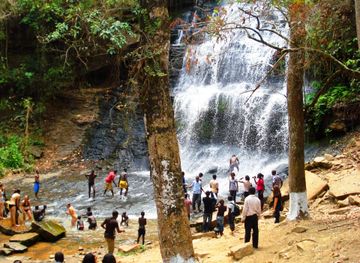
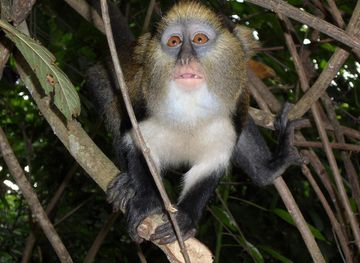
Nestled in the heart of Ghana, the Bono East Region is a treasure trove of cultural heritage, natural beauty, and vibrant local traditions. Known for its friendly people and rich history, this region offers an authentic Ghanaian experience that is both enlightening and enchanting. Whether you're exploring ancient sites or enjoying the lush landscapes, Bono East is a destination that promises unforgettable memories. One of the highlights of Bono East is the Boabeng-Fiema Monkey Sanctuary, where visitors can observe the sacred monkeys that are protected by the local community. This sanctuary provides a unique opportunity to learn about the deep cultural ties between the people and wildlife of the region. Nearby, the Kintampo Waterfalls offer a refreshing escape with their cascading waters and serene environment, perfect for a relaxing day out in nature. For those interested in history and architecture, the Bono Manso Slave Market is a must-visit. This historic site gives insight into the region's role in the trans-Atlantic slave trade and serves as a poignant reminder of the past. Additionally, the Techiman market, one of the largest in West Africa, is a bustling hub where you can experience the local way of life and shop for traditional crafts and fresh produce. Bono East is also home to the Tano Sacred Grove, a spiritual site that holds great significance for the local people. This protected area is rich in biodiversity and offers a serene environment for reflection and exploration. Whether you're drawn to its natural wonders or its cultural landmarks, Bono East Region invites you to immerse yourself in its captivating charm and discover the essence of Ghana.

Know before you go
Hi, I'm Eve. Here are a few practical things to know before exploring Bono East Region.
- Visit the Boabeng-Fiema Monkey Sanctuary early in the morning when the monkeys are most active.
- Carry comfortable walking shoes for exploring the Kintampo Waterfalls and the Tano Sacred Grove.
- Bring cash when visiting the Techiman market, as many vendors do not accept cards.
- Hire a local guide at the Bono Manso Slave Market to gain deeper insights into its history.
- Respect local customs and traditions, especially when visiting sacred sites like the Tano Sacred Grove.
Top City Travel Guides in Bono East Region
The cities of Bono East Region, and the easiest places to base yourself.


Destinations in Bono East Region
Resorts, valleys and scenic spots worth a trip of their own.

Explore Bono East Region: Things to Do, Places to Eat, Hotels & More
Handpicked recommendations for top attractions, local dining, accommodations, and more

Top Attractions & Sightseeing in Bono East Region
Top-rated picks
Best Attractions

komfo Anokye Sword Site
Explore the legendary Komfo Anokye Sword Site in Kumasi, Ghana, a historic landmark that represents the heart of Asante culture and heritage.

Tafi Atome Monkey Sanctuary And Cultural Village
Experience the enchanting Tafi Atome Monkey Sanctuary, where playful monkeys and rich Ghanaian culture await your discovery.

Ote waterfall
Experience the breathtaking beauty of Ote Waterfall in Amedzofe – a hidden gem in Ghana's lush landscapes.

Paragliding Take-Off Point
Experience the thrill of soaring above Nkawkaw's breathtaking landscapes at the Paragliding Take-Off Point, the ultimate adventure for tourists in Ghana.

Best landmarks in Bono East Region
Top-rated picks
Best Landmarks

Kakum National Park
Explore Kakum National Park, a breathtaking Ghanaian paradise with lush rainforests, diverse wildlife, and stunning canopy views.

W.E.B Du Bois Memorial Centre for Panafrican Culture - Ghana.
Discover the rich heritage and cultural significance of Africa at the W.E.B. Du Bois Memorial Centre for Panafrican Culture in Accra, Ghana.

Baba Yara Sports Stadium
Experience the vibrant sports culture of Ghana at Baba Yara Sports Stadium, a landmark of passion and community spirit in Kumasi.

Mole National Park
Experience the breathtaking wildlife and stunning landscapes at Mole National Park, Ghana's premier destination for nature enthusiasts and adventurers.

Best restaurants in Bono East Region
Top-rated picks
Best Restaurants

The Buka Restaurant, Osu, Accra
Experience authentic West African flavors at The Buka Restaurant in Osu, Accra – a must-visit for every food lover exploring Ghana.

Living Room
Experience the flavors of Ghana at The Living Room – a cozy restaurant blending local cuisine with international favorites in the heart of Accra.

B2B Ghana | Breakfast To Breakfast
Experience authentic Ghanaian cuisine with a modern twist at B2B Ghana in Accra's lively Osu Klottey area.

The Gold Coast Restaurant & Cocktail Bar
Discover the ultimate dining experience at The Gold Coast Restaurant & Cocktail Bar in Accra - where seafood meets sophistication.

Best bars in Bono East Region
Top-rated picks
Best Bars

Me And You Pub
Experience the best of local cuisine and social atmosphere at Me And You Pub in Nkoranza, offering delicious grilled dishes at affordable prices.

Rooftop Pub
Experience breathtaking views and delicious grilled cuisine at the Rooftop Pub in Nkoranza, a must-visit for all food-loving travelers.

EFO BAR
Discover the vibrant ambiance of EFO BAR in Atebubu, where local flavors and lively entertainment await every traveler.

Jaaffo bar
Discover the vibrant atmosphere and local flavors at Jaaffo Bar in Atebubu, where culture and camaraderie blend seamlessly.

Best nightclubs in Bono East Region
Top-rated picks
Best Nightclubs

Twist Night Club
Discover the vibrant nightlife at Twist Night Club in Accra, where great music and an electrifying atmosphere await.

Bantama high street
Discover the lively nightlife of Bantama High Street, a vibrant bar in Atebubu offering a taste of local culture and refreshing drinks.

Rex Palace
Experience the vibrant nightlife at Rex Palace, Techiman's top night club, where music, dance, and culture collide for an unforgettable evening.

Chairman's Lounge
Experience the vibrant atmosphere of Chairman's Lounge in Kpando, where relaxation meets local flavors and entertainment.

Best shops in Bono East Region
Top-rated picks
Best Shops

Kumasi City Mall
Explore Kumasi City Mall: Your premier shopping destination in Ghana with a vibrant mix of local and international brands, dining, and entertainment.
Sunyani new town
Explore Sunyani New Town, a vibrant marketplace of culture, home goods, and local flavors that encapsulates the spirit of Ghana.
Alfie's fun house
Discover the rich flavors of local cuisine at Alfie's Fun House, a premier butcher shop offering high-quality meats in Dodowora, Ghana.

Cofred Ghana Ltd
Discover the charm of Ofaakor at Cofred Ghana Ltd, your go-to general store for local products and everyday essentials in Ghana.

Explore Bono East Region on the Map
A handpicked selection of must-see spots in Bono East Region, mapped for you.
Bono East Region Essentials
-
Bono East Region is accessible via several major routes. The closest international airport is Kotoka International Airport in Accra. From Accra, you can take a domestic flight to Kumasi, and then a bus or car to the Bono East Region. Alternatively, you can travel by bus directly from Accra to Bono East, which takes approximately 6 to 8 hours. Several bus companies operate this route, including VIP Jeoun and STC.
-
Within Bono East Region, transportation options include taxis, tro-tros (shared minibuses), and motorbikes. Taxis are readily available in larger towns like Techiman and can be hired for both short trips and day-long excursions. Tro-tros are a more budget-friendly option but may be less comfortable and can be crowded. Car rentals are available in larger towns, offering flexibility for exploring the region at your own pace.
-
The official currency in Ghana is the Ghanaian Cedi (GHS). Credit cards are accepted in some hotels and larger establishments, but it's advisable to carry cash, especially in smaller towns and rural areas. ATMs are available in larger towns such as Techiman and Kintampo, but it is wise to withdraw sufficient cash before traveling to more remote areas. Currency exchange services are available at banks and forex bureaus.
-
Bono East Region is generally safe for tourists, but it's essential to take standard precautions. Avoid walking alone at night, especially in unfamiliar or poorly-lit areas. Petty crimes like pickpocketing can occur in crowded places, so keep an eye on your belongings. Areas with higher crime rates for tourists are not well-documented, but it's always best to stay vigilant and avoid displaying valuable items openly.
-
In case of an emergency, dial 191 for police assistance or 193 for medical emergencies. Major hospitals in the region include the Techiman Holy Family Hospital and the Kintampo Municipal Hospital. Pharmacies are available in larger towns for minor health issues. It is highly recommended to have travel insurance that covers medical emergencies and to carry a basic first-aid kit.
-
Fashion: Do dress modestly, especially when visiting religious sites and rural areas. Avoid wearing revealing clothing. Religion: Do respect local customs and traditions. Remove your shoes when entering mosques and cover your head. Public Transport: Do be respectful and courteous to other passengers. Don't eat or drink on public transport. Greetings: Do greet people with a handshake or a simple nod. Address elders with respect. Eating & Drinking: Do try local dishes and accept food offerings graciously. Don’t refuse hospitality, as it is considered impolite.
-
To experience Bono East Region like a local, visit the weekly markets in Techiman and Kintampo, where you can buy fresh produce and traditional crafts. Engage with locals, as they are often friendly and eager to share stories about their culture and history. Don't miss the Kintampo Waterfalls and the Boabeng-Fiema Monkey Sanctuary for unique natural attractions. Participate in local festivals such as the Apoo Festival, which offers a deep dive into the region’s cultural heritage.
When is the best time to visit Bono East Region?
Useful Local Phrases for Bono East Region
You don't need to speak the language perfectly. Even learning a few simple words can make conversations warmer—and locals usually appreciate the effort.
— Eve

Here are the phrases I use most often in Bono East Region. Try a few—you'll be surprised how far they go! 😊
❤️
-
- HelloAkwabaa
[ah-kwa-ba] - GoodbyeNante yie
[nan-teh yee-eh] - YesAane
[ah-neh] - NoDabi
[dah-bi] - Please/You're welcomeMepa wo kyɛw
[meh-pah woh cheh] - Thank youMedase
[meh-dah-seh] - Excuse me/SorryKafra
[kah-frah] - How are you?Ɛte sɛn?
[eh-teh sen] - Fine. And you?Me ho yɛ, na wo nso ɛ?
[meh ho yeh, nah woh nso eh] - Do you speak English?Wokasa Borɔfo anaa?
[woh-kah-sah boh-roh-foh ah-nah] - I don't understandMente ase
[men-teh ah-seh]
- HelloAkwabaa
-
- I'd like to see the menu, pleaseMepɛ sɛ mehwɛ menu no, please
[meh-peh seh meh-hweh meh-nu noh, pleh-seh] - I don't eat meatMente mmerɛ
[men-teh meh-reh] - Cheers!Nsa bɔ!
[n-sah bɔ] - I would like to pay, pleaseMepɛ sɛ meyɛ sika no, please
[meh-peh seh meh-yeh see-kah noh, pleh-seh]
- I'd like to see the menu, pleaseMepɛ sɛ mehwɛ menu no, please
-
- Help!Boa me!
[boh-ah meh] - Go away!Kɔ nkyɛn!
[kaw n-chen] - Call the Police!Frɛ ɔpolice!
[freh oh-po-lee-seh] - Call a doctor!Frɛ dɔkita!
[freh doh-kee-tah] - I'm lostMeda ho akɔ
[meh-dah hoh ah-kaw] - I'm illMeda yare
[meh-dah yah-reh]
- Help!Boa me!
-
- I'd like to buy...Mepɛ sɛ mɛtɔ...
[meh-peh seh meh-taw] - I'm just lookingMerehwɛ nkutoo
[meh-reh-hweh nku-toh] - How much is it?Ɛyɛ sɛn?
[eh-yeh sen] - That's too expensiveƐyɛ sika kɛse
[eh-yeh see-kah keh-seh] - Can you lower the price?Wobɛtɔ so sika no?
[woh-beh-taw soh see-kah noh]
- I'd like to buy...Mepɛ sɛ mɛtɔ...
-
- What time is it?Dɛn na ɛyɛ?
[den nah eh-yeh] - It's one o'clockƐyɛ dɔnhwere baako
[eh-yeh don-hweh-reh bah-koh] - Half past (10)Dɔnhwere mmerɛ (10)
[don-hweh-reh meh-reh (ten)] - MorningAnɔpa
[ah-noh-pah] - AfternoonAwia
[ah-wi-ah] - EveningAnadwo
[ah-nah-dwoh] - YesterdayƐnnɛ
[eh-ne] - TodayƐnnɛ
[eh-ne] - TomorrowƐkyɛ
[eh-cheh] - 1Baako
[bah-koh] - 2Mmienu
[m-meh-nu] - 3Mmienu
[m-meh-nu] - 4Nan
[nahn] - 5Num
[noom] - 6Nsia
[n-sia] - 7Nkyɛ
[n-cheh] - 8Nkyɛn
[n-chen] - 9Nkyɛn
[n-chen] - 10Dɔkɔ
[doh-koh]
- What time is it?Dɛn na ɛyɛ?
-
- Where's a/the...?Ɔhe na ...?
[oh-heh nah] - What's the address?Dɛn na ɔman no?
[den nah oh-mahn noh] - Can you show me (on the map)?Wobɛda me ho adi (map no)?
[woh-beh-dah meh hoh ah-dee (map noh)] - When's the next (bus)?Bɛn na bus no bɛba?
[ben nah boos noh beh-bah] - A ticket (to ....)Tikiti (kɔ ...)
[tee-kee-tee (kaw)]
- Where's a/the...?Ɔhe na ...?
History of Bono East Region
-
The Bono East Region, historically known for its early settlements, was originally inhabited by the Bono people. These early settlers are believed to have established themselves in the area around the 11th century. Archaeological evidence suggests the presence of sophisticated societies that engaged in farming, hunting, and trading.
-
One of the most significant historical entities in the Bono East Region is the Bono Kingdom, which emerged around the 14th century. The kingdom flourished due to its strategic location along trade routes connecting the Sahel and the southern forests. The Bono Kingdom was known for its rich culture, advanced political systems, and thriving markets.
-
Techiman, the capital of Bono East Region, has always been a major trade hub. Historically, it served as a critical junction for traders moving between the northern and southern parts of Ghana. The town's markets were famous for the exchange of goods such as gold, kola nuts, and textiles. This trading activity contributed to the region's prosperity and cultural diversity.
-
During the height of the Ashanti Empire in the 18th and 19th centuries, Bono East played a pivotal role. The region was both a battleground and a key ally at various times. Many Bono towns, including Techiman, had complex relationships with the Ashanti, marked by periods of both conflict and cooperation. The Ashanti influence is still evident in the region's culture and traditions.
-
Under British colonial rule, Bono East was part of the larger Brong-Ahafo Region. The colonial period saw significant administrative changes, infrastructure development, and the introduction of new crops and farming techniques. The British established schools and health facilities, which laid the foundation for modern development in the region.
-
In 2018, following a national referendum, the Bono East Region was officially created, carved out of the then Brong-Ahafo Region. This administrative change aimed to bring governance closer to the people and promote development in the area. The creation of the region has since spurred growth in various sectors, including education, agriculture, and tourism.
-
Bono East is known for its vibrant cultural festivals, such as the 'Apoo' festival celebrated by the people of Techiman. This festival, which usually takes place in March or April, is a time for community cleansing, reconciliation, and thanksgiving. Traditional music, dance, and rituals play a central role in these celebrations, reflecting the rich cultural heritage of the region.
Neighbouring Regions of Bono East Region
The closest regions to Bono East Region, if you have time for more than one.


Your all‑in‑one travel companion app
Explore expert travel guides, compare and book tours, experiences, hotels, and more—all from the palm of your hand. Download now for seamless trip planning wherever your wanderlust takes you.


Explore More of Ghana

Looking beyond Bono East Region? Discover Ghana for broader travel guides, local hot-spots, and regional highlights.
Explore GhanaBono East Region in Photos
Browse through our photo collection highlighting the charm and character of the destination.





Discover the Heart of Ghana: Bono East Region
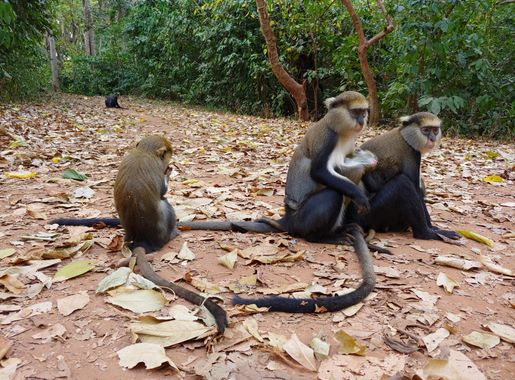
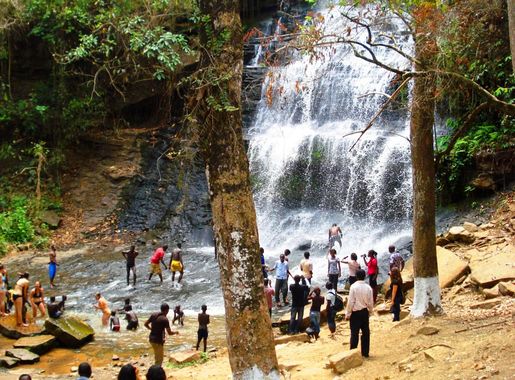
Nestled in the heart of Ghana, the Bono East Region is a treasure trove of cultural heritage, natural beauty, and vibrant local traditions. Known for its friendly people and rich history, this region offers an authentic Ghanaian experience that is both enlightening and enchanting. Whether you're exploring ancient sites or enjoying the lush landscapes, Bono East is a destination that promises unforgettable memories. One of the highlights of Bono East is the Boabeng-Fiema Monkey Sanctuary, where visitors can observe the sacred monkeys that are protected by the local community. This sanctuary provides a unique opportunity to learn about the deep cultural ties between the people and wildlife of the region. Nearby, the Kintampo Waterfalls offer a refreshing escape with their cascading waters and serene environment, perfect for a relaxing day out in nature. For those interested in history and architecture, the Bono Manso Slave Market is a must-visit. This historic site gives insight into the region's role in the trans-Atlantic slave trade and serves as a poignant reminder of the past. Additionally, the Techiman market, one of the largest in West Africa, is a bustling hub where you can experience the local way of life and shop for traditional crafts and fresh produce. Bono East is also home to the Tano Sacred Grove, a spiritual site that holds great significance for the local people. This protected area is rich in biodiversity and offers a serene environment for reflection and exploration. Whether you're drawn to its natural wonders or its cultural landmarks, Bono East Region invites you to immerse yourself in its captivating charm and discover the essence of Ghana.