

Free Kwahu Travel Guide & Mobile App
Explore Kwahu with free travel guides. Discover regional history, expert tips, proposed trips, and audio guides on web or mobile app.


Explore Kwahu in Ghana for ridge views, Akan heritage, forested highlands, local markets and the celebrated Easter paragliding season.
Read more about Kwahu
When is the best time to visit Kwahu?
Best: December–February · 30–31°C| Month | High (°C) | Rainfall (mm) |
|---|---|---|
| January (best) | 30 | 15 |
| February (best) | 31 | 20 |
| March | 32 | 40 |
| April | 31 | 80 |
| May | 30 | 100 |
| June | 29 | 130 |
| July | 29 | 140 |
| August | 29 | 130 |
| September | 29 | 110 |
| October | 30 | 80 |
| November | 31 | 40 |
| December (best) | 30 | 20 |
Getting to and around Kwahu
How to get there
Transportation
Best attractions in Kwahu
Kwahu’s attractions centre on its highland landscape, living culture and seasonal events rather than on a dense concentration of formal museums or theme parks. The ridge around Atibie and Mpraeso provides elevated viewpoints across farms, forest and the lower country, while the Odwenanoma area is associated with tandem paragliding during the Easter season. Flights depend on weather and current event arrangements, so visitors should use an authorised organiser. Waterfalls and rock formations in the Kwahu South and adjoining plateau districts offer worthwhile excursions for travellers prepared for uneven paths and changing access. Abetifi’s churches, schools and town history give insight into the region’s Presbyterian and educational heritage, while Nkawkaw’s markets reveal its role as a commercial gateway. Rural roads lead through cocoa and food-farming areas, where a local guide can explain cultivation and community life. The annual Easter homecoming, with church programmes, music and public gatherings, is itself a major cultural attraction, although crowd levels and accommodation pressure are considerable. Kwahu works best for visitors who value viewpoints, walking, local history and community atmosphere over a long list of ticketed attractions.
-
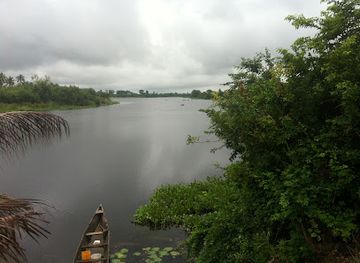
Songor Lagoon Protected Area
Experience the serene beauty and rich biodiversity of Songor Lagoon, a protected area perfect for nature lovers and wildlife enthusiasts visiting Ghana.
-
Tourist attraction
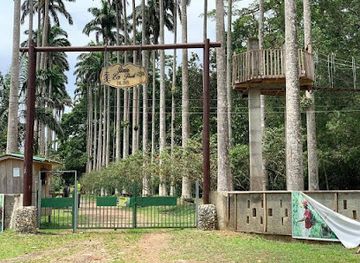
Bunso Eco Park (Bunso Arboretum)
Explore Bunso Eco Park, a stunning eco-friendly destination in Ghana, perfect for nature lovers and families seeking adventure and tranquility.
-
Park
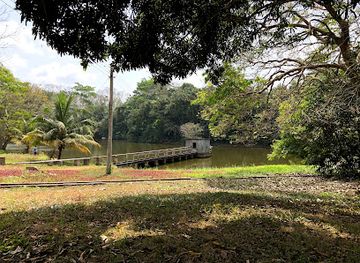
Cocoa Research Institute of Ghana
Explore the Cocoa Research Institute of Ghana, a unique park dedicated to the history and cultivation of cocoa, celebrating Ghana's rich agricultural heritage.
-
Recreation center
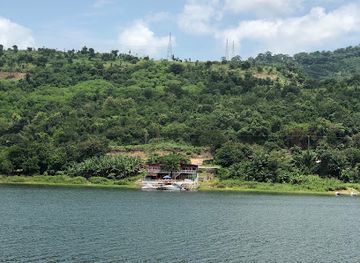
Dodi World Akosombo (Dodi Princess,Dodi Island,Boat Cruise)
Explore the beauty of Volta Lake with unforgettable boat cruises and local cuisine at Dodi World Akosombo, a must-visit destination in Ghana.
Best landmarks in Kwahu
The Kwahu Ridge is the region’s defining natural landmark, forming a high escarpment whose high roads and viewpoints look across the Eastern Region towards the lower valleys and the Volta basin. Its significance is geographical as well as visual: the ridge has influenced settlement, transport and farming for generations. Odwenanoma near Atibie is particularly recognisable because of its association with Easter paragliding and the open launch landscape above the plateau. Abetifi’s established Presbyterian buildings and educational institutions represent another important layer of the regional story, reflecting the influence of mission work and literacy in Kwahu. The towns of Mpraeso, Atibie and Abetifi retain streetscapes shaped by churches, schools, shops and customary community life rather than by monumental civic architecture. In the wider plateau area, rock outcrops and waterfalls provide locally significant natural reference points, although access can be weather-dependent and some are best visited with a guide. Together these landmarks express Kwahu’s character as a settled cultural landscape set along a striking upland edge.
-
Architecture firm
IDARKCONSULT LTD
Explore architectural wonders and breathtaking views at IDARKCONSULT LTD in Aburi, Ghana – a must-visit for design lovers and nature enthusiasts alike.
-
National park
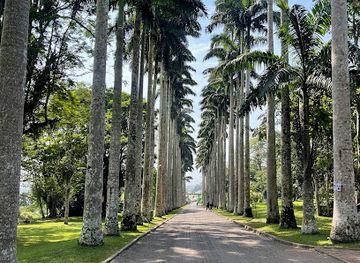
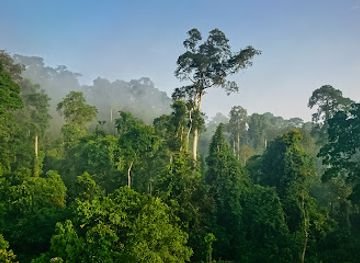
Kakum National Park
Kakum National Park: Experience Ghana's breathtaking landscapes and diverse wildlife through its iconic canopy walkway and lush rainforest trails.
-
 Hotel
HotelRock City Hotel
Discover the beauty of Rock City Hotel, nestled in the majestic Kwahu mountains of Ghana, blending comfort, adventure, and stunning scenery.
-
Tourist attraction
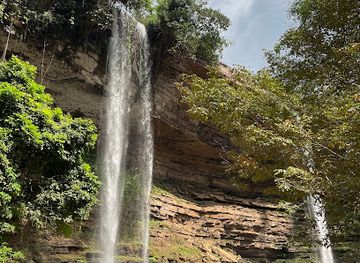
Boti Waterfalls
Explore the breathtaking Boti Waterfalls in Ghana's Eastern Region, a stunning natural wonder perfect for adventure and tranquility alike.
Explore Kwahu on the map
Plan your trip on one map. See where the top cities, national parks and sights are, and book hotels and experiences in a few clicks.
Best hotels in Kwahu
Best restaurants in Kwahu
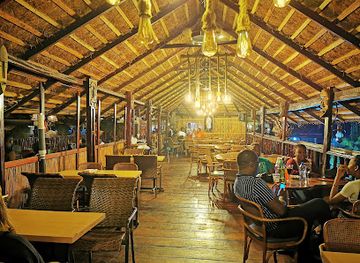
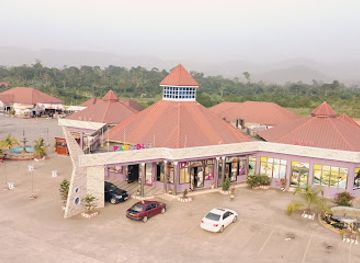
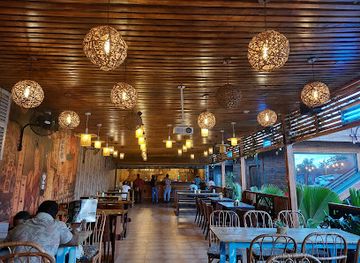
Food in Kwahu reflects the wider culinary traditions of southern Ghana while drawing on produce from the surrounding farms and market towns. Chop bars, roadside cooks and family-run eateries commonly serve dishes such as fufu with soup, banku with pepper and fish, waakye, rice dishes, fried plantain and grilled chicken. Cassava, plantain, maize and cocoyam are important ingredients, while cocoa is a major agricultural product even though it is not usually presented as a specialist restaurant dish. Nkawkaw offers the broadest choice of informal dining and takeaway food, whereas the plateau towns are better suited to modest local restaurants, cafés and provisions shops. During Easter, temporary food sellers and busy event catering add variety but may involve queues. Visitors should expect regional Ghanaian flavours rather than a separate Kwahu cuisine, and should choose busy food stalls with good turnover, especially in warm weather. Hotels and guesthouses may provide more familiar continental options, but advance confirmation is sensible during the festival period.
-
Restaurant
Ike’s Cafe and Grill
Experience authentic Ghanaian cuisine at Ike’s Cafe and Grill in Kumasi's vibrant cultural hub.
-
Restaurant
Paradise Exclusive Resort
Discover delectable flavors and a warm ambiance at Paradise Exclusive Resort in Bunso - your ultimate dining destination.
-
Restaurant
Potbelly Shack Amrahia
Experience delectable local and international cuisine at Potbelly Shack Amrahia - where flavors come alive in every bite.
-
Restaurant
Jofel Catering Services
Experience authentic Ghanaian cuisine at Jofel Catering Services in Anyinam – where flavor meets tradition!
Best bars in Kwahu
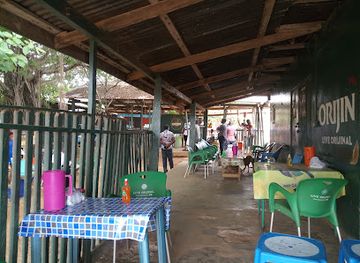
Evening life in Kwahu is shaped more by pubs, drinking spots, food stalls, church programmes, music events and social gatherings than by a large permanent nightclub circuit. Nkawkaw has the widest selection of informal bars and late-opening entertainment, while Abetifi, Mpraeso, Atibie and other plateau towns generally offer smaller venues linked to local neighbourhood life. During Easter, concerts, outdoor gatherings and temporary entertainment can make the ridge much busier, but programmes and venues change from year to year. Traditional drinking spots and contemporary bars may serve Ghanaian beer, soft drinks and spirits, while some restaurants and hotels provide quieter evening seating. Visitors should arrange their return transport before travelling to a rural venue, as dependable late-night connections are limited. Music and dancing are prominent during major celebrations, but an evening meal, conversation or a church event may be a more typical experience outside festival periods.
-
Chop bar
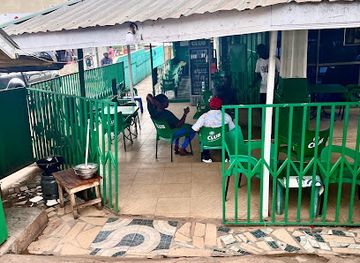
Abossey Okai Chop Bar
Savor authentic Ghanaian cuisine in Nkawkaw at Abossey Okai Chop Bar, where every meal tells a story of tradition and flavor.
-
Pub
Kwahu Bar
Experience the vibrant nightlife of Obomeng at Kwahu Bar, a lively pub offering a diverse drink selection and an inviting atmosphere.
-
Bar
Travellers Spot Nkawkaw
Discover the vibrant nightlife and local flavors at Travellers Spot Nkawkaw, your go-to bar for relaxation and socializing in Ghana.
-
Hotel
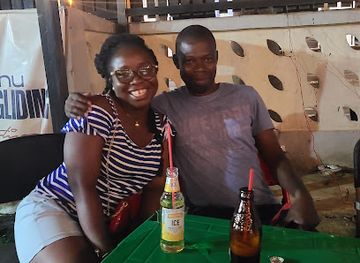
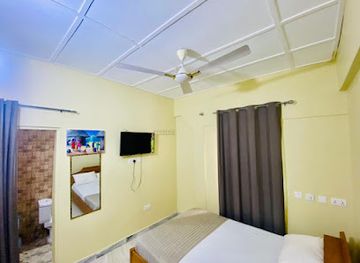
Part Time Guest House and Pub
Discover the perfect blend of comfort and local culture at Part Time Guest House and Pub in Nkawkaw, a must-visit for any traveler.
Best nightclubs in Kwahu
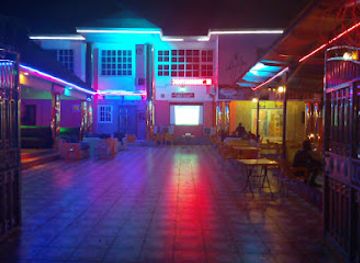
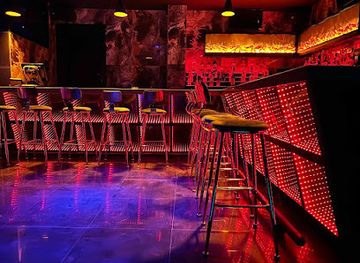
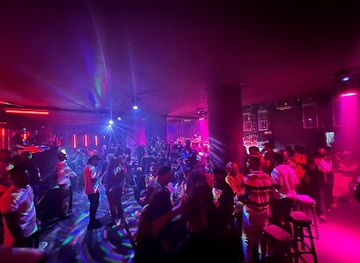
Evening life in Kwahu is shaped more by pubs, drinking spots, food stalls, church programmes, music events and social gatherings than by a large permanent nightclub circuit. Nkawkaw has the widest selection of informal bars and late-opening entertainment, while Abetifi, Mpraeso, Atibie and other plateau towns generally offer smaller venues linked to local neighbourhood life. During Easter, concerts, outdoor gatherings and temporary entertainment can make the ridge much busier, but programmes and venues change from year to year. Traditional drinking spots and contemporary bars may serve Ghanaian beer, soft drinks and spirits, while some restaurants and hotels provide quieter evening seating. Visitors should arrange their return transport before travelling to a rural venue, as dependable late-night connections are limited. Music and dancing are prominent during major celebrations, but an evening meal, conversation or a church event may be a more typical experience outside festival periods.
-
Night club
Twist Night Club
Discover the electrifying nightlife at Twist Night Club, Accra's premier destination for dancing, music, and unforgettable experiences.
-
Disco club
Octapuz lounge and night club
Discover the vibrant nightlife of Accra at Octapuz Lounge and Night Club, where music and excitement await every visitor.
-
Night club
Kavalli @ Night
Experience vibrant nightlife at Kavalli @ Night in Accra, where music and culture blend for an unforgettable evening.
-
Night club
KRUNA The Club
Dive into Accra's nightlife at KRUNA The Club, a vibrant nightspot offering unforgettable music, cocktails, and an electric atmosphere.

Best shops in Kwahu
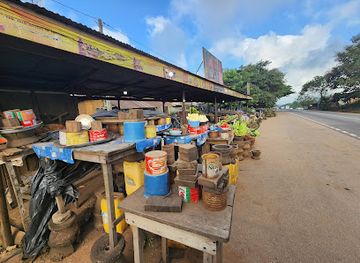
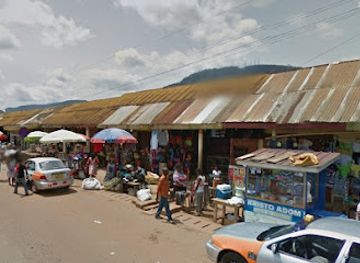
Shopping in Kwahu is primarily local and practical, with the largest choice found in Nkawkaw and the market areas of the plateau towns. Stalls sell fresh produce, plantain, cassava, maize, spices, prepared foods and household goods, while small shops stock drinks, toiletries and everyday travel provisions. Abetifi, Mpraeso and Atibie are useful places to browse locally traded textiles, clothing, beads and modest craft items, although selection varies and should not be confused with a specialised national craft centre. Visitors may also find baskets, carved objects or woven goods through local sellers, but quality and provenance should be checked before purchase. Cocoa and other agricultural products are part of the regional economy, while packaged Ghanaian foods and drinks make practical souvenirs. During Easter, temporary stalls increase the range of clothing, accessories and festival merchandise, but prices and availability fluctuate. Bargaining is common in some informal markets but is not appropriate everywhere; ask the price politely and pay fairly when buying directly from small traders.
-
Market
Nkawkaw Market
Discover the vibrant heart of Accra at Nkawkaw Market, where local flavors and cultural treasures await your exploration.
-
Shopping mall
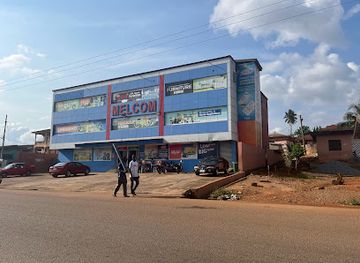
MELCOM Nkawkaw
Discover the bustling MELCOM Nkawkaw, where shopping meets local culture in a vibrant atmosphere filled with diverse products and delightful experiences.
-
Grocery store
Kwahu Store
Discover authentic Ghanaian flavors and vibrant local culture at Kwahu Store in Taifa, the heart of everyday life.
-
Shopping mall
QUANSAH ENTERPRISE
Discover the heart of New Abirem at QUANSAH ENTERPRISE, a shopping mall filled with local culture, unique crafts, and delicious cuisine.

Get your free copy of our complete guide to Kwahu, delivered straight to you.
Everything on this page, from attractions and restaurants to essentials and local phrases, in one PDF you can read offline, print or share.
Already have an account? Sign in
Your Kwahu guide is ready.
We'll send it to · Not you? Sign out

Getting your guide ready…
We are putting together a fresh copy of the Kwahu guide. This can take up to a minute.
This can take a few moments. If your browser asks, choose Allow so the download can start. You'll find the guide in your Downloads folder.
Nothing happened? Download it again
Sorry, the guide is taking longer than usual. Please try again in a minute, or get it by email instead.
Kwahu essentials
Currency and Payment
Safety
Emergency Situations
Do's and Don'ts
Local Tips
From Eve
Local phrases worth knowing
You don't need to get them perfect. A few words go a long way, and locals appreciate the effort.
Basics
| English | Local | Say it |
|---|---|---|
| Hello | Akwabaa | [ah-kwa-baah] |
| Goodbye | Nante yie | [nan-teh yee-eh] |
| Yes | Aane | [ah-neh] |
| No | Daabi | [dah-bee] |
| Please/You're welcome | Me pa wo kyɛw | [meh pah woh cheh] |
| Thank you | Medase | [meh-dah-seh] |
| Excuse me/Sorry | Kafra | [kah-frah] |
| How are you? | Ɛte sɛn? | [eh-teh sen] |
| Fine. And you? | Me ho yɛ, na wo nso? | [meh ho yeh, nah woh nso] |
| Do you speak English? | Wokɔ kasa English? | [woh-koh kah-sah en-glish] |
| I don't understand | Mente ase | [men-teh ah-seh] |
Eating & Drinking
| English | Local | Say it |
|---|---|---|
| I'd like to see the menu, please | Mepɛ sɛ mehwɛ menu no | [meh-peh seh meh-hweh meh-no no] |
| I don't eat meat | Menta nkyɛn | [men-tah n-kyen] |
| Cheers! | Nsa ba | [n-sah bah] |
| I would like to pay, please | Mepɛ sɛ mɛtɔ so, me pa wo kyɛw | [meh-peh seh meh-toh soh, meh pah woh cheh] |
Emergencies
| English | Local | Say it |
|---|---|---|
| Help! | Boa me! | [boh-ah meh] |
| Go away! | Kɔ n'ano! | [koh n-ahn-oh] |
| Call the Police! | Frɛ ɔmanpanyin no! | [freh oh-mahn-pah-nyin no] |
| Call a doctor! | Frɛ dɔkita! | [freh doh-kee-tah] |
| I'm lost | Mekɔda | [meh-koh-dah] |
| I'm ill | Medi yare | [meh-dee yah-reh] |
Shopping
| English | Local | Say it |
|---|---|---|
| I'd like to buy... | Mepɛ sɛ mɛtɔ... | [meh-peh seh meh-toh...] |
| I'm just looking | Merehwɛ nko | [meh-reh-hweh n-koh] |
| How much is it? | Ɛyɛ sɛn? | [eh-yeh sen] |
| That's too expensive | Ɛyɛ sika kɛse | [eh-yeh see-kah keh-seh] |
| Can you lower the price? | Wobɛtɔ so sika no? | [woh-beh-toh soh see-kah no?] |
Time & Numbers
| English | Local | Say it |
|---|---|---|
| What time is it? | Dɛn na ɛyɛ? | [den nah eh-yeh] |
| It's one o'clock | Ɛyɛ ɔnan | [eh-yeh oh-nan] |
| Half past (10) | Nsa a ɛtɔ so mmienu | [n-sah ah eh-toh soh m-mienu] |
| Morning | Anɔpa | [ah-noh-pah] |
| Afternoon | Awia | [ah-wee-ah] |
| Evening | Anadwo | [ah-nah-dwoh] |
| Yesterday | Nnɛ na ɛyɛ | [nen-eh nah eh-yeh] |
| Today | Ɛnnɛ | [eh-neh] |
| Tomorrow | Mmerɛ mmerɛ | [meh-reh meh-reh] |
| 1 | Baako | [bah-koh] |
| 2 | Mmienu | [mee-eh-nu] |
| 3 | Mmienu | [mee-eh-nu] |
| 4 | Nan | [nahn] |
| 5 | Num | [noom] |
| 6 | Nsia | [n-see-ah] |
| 7 | Nson | [n-sohn] |
| 8 | Nwɔtwe | [n-waw-tweh] |
| 9 | Nkyɛn | [n-kyen] |
| 10 | Dɔkɔdɔ | [doh-koh-doh] |
Transport & Directions
| English | Local | Say it |
|---|---|---|
| Where's a/the...? | Ɔhe na ...? | [oh-heh nah ...] |
| What's the address? | Dɛn na yɛda? | [den nah yeh-dah] |
| Can you show me (on the map)? | Wobɛda me ho adi (ɔmap no)? | [woh-beh-dah meh ho ah-dee (oh-map no)] |
| When's the next (bus)? | Bɛn na ɛbɛba (ɔbus no)? | [ben nah eh-beh-bah (oh-bus no)] |
| A ticket (to ....) | Kɔtɔ (kɔ ....) | [koh-taw (koh ...)] |
History of Kwahu
Akan Settlement and the Formation of Kwahu
Kwahu communities form part of the wider Akan cultural world of southern Ghana. Oral histories describe movements, alliances and settlement around the plateau and its surrounding valleys over several centuries, while local traditions continue to connect different towns through shared ancestry and chiefly institutions. The ridge’s defensible terrain, farmland and position between the interior and the Volta basin helped shape settlement patterns. Kwahu identity developed through these local histories rather than through a single founding event, and customary authorities remain important in cultural life alongside Ghana’s modern district administration.
Trade Routes and the Volta Hinterland
Before and during the colonial period, the Kwahu highlands stood between important inland markets and routes leading towards the Volta basin. Traders, farmers and carriers moved foodstuffs, forest products and manufactured goods through settlements such as Nkawkaw and the plateau towns. The area’s location gave it commercial significance even though it was not a coastal port. Market exchange also brought contact with neighbouring Akan and Ewe-speaking communities, helping make Kwahu a region of movement and interaction rather than an isolated mountain enclave.
Mission Education and Presbyterian Influence
Christian mission work and formal education became important forces in Kwahu during the nineteenth and early twentieth centuries. Presbyterian institutions established in and around Abetifi helped spread literacy, teacher training and church organisation, while local communities adapted these institutions within existing social structures. Abetifi’s schools and churches remain visible reminders of this period. Mission education also contributed to the emergence of professionals and traders from the area, reinforcing the strong links between Kwahu communities and the wider Ghanaian economy.
Colonial Administration and the Rise of Nkawkaw
British colonial administration brought new forms of taxation, courts, mapping and political oversight to the Kwahu area, without replacing the authority of chiefs in local customary matters. Transport improvements increased the importance of Nkawkaw at the foot of the escarpment, connecting the plateau more closely with southern Ghana and routes towards the Volta region. Roads and later expanded commercial networks encouraged the growth of trading, passenger transport and agricultural distribution, helping Nkawkaw develop as Kwahu’s principal lowland commercial centre.
Cocoa, Farming and Regional Mobility
Agriculture has long shaped Kwahu’s economy, with cocoa becoming important in the forested parts of the region alongside food crops such as cassava, plantain and maize. Farming communities have also been linked to wider patterns of seasonal work, trade and migration in Ghana. Earnings from commerce and professional employment outside the region have supported houses, schools, churches and community projects in Kwahu towns. This circulation of people and resources helps explain why the area’s population and activity can increase noticeably during major festivals and holiday periods.
Kwahu Easter and Contemporary Tourism
Easter gatherings grew from religious observance and homecoming traditions into one of Ghana’s best-known seasonal regional events. Families return, churches hold programmes, musicians perform and visitors travel to the ridge for social and outdoor activities. Since the early twenty-first century, paragliding around Odwenanoma near Atibie has added an internationally recognisable adventure element to the celebrations. The festival’s development illustrates how an established local tradition has expanded into a major cultural and tourism occasion while retaining its connections to Kwahu communities and the diaspora.
Kwahu in Photos
Browse through our photo collection highlighting the charm and character of the destination.
Neighbouring regions of Kwahu
The closest regions to Kwahu, if you have time for more than one.
-

-

-

-

-


Swipe for more regions
Explore more

Explore more of Ghana
Discover Ghana: A vibrant blend of rich history, stunning landscapes, and warm hospitality in the heart of West Africa.
Explore Ghana