

Ashanti Confederacy, Ghana Travel Guide
Discover the Ashanti Confederacy in Ghana: A blend of vibrant traditions, rich history, and natural beauty, offering a unique and immersive cultural experience.
The Ashanti Confederacy, located in the heart of Ghana, is a testament to the rich cultural and historical heritage of the Ashanti people. Known for its vibrant traditions, the region is a treasure trove of art, music, and dance. Visitors can immerse themselves in the local culture by attending traditional ceremonies and festivals, where the colorful kente cloth and gold ornaments are proudly displayed. The capital city, Kumasi, often referred to as 'The Garden City', is a bustling hub that offers a blend of modernity and tradition. The Manhyia Palace Museum is a must-visit, providing insight into the royal history and the legacy of the Ashanti kings. The city also boasts the Kejetia Market, one of the largest open-air markets in West Africa, where you can find everything from local crafts to fresh produce. For nature enthusiasts, the Ashanti region offers lush landscapes and scenic beauty. Lake Bosomtwe, formed in a meteorite impact crater, is perfect for a serene getaway. The lake is surrounded by picturesque villages, each with its own unique charm and welcoming locals. Whether you're exploring historical sites or enjoying the natural beauty, the Ashanti Confederacy promises an unforgettable experience.

Know before you go
Hi, I'm Eve. Here are a few practical things to know before exploring Ashanti Confederacy.
- Visit during traditional festivals, such as Akwasidae, to experience authentic Ashanti culture.
- Make sure to dress respectfully, especially when visiting sacred sites or attending ceremonies.
- Hire a local guide to get in-depth knowledge and historical context during your tours.
- Try local delicacies such as fufu and jollof rice at street food stalls for an authentic taste of Ashanti cuisine.
- Purchase kente cloth from local weavers to support the community and take home a piece of Ashanti heritage.
Top City Travel Guides in Ashanti Confederacy
The cities of Ashanti Confederacy, and the easiest places to base yourself.


Destinations in Ashanti Confederacy
Resorts, valleys and scenic spots worth a trip of their own.

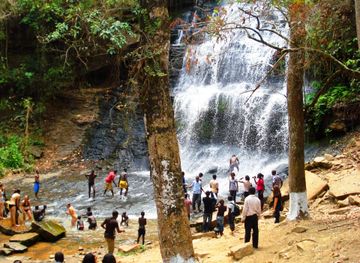
Explore Ashanti Confederacy: Things to Do, Places to Eat, Hotels & More
Handpicked recommendations for top attractions, local dining, accommodations, and more

Top Attractions & Sightseeing in Ashanti Confederacy
Top-rated picks
Best Attractions

Kejetia Market (New)
Explore the colorful and bustling Kejetia Market in Kumasi, a vibrant hub for local goods, cultural experiences, and delicious Ghanaian cuisine.

Kumasi Zoological Gardens
Explore Kumasi Zoological Gardens, where Ghana's wildlife comes alive! A perfect family outing filled with fun, learning, and adventure.

Ntonso Adinkra Village
Immerse yourself in the vibrant culture of Ntonso Adinkra Village, where traditional craftsmanship meets rich Ghanaian heritage.

Besease Traditional Shrine
Discover the Besease Traditional Shrine in Ejisu, a vibrant cultural landmark showcasing Ghana's rich heritage and spiritual traditions.

Best landmarks in Ashanti Confederacy
Top-rated picks
Best Landmarks

Kakum National Park
Experience the thrill of walking amidst the rainforest canopy at Kakum National Park, a unique ecotourism destination in Ghana, offering breathtaking views and rich biodiversity.

Manhyia Palace
Explore the heart of the Ashanti Kingdom at Manhyia Palace in Kumasi, a museum showcasing royal history, artifacts, and the enduring legacy of Ashanti culture.

komfo Anokye Sword Site
Discover the mystical Okomfo Anokye Sword Site in Kumasi, a symbol of Ashanti unity and enduring legacy, where legend and history intertwine on the grounds of a healing hospital.

Kumasi Zoological Gardens
Discover Ghana's wildlife at Kumasi Zoo, a conservation site in the heart of Kumasi, offering an intimate experience with diverse animal species and promoting education about biodiversity.

Best restaurants in Ashanti Confederacy
Top-rated picks
Best Restaurants
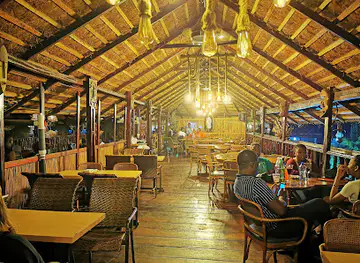
Ike’s Cafe and Grill
Discover delectable flavors at Ike's Cafe and Grill in Kumasi's cultural heart, where local cuisine meets global tastes.

Aboude Fast Food
Discover authentic Ghanaian flavors at Aboude Fast Food in Kumasi - where local meets fast food in a vibrant atmosphere.

X5 Plus
Discover the vibrant flavors of Ghana at X5 Plus - your ultimate dining destination in Kumasi.

Noble House - Kumasi
Experience the finest blend of Chinese and Indian cuisines at Noble House in Kumasi - A culinary gem that delights every palate.

Best bars in Ashanti Confederacy
Top-rated picks
Best Bars

The Republic Bar & Grill
Discover the flavors of Ghana at The Republic Bar & Grill, where delicious grills meet a vibrant nightlife in Accra.

+233 Jazz Bar & Grill
Discover the rhythm of Accra at +233 Jazz Bar & Grill, where live music meets exquisite dining in a vibrant atmosphere.

Purple Pub Osu
Discover the lively nightlife at Purple Pub Osu, where great drinks, delicious food, and a vibrant atmosphere await in Accra's Osu district.

Sky Bar 25 Restaurant and Bar
Experience breathtaking views, exquisite cuisine, and vibrant nightlife at Sky Bar 25 in Accra, a top destination for luxury and culture.

Best nightclubs in Ashanti Confederacy
Top-rated picks
Best Nightclubs

Twist Night Club
Discover the electrifying nightlife at Twist Night Club, Accra's premier destination for dancing, drinks, and unforgettable experiences.

Kavalli @ Night
Discover the energetic nightlife at Kavalli @ Night in Accra, where music, dancing, and delicious cocktails create an unforgettable evening.

Ice Man Pub
Discover the vibrant nightlife of Kumasi at Ice Man Pub, where local flavors meet international drinks in an inviting atmosphere.

THE YARD
Experience the vibrant nightlife of Kumasi at The Yard, a lively bar known for its cocktails, atmosphere, and friendly vibe.

Best shops in Ashanti Confederacy
Top-rated picks
Best Shops

Achimota Mall
Discover the ultimate shopping and entertainment experience at Achimota Mall in Accra, a vibrant hub for tourists and locals alike.

West Hills Mall
Discover a vibrant shopping paradise at West Hills Mall, where local culture meets global brands in Accra.

Kumasi City Mall
Discover the vibrant Kumasi City Mall, where shopping meets culture in the heart of Ghana's second-largest city.

Marina mall
Discover Accra's premier shopping destination at Marina Mall, where shopping, dining, and entertainment blend seamlessly.

Explore Ashanti Confederacy on the Map
A handpicked selection of must-see spots in Ashanti Confederacy, mapped for you.
Ashanti Confederacy Essentials
-
The Ashanti Confederacy is located in the central region of Ghana, with Kumasi as its capital. The nearest airport is Kumasi International Airport, which has regular flights from Accra, Ghana's capital. From Accra, you can also take a bus or hire a car to Kumasi, a journey that typically takes around 5 to 6 hours by road. For those traveling from outside Ghana, Kotoka International Airport in Accra is the main entry point.
-
In Kumasi and the surrounding areas of the Ashanti Confederacy, various modes of transportation are available. Taxis are abundant and relatively inexpensive. Ride-hailing services like Uber also operate in Kumasi. Tro-tros (shared minibuses) are a popular and affordable way to travel within the city and to nearby towns. For a more comfortable experience, you can rent a car, but be aware that driving conditions can be challenging due to traffic and road conditions.
-
The official currency in Ghana is the Ghanaian Cedi (GHS). Credit cards are accepted in many hotels, restaurants, and shops in Kumasi, but it is advisable to carry cash for transactions, especially in smaller towns and markets. ATMs are widely available in Kumasi, but it's a good idea to have some cash on hand for areas where card payments are not accepted.
-
The Ashanti Confederacy, including Kumasi, is generally safe for tourists. However, it is recommended to take standard precautions: avoid walking alone at night in unfamiliar areas, and keep an eye on your belongings in crowded places like markets. Some neighborhoods in Kumasi, such as Adum and Kejetia, are busy commercial areas where pickpocketing can occur. Always stay vigilant and aware of your surroundings.
-
In case of an emergency, dial 112 for immediate assistance. Kumasi has several hospitals and clinics that can provide medical care. It is advisable to have travel insurance that covers medical emergencies. For minor health issues, pharmacies are available throughout the city where you can purchase over-the-counter medications.
-
Fashion: Do dress modestly, especially when visiting religious sites and traditional areas. Avoid wearing revealing clothing. Religion: Do respect local customs and traditions. Always ask for permission before taking photos of people, especially during religious ceremonies. Public Transport: Do be respectful and give up your seat to elderly passengers. Don't eat or drink on public transport. Greetings: Do greet people with a handshake. Using your right hand is considered polite. Eating & Drinking: Do try local delicacies and accept food offerings graciously. Don't refuse hospitality, as it is considered impolite.
-
To experience the Ashanti Confederacy like a local, visit the Manhyia Palace Museum to learn about Ashanti history and culture. Explore the Kejetia Market, one of the largest open-air markets in West Africa, to buy local crafts and produce. Engage with locals, as they are often friendly and willing to share stories about their heritage. Don't miss the Akwasidae Festival, held every six weeks, where you can witness traditional Ashanti ceremonies and drumming performances.
When is the best time to visit Ashanti Confederacy?
Useful Local Phrases for Ashanti Confederacy
You don't need to speak the language perfectly. Even learning a few simple words can make conversations warmer—and locals usually appreciate the effort.
— Eve

Here are the phrases I use most often in Ashanti Confederacy. Try a few—you'll be surprised how far they go! 😊
❤️
-
- HelloAkwaba
[ah-kwa-ba] - GoodbyeNante yie
[nan-teh yee-eh] - YesAane
[ah-neh] - NoDaabi
[dah-bee] - Please/You're welcomeMe pa wo kyɛw
[meh pah wo cheh] - Thank youMedase
[meh-dah-seh] - Excuse me/SorryKafra
[kah-frah] - How are you?Wo ho te sɛn?
[wo ho teh sen] - Fine. And you?Me ho yɛ, na wo nso?
[meh ho yeh, nah wo nso] - Do you speak English?Wopɛ sɛ woka Borɔfo?
[wo-peh seh wo-kah bo-ro-fo] - I don't understandMente ase
[men-teh ah-seh]
- HelloAkwaba
-
- I'd like to see the menu, pleaseMepɛ sɛ mehu menu no, please
[meh-peh seh meh-ho meh-nu noh, please] - I don't eat meatMente nka abɔdeɛ
[men-teh nka ah-bo-deh] - Cheers!Nhyira nka!
[n-hyee-rah nka] - I would like to pay, pleaseMepɛ sɛ meyɛ ka, please
[meh-peh seh meh-yeh kah, please]
- I'd like to see the menu, pleaseMepɛ sɛ mehu menu no, please
-
- Help!Boa me!
[boh-ah meh] - Go away!Kɔ nkyɛn!
[koh n-kyen] - Call the Police!Frɛ abatoɔfoɔ!
[freh ah-ba-toh-foh] - Call a doctor!Frɛ dɔkita!
[freh doh-kee-tah] - I'm lostMewɔ ɔkwan so
[meh-waw oh-kwan soh] - I'm illMedi ɔyare
[meh-dee oh-yah-reh]
- Help!Boa me!
-
- I'd like to buy...Mepɛ sɛ meyɛ dɔla...
[meh-peh seh meh-yeh doh-lah] - I'm just lookingMerehwɛ nkuto
[meh-reh-wheh n-ku-toh] - How much is it?Ɛyɛ dɛn?
[eh-yeh dehn] - That's too expensiveƐyɛ sika kɛse
[eh-yeh see-kah keh-seh] - Can you lower the price?Wobɛtumi atɔ so?
[wo-beh-tumi ah-toh soh]
- I'd like to buy...Mepɛ sɛ meyɛ dɔla...
-
- What time is it?Abɔsɔ ahe?
[ah-boh-soh ah-heh] - It's one o'clockƐyɛ dɔnhwere baako
[eh-yeh don-hweh-reh bah-koh] - Half past (10)Dɔnhwere mmienu
[don-hweh-reh mmee-nu] - MorningAnɔpa
[ah-noh-pah] - AfternoonAwia
[ah-wee-ah] - EveningAnadwo
[ah-nah-jwo] - YesterdayƐda a atwam
[eh-dah ah ah-twahm] - TodayƐnnɛ
[eh-neh] - TomorrowƐkyena
[eh-kee-nah] - 1Baako
[bah-koh] - 2Mmienu
[mmee-nu] - 3Mmienu
[mmee-nu] - 4Nan
[nahn] - 5Num
[noom] - 6Nkyɛn
[n-kyen] - 7Nson
[n-sohn] - 8Nwɔtwe
[n-waw-tweh] - 9Nkyɛn
[n-kyen] - 10Dɔnhwere
[don-hweh-reh]
- What time is it?Abɔsɔ ahe?
-
- Where's a/the...?Ɛhe na ...?
[eh-heh nah] - What's the address?Dɛn na ɔman no?
[dehn nah oh-mahn noh] - Can you show me (on the map)?Wobɛtumi akyerɛ me (ɔmap)
[wo-beh-tumi ah-cheh-reh meh oh-map] - When's the next (bus)?Bere bɛn na (bɔs) no bɛba?
[beh-reh behn nah baws noh beh-bah] - A ticket (to ....)Tiket (kɔ ...)
[tee-ket kɔ]
- Where's a/the...?Ɛhe na ...?
History of Ashanti Confederacy
-
The Ashanti Confederacy, also known as Asanteman, was founded in 1701 under the leadership of Osei Tutu and his chief priest, Okomfo Anokye. The unification of several Akan clans resulted in the establishment of a centralized kingdom with Kumasi as its capital. Osei Tutu and Anokye are credited with the creation of the Golden Stool, which became the symbol of the Ashanti nation and its unity.
-
The Golden Stool, or Sika Dwa Kofi, is the royal and divine throne of the Ashanti people. According to legend, it descended from the sky and landed on the lap of Osei Tutu, signifying the divine approval of his rule. The stool is said to house the spirit of the Ashanti nation, and its reverence is central to their cultural and political life. The British attempt to seize the Golden Stool in 1900 led to the War of the Golden Stool.
-
The Ashanti fought several wars against the British in the 19th century, collectively known as the Anglo-Ashanti Wars. These conflicts were primarily driven by control over trade routes and resources. The most significant of these wars were the 1824 Battle of Nsamankow, where the Ashanti defeated the British, and the War of the Golden Stool in 1900, which ended in British victory and the eventual annexation of Ashanti territory into the Gold Coast colony.
-
During the 18th and 19th centuries, the Ashanti Kingdom played a significant role in the trans-Atlantic slave trade. The Ashanti would capture prisoners of war and sell them to European traders in exchange for guns, ammunition, and other goods. This trade significantly strengthened the Ashanti military and economy but also had devastating effects on West African societies.
-
Women in Ashanti society held significant roles both in the family and in governance. The Queen Mother, or Asantehemaa, was a powerful figure who advised the king and sometimes ruled as a regent. Women also played crucial roles in trade and were often influential in the economic sphere. The matrilineal system of inheritance ensured that women had a substantial impact on the lineage and succession of leaders.
-
The Ashanti people celebrate several traditional festivals, the most notable being the Adae Kese Festival. This grand event is held to honor the ancestors and the spirits embodied in the Golden Stool. The festival includes drumming, dancing, and vibrant processions, showcasing the rich cultural heritage of the Ashanti. Another important festival is the Akwasidae, celebrated every six weeks to honor the ancestors.
-
The Ashanti Kingdom was historically known for its wealth and craftsmanship. Gold mining and trading were central to the Ashanti economy, earning it the nickname 'the Land of Gold.' Ashanti artisans are renowned for their skill in creating intricate gold jewelry, Kente cloth, and wood carvings. These crafts are not only economic assets but also cultural symbols that reflect the artistry and traditions of the Ashanti people.
-
Today, the Ashanti Confederacy remains a significant cultural and traditional entity within Ghana. While the political power of the Ashanti has been integrated into the modern state of Ghana, the Asantehene (king) still holds a revered position. The Ashanti Region is one of the most economically vibrant areas in Ghana, with Kumasi serving as a hub of commerce, education, and culture. The preservation of Ashanti traditions and festivals continues to attract tourists and researchers from around the world.
Neighbouring Regions of Ashanti Confederacy
The closest regions to Ashanti Confederacy, if you have time for more than one.



Your all‑in‑one travel companion app
Explore expert travel guides, compare and book tours, experiences, hotels, and more—all from the palm of your hand. Download now for seamless trip planning wherever your wanderlust takes you.


Explore More of Ghana

Looking beyond Ashanti Confederacy? Discover Ghana for broader travel guides, local hot-spots, and regional highlights.
Explore GhanaAshanti Confederacy in Photos
Browse through our photo collection highlighting the charm and character of the destination.


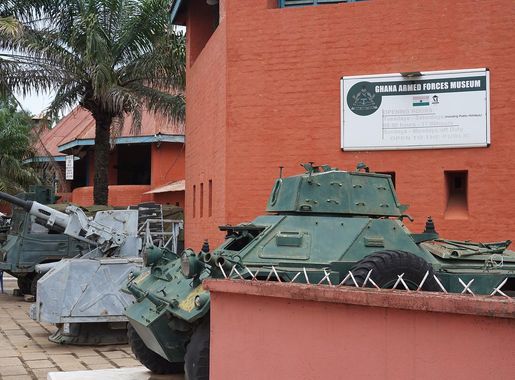


Ashanti Confederacy: Heart of Ghanaian Heritage
The Ashanti Confederacy, located in the heart of Ghana, is a testament to the rich cultural and historical heritage of the Ashanti people. Known for its vibrant traditions, the region is a treasure trove of art, music, and dance. Visitors can immerse themselves in the local culture by attending traditional ceremonies and festivals, where the colorful kente cloth and gold ornaments are proudly displayed. The capital city, Kumasi, often referred to as 'The Garden City', is a bustling hub that offers a blend of modernity and tradition. The Manhyia Palace Museum is a must-visit, providing insight into the royal history and the legacy of the Ashanti kings. The city also boasts the Kejetia Market, one of the largest open-air markets in West Africa, where you can find everything from local crafts to fresh produce. For nature enthusiasts, the Ashanti region offers lush landscapes and scenic beauty. Lake Bosomtwe, formed in a meteorite impact crater, is perfect for a serene getaway. The lake is surrounded by picturesque villages, each with its own unique charm and welcoming locals. Whether you're exploring historical sites or enjoying the natural beauty, the Ashanti Confederacy promises an unforgettable experience.