

Free Ashanti Region Travel Guide & Mobile App
Explore Ashanti Region with free travel guides. Discover regional history, expert tips, proposed trips, and audio guides on web or mobile app.


Ashanti Region combines Kumasi’s royal heritage and markets with kente crafts, forest reserves and the tranquil crater waters of Lake Bosomtwe.
Read more about Ashanti Region
When is the best time to visit Ashanti Region?
Best: December–February · 31–32°C| Month | High (°C) | Rainfall (mm) |
|---|---|---|
| January (best) | 31 | 40 |
| February (best) | 32 | 60 |
| March | 33 | 90 |
| April | 33 | 150 |
| May | 31 | 180 |
| June | 30 | 190 |
| July | 30 | 180 |
| August | 30 | 170 |
| September | 30 | 160 |
| October | 31 | 140 |
| November | 32 | 90 |
| December (best) | 31 | 50 |
Getting to and around Ashanti Region
How to get there
Transportation
Top city travel guides in Ashanti Region
The cities of Ashanti Region, and the easiest places to base yourself.
-
-

-


Swipe for more cities
Destinations in Ashanti Region
Resorts, valleys and scenic spots worth a trip of their own.
-

-


Swipe for more destinations
Best attractions in Ashanti Region
Ashanti Region’s attractions combine royal history, urban commerce, craft traditions and forest ecology. In Kumasi, Manhyia Palace Museum explains the history of Asante rulers, while the National Cultural Centre includes galleries, performance spaces and craft workshops. The Okomfo Anokye Sword Site and Kumasi Fort provide additional perspectives on spiritual tradition and colonial-era history. Kejetia Market is an experience of trade and city life as much as a shopping destination. Outside the capital, Bonwire is associated with kente weaving and Ntonso with adinkra cloth, offering insight into techniques and symbolic design. Bobiri Forest and Butterfly Sanctuary introduces visitors to the region’s rainforest environment, while Owabi Wildlife Sanctuary protects forest and water resources close to Kumasi. Lake Bosomtwe, set within wooded hills, adds walking, viewpoints and lakeside recreation. These places are best visited with realistic travel time, since rural roads, opening arrangements and local access can differ from those in the city.
-
Service establishment
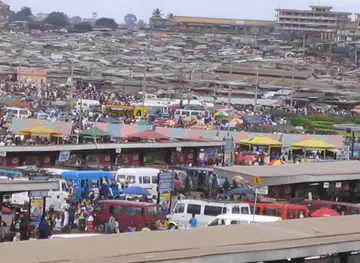
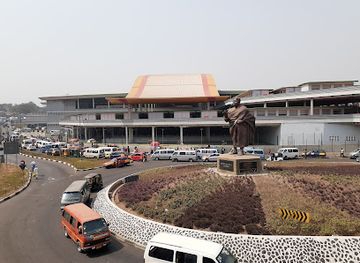
Kejetia Market (New)
Discover the vibrant Kejetia Market in Kumasi, Ghana, where culture, commerce, and culinary delights come together in a bustling atmosphere.
-
Tourist attraction
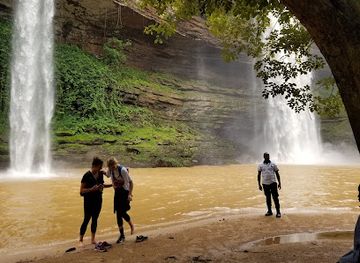
Boti Waterfalls
Explore the enchanting Boti Waterfalls, a natural gem in Ghana offering breathtaking views, lush landscapes, and a serene escape for all nature lovers.
-
Tourist attraction
Jubilee Park
Explore Jubilee Park, a serene national park in Sunyani, Ghana, perfect for nature lovers and adventure seekers alike.
-
Tourist attraction
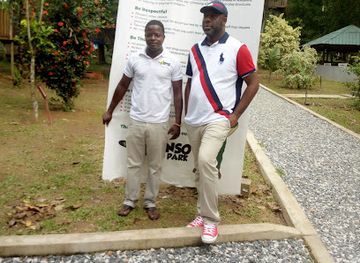
Bunso Eco Park (Bunso Arboretum)
Explore Bunso Eco Park, a serene escape in Ghana, featuring lush landscapes, diverse flora, and exciting activities for families and nature lovers.

Best landmarks in Ashanti Region
Manhyia Palace is Ashanti Region’s most recognisable royal landmark, representing the continuing customary institution of the Asantehene and the historic importance of Kumasi as the kingdom’s capital. The Okomfo Anokye Sword Site carries powerful spiritual and historical associations with the founding of Asante, while the nearby Kumasi Fort reflects the city’s later colonial and military history. Kejetia Market, with its immense commercial scale, is a landmark of contemporary Kumasi as well as a place to shop. Outside the capital, the craft communities of Bonwire and Ntonso are culturally significant landscapes where textiles and symbols remain part of working production. Lake Bosomtwe is the region’s defining natural landmark: its near-circular waters occupy a meteorite-impact basin surrounded by forested hills and lakeside settlements. Together, these places show the region through royal authority, urban trade, craft knowledge and distinctive geology rather than through monumental architecture alone.
-
Market
Kumasi Central Market
Experience the vibrant culture and commerce of Kumasi Central Market, the largest market in West Africa, where local crafts and cuisine come alive.
-
Museum
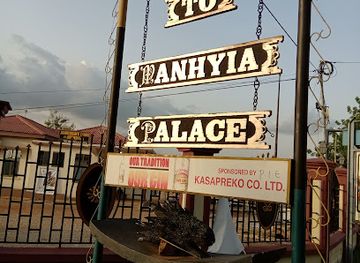
Manhyia Palace
Explore the cultural heart of the Ashanti Kingdom at Manhyia Palace, a historic museum celebrating Ghana's rich heritage and royal history.
-
Service establishment
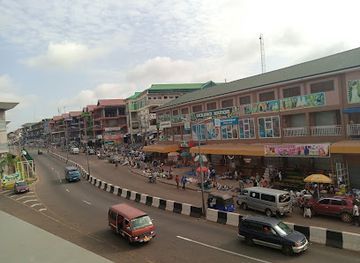
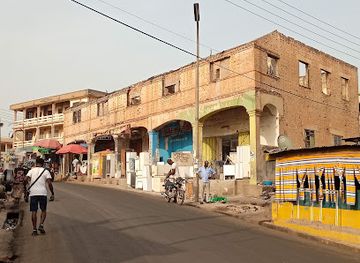
Kejetia Market (New)
Experience the vibrant heart of Kumasi at Kejetia Market, West Africa's largest marketplace, offering a sensory explosion of culture, commerce, and authentic Ghanaian life.
-
Historical place
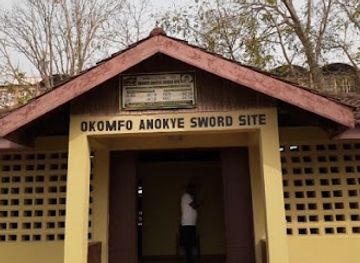
komfo Anokye Sword Site
Discover the mystical Komfo Anokye Sword Site in Kumasi, where a legendary sword remains embedded, symbolizing the unity and strength of the Ashanti Kingdom for over 300 years.
Explore Ashanti Region on the map
Plan your trip on one map. See where the top cities, national parks and sights are, and book hotels and experiences in a few clicks.
Best hotels in Ashanti Region
Best restaurants in Ashanti Region
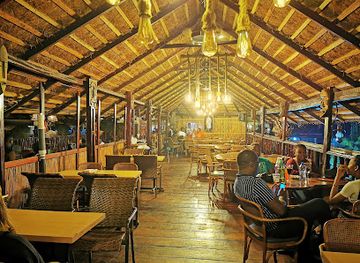
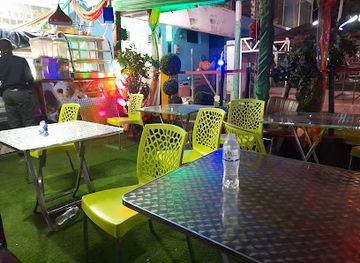
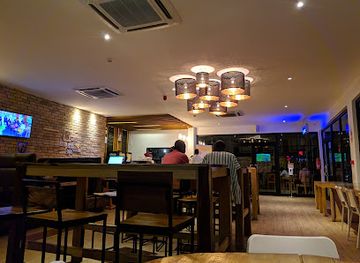
Dining in Ashanti Region ranges from Kumasi’s busy chop bars and market stalls to hotel restaurants, cafés and contemporary urban eateries. Fufu with soup, often paired with groundnut, palm-nut or light soup, is a central meal, while ampesi, boiled plantain or yam, grilled plantain, rice dishes and stews are widely available. Local cooking reflects the forest zone’s plantain, cassava, cocoyam and vegetable cultivation, with cocoa forming an important part of the wider agricultural economy even when it is not presented as a restaurant ingredient. Kumasi is the best place to compare everyday Ghanaian cooking across different neighbourhoods, while smaller towns offer simpler food served around markets and roadside stops. Expect communal, filling meals and a relaxed pace rather than highly formal service. Visitors should ask about ingredients and spice levels, and carry cash for informal eateries and food vendors outside the city centre.
-
Restaurant
Ike’s Cafe and Grill
Experience authentic Ghanaian cuisine at Ike’s Cafe and Grill in Kumasi – where local flavors meet cultural richness.
-
Restaurant
Tasty Queen
Experience the vibrant flavors of Ghana at Tasty Queen Restaurant in Kumasi - where every meal is a celebration!
-
Restaurant
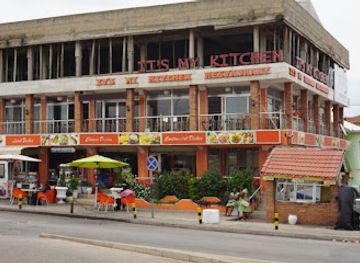
Its My Kitchen Restaurant
Discover authentic Ghanaian flavors at Its My Kitchen Restaurant in Kumasi – where every dish tells a story.
-
Restaurant
Starbites Asokwa
Experience authentic Ghanaian cuisine at Starbites Asokwa in Kumasi - a must-visit destination for food lovers!
Best bars in Ashanti Region
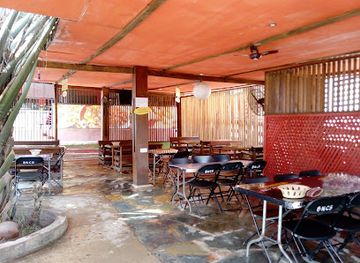
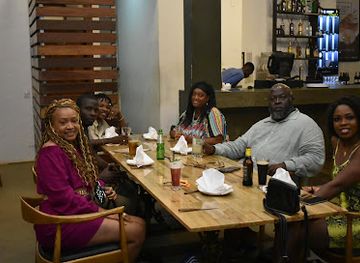
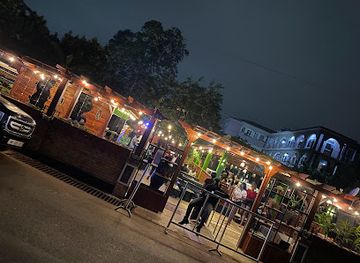
Nightlife in Ashanti Region is concentrated in Kumasi, where hotel lounges, restaurants, pubs, drinking spots and occasional live-music venues provide the main evening choices. The city’s entertainment scene is more varied than that of smaller towns, but it is still spread across neighbourhoods rather than confined to one clearly defined nightlife quarter. Local and Ghanaian popular music, televised football and social gatherings are common features of evenings. Around Lake Bosomtwe and in rural districts, nightlife generally centres on guesthouses, restaurants and small bars, with quieter evenings and fewer late options. Visitors should arrange transport back to their accommodation rather than relying on an unfamiliar late-night journey, particularly outside Kumasi. Drinking is not necessary to participate in local social life; food, conversation, music and community events are equally important parts of the region’s evening culture.
-
Restaurant
Bar Naas
Experience the vibrant flavors of Kumasi at Bar Naas, where local cuisine meets a lively atmosphere for an unforgettable dining experience.
-
Restaurant
The View Bar & Grill
Experience culinary delight at The View Bar & Grill, where local flavors meet international cuisine in a stunning setting.
-
Bar
Bulldog Pub
Experience the vibrant nightlife at Bulldog Pub in Kumasi, a lively bar featuring a unique atmosphere and a diverse drink selection.
-
Restaurant
The Basement Bar and Lounge
Discover the lively atmosphere at The Basement Bar and Lounge in Kumasi, blending local flavors with international classics for an unforgettable night out.
Best nightclubs in Ashanti Region
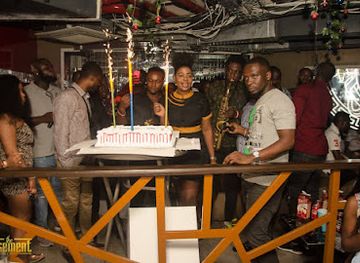
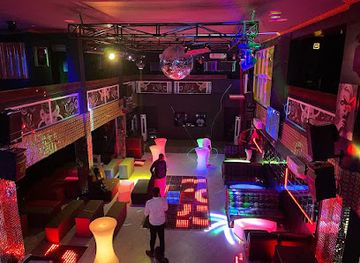
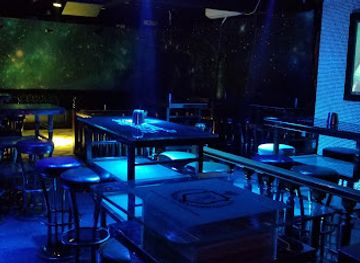
Nightlife in Ashanti Region is concentrated in Kumasi, where hotel lounges, restaurants, pubs, drinking spots and occasional live-music venues provide the main evening choices. The city’s entertainment scene is more varied than that of smaller towns, but it is still spread across neighbourhoods rather than confined to one clearly defined nightlife quarter. Local and Ghanaian popular music, televised football and social gatherings are common features of evenings. Around Lake Bosomtwe and in rural districts, nightlife generally centres on guesthouses, restaurants and small bars, with quieter evenings and fewer late options. Visitors should arrange transport back to their accommodation rather than relying on an unfamiliar late-night journey, particularly outside Kumasi. Drinking is not necessary to participate in local social life; food, conversation, music and community events are equally important parts of the region’s evening culture.
-
Lounge
Los Barbados Lounge
Los Barbados Lounge in Kumasi offers a vibrant atmosphere with local and international flavors, perfect for relaxation and socializing.
-
Disco club
Devoid_nightclub
Discover Kumasi's nightlife at Devoid Nightclub, where electrifying beats and vibrant energy create unforgettable dance experiences.
-
Night club
Emperor Nite Club
Discover the vibrant nightlife at Emperor Nite Club in Kumasi, where music, dance, and culture blend for an unforgettable experience.
-
Disco club
Amaniampong Night Club
Experience the vibrant nightlife at Amaniampong Night Club in Kumasi, where music, dancing, and fun await every visitor.

Best shops in Ashanti Region
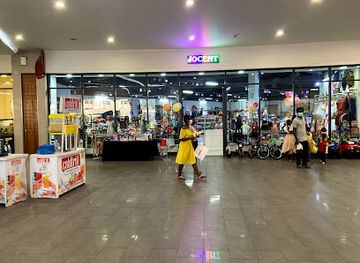
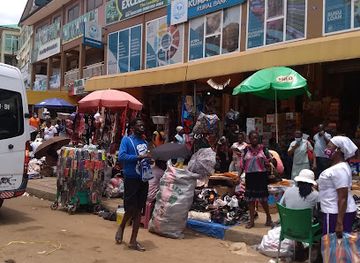
Kumasi is one of Ghana’s principal shopping centres, with the vast Kejetia Market and the commercial streets around Adum offering textiles, clothing, household goods, food produce and everyday Ghanaian merchandise. The scale can be overwhelming, so visitors seeking crafts may prefer the National Cultural Centre, where workshops and galleries provide a more focused setting. Bonwire is associated with handwoven kente, while Ntonso is known for adinkra cloth and stamped symbolic patterns; buying directly from workshops can provide better context about materials, design and production. Look for carved objects, beads, woven goods, prints, baskets and regional food products, but distinguish handmade work from factory-produced souvenirs. Market bargaining is common but should remain courteous, and fragile textiles should be packed carefully. Smaller towns have practical markets rather than extensive tourist retail, making Kumasi the region’s most convenient place to compare crafts and arrange purchases.
-
Shopping mall
Kumasi City Mall
Discover the vibrant Kumasi City Mall, where shopping meets culture and entertainment in the heart of Kumasi.
-
Boutique
U-nice Vogue
Explore U-nice Vogue, a chic boutique in Kumasi offering unique fashion and accessories that blend modern trends with local culture.
-
Boutique
Excellence Boutique
Experience the essence of Kumasi at Excellence Boutique, where local craftsmanship meets unique shopping.
-
Gift shop
DeBrand Gift and Souvenir Boxes
Explore the essence of Ghana at DeBrand Gift and Souvenir Boxes—your ultimate destination for unique gifts and authentic souvenirs in Kumasi.


Get your free copy of our complete guide to Ashanti Region, delivered straight to you.
Everything on this page, from attractions and restaurants to essentials and local phrases, in one PDF you can read offline, print or share.
Already have an account? Sign in
Your Ashanti Region guide is ready.
We'll send it to · Not you? Sign out

Getting your guide ready…
We are putting together a fresh copy of the Ashanti Region guide. This can take up to a minute.
This can take a few moments. If your browser asks, choose Allow so the download can start. You'll find the guide in your Downloads folder.
Nothing happened? Download it again
Sorry, the guide is taking longer than usual. Please try again in a minute, or get it by email instead.
Ashanti Region essentials
Currency and Payment
Safety
Emergency Situations
Do's and Don'ts
Local Tips
From Eve
Local phrases worth knowing
You don't need to get them perfect. A few words go a long way, and locals appreciate the effort.
Basics
| English | Local | Say it |
|---|---|---|
| Hello | Akwabaa | [Ah-kwah-bah] |
| Goodbye | Nante yie | [Nahn-teh yee-eh] |
| Yes | Aane | [Ah-neh] |
| No | Daabi | [Dah-bee] |
| Please/You're welcome | Mepa wo kyɛw | [Meh-pah woh cheh] |
| Thank you | Medase | [Meh-dah-seh] |
| Excuse me/Sorry | Kafra | [Kah-frah] |
| How are you? | Wo ho te sɛn? | [Woh hoh teh sen] |
| Fine. And you? | Me ho yɛ | [Meh hoh yeh] |
| Do you speak English? | Wopɛ sɛ woka Borɔfo? | [Woh-peh seh woh-kah Boh-roh-foh] |
| I don't understand | Mente ase | [Men-teh ah-seh] |
Eating & Drinking
| English | Local | Say it |
|---|---|---|
| I'd like to see the menu, please | Mepɛ sɛ mehu menu no, mepa wo kyɛw | [Meh-peh seh meh-hoo meh-noo noh, meh-pah woh cheh] |
| I don't eat meat | Mente mmerɛ | [Men-teh meh-reh] |
| Cheers! | Nante yie! | [Nahn-teh yee-eh] |
| I would like to pay, please | Mepɛ sɛ mɛtɔ mu, mepa wo kyɛw | [Meh-peh seh meh-taw moo, meh-pah woh cheh] |
Emergencies
| English | Local | Say it |
|---|---|---|
| Help! | Boa me! | [Boh-ah meh] |
| Go away! | Kɔ na yɛ! | [Koh nah yeh] |
| Call the Police! | Frɛ ɔmanpanyin! | [Fre oh-mahn-pah-nyin] |
| Call a doctor! | Frɛ dɔkita! | [Fre doh-kee-tah] |
| I'm lost | Meda hɔ | [Meh-dah hoh] |
| I'm ill | Mereyare | [Meh-reh-yah-reh] |
Shopping
| English | Local | Say it |
|---|---|---|
| I'd like to buy... | Mepɛ sɛ mɛtɔ... | [Meh-peh seh meh-taw...] |
| I'm just looking | Merekɔhwɛ | [Meh-reh-koh-hweh] |
| How much is it? | Ɛyɛ dɛn? | [Eh-yeh dehn] |
| That's too expensive | Ɛyɛ sika dɔɔso | [Eh-yeh see-kah doh-soh] |
| Can you lower the price? | Wobɛtɔ sika no ase? | [Woh-beh-taw see-kah noh ah-seh] |
Time & Numbers
| English | Local | Say it |
|---|---|---|
| What time is it? | Ɛyɛ bere bɛn? | [Eh-yeh beh-reh behn] |
| It's one o'clock | Ɛyɛ dɔkita baako | [Eh-yeh doh-kee-tah bah-koh] |
| Half past (10) | Dɔnhwere a ɛyɛ (10) | [Dohn-hweh-reh ah eh-yeh (10)] |
| Morning | Anɔpa | [Ah-naw-pah] |
| Afternoon | Awia | [Ah-we-ah] |
| Evening | Anadwo | [Ah-nah-joh] |
| Yesterday | Ɛnnɛ | [Eh-neh] |
| Today | Ɛnnɛ | [Eh-neh] |
| Tomorrow | Ɛkyena | [Eh-cheh-nah] |
| 1 | Baako | [Bah-koh] |
| 2 | Mmienu | [Mmyeh-noo] |
| 3 | Mmienu | [Mmyeh-noo] |
| 4 | Nanan | [Nah-nahn] |
| 5 | Num | [Noom] |
| 6 | Nsia | [Nsee-ah] |
| 7 | Nson | [Nsohn] |
| 8 | Nwɔtwe | [Nwoh-tweh] |
| 9 | Nkyɛn | [Nkyen] |
| 10 | Dɔkita | [Doh-kee-tah] |
Transport & Directions
| English | Local | Say it |
|---|---|---|
| Where's a/the...? | Ɛhe na ...? | [Eh-heh nah ...?] |
| What's the address? | Ɛyɛ bɛn na ɛwɔ? | [Eh-yeh behn nah eh-waw?] |
| Can you show me (on the map)? | Wobɛda me ho adi (wɔ map no)? | [Woh-beh-dah meh hoh ah-dee (woh map noh)?] |
| When's the next (bus)? | Nnɛ na (bus) a ɛbɛba? | [Nn-eh nah (boos) ah eh-beh-bah?] |
| A ticket (to ....) | Tikiti (kɔ ....) | [Tee-kee-tee (koh ....)] |
History of Ashanti Region
Early Akan Settlement and Forest Economies
The forest belt that includes modern Ashanti Region supported Akan-speaking communities whose settlements, farming systems and trading networks developed around fertile soils, rivers and forest resources. Gold, kola nuts and agricultural produce connected inland communities with wider commercial routes. Archaeological and oral traditions show that political authority grew through relationships between stools, clans and settlements, although the history of the area predates the later Asante state by many centuries. The region’s environment also shaped its cultural economy: plantain, cassava and yam farming, woodworking, weaving and metalworking remain important parts of local life.
The Formation of the Asante Union
During the late seventeenth and early eighteenth centuries, several Akan states were brought together under the Asante union. Oral history credits Osei Tutu and the priest Okomfo Anokye with establishing the political and spiritual foundations of the new kingdom, traditionally symbolised by the Golden Stool. Kumasi became the capital and the seat of the Asantehene. A centralised political system, military strength and control of gold-producing and trading territories enabled Asante to become one of the most powerful states in West Africa. The institution of the Golden Stool remains central to Asante identity and authority.
Kumasi as a Royal and Commercial Capital
Asante power made Kumasi a major inland centre for administration, diplomacy, craft production and trade. Royal compounds, shrines, markets and roads connected the capital to the wider kingdom, while court officials and artisans developed elaborate forms of regalia, architecture and ceremony. Gold ornaments, carved stools, umbrellas and woven textiles expressed rank and political meaning. Much of the precolonial city was transformed during later conflicts and colonial rule, yet Kumasi’s markets, palace institutions, craft communities and ceremonial traditions continue to reflect its role as the historic capital of Asante.
Asante and British Conflict, 1820s–1901
Relations between Asante and the British-led coastal authorities became increasingly strained during the nineteenth century, as both sides contested trade, territory and political influence. A series of conflicts culminated in the War of the Golden Stool in 1900–01, after the British demanded authority over the Asante state and its sacred symbol. Asante resistance included the leadership of Yaa Asantewaa, the queen mother of Ejisu, whose role has become an important part of Ghanaian historical memory. British occupation followed, and Asante sovereignty was curtailed, although the institution of the Asantehene survived.
Colonial Rule and Transport Development
Under British colonial administration, Kumasi expanded as a centre of government, commerce and transport linking the forest interior to the coast and northern territories. Roads and rail connections supported the export of cocoa, timber and minerals, while new administrative buildings and commercial districts altered the city’s urban form. Colonial rule also introduced schools, Christian institutions and new forms of law alongside existing customary authority. Kumasi’s growth during this period laid foundations for its later role as a major commercial and educational city, even as local producers and traders remained central to the regional economy.
Cocoa, Urbanisation and Regional Change
Cocoa cultivation became a defining force in Ghana’s forest regions during the twentieth century, bringing income, migration and new settlements while also reshaping land use. Ashanti Region developed a close relationship between farming districts and Kumasi’s markets, warehouses and transport networks. After Ghana’s independence in 1957, Kumasi expanded rapidly as a commercial, educational and cultural centre. Population growth has brought new housing, traffic and pressure on wetlands and forests, but it has also strengthened the city’s role as a national meeting point for trade, crafts, education and contemporary culture.
Living Asante Heritage in Contemporary Ghana
Asante political institutions, chiefly ceremonies, oral history, textiles and symbolic design remain active rather than merely museum subjects. The Asantehene continues to hold a prominent customary and cultural role, while festivals and public ceremonies bring together royal courts, communities and visitors. Kente and adinkra production have also adapted to modern fashion, tourism and international markets. In present-day Ashanti Region, historic identity coexists with a large modern city, changing rural economies and Ghana’s national political framework, making the region a particularly clear place to explore how heritage is maintained and reinterpreted.
Ashanti Region in Photos
Browse through our photo collection highlighting the charm and character of the destination.
Neighbouring regions of Ashanti Region
The closest regions to Ashanti Region, if you have time for more than one.
-

-

-

-

-


Swipe for more regions
Explore more

Explore more of Ghana
Discover Ghana: A vibrant blend of rich history, stunning landscapes, and warm hospitality in the heart of West Africa.
Explore Ghana