

Free Krachi Travel Guide & Mobile App
Explore Krachi with free travel guides. Discover regional history, expert tips, proposed trips, and audio guides on web or mobile app.


Explore Krachi in Ghana’s Oti Region for Lake Volta scenery, fishing communities, historic Kete Krachi and distinctive lakeside culture.
Read more about Krachi
When is the best time to visit Krachi?
Best: November–January · 32–33°C| Month | High (°C) | Rainfall (mm) |
|---|---|---|
| January (best) | 33 | 10 |
| February | 34 | 20 |
| March | 35 | 40 |
| April | 34 | 80 |
| May | 33 | 120 |
| June | 31 | 140 |
| July | 30 | 160 |
| August | 30 | 140 |
| September | 30 | 120 |
| October | 31 | 80 |
| November (best) | 32 | 40 |
| December (best) | 32 | 20 |
Getting to and around Krachi
How to get there
Transportation
Best attractions in Krachi
Krachi’s attractions are primarily landscape-based and community-connected rather than concentrated in purpose-built visitor complexes. Lake Volta provides the central experience, with opportunities for carefully arranged boat journeys, shoreline observation and encounters with the region’s fishing economy. Kete Krachi offers a useful starting point for exploring the history of inland trade and the changes brought by the reservoir, while Dambai presents the contemporary administrative and commercial life of Oti Region. Around both towns, markets, food stalls and landing sites reveal how farming, fishing and transport remain interdependent. Rural roads lead through cultivated and wooded savannah, where visitors can observe changing views of the lake and everyday village life, provided that local privacy is respected. The area also suits travellers interested in canoe traditions, fish processing and the social history of communities affected by the formation of Lake Volta. Outdoor exploration is best undertaken with local guidance, since distances are substantial and access to smaller settlements depends on road, weather and water conditions.
-
Tourist attraction
Cape Coast Castle
Discover the poignant history of Cape Coast Castle, a UNESCO World Heritage Site that reveals Ghana's complex past and cultural heritage.
-
 Tourist attraction
Kwame Nkrumah Memorial Park & Mausoleum(NAB VOYAGE)
Explore the Kwame Nkrumah Memorial Park & Mausoleum, a serene tribute to Ghana's first president and a symbol of African independence.
-
Tourist attraction
Elmina Castle
Explore Elmina Castle, a historic landmark in Ghana that narrates the poignant stories of the transatlantic slave trade and offers breathtaking coastal views.
-
Tourist attraction
Kakum National Park
Explore Ghana's Kakum National Park, a breathtaking national park with lush rainforests and an unforgettable canopy walkway experience.


Best landmarks in Krachi
The defining landmark of Krachi is Lake Volta itself, whose wide water surface, projecting inlets and working shorelines have reshaped the region’s geography since the 1960s. Its presence is especially significant around Kete Krachi, where the modern town stands within a landscape transformed from river transport routes and older settlements into a reservoir economy. Dambai’s position on the Oti side of the lake gives it a strong visual and administrative relationship with the water, while landing sites across the area mark the continuing importance of canoe and ferry transport. Kete Krachi’s historic role as an inland market and transport centre is another important part of the region’s built heritage, even where earlier structures have not survived intact. Rather than a collection of monumental castles or cathedrals, Krachi’s landmarks are read through the relationship between town, water, market and route: the lake shoreline, boat staging points, trading spaces and relocated settlement patterns together express the area’s history more clearly than a single isolated monument.
-
National park
Kakum National Park
Discover the beauty of Kakum National Park, a tropical paradise in Ghana with breathtaking canopy walks and rich biodiversity.
-
Museum
Osu Castle
Discover the rich history and cultural significance of Osu Castle, a monumental landmark in Accra, Ghana, offering a glimpse into the nation's past.
-
Tourist attraction
Nzulezo-Stilt Village Tour
Explore the enchanting Nzulezo Stilt Village in Ghana, a unique floating community on Amansuri Lake, rich in culture and breathtaking scenery.
-
Fortress
Fort San Sebastian
Explore Fort San Sebastian, a historic fortress in Shama, Ghana, offering insights into the slave trade and stunning coastal views.



Explore Krachi on the map
Plan your trip on one map. See where the top cities, national parks and sights are, and book hotels and experiences in a few clicks.
Best hotels in Krachi
Best restaurants in Krachi
Dining in Krachi is closely tied to Ghanaian home cooking, market food and the lake economy. Freshwater fish, including locally caught species, is commonly grilled, fried or prepared in a spicy soup, while staples such as banku, kenkey, fufu, yam, cassava, plantain and rice provide the basis of everyday meals. In Kete Krachi and Dambai, small restaurants and food stalls serve practical local dishes, often busiest during the daytime. Travellers may also find smoked or dried fish in markets, although handling and storage standards vary and food should be chosen carefully. The region is not primarily a destination for formal fine dining; its culinary interest lies in fresh ingredients, regional preparation and the connection between food and lakeside livelihoods. Ask about ingredients when ordering, especially if unfamiliar with pepper-heavy sauces or fish-based dishes, and carry snacks for longer journeys through rural areas.
-
Restaurant
Ike’s Cafe and Grill
Experience the vibrant culinary scene at Ike's Cafe and Grill in Kumasi - where local flavors meet international cuisine.
-
West African
The Buka Restaurant, Osu, Accra
Experience authentic West African cuisine at The Buka Restaurant in Osu, Accra - where tradition meets flavor.
-
Restaurant
Celsbridge Pub
Discover the flavors and vibrant entertainment at Celsbridge Pub in Accra – a must-visit destination for every traveler.
-
Chinese
Noble House - Osu
Experience authentic Chinese cuisine at Noble House - Osu in Accra; perfect for food lovers seeking diverse flavors.



Best bars in Krachi
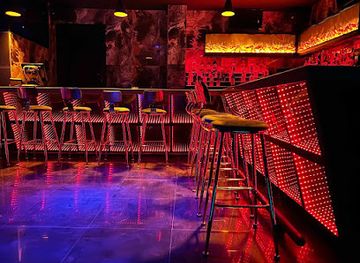
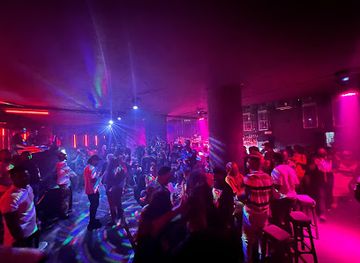
Krachi has a modest evening scene centred on drinking spots, local eateries and social venues in Kete Krachi, Dambai and other larger settlements rather than a concentrated nightclub district. Pubs and bars may serve Ghanaian bottled drinks, soft drinks and locally familiar spirits, while music is more likely to be provided informally or at occasional social events than by a permanent club programme. In smaller lakeside communities, evenings generally become quiet after market and fishing activity has ended. Visitors should not assume that boat travel, entertainment or reliable late-night transport will be available after dark. A relaxed meal, conversation and observation of town life offer a more realistic introduction to the area’s evening culture than seeking a major nightlife circuit.
-
Grill
The Republic Bar & Grill
Experience the vibrant flavors and lively atmosphere at The Republic Bar & Grill, a top destination for food and nightlife in Accra.
-
Bar
Sky Bar 25 Restaurant and Bar
Experience the vibrant nightlife and stunning views at Sky Bar 25, Accra's top rooftop restaurant and bar, perfect for cocktails and gourmet steak dinners.
-
Bar
The Gold Coast Restaurant & Cocktail Bar
Discover fine dining and vibrant nightlife at The Gold Coast Restaurant & Cocktail Bar, where exquisite seafood meets handcrafted cocktails in Accra.
-
Bar
Alley Bar
Experience the lively atmosphere of Alley Bar in Accra, where local culture meets modern nightlife for an unforgettable evening.


Best nightclubs in Krachi
Krachi has a modest evening scene centred on drinking spots, local eateries and social venues in Kete Krachi, Dambai and other larger settlements rather than a concentrated nightclub district. Pubs and bars may serve Ghanaian bottled drinks, soft drinks and locally familiar spirits, while music is more likely to be provided informally or at occasional social events than by a permanent club programme. In smaller lakeside communities, evenings generally become quiet after market and fishing activity has ended. Visitors should not assume that boat travel, entertainment or reliable late-night transport will be available after dark. A relaxed meal, conversation and observation of town life offer a more realistic introduction to the area’s evening culture than seeking a major nightlife circuit.
-
Night club
Twist Night Club
Discover the nightlife pulse of Accra at Twist Night Club, where vibrant music and unforgettable experiences await every night.
-
Disco club
Octapuz lounge and night club
Discover the energy of Accra's nightlife at Octapuz Lounge and Night Club, where music, dancing, and fun come together for an unforgettable experience.
-
Night club
Kavalli @ Night
Experience the vibrant nightlife at Kavalli @ Night, Accra's premier night club featuring great music, drinks, and an electrifying atmosphere.
-
Night club
KRUNA The Club
Experience the pulse of Accra's nightlife at KRUNA The Club, where music, dance, and vibrant energy collide for unforgettable nights.
Best shops in Krachi
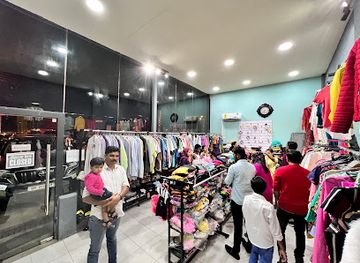
Shopping in Krachi is centred on open markets, roadside stalls and small independent stores in Kete Krachi, Dambai and other district settlements. Fresh, smoked and dried fish are among the most characteristic local purchases, although visitors should choose packaged goods carefully and check what can legally be carried onward. Markets also sell cassava, yam, plantain, grains, spices and other produce from the surrounding farming areas. Everyday textiles, clothing, sandals, household goods and mobile-phone accessories are more common than dedicated souvenir shops. Travellers may encounter locally made baskets, simple woodwork or woven items, but availability varies and quality should be assessed directly rather than assumed from a regional label. Bargaining can be part of open-market purchasing, while shops with marked prices generally expect straightforward payment. Carry cedi cash in smaller denominations and ask permission before photographing market stalls or people at work.
-
Market
Dambai Lake Side Market
Discover the vibrant Dambai Lake Side Market, a cultural gem filled with local crafts, delicious food, and stunning lakeside views.
-
Supermarket
Elemawusi Enterprise
Explore Elemawusi Enterprise: Your Gateway to Ghanaian Flavors in Dambai's Vibrant Supermarket.
-
Clothing store
FAA Shoppings (Indian & Western Dress Store/Indian Boutique)
Explore FAA Shoppings in Accra for a unique blend of Indian and Western fashion, offering exquisite clothing for every occasion.
-
Market
Krachi Riverside Market
Explore Krachi Riverside Market, where local culture, fresh produce, and vibrant crafts come together in a colorful Ghanaian setting.



Get your free copy of our complete guide to Krachi, delivered straight to you.
Everything on this page, from attractions and restaurants to essentials and local phrases, in one PDF you can read offline, print or share.
Already have an account? Sign in
Your Krachi guide is ready.
We'll send it to · Not you? Sign out

Getting your guide ready…
We are putting together a fresh copy of the Krachi guide. This can take up to a minute.
This can take a few moments. If your browser asks, choose Allow so the download can start. You'll find the guide in your Downloads folder.
Nothing happened? Download it again
Sorry, the guide is taking longer than usual. Please try again in a minute, or get it by email instead.
Krachi essentials
Currency and Payment
Safety
Emergency Situations
Do's and Don'ts
Local Tips
From Eve
Local phrases worth knowing
You don't need to get them perfect. A few words go a long way, and locals appreciate the effort.
Basics
| English | Local | Say it |
|---|---|---|
| Hello | Mema wo akye | [Meh-mah woh ah-cheh] |
| Goodbye | Nante yie | [Nahn-teh yee-eh] |
| Yes | Aane | [Ah-neh] |
| No | Daabi | [Dah-bee] |
| Please/You're welcome | Mepa wo kyɛw | [Meh-pah woh cheh] |
| Thank you | Medase | [Meh-dah-seh] |
| Excuse me/Sorry | Mepa wo kyɛw | [Meh-pah woh cheh] |
| How are you? | Ɛte sɛn? | [Eh-teh sen?] |
| Fine. And you? | Me ho yɛ, na wo nso? | [Meh ho yeh, nah woh nso?] |
| Do you speak English? | Wokɔ kasa bebrebe? | [Woh-koh kah-sah beh-breh-beh?] |
| I don't understand | Mente ase | [Men-teh ah-seh] |
Eating & Drinking
| English | Local | Say it |
|---|---|---|
| I'd like to see the menu, please | Mepɛ sɛ mehwɛ menu no | [Meh-peh seh meh-hweh meh-noo noh] |
| I don't eat meat | Mente anka abɔdwe | [Men-teh an-kah ah-boh-dweh] |
| Cheers! | Nsa bɛyɛ fɛ | [N-sah beh-yeh feh] |
| I would like to pay, please | Mepɛ sɛ meyɛ sika no | [Meh-peh seh meh-yeh see-kah noh] |
Emergencies
| English | Local | Say it |
|---|---|---|
| Help! | Boa me! | [Boh-ah meh!] |
| Go away! | Kɔ nkyɛn! | [Koh n-kyen!] |
| Call the Police! | Frɛ ɔman no! | [Freh oh-mahn noh!] |
| Call a doctor! | Frɛ dɔkita! | [Freh doh-kee-tah!] |
| I'm lost | Mɛkɔ nkyɛn | [Meh-koh n-kyen] |
| I'm ill | Merehu | [Meh-reh-hu] |
Shopping
| English | Local | Say it |
|---|---|---|
| I'd like to buy... | Mepɛ sɛ meyɛ... | [Meh-peh seh meh-yeh] |
| I'm just looking | Merehwɛ nko | [Meh-reh-hweh n-koh] |
| How much is it? | Ɛyɛ sika bɛn? | [Eh-yeh see-kah behn?] |
| That's too expensive | Ɛyɛ sika kɛse | [Eh-yeh see-kah keh-seh] |
| Can you lower the price? | Wobɛtumi asɔ sika no? | [Woh-beh-too-mee ah-soh see-kah noh?] |
Time & Numbers
| English | Local | Say it |
|---|---|---|
| What time is it? | Dɛn na ɛyɛ? | [Den nah eh-yeh?] |
| It's one o'clock | Ɛyɛ dɔnhwere baako | [Eh-yeh don-hweh-reh bah-koh] |
| Half past (10) | Dɔnhwere du mu mmerɛ | [Don-hweh-reh doo moo meh-reh] |
| Morning | Anɔpa | [Ah-noh-pah] |
| Afternoon | Awia | [Ah-wee-ah] |
| Evening | Anadwo | [Ah-nah-dwo] |
| Yesterday | Ɛnnɛ | [Eh-neh] |
| Today | Ɛnnɛ | [Eh-neh] |
| Tomorrow | Ɛkyɛ | [Eh-cheh] |
| 1 | Baako | [Bah-koh] |
| 2 | Mmienu | [Mmee-noo] |
| 3 | Mmienu | [Mmee-noo] |
| 4 | Nan | [Nah-n] |
| 5 | Nanan | [Nah-nan] |
| 6 | Nsia | [N-see-ah] |
| 7 | Nson | [N-sohn] |
| 8 | Nanan | [Nah-nan] |
| 9 | Nkyɛn | [N-kyen] |
| 10 | Du | [Doo] |
Transport & Directions
| English | Local | Say it |
|---|---|---|
| Where's a/the...? | He na ...? | [Heh nah ...?] |
| What's the address? | Dɛn na adwuma no? | [Den nah ah-dwoo-mah noh?] |
| Can you show me (on the map)? | Wubetumi akyerɛ me (ɛdɔm no)? | [Woo-beh-too-mee ah-cheh-reh meh (eh-dohm noh)?] |
| When's the next (bus)? | Dɛn na bus no bɛba? | [Den nah boo-snoh beh-bah?] |
| A ticket (to ....) | Kɔtɔ (kɔ ....) | [Koh-taw (koh ....)] |
History of Krachi
Early Guan Settlement and Regional Exchange
The Krachi area belongs to the wider cultural landscape of the Guan peoples, whose histories are connected with movements through the Volta basin and northern forest–savannah transition. Communities developed through farming, fishing, craft production and exchange with neighbouring groups. Before modern roads, the Volta and its tributaries were important routes for movement and commerce. The region’s cultural character consequently reflects interaction rather than a single isolated tradition, with local identities shaped by language, kinship, religion and relationships between lakeside and inland settlements.
Kete Krachi and Long-Distance Trade
Kete Krachi grew in importance as a market and transport settlement on routes linking the Volta basin with northern and forest-zone markets. Traders exchanged agricultural goods, livestock and lake products, while the settlement also became associated with the movement of people through wider nineteenth-century commercial and political networks. As in many parts of the interior, these networks were affected by the slave trade and by regional struggles for control of trade routes. The town’s historic importance therefore rests on its position as a meeting point between waterborne and overland commerce.
Colonial Rule and the Krachi Area
During the late nineteenth and early twentieth centuries, European powers extended administrative control across the Volta basin. The Krachi area became part of German Togoland before the First World War and was subsequently administered under the British mandate in the eastern part of the former German colony. Colonial rule introduced new administrative boundaries, taxation systems and transport priorities without replacing established local authorities and social institutions. The period also strengthened the importance of selected market and administrative settlements, including Kete Krachi, within the emerging territorial structure of what later became Ghana.
Independence and the Volta River Project
Ghana’s independence in 1957 brought a national development programme in which the Volta River played a central role. The Akosombo Dam was constructed downstream in the 1960s, and the resulting reservoir created Lake Volta, one of the world’s large artificial lakes. Although the dam is far from Krachi, the reservoir transformed the Krachi landscape directly. River corridors, farms and settlements were inundated, communities were relocated and transport patterns changed. Fishing, lake crossings and lakeside commerce subsequently became even more important to the area’s economy and identity.
The Modern Lake Economy
Since the creation of Lake Volta, fishing and related activities have become defining elements of life around Krachi. Canoe building, fish processing, trading and transport connect lakeside communities with inland markets, while farming continues on land beyond the shoreline. The lake has also brought environmental pressures, including fluctuating catches, shoreline change and concerns about sustainable fishing practices. Modern Krachi is therefore shaped by both continuity and adaptation: older trading traditions remain visible, but livelihoods and settlement patterns have been repeatedly adjusted to the opportunities and constraints of the reservoir.
Krachi within Ghana’s Oti Region
In Ghana’s present administrative system, Krachi is associated chiefly with Krachi East and Krachi West in Oti Region, whose regional capital is Dambai. The creation of Oti Region in 2019 gave the area a stronger administrative identity separate from the former Volta Region. This change has encouraged new attention to roads, public services and regional economic planning, although development remains uneven across the lake shore and rural interior. The distinction between the traditional Krachi area and modern district boundaries is useful for travellers, since local cultural geography does not always match administrative maps.
Krachi in Photos
Browse through our photo collection highlighting the charm and character of the destination.
Neighbouring regions of Krachi
The closest regions to Krachi, if you have time for more than one.
-

-

-

-

-


Swipe for more regions
Explore more

Explore more of Ghana
Discover Ghana: A vibrant blend of rich history, stunning landscapes, and warm hospitality in the heart of West Africa.
Explore Ghana