
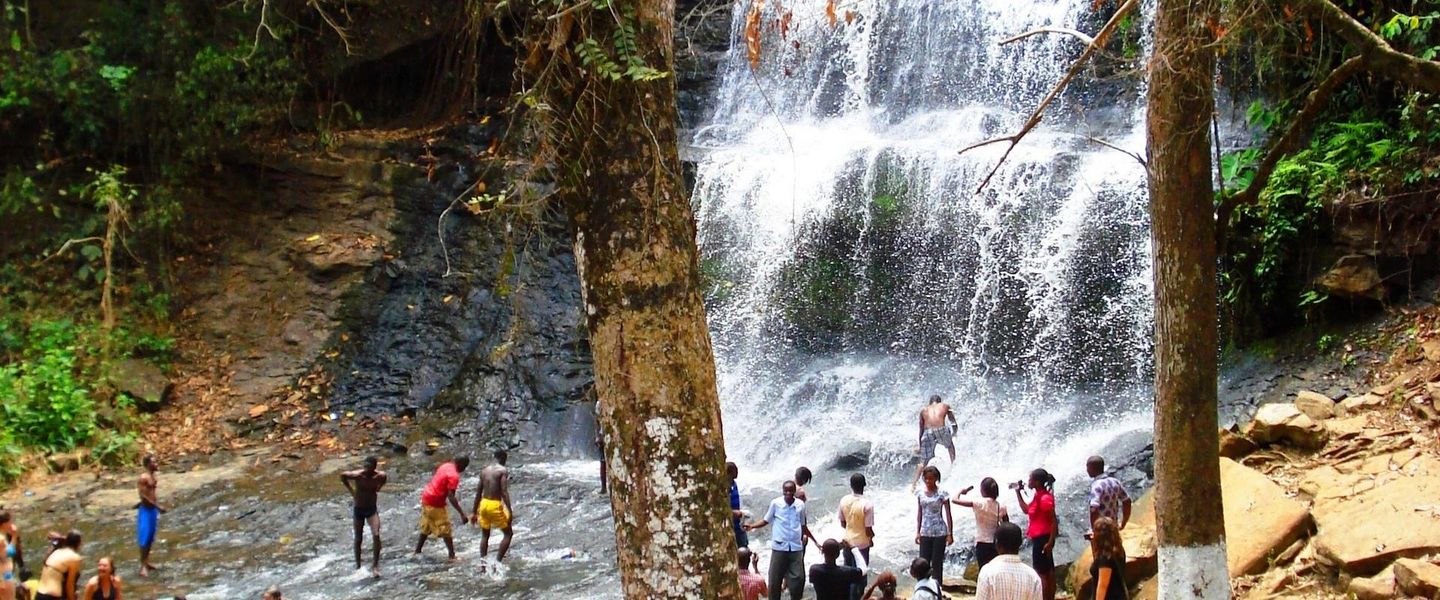
Bono Region, Ghana Travel Guide
Explore the rich culture, stunning landscapes, and vibrant traditions of Ghana's Bono Region, a hidden gem offering unforgettable adventures and serene escapes.
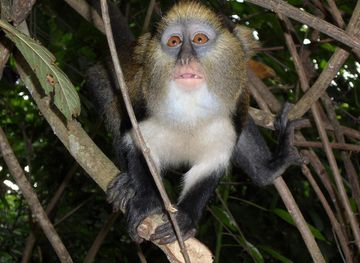
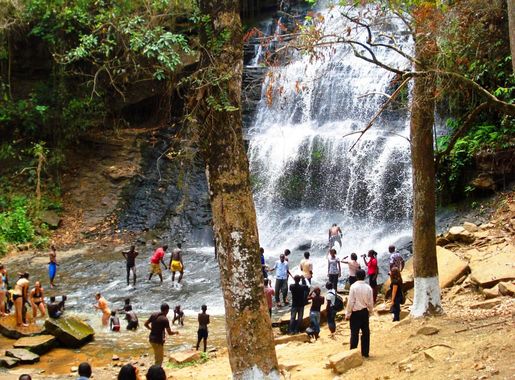
Nestled in the heart of Ghana, the Bono Region is a captivating destination that offers a blend of natural beauty, rich cultural heritage, and vibrant local traditions. Known for its lush landscapes and serene environment, the region is a paradise for nature lovers and those seeking a tranquil escape from the hustle and bustle of city life. The Bono Region is home to some of Ghana's most stunning natural attractions, including the Bui National Park, which boasts a diverse range of wildlife and the picturesque Bui Dam on the Black Volta River. Visitors can enjoy guided safaris, bird watching, and boat rides that reveal the breathtaking beauty of the park. Beyond its natural allure, the Bono Region is steeped in history and culture. The ancient Bono Manso, once a flourishing trade center, offers a glimpse into the rich past of the Bono people. The vibrant traditional festivals, such as the Apoo Festival, bring the community together in a celebration of heritage, music, and dance. Tourists have the opportunity to immerse themselves in the local culture, visiting traditional villages, engaging with the friendly locals, and witnessing the intricate Kente weaving process—a craft that has been passed down through generations. The region's capital, Sunyani, is a charming town with a warm and welcoming atmosphere. It serves as a convenient base for exploring the surrounding attractions, including the Kintampo Waterfalls and the sacred Boabeng-Fiema Monkey Sanctuary. Sunyani also offers modern amenities, with a range of accommodations, restaurants, and markets where visitors can sample delicious local cuisine and purchase unique souvenirs. Whether you are an adventure seeker, a history enthusiast, or simply looking to unwind, the Bono Region promises an unforgettable experience that will leave you with lasting memories of Ghana's hidden gem.

Know before you go
Hi, I'm Eve. Here are a few practical things to know before exploring Bono Region.
- Plan your visit during the Apoo Festival (March-April) to experience vibrant local traditions.
- Wear comfortable shoes for exploring the natural parks and waterfalls.
- Bring binoculars for bird watching, especially in Bui National Park.
- Try local dishes like fufu and light soup at Sunyani's markets.
- Hire a local guide for a more enriching visit to historical sites like Bono Manso.
Top City Travel Guides in Bono Region
The cities of Bono Region, and the easiest places to base yourself.

Destinations in Bono Region
Resorts, valleys and scenic spots worth a trip of their own.
Explore Bono Region: Things to Do, Places to Eat, Hotels & More
Handpicked recommendations for top attractions, local dining, accommodations, and more

Top Attractions & Sightseeing in Bono Region
Top-rated picks
Best Attractions

Bui National Park
Explore the breathtaking landscapes and diverse wildlife of Bui National Park in Ghana, a perfect haven for adventure and nature lovers.

Boabeng Fiema Monkey sanctuary - Information center
Explore the Boabeng Fiema Monkey Sanctuary, a serene nature preserve in Ghana, home to playful monkeys and breathtaking natural beauty.

Krokosue Forest Reserve
Explore the enchanting Krokosue Forest Reserve, a serene national forest in Sayerano, Ghana, rich in wildlife and breathtaking landscapes.

Nwoase
Immerse yourself in the vibrant culture and traditions at Nwoase Festival in Ofuman, Ghana, where heritage comes alive in a lively celebration.

Best landmarks in Bono Region
Top-rated picks
Best Landmarks

Eusbett Hotel
Experience unparalleled comfort and cultural richness at Eusbett Hotel, the premier destination for travelers in Sunyani, Ghana.

Tyco City Hotel
Experience the vibrant culture and comfort at Tyco City Hotel in Sunyani, the heart of Ghana's beautiful landscape.

komfo Anokye Sword Site
Explore the Komfo Anokye Sword Site in Kumasi, a historical gem revealing the rich cultural tapestry of the Asante Empire.

Busua Beach Resort
Busua Beach Resort: A serene coastal getaway in Dixcove, Ghana, offering luxury accommodations, stunning beach views, and a taste of local culture.

Best restaurants in Bono Region
Top-rated picks
Best Restaurants

Sweet Touch Restaurant And Bar
Experience delicious local flavors and international cuisine at Sweet Touch Restaurant And Bar in Sunyani - A true taste of Ghana.

Mandela Restaurant
Savor authentic Ghanaian cuisine at Mandela Restaurant in Sunyani - a true taste of local flavors and hospitality.

Falls Rest Stop Restaurant
Experience authentic Ghanaian cuisine at Falls Rest Stop Restaurant in Kintampo - where every meal tells a story.

Esbak Kitchen
Discover the flavors of Ghana at Esbak Kitchen - where local meets continental in a delightful dining experience.

Best bars in Bono Region
Top-rated picks
Best Bars

Drop Inn bar and restaurant
Experience the vibrant culture of Sunyani at Drop Inn Bar and Restaurant, where delicious local cuisine meets a lively atmosphere.

Dreamers Joint
Experience the vibrant nightlife at Dreamers Joint, a lively bar in Sunyani offering a welcoming atmosphere and a diverse drink selection.
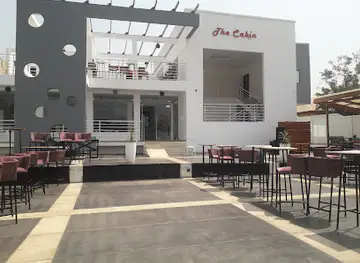
the cabin lounge
Experience the unique flavors of Sunyani at The Cabin Lounge, where grilled specialties and a cozy atmosphere come together.
Ole Bar And Restaraunt
Discover the lively Ole Bar And Restaurant in Sunyani, where vibrant atmosphere meets delicious local and international cuisine.

Best nightclubs in Bono Region
Top-rated picks
Best Nightclubs

Dreamers Joint
Experience vibrant nightlife at Dreamers Joint, the perfect bar in Sunyani for locals and tourists to unwind over refreshing drinks and live music.

Jokers Pub
Discover the vibrant atmosphere of Jokers Pub in Fiapre, where cool drinks and local culture blend in a lively pub experience.

the cabin lounge
Experience the best of Ghanaian grilling at The Cabin Lounge, where flavor meets hospitality in Sunyani.

Groovy’s
Experience Sunyani's vibrant nightlife at Groovy's, a lively bar offering a diverse drink menu and an energetic atmosphere for all.

Best shops in Bono Region
Top-rated picks
Best Shops

WIS G HAIRCUT
Experience top-notch grooming at WIS G HAIRCUT, where style meets comfort in a friendly atmosphere, perfect for tourists seeking a fresh look.

Thursday Market
Discover the lively Thursday Market in Berekum, a vibrant hub of local culture, crafts, and culinary delights that encapsulates the spirit of Ghana.

Elvis Phones And Accessories
Discover the latest in mobile technology at Elvis Phones and Accessories in Seikwa, a cultural hub for both locals and tourists.

Franko Trading
Explore a wide range of electronics in Berekum's Franko Trading, where innovation meets exceptional service and local culture.

Explore Bono Region on the Map
A handpicked selection of must-see spots in Bono Region, mapped for you.
Bono Region Essentials
-
Bono Region is located in central Ghana. The nearest major airport is Kotoka International Airport in Accra, approximately 400 kilometers away. From Accra, you can take a domestic flight to Sunyani Airport, which is the main airport in Bono Region. Alternatively, you can travel by road from Accra to Sunyani, which typically takes around 6 to 7 hours. Buses and shared taxis (trotros) are available for this journey.
-
Within Bono Region, transportation options include taxis, minibuses (trotros), and motorbikes (okada). Taxis are readily available in Sunyani and other major towns. Trotros are a common and affordable means of transport for longer distances between towns and villages. If you prefer more flexibility, renting a car is also an option. However, be aware that road conditions can vary, especially in rural areas.
-
The official currency in Ghana is the Ghanaian Cedi (GHS). Credit and debit cards are accepted in major hotels, restaurants, and some shops in Sunyani, but it is advisable to carry cash, especially when traveling to smaller towns and villages. ATMs are available in Sunyani and other major towns. It is recommended to withdraw sufficient cash before traveling to more remote areas.
-
Bono Region is generally safe for tourists. However, as with any travel destination, it is important to take standard precautions. Avoid walking alone at night in unfamiliar areas and be vigilant with your belongings in crowded places. There are no specific high-crime areas targeting tourists, but it is always best to stay aware of your surroundings. Petty theft can occasionally occur, so keep your valuables secure.
-
In case of emergency, dial 191 for police assistance and 193 for medical emergencies. The main hospital in the region is the Sunyani Regional Hospital. It is recommended to have travel insurance that covers medical emergencies. For minor health issues, there are pharmacies in Sunyani and other towns where you can purchase over-the-counter medications.
-
Fashion: Do dress modestly, especially when visiting religious sites and rural areas. Avoid wearing revealing clothing. Religion: Do respect local customs and traditions. Always ask for permission before taking photos of religious ceremonies. Public Transport: Do be respectful and give up your seat to elderly passengers. Don’t eat or drink on public transport. Greetings: Do greet people with a handshake and a smile. It is also polite to inquire about someone's well-being before starting a conversation. Eating & Drinking: Do try local delicacies and accept food offerings graciously. Don't refuse hospitality, as it is considered impolite.
-
To experience Bono Region like a local, visit the vibrant Sunyani market where you can buy fresh produce and traditional crafts. Engage with locals; they are often friendly and willing to share stories about their culture and history. Don't miss visiting the Kintampo Waterfalls and the Boabeng-Fiema Monkey Sanctuary. For an authentic experience, attend a traditional festival such as the Apoo Festival, celebrated in Techiman.
When is the best time to visit Bono Region?
Useful Local Phrases for Bono Region
You don't need to speak the language perfectly. Even learning a few simple words can make conversations warmer—and locals usually appreciate the effort.
— Eve

Here are the phrases I use most often in Bono Region. Try a few—you'll be surprised how far they go! 😊
❤️
-
- HelloNante yie
[Nahn-teh yee-eh] - GoodbyeNante yie
[Nahn-teh yee-eh] - YesAane
[Ah-neh] - NoDabi
[Dah-bee] - Please/You're welcomeMepa wo kyɛw
[Meh-pah woh cheh] - Thank youMedase
[Meh-dah-seh] - Excuse me/SorryKafra
[Kah-frah] - How are you?Ɛte sɛn?
[Eh-teh sen] - Fine. And you?Me ho yɛ, na wo nso?
[Meh ho yeh, nah woh nso] - Do you speak English?Wopɛ sɛ woka Borɔfo?
[Woh-peh seh woh-kah Boh-roh-foh] - I don't understandMente ase
[Men-teh ah-seh]
- HelloNante yie
-
- I'd like to see the menu, pleaseMepɛ sɛ mehu mmerɛ neɛ, mepa wo kyɛw
[Meh-peh seh meh-hoo meh-reh neh, meh-pah woh cheh] - I don't eat meatMente mmoa
[Men-teh mm-oh-ah] - Cheers!Nante yie!
[Nahn-teh yee-eh] - I would like to pay, pleaseMepɛ sɛ mɛtua ka, mepa wo kyɛw
[Meh-peh seh meh-twah kah, meh-pah woh cheh]
- I'd like to see the menu, pleaseMepɛ sɛ mehu mmerɛ neɛ, mepa wo kyɛw
-
- Help!Yɛbɛ boa!
[Yeh-beh boh-ah] - Go away!Kɔ akyirikyiri!
[Koh ah-kee-ree-kee-ree] - Call the Police!Frɛ ɔmanpanyin!
[Freh oh-mahn-pah-nyin] - Call a doctor!Frɛ dɔkita!
[Freh doh-kee-tah] - I'm lostMeda hɔ ara
[Meh-dah hoh ah-rah] - I'm illMeda yare
[Meh-dah yah-reh]
- Help!Yɛbɛ boa!
-
- I'd like to buy...Mepɛ sɛ meyɛ adwuma...
[Meh-peh seh meh-yay ah-joo-mah] - I'm just lookingMerehwɛ nko
[Meh-reh-hweh n-koh] - How much is it?Ɛyɛ sɛn?
[Eh-yeh sen] - That's too expensiveƐyɛ dɔɔso
[Eh-yeh doh-oh-soh] - Can you lower the price?Wobɛtumi asɛe ka no?
[Woh-beh-too-mee ah-seh eh kah noh]
- I'd like to buy...Mepɛ sɛ meyɛ adwuma...
-
- What time is it?Ɛhe na ɛyɛ berɛ bɛn?
[Eh-heh nah eh-yeh beh-reh behn] - It's one o'clockƐyɛ dɔnhwere baako
[Eh-yeh doh-n-hweh-reh bah-koh] - Half past (10)Abatoɔ mmienu
[Ah-bah-toh mee-eh-noo] - MorningAnɔpa
[Ah-noh-pah] - AfternoonAwia
[Ah-wee-ah] - EveningAnadwo
[Ah-nah-dwoh] - YesterdayNnɛda
[Neh-dah] - TodayƐnnɛ
[Eh-neh] - TomorrowƐbɛyɛ da
[Eh-beh-yeh dah] - 1Baako
[Bah-koh] - 2Mmienu
[Mee-eh-noo] - 3Mmienu
[Mee-eh-nin] - 4Nan
[Nahn] - 5Nnan
[Nnahn] - 6Nsia
[Nsee-ah] - 7Nson
[Nsohn] - 8Nwɔn
[Nwoh-n] - 9Nkyɛn
[Nkyen] - 10Dɔkɔ
[Doh-koh]
- What time is it?Ɛhe na ɛyɛ berɛ bɛn?
-
- Where's a/the...?Ɛhe na ...?
[Eh-heh nah ...?] - What's the address?Dɛn na adwuma no yɛ?
[Den nah ah-joo-mah noh ye] - Can you show me (on the map)?Wobɛtumi akyerɛ me (wɔ mapa no so)?
[Woh-beh-too-mee ah-cheh-reh meh (woh mah-pah noh soh)?] - When's the next (bus)?Nnɛ na ɔkwan no bɛba?
[Neh-neh nah oh-kwan noh beh-bah?] - A ticket (to ....)Kɔtɔɔ (kɔ ....)
[Koh-toh-oh (koh ....)]
- Where's a/the...?Ɛhe na ...?
History of Bono Region
-
The Bono Region, once known as the Bono Kingdom, is believed to have been established in the 14th century. The Bono people, known for their rich cultural heritage, were among the earliest Akan groups to settle in what is now modern-day Ghana. They established their capital at Bono Manso, which became a significant center for trade and culture.
-
During the 15th and 16th centuries, the Bono State rose to prominence due to its strategic location and flourishing trade. The Bono people engaged in extensive trade with their northern neighbors and the trans-Saharan trade routes. Gold, kola nuts, and other goods were exchanged, contributing to the region's wealth and influence.
-
Bono Manso, the capital of the Bono Kingdom, served as a major trading hub and political center. The town was fortified and became known for its impressive architecture and bustling marketplaces. It also housed the royal palace, where the Bono kings, or 'Omanhene,' ruled and held court. The town's significance in trade and politics made it a focal point in the region.
-
In the late 17th century, the Bono Kingdom faced challenges from the rising Ashanti Empire. The Ashanti, seeking to expand their territory and control over trade routes, launched a series of military campaigns against the Bono. By the early 18th century, the Bono Kingdom was incorporated into the Ashanti Empire, marking a significant shift in the region's political landscape.
-
With the advent of European colonialism in the late 19th century, the Bono Region, like much of Ghana, came under British control. The British established administrative structures and introduced new economic policies that impacted the traditional way of life. Despite these changes, the Bono people retained much of their cultural heritage and continued to celebrate their customs and traditions.
-
Following Ghana's independence in 1957, the Bono Region experienced significant changes. The region was initially part of the Brong-Ahafo Region until it was officially designated as the Bono Region in 2018. Today, the region is known for its vibrant culture, diverse communities, and contributions to Ghana's agricultural and economic sectors.
-
The Bono Region is renowned for its rich cultural festivals and traditions. One of the most notable is the Akwasidae Festival, celebrated by the Bono people to honor their ancestors and the Ashanti king. Traditional music, dance, and rituals are performed, showcasing the region's deep-rooted cultural heritage. The Bono people also celebrate other important festivals such as the Kwafie Festival, which marks the harvest season and the New Year.
Neighbouring Regions of Bono Region
The closest regions to Bono Region, if you have time for more than one.



Your all‑in‑one travel companion app
Explore expert travel guides, compare and book tours, experiences, hotels, and more—all from the palm of your hand. Download now for seamless trip planning wherever your wanderlust takes you.


Explore More of Ghana

Looking beyond Bono Region? Discover Ghana for broader travel guides, local hot-spots, and regional highlights.
Explore GhanaBono Region in Photos
Browse through our photo collection highlighting the charm and character of the destination.


Bono Region: Ghana's Hidden Gem of Natural Beauty and Rich Culture
Nestled in the heart of Ghana, the Bono Region is a captivating destination that offers a blend of natural beauty, rich cultural heritage, and vibrant local traditions. Known for its lush landscapes and serene environment, the region is a paradise for nature lovers and those seeking a tranquil escape from the hustle and bustle of city life. The Bono Region is home to some of Ghana's most stunning natural attractions, including the Bui National Park, which boasts a diverse range of wildlife and the picturesque Bui Dam on the Black Volta River. Visitors can enjoy guided safaris, bird watching, and boat rides that reveal the breathtaking beauty of the park. Beyond its natural allure, the Bono Region is steeped in history and culture. The ancient Bono Manso, once a flourishing trade center, offers a glimpse into the rich past of the Bono people. The vibrant traditional festivals, such as the Apoo Festival, bring the community together in a celebration of heritage, music, and dance. Tourists have the opportunity to immerse themselves in the local culture, visiting traditional villages, engaging with the friendly locals, and witnessing the intricate Kente weaving process—a craft that has been passed down through generations. The region's capital, Sunyani, is a charming town with a warm and welcoming atmosphere. It serves as a convenient base for exploring the surrounding attractions, including the Kintampo Waterfalls and the sacred Boabeng-Fiema Monkey Sanctuary. Sunyani also offers modern amenities, with a range of accommodations, restaurants, and markets where visitors can sample delicious local cuisine and purchase unique souvenirs. Whether you are an adventure seeker, a history enthusiast, or simply looking to unwind, the Bono Region promises an unforgettable experience that will leave you with lasting memories of Ghana's hidden gem.