

Free Eastern Region Travel Guide & Mobile App
Explore Eastern Region with free travel guides. Discover regional history, expert tips, proposed trips, and audio guides on web or mobile app.


Explore Ghana’s Eastern Region for forested hills, cocoa heritage, waterfalls, bead craft, Lake Volta and the engineering landmark of Akosombo Dam.
Read more about Eastern Region
When is the best time to visit Eastern Region?
Best: December–February · 31–32°C| Month | High (°C) | Rainfall (mm) |
|---|---|---|
| January (best) | 31 | 30 |
| February (best) | 32 | 40 |
| March | 32 | 60 |
| April | 32 | 90 |
| May | 32 | 120 |
| June | 31 | 140 |
| July | 31 | 150 |
| August | 31 | 150 |
| September | 31 | 140 |
| October | 31 | 120 |
| November | 32 | 70 |
| December (best) | 31 | 40 |
Getting to and around Eastern Region
How to get there
Transportation
Top city travel guides in Eastern Region
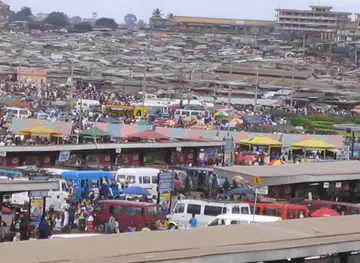
The cities of Eastern Region, and the easiest places to base yourself.
-

-
-

-


Swipe for more cities
Destinations in Eastern Region
Resorts, valleys and scenic spots worth a trip of their own.
-

-

-

-

-

-


Swipe for more destinations
Best attractions in Eastern Region
Eastern Region’s attractions are spread across several contrasting landscapes. Around Aburi and the Akuapem hills, visitors can combine the Aburi Botanical Gardens with viewpoints, historic settlements and the Tetteh Quarshie cocoa farm at Mampong. Near Koforidua, Boti Falls and Umbrella Rock make a rewarding guided excursion through a forested setting, particularly when seasonal rainfall has strengthened the falls. The experience is more about walking, geology and local interpretation than polished visitor infrastructure. Around Somanya and Odumase-Krobo, bead workshops offer insight into a living craft tradition, with opportunities to see recycled-glass beads made and finished by hand. The Kwahu hills provide elevated scenery and seasonal outdoor activity, while Akosombo opens onto Lake Volta, where boating, fishing and lakeside relaxation are central attractions. The dam itself is an important piece of modern infrastructure, although access arrangements can vary. Across the region, rural markets, farms, churches, traditional areas and roadside food stops add cultural context to a route that is best explored by linking several short excursions.
-
Tourist attraction
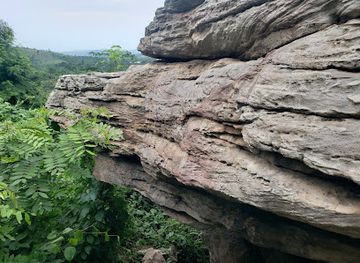
Umbrella Rock Asifaw
Experience the breathtaking beauty of Umbrella Rock Asifaw, a natural wonder in Koforidua, Ghana, perfect for adventure seekers and nature lovers alike.
-
Tourist attraction
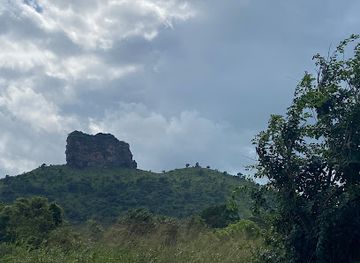
Bruku Rock
Experience the breathtaking beauty and adventure of Bruku Rock in Ahinasi, Ghana - a must-visit tourist attraction for thrill-seekers.
-
Park
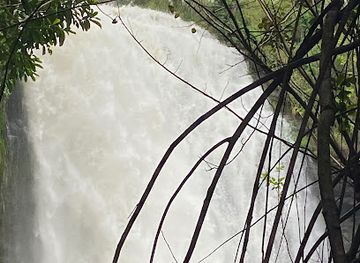
Oworobong Waterfall 1 and 2
Explore the enchanting Oworobong Waterfall in Framasi, Ghana, where nature's beauty meets tranquility amidst stunning cascades.
-
 Tourist attraction
Homeland Exploration Tours
Experience the breathtaking beauty of Boti Falls in Koforidua, a serene escape with stunning waterfalls, hiking trails, and rich cultural heritage.
Best landmarks in Eastern Region
Akosombo Dam is Eastern Region’s defining modern landmark, a vast concrete structure on the Volta River whose construction created Lake Volta and helped shape Ghana’s post-independence industrial ambitions. Near Atimpoku, the Adomi Bridge crosses the Volta and forms a prominent part of the road approach to the lake country. In the Akuapem hills, the Aburi Botanical Gardens is notable not only for its plant collections but also for its elevated colonial-era landscape and long association with botanical study. Mampong’s Tetteh Quarshie cocoa farm represents the agricultural history that made cocoa central to Ghana’s economy. Boti Falls and Umbrella Rock are natural landmarks whose appeal lies in their unusual rock formations, wooded setting and connection to local excursion traditions. In the Krobo area, bead-making workshops are cultural landmarks in a broader sense: their importance rests not on monumental architecture but on the continuity of a distinctive craft economy. The hills around Kwahu provide a further landmark landscape, with escarpments and high viewpoints that contrast sharply with the lowlands and the broad waters of Lake Volta.
-
Tourist attraction
Abetifi Stone Age Park
Explore the ancient past at Abetifi Stone Age Park, where history meets breathtaking natural beauty in Ghana's scenic landscapes.
-
Historical landmark
Asuogyaman, Eastern, Ghana
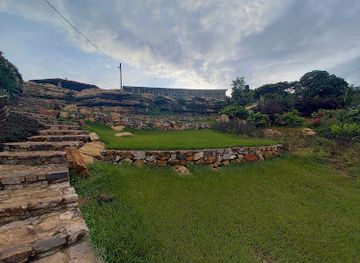
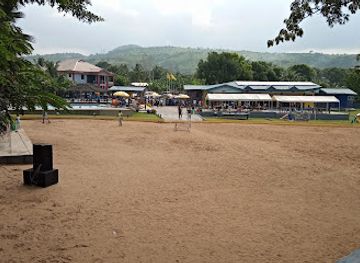
Discover the rich historical heritage and stunning landscapes of Asuogyaman, Eastern Ghana, where culture and nature beautifully intertwine.
Explore Eastern Region on the map
Plan your trip on one map. See where the top cities, national parks and sights are, and book hotels and experiences in a few clicks.
Best hotels in Eastern Region
Best restaurants in Eastern Region
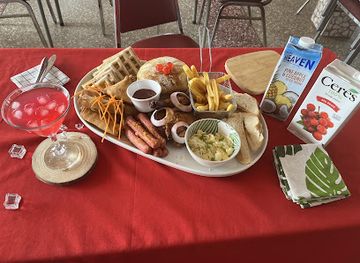
Dining in Eastern Region is rooted in Ghanaian home-style cooking, market food and roadside grills rather than a single distinctive regional cuisine. Koforidua and Akosombo offer the broadest choice of restaurants, cafés and hotels, while smaller towns and rural stops are more likely to specialise in filling local meals. Expect banku with pepper and fish, fufu with soup, tuo zaafi in some establishments, waakye, rice dishes, fried plantain, yam, grilled chicken and tilapia, with availability shaped by season and locality. Freshwater fish is particularly associated with the Volta basin, while plantain, cassava, palm products, fruit and cocoa reflect the agricultural landscape. Chop bars provide informal, inexpensive meals; pubs and restaurants may add continental dishes for travellers. At markets, food is generally ordered according to what has been prepared that day, so early or lunchtime visits provide the widest choice. Wash produce carefully and choose busy food stalls where turnover is high.
-
Restaurant
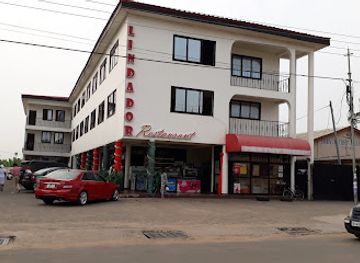
Linda Dor Main Restaurant, Koforidua
Discover delicious local and international cuisine at Linda Dor Main Restaurant in Koforidua - perfect for food lovers seeking an authentic dining experience.
-
Chop bar
Abosuo Chop Bar
Savor the essence of Ghana at Abosuo Chop Bar - a delightful experience of authentic local cuisine in Koforidua.
-
Restaurant
Daniella Restaurant
Experience the best of local and international flavors at Daniella Restaurant in Kade – where every meal is a celebration.
-
Restaurant
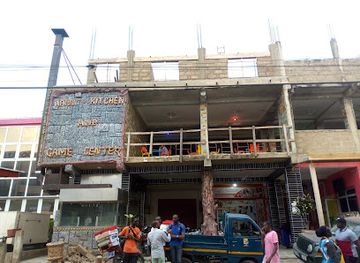
Harry's Kitchen
Experience authentic Ghanaian flavors at Harry's Kitchen in Koforidua - where culinary delights meet warm hospitality.
Best bars in Eastern Region
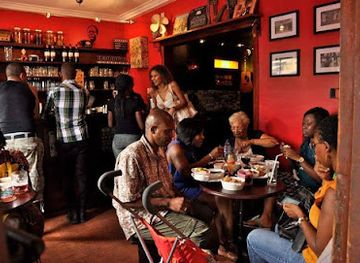
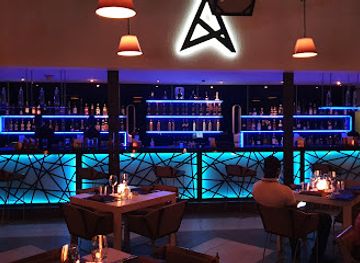
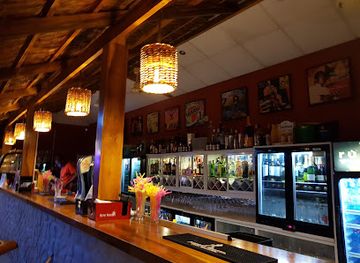
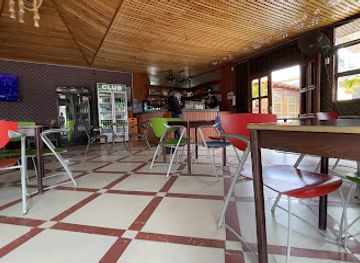
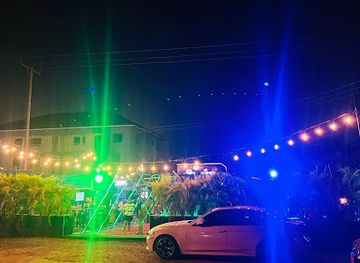
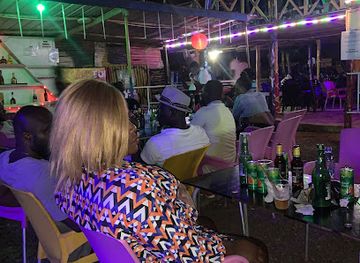
Evening life in Eastern Region is concentrated in Koforidua, Akosombo and other larger towns, with traditional drinking spots, hotel lounges, restaurants and music-led venues more prominent than a large nightclub circuit. Koforidua has the widest urban choice, including casual bars and places playing Ghanaian popular music, while Akosombo’s hotels and lakeside establishments cater to visitors staying near the Volta. In smaller communities, evenings commonly centre on outdoor drinking spots, food vendors, church or community events and locally popular music rather than late-night entertainment. The Kwahu hills become exceptionally busy around Easter, when outdoor celebrations and music attract visitors from across Ghana, but this is a seasonal surge rather than a permanent nightlife scene. Drink responsibly, arrange transport before going out in rural areas and avoid assuming that a venue’s hours or programme are fixed year-round.
-
Grill
The Republic Bar & Grill
Experience the vibrant flavors of Accra at The Republic Bar & Grill, where grilled delights meet refreshing cocktails in a lively atmosphere.
-
Bar
Sky Bar 25 Restaurant and Bar
Discover the perfect blend of stunning views, gourmet dining, and vibrant nightlife at Sky Bar 25 in Accra.
-
Bar
The Gold Coast Restaurant & Cocktail Bar
Discover the fusion of local flavors and international cuisine at The Gold Coast Restaurant & Cocktail Bar in Accra, a must-visit for culinary adventurers.
-
Grill
Dadi's Bar
Experience the lively spirit of Koforidua at Dadi's Bar, where delicious grills and live music create unforgettable moments.
Best nightclubs in Eastern Region
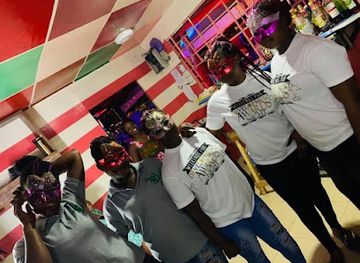
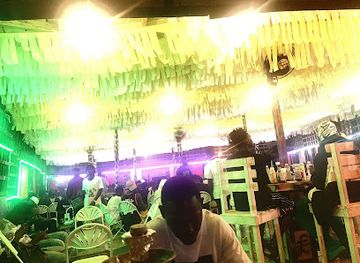
Evening life in Eastern Region is concentrated in Koforidua, Akosombo and other larger towns, with traditional drinking spots, hotel lounges, restaurants and music-led venues more prominent than a large nightclub circuit. Koforidua has the widest urban choice, including casual bars and places playing Ghanaian popular music, while Akosombo’s hotels and lakeside establishments cater to visitors staying near the Volta. In smaller communities, evenings commonly centre on outdoor drinking spots, food vendors, church or community events and locally popular music rather than late-night entertainment. The Kwahu hills become exceptionally busy around Easter, when outdoor celebrations and music attract visitors from across Ghana, but this is a seasonal surge rather than a permanent nightlife scene. Drink responsibly, arrange transport before going out in rural areas and avoid assuming that a venue’s hours or programme are fixed year-round.
-
Disco club
Berth Weekend Pub
Unleash your spirit at Berth Weekend Pub, Dodowa's premier disco club, where vibrant nights and unforgettable memories await.
-
Pub
Rumors Pub
Discover the lively spirit of Koforidua at Rumors Pub, where great drinks and unforgettable nights come together in a vibrant atmosphere.
-
Lounge
Kekro lounge
Experience the vibrant atmosphere of Kekro Lounge in Koforidua, where local flavors and friendly service create unforgettable memories.
-
Pub
Chairman's Lounge
Discover Chairman's Lounge in Kpando, a vibrant pub offering delicious food, refreshing drinks, and live entertainment in a cozy setting.
Best shops in Eastern Region
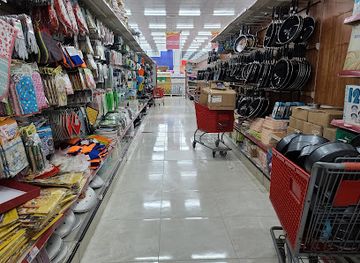
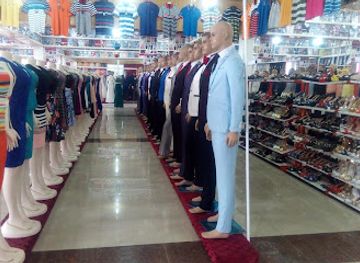
Shopping in Eastern Region is strongest in Koforidua’s markets and high streets, where visitors can find clothing, household goods, fruit, spices and prepared foods alongside everyday Ghanaian commerce. The region’s most distinctive purchases are Krobo glass beads, available through workshops and specialist sellers around Somanya and Odumase-Krobo. They range from simple strands to carefully patterned pieces used for fashion, gifts and ceremonial purposes; ask about materials and production rather than treating all beads as identical souvenirs. Aburi and other hill communities may offer woodwork, woven goods, plants and locally produced food, although selection varies by location and season. Cocoa products, dried foods, honey and regional produce can also make practical gifts when properly packaged. Markets are generally the best place to observe local trade, while craft workshops provide a more direct way to support makers. Bargaining may be customary for some goods but is not appropriate everywhere, so ask the seller and agree the price clearly before completing a purchase.
-
Shopping mall
Achimota Mall
Discover a vibrant shopping experience at Achimota Mall in Accra, offering diverse shopping, dining, and entertainment options for all.
-
Shopping mall
Palace Mall
Explore Palace Mall in Accra: a vibrant shopping and dining destination blending local and international experiences.
-
Boutique
Excellence boutique Head office
Explore Excellence Boutique in Accra for unique fashion pieces that celebrate local craftsmanship and vibrant Ghanaian culture.
-
Gift shop
The Shop Accra
Explore the heart of Accra at The Shop Accra, where unique gifts and local craftsmanship come together for an unforgettable shopping experience.

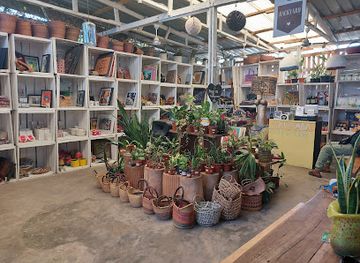
Get your free copy of our complete guide to Eastern Region, delivered straight to you.
Everything on this page, from attractions and restaurants to essentials and local phrases, in one PDF you can read offline, print or share.
Already have an account? Sign in
Your Eastern Region guide is ready.
We'll send it to · Not you? Sign out

Getting your guide ready…
We are putting together a fresh copy of the Eastern Region guide. This can take up to a minute.
This can take a few moments. If your browser asks, choose Allow so the download can start. You'll find the guide in your Downloads folder.
Nothing happened? Download it again
Sorry, the guide is taking longer than usual. Please try again in a minute, or get it by email instead.
Eastern Region essentials
Currency and Payment
Safety
Emergency Situations
Do's and Don'ts
Local Tips
From Eve
Local phrases worth knowing
You don't need to get them perfect. A few words go a long way, and locals appreciate the effort.
Basics
| English | Local | Say it |
|---|---|---|
| Hello | Akwabaa | [ah-kwa-ba] |
| Goodbye | Nante yie | [nan-teh yee-eh] |
| Yes | Aane | [ahn-eh] |
| No | Daabi | [dah-bee] |
| Please/You're welcome | Mepa wo kyɛw | [meh-pah woh cheh] |
| Thank you | Medase | [meh-dah-seh] |
| Excuse me/Sorry | Kafra | [kah-frah] |
| How are you? | Wo ho te sɛn? | [woh ho teh sen] |
| Fine. And you? | Me ho yɛ, na wo nso? | [meh ho yeh, nah woh nso] |
| Do you speak English? | Wokasa Borɔfo? | [woh-kah-sah boh-roh-foh] |
| I don't understand | Mente ase | [men-teh ah-seh] |
Eating & Drinking
| English | Local | Say it |
|---|---|---|
| I'd like to see the menu, please | Mepɛ sɛ mehwɛ menu no | [meh-peh seh meh-hweh meh-noo noh] |
| I don't eat meat | Mente nnuan | [men-teh noo-ahn] |
| Cheers! | Nante yie! | [nan-teh yee-eh] |
| I would like to pay, please | Mepɛ sɛ mɛtua ka | [meh-peh seh meh-twah kah] |
Emergencies
| English | Local | Say it |
|---|---|---|
| Help! | Boa me! | [boh-ah meh] |
| Go away! | Kɔ fi ha! | [koh fee hah] |
| Call the Police! | Frɛ ɔmanpanyin no! | [fre oh-man-pah-nyin noh] |
| Call a doctor! | Frɛ dɔkita! | [fre doh-kee-tah] |
| I'm lost | Meda hɔ no | [meh-dah ho noh] |
| I'm ill | Meda ɔyare mu | [meh-dah oh-yah-reh moo] |
Shopping
| English | Local | Say it |
|---|---|---|
| I'd like to buy... | Mepɛ sɛ mɛtɔ... | [meh-peh seh meh-toh] |
| I'm just looking | Merehwɛ nko | [meh-reh-hweh n-koh] |
| How much is it? | Ɛyɛ sɛn? | [eh-yeh sen] |
| That's too expensive | Ɛyɛ dɔɔso | [eh-yeh doh-oh-soh] |
| Can you lower the price? | Wobɛtɔ ka no ase? | [woh-beh-taw kah noh ah-seh] |
Time & Numbers
| English | Local | Say it |
|---|---|---|
| What time is it? | Dɛn na ɛyɛ? | [den nah eh-yeh] |
| It's one o'clock | Ɛyɛ ɔha | [eh-yeh oh-hah] |
| Half past (10) | Afe 10 | [ah-feh ten] |
| Morning | Anɔpa | [ah-noh-pah] |
| Afternoon | Awia | [ah-wee-ah] |
| Evening | Anadwo | [ah-nah-dwoh] |
| Yesterday | Ɛnnɛ | [eh-neh] |
| Today | Da no | [dah noh] |
| Tomorrow | Ɛkyɛda | [eh-cheh-dah] |
| 1 | Baako | [bah-koh] |
| 2 | Mmienu | [mee-eh-noo] |
| 3 | Mmienu | [mee-eh-nin] |
| 4 | Nan | [nahn] |
| 5 | Num | [noom] |
| 6 | Nsia | [n-siah] |
| 7 | Nson | [n-sohn] |
| 8 | Nkwan | [n-k-wan] |
| 9 | Nkyɛn | [n-kyehn] |
| 10 | Dɛn | [den] |
Transport & Directions
| English | Local | Say it |
|---|---|---|
| Where's a/the...? | He na ... wɔ? | [heh nah ... woh] |
| What's the address? | Dɛn na ɔkɔ? | [den nah oh-koh] |
| Can you show me (on the map)? | Wobɛda me ho adi (wɔ map no)? | [woh-beh-dah meh ho ah-dee (woh map noh)] |
| When's the next (bus)? | Bɛn na ɔbɛba (bus no)? | [ben nah oh-beh-bah (bus noh)] |
| A ticket (to ....) | Dɔkita (kɔ ...) | [doh-kee-tah (koh ...)] |
History of Eastern Region
Early Akan and Guan Settlements
The hills and forest zones of present-day Eastern Region have long been inhabited by Akan and Guan-speaking communities. Political organisation developed through states and traditional areas including Akuapem, Akyem Abuakwa, Akyem Kotoku and Krobo. Their histories were shaped by farming, trade, migration and relationships with neighbouring powers. Traditional authorities and stools remain important cultural institutions, and festivals, language, court traditions and settlement patterns continue to reflect these older political landscapes.
European Trade and Missionary Activity
From the seventeenth century onwards, European commercial and religious activity expanded along the Gold Coast, although the Eastern Region was largely an inland sphere connected to coastal markets by trade routes. Christian missions became increasingly influential in the nineteenth century, particularly in Akuapem. Schools, churches and printing helped create new educational and religious networks, while also interacting with established political authorities and local cultural systems.
The Formation of Akuapem
Akuapem developed as a political formation in the eighteenth century through alliances and conflict involving Guan, Kyerepong and Akan communities in the hills. The area’s strategic position between the coast and inland states made it important to regional trade and diplomacy. Later colonial administration reinforced some chiefly structures while altering others, leaving a complex legacy visible in the traditional areas, historic settlements and cultural institutions of the Akuapem hills.
Tetteh Quarshie and the Rise of Cocoa
The spread of cocoa cultivation became one of the most consequential agricultural changes in the region. Tetteh Quarshie is traditionally credited with bringing cocoa seedlings from Fernando Po, now Bioko in Equatorial Guinea, to the Gold Coast in the late nineteenth century. His farm at Mampong, near the Akuapem hills, is commemorated as an important site in Ghana’s cocoa story. Cocoa later transformed rural economies, land use and export earnings across southern Ghana.
Colonial Rule and Transport Links
British colonial administration incorporated the region into the Gold Coast’s expanding political and economic system. Roads, railways and trading routes linked inland farming districts with Accra, coastal ports and neighbouring territories. Towns such as Koforidua grew as administrative and commercial centres, while agricultural production supplied national and overseas markets. Colonial institutions changed patterns of authority and education without replacing the continuing importance of traditional communities.
The Akosombo Dam and Lake Volta
Construction of the Akosombo Dam on the Volta River began after independence and was completed in the mid-1960s. The project generated hydroelectric power for Ghana’s industrial development and created one of the world’s largest artificial lakes by surface area. It also displaced communities, altered river and fishing economies, and reshaped transport and settlement around the lower Volta. The dam and lake remain central to the region’s modern economic and environmental history.
Modern Craft and Regional Development
In the twentieth and twenty-first centuries, Eastern Region’s economy has continued to combine agriculture, manufacturing, trade, energy, transport and tourism. Krobo bead production has developed into a recognised cultural and commercial craft, while the Kwahu hills and the Volta basin have attracted growing interest in outdoor recreation. Koforidua, Akosombo and other regional centres now connect traditional institutions and rural industries with Ghana’s national markets.
Eastern Region in Photos
Browse through our photo collection highlighting the charm and character of the destination.
Neighbouring regions of Eastern Region
The closest regions to Eastern Region, if you have time for more than one.
-

-

-

-

-


Swipe for more regions
Explore more

Explore more of Ghana
Discover Ghana: A vibrant blend of rich history, stunning landscapes, and warm hospitality in the heart of West Africa.
Explore Ghana