

Ewe, Ghana Travel Guide
Immerse in the vibrant culture, stunning landscapes, and rich history of the Ewe region in Ghana. Explore traditional festivals, natural wonders, and historical landmarks.
Nestled in the southeastern part of Ghana, the Ewe region is a treasure trove of cultural richness and natural beauty. The Ewe people are known for their vibrant traditions, music, dance, and intricate kente weaving. A visit to this region offers tourists an immersive experience into the heart of Ghanaian culture. The traditional festivals, such as the Hogbetsotso, are colorful and filled with historical significance, showcasing the unity and pride of the Ewe people. Beyond the cultural attractions, the Ewe region is blessed with stunning landscapes. The lush greenery, serene beaches, and the majestic Volta River make it a perfect spot for nature lovers. You can explore the Wli Waterfalls, the highest in West Africa, or take a boat ride on the Volta Lake, the largest man-made lake in the world. The region is also home to several wildlife sanctuaries, where you can witness the rich biodiversity of Ghana. For those interested in history, the Ewe region has several historical sites and colonial-era buildings that tell the story of Ghana's past. The forts and castles, some of which are UNESCO World Heritage sites, are reminders of the trans-Atlantic slave trade. Visiting these sites provides a poignant reflection on the region's history and its impact on the world.

Know before you go
Hi, I'm Eve. Here are a few practical things to know before exploring Ewe.
- Visit during the Hogbetsotso festival in November for an unforgettable cultural experience.
- Plan a trip to the Wli Waterfalls early in the morning to avoid crowds and enjoy the serene environment.
- Take a guided tour to understand the historical significance of the forts and castles in the region.
- Try the local cuisine, especially dishes made with fresh fish from the Volta River.
- Carry insect repellent and comfortable walking shoes for nature trails and outdoor activities.
Top City Travel Guides in Ewe
The cities of Ewe, and the easiest places to base yourself.


Destinations in Ewe
Resorts, valleys and scenic spots worth a trip of their own.


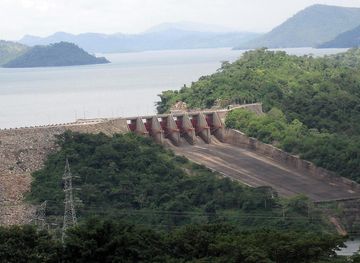

Explore Ewe: Things to Do, Places to Eat, Hotels & More
Handpicked recommendations for top attractions, local dining, accommodations, and more

Top Attractions & Sightseeing in Ewe
Top-rated picks
Best Attractions

National Theatre
Discover the National Theatre in Accra - a cultural landmark showcasing Ghanaian performing arts, theater, and vibrant artistic expressions.

BridgeView Resort
Experience the serene beauty of Akosombo at BridgeView Resort, where relaxation meets adventure in a picturesque Ghanaian landscape.

komfo Anokye Sword Site
Explore the Komfo Anokye Sword Site in Kumasi, a historical landmark symbolizing the Ashanti Kingdom's rich heritage and legendary tales.

Volta River
Explore the breathtaking landscapes and vibrant culture along the stunning Volta River in Ghana, a perfect destination for nature lovers and adventurers.

Best landmarks in Ewe
Top-rated picks
Best Landmarks

National Theatre
Discover the vibrant performing arts scene at the National Theatre in Accra, Ghana, where culture and creativity come to life in stunning performances.

IDARKCONSULT LTD
Explore IDARKCONSULT LTD in Aburi, where modern architecture meets Ghanaian culture in stunning designs and innovative craftsmanship.

Cape Coast Castle
Discover the profound history of Cape Coast Castle, a UNESCO World Heritage Site, and its role in the transatlantic slave trade, offering a poignant glimpse into the past.

Kwame Nkrumah Memorial Park & Mausoleum
Discover the rich history of Ghana at Kwame Nkrumah Memorial Park & Mausoleum, a serene tribute to the nation's founding father in Accra.

Best restaurants in Ewe
Top-rated picks
Best Restaurants

The Buka Restaurant, Osu, Accra
Experience authentic West African cuisine at The Buka Restaurant in Osu, Accra - a true gem for food lovers.

B2B Ghana | Breakfast To Breakfast
Discover authentic Ghanaian flavors at B2B Ghana – a beloved breakfast spot in Accra that serves delicious dishes all day long.
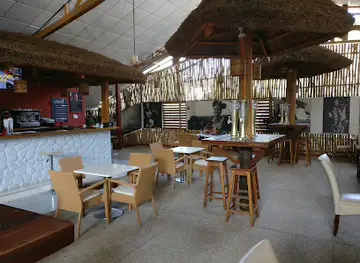
The Gold Coast Restaurant & Cocktail Bar
Discover Accra's culinary gem at The Gold Coast Restaurant & Cocktail Bar - where exquisite seafood meets crafted cocktails in an elegant setting.

Oliver Twist Shack
Discover the flavors of Ghana at Oliver Twist Shack in Accra - where local cuisine meets vibrant nightlife.

Best bars in Ewe
Top-rated picks
Best Bars

The Honeysuckle Pub & Restaurant- Osu
Experience the vibrant flavors of Ghana and international cuisine at The Honeysuckle Pub & Restaurant in Osu, Accra.

The Republic Bar & Grill
Savor the authentic flavors of Ghana at The Republic Bar & Grill, where vibrant culinary experiences and a festive atmosphere await.

+233 Jazz Bar & Grill
Immerse yourself in the vibrant atmosphere of Accra at +233 Jazz Bar & Grill, where live music and delectable cuisine create an unforgettable experience.

Sky Bar 25 Restaurant and Bar
Sky Bar 25: An upscale bar and restaurant in Accra offering stunning views, delicious steaks, and live music for an unforgettable experience.

Best nightclubs in Ewe
Top-rated picks
Best Nightclubs

Twist Night Club
Twist Night Club in Accra: Where the city's vibrant nightlife comes alive with unforgettable music, great service, and an electrifying atmosphere.

Octapuz lounge and night club
Discover the pulse of Accra's nightlife at Octapuz Lounge and Night Club, where unforgettable nights await you.

Kavalli @ Night
Experience the pulse of Accra's nightlife at Kavalli @ Night, where vibrant music and unforgettable moments await.

KRUNA The Club
Immerse yourself in Accra's vibrant nightlife at KRUNA The Club, where unforgettable moments and electrifying music await you.

Best shops in Ewe
Top-rated picks
Best Shops

Woodin Boutique - Osu
Discover vibrant African fashion at Woodin Boutique - Osu, a premier destination for unique clothing and exquisite fabrics in Accra.

Wli Waterfalls main office
Discover the breathtaking Wli Waterfalls in Ghana, a stunning natural gem surrounded by lush landscapes and rich biodiversity.
Chances hotel
Discover the charm of Ho, Ghana at Chances Hotel, a perfect blend of comfort and local culture for every traveler.

Excellence boutique Head office
Discover the essence of Ghanaian fashion at Excellence Boutique in Accra, where style meets quality.

Explore Ewe on the Map
A handpicked selection of must-see spots in Ewe, mapped for you.
Ewe Essentials
-
Ewe is located in the southeastern part of Ghana, near the border with Togo. The nearest international airport is Kotoka International Airport in Accra, the capital city of Ghana. From Accra, you can take a domestic flight to Ho, which is the nearest city to Ewe. Alternatively, you can travel by road; the journey by car or bus from Accra to Ewe typically takes about 3-4 hours depending on traffic conditions. There are also regular bus services from major cities like Accra and Kumasi to Ho, where you can then take a taxi or local transport to your final destination in Ewe.
-
Ewe and its surrounding areas are well-connected by a network of roads. For local travel, shared taxis and minibuses (known as 'trotros') are the most common forms of transportation and are very affordable. If you prefer more comfort and privacy, private taxis are available but make sure to negotiate the fare before starting your journey. For exploring the region at your own pace, renting a car is also an option. Bicycles can be rented in some areas for short trips and to enjoy the scenic landscape.
-
The official currency in Ghana is the Ghanaian Cedi (GHS). Credit cards are accepted in some hotels, restaurants, and larger shops, but it is advisable to carry cash, especially in smaller establishments and rural areas. ATMs are available in Ho and other major towns, but it's wise to withdraw sufficient cash before heading to smaller villages. Mobile money services are also widely used and can be a convenient way to make payments.
-
Ewe is generally a safe destination for tourists. However, like any other travel destination, it is important to take standard precautions. Avoid walking alone at night in unfamiliar areas and keep an eye on your belongings in crowded places. While there are no specific high-crime areas targeting tourists, it is always best to stay vigilant and aware of your surroundings. Petty crimes such as pickpocketing can occur, especially in busy markets.
-
In case of an emergency, dial 112 for immediate assistance. The local police station and medical facilities are available in Ho and other major towns. It is recommended to have travel insurance that covers medical emergencies. For minor health issues, there are pharmacies in the towns where you can purchase over-the-counter medications. Make sure to carry a basic first-aid kit for any immediate needs.
-
Fashion: Do dress modestly, especially when visiting religious sites or rural areas. Avoid wearing overly revealing clothing. Religion: Do respect local customs and traditions. Always ask for permission before taking photos in religious sites. Public Transport: Do be respectful and give up your seat to elderly passengers. Don't eat or drink on public transport. Greetings: Do greet people with a handshake and a smile. Use your right hand as the left hand is considered impolite. Eating & Drinking: Do try local delicacies and accept food offerings graciously. Don't refuse hospitality, as it is considered impolite.
-
To experience Ewe like a local, visit the local markets where you can buy fresh produce and traditional Ewe goods. Engage with locals, as they are often friendly and willing to share stories about their history and culture. Don't miss visiting the Keta Lagoon for a serene experience and the Wli Waterfalls, which is the highest waterfall in West Africa. Participate in local festivals such as the Hogbetsotso festival to get a deeper understanding of the Ewe culture.
When is the best time to visit Ewe?
Useful Local Phrases for Ewe
You don't need to speak the language perfectly. Even learning a few simple words can make conversations warmer—and locals usually appreciate the effort.
— Eve

Here are the phrases I use most often in Ewe. Try a few—you'll be surprised how far they go! 😊
❤️
-
- HelloMia woé
[Mee-ah woh-eh] - GoodbyeNɔŋlɔ
[Nong-lo] - YesEhe
[Eh-heh] - NoAane
[Ah-neh] - Please/You're welcomeMèkpɔ
[Meh-kpoh] - Thank youMedɔ wo
[Meh-doh woh] - Excuse me/SorryMekae
[Meh-kah-eh] - How are you?Wɔdɔ nu?
[Woh-doh noo] - Fine. And you?Mia wòyé. Wòyé nà?
[Mee-ah woh-yeh. Woh-yeh nah?] - Do you speak English?Wòtsɔ English?
[Woh-tsaw English?] - I don't understandMènyɔ nyuie
[Men-yaw n-ywee-eh]
- HelloMia woé
-
- I'd like to see the menu, pleaseMèpɛ menu no, mèkpɔ
[Meh-peh meh-no noh, meh-kpoh] - I don't eat meatMènyɛ nufɔ
[Men-yeh noo-for] - Cheers!Wɔdɔ
[Woh-doh] - I would like to pay, pleaseMèpɛ sika no, mèkpɔ
[Meh-peh see-kah noh, meh-kpoh]
- I'd like to see the menu, pleaseMèpɛ menu no, mèkpɔ
-
- Help!Mɛyɛ mɔ
[Meh-yeh moh] - Go away!Gbe nɔ
[Gbeh noh] - Call the Police!Frɛ Polisi no!
[Freh Poh-lee-see noh!] - Call a doctor!Frɛ dɔkita!
[Freh doh-kee-tah!] - I'm lostMɛda mɔ
[Meh-dah moh] - I'm illMɛyɛ yare
[Meh-yeh yah-reh]
- Help!Mɛyɛ mɔ
-
- I'd like to buy...Mèpɛ tɔ...
[Meh-peh taw...] - I'm just lookingMètsɔ dɔwɔ
[Meh-tsaw doh-woh] - How much is it?Ɛhe na ɛyɛ?
[Eh-heh nah eh-yeh?] - That's too expensiveƆyɛ dɔɔso
[Oh-yeh doh-oh-soh] - Can you lower the price?Wòbɛtɔ sika no ase?
[Woh-beh-taw see-kah noh ah-seh?]
- I'd like to buy...Mèpɛ tɔ...
-
- What time is it?Dɛn na ɛyɛ?
[Den nah eh-yeh?] - It's one o'clockƐyɛ dɔnhwere baako
[Eh-yeh don-hweh-reh bah-koh] - Half past (10)Dɔnhwere dɔtɔ (10)
[Don-hweh-reh doh-toh (10)] - MorningAnɔpa
[Ah-noh-pah] - AfternoonAwia
[Ah-wee-ah] - EveningAnɔpa no
[Ah-noh-pah noh] - YesterdayEfiada
[Eh-fee-ah-dah] - TodayƐnnɛ
[Eh-neh] - TomorrowƐbɛyɛ
[Eh-beh-yeh] - 1Baako
[Bah-koh] - 2Mmienu
[Mmee-eh-noo] - 3Mmiɛnsa
[Mmee-ehn-sah] - 4Mmienan
[Mmee-eh-nahn] - 5Mmiɛnnum
[Mmee-ehn-noom] - 6Mmiɛnnsia
[Mmee-ehn-see-ah] - 7Mmiɛnson
[Mmee-ehn-sohn] - 8Mmiɛnnum
[Mmee-ehn-noom] - 9Mmiɛnna
[Mmee-ehn-nah] - 10Mmiɛnukɔtɔ
[Mmee-ehn-oo-koh-toh]
- What time is it?Dɛn na ɛyɛ?
-
- Where's a/the...?Ɛhe na ...?
[Eh-heh nah ...?] - What's the address?Dɛn na adwuma no?
[Den nah ah-doo-ma noh?] - Can you show me (on the map)?Wòbɛma me hu (wɔ map no)?
[Woh-beh-ma meh hoo (woh map noh)?] - When's the next (bus)?Bɛn na ɔbɛba (bus) no?
[Ben nah oh-beh-bah (bus) noh?] - A ticket (to ....)Kɔtɔ (kɔ ...)
[Koh-toh (koh ...)]
- Where's a/the...?Ɛhe na ...?
History of Ewe
-
The Ewe people are believed to have migrated from the region now known as Nigeria, settling in their current location in southeastern Ghana and southern Togo around the 15th century. This migration was driven by conflicts and the search for fertile land. Oral traditions and historical accounts suggest that the journey was long and arduous, with the Ewe establishing small, scattered communities along the Volta River and its tributaries.
-
By the 17th century, the Ewe people had formed several independent states, the most prominent being the Anlo Kingdom. The Anlo Kingdom, located in the southeastern part of present-day Ghana, played a significant role in regional politics and trade. The Anlo Ewe were known for their skilled craftsmanship, particularly in weaving and pottery, and engaged in trade with European merchants along the coast.
-
The late 19th and early 20th centuries brought significant changes to Ewe land with the advent of European colonization. The area was initially part of the German colony of Togoland. However, following Germany's defeat in World War I, Togoland was divided between British and French mandates. The western part of Togoland, including the Ewe regions, became part of the British Gold Coast colony. This period saw the imposition of new administrative structures and the introduction of Western education and Christianity.
-
The division of Ewe land by colonial powers sparked a strong desire for unification among the Ewe people. Throughout the mid-20th century, various movements and organizations emerged advocating for the reunification of Ewe territories under a single administration. This struggle was a significant aspect of the broader anti-colonial movement in West Africa. However, despite these efforts, the Ewe territories remained divided between Ghana and Togo following their respective independences in 1957 and 1960.
-
The Ewe people are renowned for their rich cultural heritage, which includes vibrant festivals, music, dance, and traditional crafts. The Hogbetsotso Festival, celebrated annually, commemorates the Ewe migration and settlement in their current homeland. This festival, marked by drumming, dancing, and colorful processions, serves as a powerful reminder of the Ewe's historical journey and cultural resilience. Additionally, Ewe music, particularly the intricate drumming styles and the use of traditional instruments like the kora and xylophone, plays a crucial role in community life and rituals.
Neighbouring Regions of Ewe
The closest regions to Ewe, if you have time for more than one.


Your all‑in‑one travel companion app
Explore expert travel guides, compare and book tours, experiences, hotels, and more—all from the palm of your hand. Download now for seamless trip planning wherever your wanderlust takes you.


Explore More of Ghana

Looking beyond Ewe? Discover Ghana for broader travel guides, local hot-spots, and regional highlights.
Explore GhanaEwe in Photos
Browse through our photo collection highlighting the charm and character of the destination.


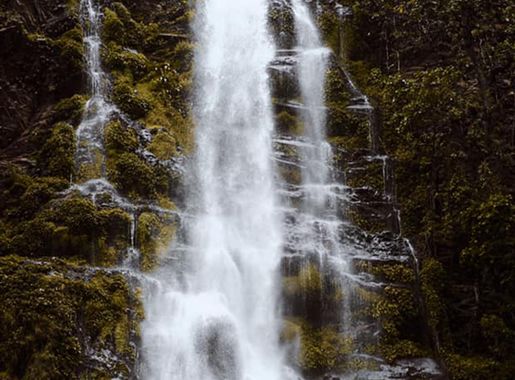


Discover the Cultural Heartbeat of Ewe in Ghana
Nestled in the southeastern part of Ghana, the Ewe region is a treasure trove of cultural richness and natural beauty. The Ewe people are known for their vibrant traditions, music, dance, and intricate kente weaving. A visit to this region offers tourists an immersive experience into the heart of Ghanaian culture. The traditional festivals, such as the Hogbetsotso, are colorful and filled with historical significance, showcasing the unity and pride of the Ewe people. Beyond the cultural attractions, the Ewe region is blessed with stunning landscapes. The lush greenery, serene beaches, and the majestic Volta River make it a perfect spot for nature lovers. You can explore the Wli Waterfalls, the highest in West Africa, or take a boat ride on the Volta Lake, the largest man-made lake in the world. The region is also home to several wildlife sanctuaries, where you can witness the rich biodiversity of Ghana. For those interested in history, the Ewe region has several historical sites and colonial-era buildings that tell the story of Ghana's past. The forts and castles, some of which are UNESCO World Heritage sites, are reminders of the trans-Atlantic slave trade. Visiting these sites provides a poignant reflection on the region's history and its impact on the world.