

Free Fante Travel Guide & Mobile App
Explore Fante with free travel guides. Discover regional history, expert tips, proposed trips, and audio guides on web or mobile app.


Explore Fante Ghana for Atlantic castles, Akan heritage, fishing towns, forest walks, local food and the historic coast around Cape Coast.
Read more about Fante
When is the best time to visit Fante?
Best: December–February · 30–31°C| Month | High (°C) | Rainfall (mm) |
|---|---|---|
| January (best) | 30 | 25 |
| February (best) | 31 | 30 |
| March | 32 | 40 |
| April | 32 | 60 |
| May | 31 | 80 |
| June | 31 | 90 |
| July | 30 | 100 |
| August | 30 | 110 |
| September | 31 | 100 |
| October | 31 | 80 |
| November | 31 | 50 |
| December (best) | 30 | 30 |
Getting to and around Fante
How to get there
Transportation
Top city travel guides in Fante
The cities of Fante, and the easiest places to base yourself.
-

-

-

-

-


Swipe for more cities
Destinations in Fante
Resorts, valleys and scenic spots worth a trip of their own.
-

-

-

-


Swipe for more destinations
Best attractions in Fante
Fante Ghana’s attractions combine major historical sites with living coastal communities and forest landscapes. Cape Coast Castle and Elmina Castle are the region’s defining heritage destinations, offering guided interpretation of European fortification, Atlantic commerce, the transatlantic slave trade and colonial rule. Their importance is historical and commemorative as much as architectural. Cape Coast and Elmina also reward slower exploration through markets, churches, fishing areas and streets where everyday life continues around the monuments. Inland, Kakum National Park provides a contrasting experience of rainforest, canopy walkways and guided nature trails, with conditions that can be wet and humid. The coast itself offers beaches, lagoons and working fishing settlements, although swimming conditions and facilities vary considerably. Mankessim and other communities provide insight into Fante settlement traditions, chiefly institutions and festival culture. Visitors interested in contemporary heritage can also look for public ceremonies, Asafo displays, local music and community events, but these should be approached respectfully and with local guidance. The region is best experienced as a combination of history, ecology and culture rather than as a checklist of isolated sights.
-
Museum
Manhyia Palace
Explore the grandeur of Manhyia Palace, a must-visit museum in Kumasi that unveils the rich history and culture of the Ashanti Kingdom.
-
Tourist attraction
W.E.B Du Bois Memorial Centre for Panafrican Culture - Ghana.
Explore the rich legacy of W.E.B. Du Bois at the Memorial Centre for Panafrican Culture in Accra, Ghana, a hub for African heritage and unity.
-
Tourist attraction
Kumasi Zoological Gardens
Explore the vibrant wildlife and lush landscapes of Kumasi Zoological Gardens, a top family-friendly attraction in Ghana's cultural capital.
-
Museum
National Museum of Ghana
Discover Ghana's vibrant history and culture at the National Museum, showcasing artifacts and exhibitions that celebrate the nation's heritage.



Best landmarks in Fante
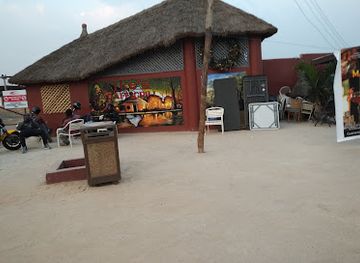
Cape Coast Castle is the region’s most recognisable architectural landmark, with massive whitewashed walls, courtyards and sea-facing structures that testify to the central coast’s role in Atlantic commerce and colonial administration. Elmina Castle, founded by the Portuguese in 1482, is older and remains one of the most important surviving European fortifications in sub-Saharan Africa; its position beside the historic harbour makes the relationship between military power and maritime trade especially clear. The towns surrounding both castles contain further visual evidence of layered history, including churches, colonial-era buildings, fishing infrastructure and dense traditional neighbourhoods. Mankessim carries particular significance in Fante historical memory as a major settlement associated with migration and political formation. Away from the built heritage, the rainforest canopy and limestone landscape of Kakum National Park form a natural landmark of national importance within the central coast’s travel circuit. Together, these places express the region’s defining contrast: Atlantic fortifications and historic towns on one side, while forest, farms and continuing community landscapes extend inland.
-
Architecture firm
IDARKCONSULT LTD
Explore the architectural brilliance of IDARKCONSULT LTD in Aburi, Ghana, where innovative designs meet stunning natural landscapes.
-
 Historical landmark
Cape Coast Castle
Explore Cape Coast Castle, a UNESCO World Heritage site that unveils the poignant history of the transatlantic slave trade in Ghana.
-
Museum
Kwame Nkrumah Memorial Park & Mausoleum
Explore the rich history and cultural significance of the Kwame Nkrumah Memorial Park & Mausoleum in Accra, a tribute to Ghana's founding father.
-
Castle
Elmina Castle
Explore Elmina Castle, a UNESCO World Heritage Site that narrates the poignant history of the transatlantic slave trade in Ghana.


Explore Fante on the map
Plan your trip on one map. See where the top cities, national parks and sights are, and book hotels and experiences in a few clicks.
Best hotels in Fante
Best restaurants in Fante
Dining in Fante Ghana is shaped by the Atlantic coast, Akan food traditions and the practical cooking of markets, homes, chop bars and roadside stalls. Fresh or smoked fish commonly appears with pepper sauces, fried plantain, rice, stews or kenkey, a fermented maize or cassava-based staple often served with fish and hot sauce. Fufu, soups and other Akan-influenced dishes are widely available, while grilled seafood is particularly associated with coastal towns. Cape Coast and Elmina offer the broadest choice of restaurants, cafés and hotel dining, including contemporary Ghanaian menus and international food, whereas smaller settlements tend to have simpler local eateries. Fresh fruit, fried snacks and sobolo, a hibiscus-based drink, are useful discoveries at markets and informal stalls. Food preparation and spice levels vary, so ask about ingredients if necessary. Fish supplies and menus can change with season, weather and local landings, and eating at busy establishments is a sensible way to find fresh, familiar local cooking.
-
Restaurant
Zen Garden
Discover the flavors of Accra at Zen Garden - where delicious pizza meets vibrant live music in a cozy atmosphere.
-
West African
The Buka Restaurant, Osu, Accra
Experience authentic West African cuisine at The Buka Restaurant in Accra's vibrant Osu district - a culinary journey not to be missed.
-
Restaurant
Capitol Cafe & Restaurant
Experience the vibrant culinary scene at Capitol Cafe & Restaurant in Accra—where local flavors meet global cuisine.
-
Restaurant
Living Room
Experience authentic Ghanaian cuisine at Living Room in Accra—where flavor meets hospitality in a cozy setting.


Best bars in Fante
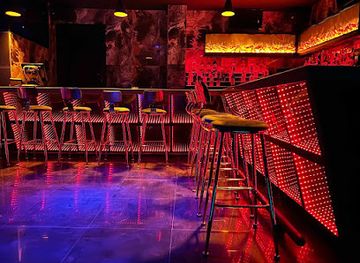
Evening life in Fante Ghana is centred more on drinking spots, food stalls, music and social gatherings than on a dense nightclub scene. Cape Coast and Elmina have the widest choice of pubs, hotel bars, casual restaurants and places playing Ghanaian popular music, while smaller towns generally become quieter after dark. Coastal venues may offer informal evenings with grilled food and music, but opening arrangements and entertainment vary by day and season. Traditional drinking spots and local bars provide opportunities to observe everyday social life, though visitors should remain discreet and avoid photographing people without permission. During festivals, funerals, weddings and other public occasions, drumming, dancing and live performance may transform a town’s evening atmosphere, but these are community events rather than guaranteed tourist shows. Travelling back to accommodation is easiest when transport is arranged in advance, especially outside Cape Coast and Elmina.
-
Grill
The Republic Bar & Grill
Experience the vibrant flavors of Ghana at The Republic Bar & Grill, where local cuisine meets a lively atmosphere in the heart of Accra.
-
Jazz
+233 Jazz Bar & Grill
Immerse yourself in the vibrant rhythms of jazz while savoring delicious Ghanaian dishes at +233 Jazz Bar & Grill in Accra.
-
Bar
Sky Bar 25 Restaurant and Bar
Experience the heights of luxury dining and nightlife at Sky Bar 25, Accra’s premier rooftop destination for stunning views and unforgettable flavors.
-
Bar
Bloom Bar
Discover the lively nightlife and vibrant atmosphere at Bloom Bar in Accra, a top destination for cocktails and socializing.


Best nightclubs in Fante
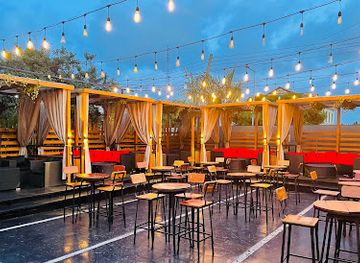
Evening life in Fante Ghana is centred more on drinking spots, food stalls, music and social gatherings than on a dense nightclub scene. Cape Coast and Elmina have the widest choice of pubs, hotel bars, casual restaurants and places playing Ghanaian popular music, while smaller towns generally become quieter after dark. Coastal venues may offer informal evenings with grilled food and music, but opening arrangements and entertainment vary by day and season. Traditional drinking spots and local bars provide opportunities to observe everyday social life, though visitors should remain discreet and avoid photographing people without permission. During festivals, funerals, weddings and other public occasions, drumming, dancing and live performance may transform a town’s evening atmosphere, but these are community events rather than guaranteed tourist shows. Travelling back to accommodation is easiest when transport is arranged in advance, especially outside Cape Coast and Elmina.
-
Disco club
Plot 7
Experience the vibrant nightlife of Accra at Plot 7, where music, dance, and culture collide in a lively disco club atmosphere.
-
Night club
Twist Night Club
Experience Accra's nightlife at Twist Night Club, where music, style, and vibrant energy converge for an unforgettable night out.
-
Disco club
Octapuz lounge and night club
Experience the vibrant nightlife of Accra at Octapuz Lounge and Night Club with great music, cocktails, and an unforgettable atmosphere.
-
Night club
Kavalli @ Night
Experience the vibrant nightlife of Accra at Kavalli @ Night, where music, dance, and unforgettable moments await.

Best shops in Fante
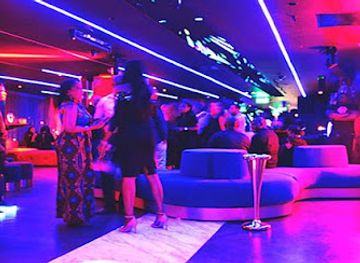
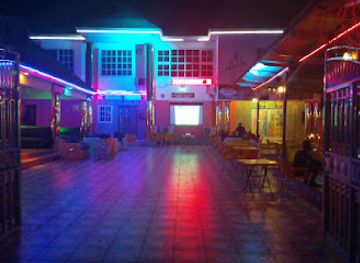
Shopping in Fante Ghana is most rewarding in the markets and independent streets of Cape Coast, Elmina and other larger settlements, where daily provisions sit alongside practical goods, fabrics, crafts and souvenirs. Visitors can look for colourful printed cloth, woven items, carved objects, beads, jewellery and paintings, although quality and provenance vary and bargaining is usually conducted politely rather than aggressively. Elmina and Cape Coast are useful places to buy locally prepared spices, snacks, smoked fish where appropriate for travel, cocoa products and packaged Ghanaian foods. Smaller markets offer a more immediate view of regional commerce, with fruit, vegetables, cassava, plantain and household goods rather than a dedicated tourist range. Craft sellers around heritage areas may offer items inspired by Akan symbols and coastal history; ask about materials and support responsible, locally made work. The region is not primarily a luxury-shopping destination, and many shops close earlier than visitors from major international cities may expect.
-
Boutique
Excellence boutique Head office
Explore unique fashion and artisan crafts at Excellence Boutique in Accra, where local Ghanaian creativity comes to life.
-
Gift shop
The Shop Accra
Explore the vibrant culture of Ghana at The Shop Accra, your go-to destination for unique gifts and local artisan crafts.
-
Gift shop
Lotus Gallery
Discover unique Ghanaian art and crafts at Lotus Gallery, a treasure trove of creativity in Accra, perfect for memorable souvenirs.
-
Gift shop
Finest Gifts
Explore the heart of Accra at Finest Gifts, your go-to destination for unique Ghanaian souvenirs and handcrafted treasures.


Get your free copy of our complete guide to Fante, delivered straight to you.
Everything on this page, from attractions and restaurants to essentials and local phrases, in one PDF you can read offline, print or share.
Already have an account? Sign in
Your Fante guide is ready.
We'll send it to · Not you? Sign out

Getting your guide ready…
We are putting together a fresh copy of the Fante guide. This can take up to a minute.
This can take a few moments. If your browser asks, choose Allow so the download can start. You'll find the guide in your Downloads folder.
Nothing happened? Download it again
Sorry, the guide is taking longer than usual. Please try again in a minute, or get it by email instead.
Fante essentials
Currency and Payment
Safety
Emergency Situations
Do's and Don'ts
Local Tips
From Eve
Local phrases worth knowing
You don't need to get them perfect. A few words go a long way, and locals appreciate the effort.
Basics
| English | Local | Say it |
|---|---|---|
| Hello | Akwabaa | [ah-kwa-bah] |
| Goodbye | Nante yie | [nan-teh yee-eh] |
| Yes | Aane | [ah-neh] |
| No | Daabi | [dah-bee] |
| Please/You're welcome | Mepa wo kyɛw | [meh-pah woh cheh] |
| Thank you | Medase | [meh-dah-seh] |
| Excuse me/Sorry | Kafra | [kah-frah] |
| How are you? | Ɛte sɛn? | [eh-teh sen] |
| Fine. And you? | Nokware. Wo nso ɛ? | [noh-kwa-reh. woh n-so eh?] |
| Do you speak English? | Wokasa bɛyɛɛ? | [woh-kah-sah beh-yeh?] |
| I don't understand | Mente ase | [men-teh ah-seh] |
Eating & Drinking
| English | Local | Say it |
|---|---|---|
| I'd like to see the menu, please | Mepɛ sɛ mehwɛ menu no, mepa wo kyɛw | [meh-peh seh meh-hweh meh-noh noh, meh-pah woh cheh] |
| I don't eat meat | Mennɔ abɛn | [men-noh ah-behn] |
| Cheers! | Yɛnkɔ! | [yeh-n-koh] |
| I would like to pay, please | Mepɛ sɛ mɛtɔ mu, mepa wo kyɛw | [meh-peh seh meh-taw moo, meh-pah woh cheh] |
Emergencies
| English | Local | Say it |
|---|---|---|
| Help! | Boa me! | [boh-ah meh!] |
| Go away! | Kɔ fi! | [koh fee!] |
| Call the Police! | Frɛ ɔmanpanyin! | [freh oh-mahn-pah-nyin!] |
| Call a doctor! | Frɛ dɔkita! | [freh doh-kee-tah!] |
| I'm lost | Mewɔ ɔkwan mu | [meh-waw oh-kwan moo] |
| I'm ill | Mewɔ yare | [meh-waw yah-reh] |
Shopping
| English | Local | Say it |
|---|---|---|
| I'd like to buy... | Mepɛ sɛ mɛtɔ... | [meh-peh seh meh-taw...] |
| I'm just looking | Merehwɛ nko ara | [meh-reh-hweh n-koh ah-rah] |
| How much is it? | Ɛyɛ sɛn? | [eh-yeh sen] |
| That's too expensive | Ɛyɛ dɔɔso | [eh-yeh doh-oh-soh] |
| Can you lower the price? | Wobɛtɔ ɔbo no ase? | [woh-beh-taw oh-boh noh ah-seh?] |
Time & Numbers
| English | Local | Say it |
|---|---|---|
| What time is it? | Dɛn na ɛda? | [den nah eh-dah?] |
| It's one o'clock | Ɛyɛ dɔnhwere baako | [eh-yeh dohn-hweh-reh bah-koh] |
| Half past (10) | Dɔnhwere nan mu | [dohn-hweh-reh nahn moo] |
| Morning | Anɔpa | [ah-noh-pah] |
| Afternoon | Awia | [ah-wee-ah] |
| Evening | Anadwo | [ah-nah-joh] |
| Yesterday | Ɛnnɛ da | [ehn-neh dah] |
| Today | Ɛnnɛ | [ehn-neh] |
| Tomorrow | Ɛkyɛ | [eh-cheh] |
| 1 | Baako | [bah-koh] |
| 2 | Mmienu | [mmee-eh-noo] |
| 3 | Mmiɛnsa | [mmee-en-sah] |
| 4 | Mmienan | [mmee-en-ahn] |
| 5 | Mmienkum | [mmee-en-koom] |
| 6 | Mmiɛnnsia | [mmee-en-shee-ah] |
| 7 | Mmiɛnson | [mmee-en-sohn] |
| 8 | Mmiɛnna | [mmee-en-nah] |
| 9 | Mmiɛnnum | [mmee-en-noom] |
| 10 | Mmienkron | [mmee-en-kron] |
Transport & Directions
| English | Local | Say it |
|---|---|---|
| Where's a/the...? | Ɛhe na ...? | [eh-heh nah ...?] |
| What's the address? | Dɛn na ɔman no? | [den nah oh-mahn noh?] |
| Can you show me (on the map)? | Wobɛda me ho adi (yɛ ɔmap no mu)? | [woh-beh-dah meh hoh ah-dee (yeh oh-map noh moo)?] |
| When's the next (bus)? | Bɛn na ɔbɔtani no bɛba? | [ben nah oh-boh-tah-nee noh beh-bah?] |
| A ticket (to ....) | Tiket (kɔ ...) | [tee-ket (koh ...)] |
History of Fante
Early Akan Settlement and Fante Foundations
The Fante are an Akan-speaking people whose historical communities developed along Ghana’s central coast and adjoining inland areas. Fante traditions describe migrations, alliances and settlement histories connected with places such as Mankessim, while archaeology and oral history together point to long-established farming, fishing and trading communities. Coastal lagoons, fertile areas and access to Atlantic commerce shaped settlement patterns. Political authority was distributed among states, towns and chiefly institutions rather than forming a single centralised kingdom, creating a flexible but sometimes competitive network of communities.
European Forts and Atlantic Commerce
From the late fifteenth century, Portuguese and later Dutch, English, Danish and other European powers established trading contacts and forts along the Gold Coast. Elmina Castle, founded by the Portuguese in 1482, became one of the earliest major European structures in sub-Saharan Africa. Cape Coast Castle was developed by European powers and later became a principal British base. Gold, ivory and other commodities were traded through these coastal networks, while the forts also became central to the transatlantic slave trade, which caused profound suffering and demographic disruption across the wider region.
Fante States, Trade and Coastal Diplomacy
During the eighteenth and nineteenth centuries, Fante states and towns played an important role in coastal politics and commerce. Fante leaders negotiated with European companies and colonial authorities while maintaining their own systems of chiefly government, military organisation and local trade. Ports and market settlements linked inland producers with the Atlantic coast. Asafo companies, traditionally organised civic and military groups, helped defend communities and remain an important part of Fante public culture through symbols, flags and ceremonial activity.
The Fante Confederacy, 1868–1873
In the late nineteenth century, Fante leaders attempted to create a political confederacy capable of coordinating defence, administration and economic policy in response to expanding European control. The Fante Confederacy of 1868 represented an important effort at coastal political organisation and resistance, although it was weakened by internal divisions and British pressure. Its short existence is historically significant because it demonstrates that local leaders pursued structured constitutional and administrative alternatives rather than simply reacting to colonial expansion.
British Colonial Rule and Cape Coast’s Educational Role
The British consolidated control over the Gold Coast during the nineteenth century, and Cape Coast became one of the colony’s principal administrative and educational centres before the colonial capital moved to Accra. Mission schools and churches expanded, producing new professional and political networks among coastal communities. The region’s educated elite contributed to journalism, commerce, public debate and nationalist politics. Colonial buildings, churches, cemeteries and institutional traditions still form part of the urban landscape, although they coexist with older Fante authority and community life.
Independence, Memory and Heritage Tourism
Ghana achieved independence in 1957, and the central coast subsequently became a major site for historical education and African diaspora travel. Cape Coast Castle and Elmina Castle are now internationally recognised places of remembrance, interpreted through Ghanaian and wider African diasporic perspectives. Museums, memorial programmes and guided visits address the slave trade, colonialism and the resilience of affected communities. At the same time, Cape Coast and Elmina remain active towns whose fishing, education, religion, markets and family life extend well beyond their heritage monuments.
Contemporary Fante Cultural Life
Modern Fante identity continues through the Fante language, chiefly institutions, festivals, music, church life, foodways and community associations. Traditional festivals and public ceremonies vary between towns and may involve processions, drumming, dancing and displays by Asafo companies, although dates and arrangements change annually. Contemporary coastal communities also face pressures from urban growth, erosion, changing fisheries and tourism development. This mixture of continuity and change is essential to understanding Fante Ghana as a living cultural region rather than simply a collection of historic sites.
Fante in Photos
Browse through our photo collection highlighting the charm and character of the destination.
Neighbouring regions of Fante
The closest regions to Fante, if you have time for more than one.
-
-

-

-

-


Swipe for more regions
Explore more

Explore more of Ghana
Discover Ghana: A vibrant blend of rich history, stunning landscapes, and warm hospitality in the heart of West Africa.
Explore Ghana