

Gwira, Ghana Travel Guide
Discover the serene beauty and cultural richness of Gwira, a hidden gem in Ghana's heartland, perfect for nature lovers and cultural enthusiasts.
Gwira is a serene and captivating destination nestled in the heart of Ghana. Known for its lush landscapes and rich cultural heritage, Gwira offers a tranquil escape from the hustle and bustle of city life. The area is surrounded by verdant forests, flowing rivers, and picturesque hills, making it a perfect spot for nature lovers and adventure seekers alike. Visitors to Gwira can immerse themselves in the local culture by engaging with the warm and welcoming community. Traditional festivals, vibrant markets, and artisanal crafts provide a glimpse into the everyday life of the people. The region is also home to historical sites and ancient landmarks that tell the story of Ghana's past. For those interested in ecotourism, Gwira's natural beauty is a treasure trove waiting to be explored. Hiking trails, bird watching, and river excursions are just a few of the activities that allow tourists to connect with nature. Whether you're seeking relaxation or adventure, Gwira promises an authentic and enriching experience.

Know before you go
Hi, I'm Eve. Here are a few practical things to know before exploring Gwira.
- Visit during the dry season from November to March for the best weather conditions.
- Engage with local guides for an authentic experience and to learn about the area's history.
- Bring comfortable walking shoes for exploring the natural trails and historical sites.
- Try local delicacies at the markets and small eateries for a taste of Gwira's cuisine.
- Respect local customs and traditions, especially during festivals and community events.
Destinations in Gwira
Resorts, valleys and scenic spots worth a trip of their own.
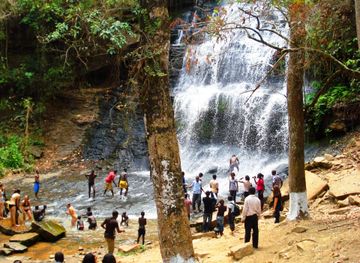
Explore Gwira: Things to Do, Places to Eat, Hotels & More
Handpicked recommendations for top attractions, local dining, accommodations, and more

Top Attractions & Sightseeing in Gwira
Top-rated picks
Best Attractions

Cape Coast Castle
Discover the poignant history and architectural beauty of Cape Coast Castle, a UNESCO World Heritage site that narrates the legacy of the transatlantic slave trade.
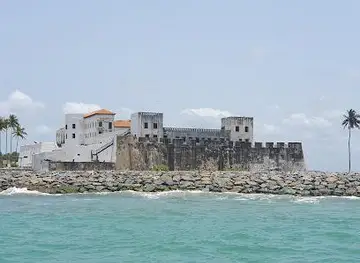
Elmina Castle
Discover Elmina Castle, a UNESCO World Heritage site, where history and culture intertwine on Ghana's stunning coastline.

Kakum National Park
Explore the lush biodiversity of Kakum National Park, where adventure meets tranquility in Ghana's natural paradise.

Coconut Grove Beach Resort
Discover the serene beauty of Coconut Grove Beach Resort in Elmina, Ghana, where relaxation meets adventure on the Atlantic coast.

Best landmarks in Gwira
Top-rated picks
Best Landmarks

Kempinski Hotel Gold Coast City Accra
Experience luxury and comfort at Kempinski Hotel Gold Coast City Accra, where modern elegance meets the rich culture of Ghana in the heart of Accra.

IDARKCONSULT LTD
Discover the serene beauty and unique architecture of Aburi, an enchanting destination in Ghana perfect for nature lovers and cultural enthusiasts.

Cape Coast Castle
Discover the profound history of Cape Coast Castle, a UNESCO World Heritage Site and a poignant reminder of the transatlantic slave trade.
Kwame Nkrumah Memorial Park & Mausoleum
Explore Ghana's rich history and culture at the Kwame Nkrumah Memorial Park & Mausoleum, a serene tribute to the nation's first president.

Best restaurants in Gwira
Top-rated picks
Best Restaurants

Polo Club Restaurant & Lounge
Experience the finest Italian and sushi cuisine at Polo Club Restaurant & Lounge in Accra's vibrant culinary scene.

Azmera Restaurant
Discover the essence of West African cuisine at Azmera Restaurant in Accra - where every dish tells a story.

Bistro 22 - Kitchen + Bar
Discover the fusion of local flavors and international cuisine at Bistro 22 in Accra – where every meal tells a story.

Becky Kay Restaurant and Bar
Discover delicious local cuisine at Becky Kay Restaurant and Bar in Cape Coast - a perfect blend of tradition and taste.

Best bars in Gwira
Top-rated picks
Best Bars

The Republic Bar & Grill
Experience the vibrant culinary scene of Accra at The Republic Bar & Grill - where delicious grilled flavors meet a lively bar atmosphere.

Sky Bar 25 Restaurant and Bar
Experience luxury dining and stunning views at Sky Bar 25 in Accra, where exceptional cocktails and vibrant nightlife await.

The Gold Coast Restaurant & Cocktail Bar
Discover exquisite seafood and vibrant cocktails at The Gold Coast Restaurant & Cocktail Bar, a top dining destination in Accra, Ghana.

God Is Love Chopbar
Immerse yourself in authentic Ghanaian flavors at God Is Love Chopbar, a vibrant spot for locals and tourists alike in Takoradi.

Best nightclubs in Gwira
Top-rated picks
Best Nightclubs

Vienna Lounge & Bar
Discover the dynamic nightlife of Takoradi at Vienna Lounge & Bar, where cocktails, karaoke, and casino fun await in a vibrant atmosphere.

Twist Night Club
Discover the electrifying nightlife at Twist Night Club, a premier destination in Accra for music, dancing, and unforgettable moments.

Octapuz lounge and night club
Discover the electrifying nightlife of Accra at Octapuz Lounge and Night Club, where music, dancing, and vibrant atmosphere come together.

Kavalli @ Night
Discover the pulsing heart of Accra's nightlife at Kavalli @ Night, where music, dance, and culture unite for an unforgettable experience.

Best shops in Gwira
Top-rated picks
Best Shops

Unique Floral Centre
Explore the Unique Floral Centre in Accra for exquisite floral arrangements and authentic Ghanaian gifts, celebrating the beauty of local craftsmanship.

Pedu Junction
Discover Pedu Junction, a vibrant historical landmark in Cape Coast, where tradition meets modernity in the heart of Ghana.

The Shop Accra
Explore the vibrant world of Ghanaian crafts and gifts at The Shop Accra, a must-visit destination for unique souvenirs and local artistry.

Global Mamas
Explore unique handcrafted clothing and accessories at Global Mamas, supporting local artisans and fair trade in Accra, Ghana.

Explore Gwira on the Map
A handpicked selection of must-see spots in Gwira, mapped for you.
Gwira Essentials
-
Gwira is located in the Western Region of Ghana, and the nearest major city is Takoradi. The most common way to reach Gwira is by flying into Kotoka International Airport in Accra, the capital of Ghana. From Accra, you can take a domestic flight to Takoradi Airport, which is about 1.5 hours away by road from Gwira. Alternatively, you can travel by road from Accra to Gwira, which takes approximately 5-6 hours. Buses and private taxis are available for this journey.
-
Within Gwira, transportation options include local taxis, motorcycle taxis (known as 'okada'), and tro-tros (minibuses). Local taxis are relatively affordable and can be found at taxi ranks or hailed on the street. Okadas are a quicker way to get around, especially in more congested areas. Tro-tros are the most budget-friendly option for traveling longer distances within the region, although they can be crowded and less comfortable. Renting a car is also an option if you prefer flexibility and convenience.
-
The official currency in Ghana is the Ghanaian Cedi (GHS). Credit and debit cards are accepted in some hotels, restaurants, and shops in larger towns, but cash is still the preferred method of payment. It's advisable to carry sufficient cash when traveling to more rural areas like Gwira. ATMs are available in Takoradi and some larger towns, but they may not be as prevalent in Gwira itself. It's a good idea to exchange currency or withdraw cash before leaving Takoradi.
-
Gwira is generally considered safe for tourists, but it's always wise to take precautions. Avoid walking alone at night, especially in unfamiliar or poorly lit areas. Keep an eye on your belongings in crowded places and be cautious of pickpockets. Areas with higher crime rates targeting tourists are rare, but it's still important to stay vigilant. Consult local residents or your accommodation for advice on safe areas to visit.
-
In case of an emergency, dial 191 for police, 192 for fire, and 193 for medical assistance. There are clinics and health centers in Gwira, but for more serious medical issues, you may need to travel to Takoradi or Accra. It's highly recommended to have travel insurance that covers medical emergencies. Pharmacies are available for minor health issues where you can purchase over-the-counter medications.
-
Fashion: Do dress modestly, especially in rural areas and when visiting religious sites. Avoid wearing overly revealing clothing. Religion: Do respect local customs and traditions. Remove your shoes and cover your head when entering religious sites. Public Transport: Do be respectful and offer your seat to elderly passengers. Don't eat or drink on public transport. Greetings: Do greet people with a handshake and a smile. Using the right hand for greetings and transactions is considered polite. Eating & Drinking: Do try local dishes and accept food offerings graciously. Don't refuse hospitality, as it is seen as impolite.
-
To experience Gwira like a local, visit the local markets where you can buy fresh produce and traditional Ghanaian goods. Engage with the locals, who are often friendly and willing to share stories about their culture and history. Don't miss out on visiting local landmarks such as traditional shrines and natural attractions like waterfalls. Participate in local festivals and events for a deeper cultural immersion.
When is the best time to visit Gwira?
Useful Local Phrases for Gwira
You don't need to speak the language perfectly. Even learning a few simple words can make conversations warmer—and locals usually appreciate the effort.
— Eve

Here are the phrases I use most often in Gwira. Try a few—you'll be surprised how far they go! 😊
❤️
-
- HelloAkwaba
[ah-kwah-bah] - GoodbyeNante yie
[nan-teh yee-eh] - YesAane
[ah-neh] - NoDaabi
[dah-bee] - Please/You're welcomeMepa wo kyɛw
[meh-pah woh cheh] - Thank youMedase
[meh-dah-seh] - Excuse me/SorryKafra
[kah-frah] - How are you?Ɛte sɛn?
[eh-teh sen?] - Fine. And you?Me ho yɛ, na wo ne sɛn?
[meh ho yeh, nah woh neh sen?] - Do you speak English?Wopɛ sɛ woka Borɔfo?
[woh-peh seh woh-kah boh-roh-foh?] - I don't understandMente ase
[men-teh ah-seh]
- HelloAkwaba
-
- I'd like to see the menu, pleaseMepɛ sɛ mihu menu no, mepa wo kyɛw
[meh-peh seh mee-hoo meh-noo noh, meh-pah woh cheh] - I don't eat meatMente ɔkɔtɔ
[men-teh oh-koh-toh] - Cheers!Nante yie!
[nan-teh yee-eh] - I would like to pay, pleaseMepɛ sɛ mɛtɔ so, mepa wo kyɛw
[meh-peh seh meh-toh soh, meh-pah woh cheh]
- I'd like to see the menu, pleaseMepɛ sɛ mihu menu no, mepa wo kyɛw
-
- Help!Boa me!
[boh-ah meh!] - Go away!Kɔ fi ha!
[koh fee hah!] - Call the Police!Frɛ ɔmanpanyin!
[freh oh-mahn-pah-nyin!] - Call a doctor!Frɛ dɔkita!
[freh doh-kee-tah!] - I'm lostMeda mmerɛ
[meh-dah meh-reh] - I'm illM'ani nsɔ
[m'ah-nee n-soh]
- Help!Boa me!
-
- I'd like to buy...Mepɛ sɛ mɛtɔ...
[meh-peh seh meh-toh...] - I'm just lookingMerehwɛ fɛfɛɛfɛ
[meh-reh-hweh feh-feh-feh] - How much is it?Ɛyɛ dɛn?
[eh-yeh den?] - That's too expensiveƐyɛ sika kɛse
[eh-yeh see-kah keh-seh] - Can you lower the price?Wobɛtɔ so sika no?
[woh-beh-toh soh see-kah noh?]
- I'd like to buy...Mepɛ sɛ mɛtɔ...
-
- What time is it?Dɛn na ɛyɛ?
[den nah eh-yeh?] - It's one o'clockƐyɛ ɔkɔtɔ baako
[eh-yeh oh-koh-toh bah-koh] - Half past (10)Dɔnhwere a ɛyɛ (10)
[dohn-hweh-reh ah eh-yeh (10)] - MorningAnɔpa
[ah-noh-pah] - AfternoonAwia
[ah-wee-ah] - EveningAnadwo
[ah-nah-dwoh] - YesterdayƐnnɛ da
[eh-neh dah] - TodayƐnnɛ
[eh-neh] - TomorrowƐkyɛda
[eh-cheh-dah] - 1Baako
[bah-koh] - 2Mmienu
[mmee-eh-noo] - 3Mmienu
[mmee-eh-nah] - 4Nan
[nahn] - 5Nnan
[n-nahn] - 6Nson
[n-sohn] - 7Nkyɛntɛn
[n-cheh-en-tahn] - 8Nkyɛn
[n-chehn] - 9Nkyɛn
[n-chehn] - 10Dɔnhwere
[dohn-hweh-reh]
- What time is it?Dɛn na ɛyɛ?
-
- Where's a/the...?He na ...?
[heh nah ...?] - What's the address?Dɛn na adwuma no?
[den nah ah-dwoo-mah noh?] - Can you show me (on the map)?Wobɛda me adi (map so)?
[woh-beh-dah meh ah-dee (map soh)?] - When's the next (bus)?Nnɛ da bɔkɔ no?
[nen-neh dah boh-koh noh?] - A ticket (to ....)Kɔtɔ (kɔ ....)
[koh-toh (koh ....)]
- Where's a/the...?He na ...?
History of Gwira
-
Gwira is a culturally rich area located in the Western Region of Ghana. The origins of Gwira can be traced back to the early Akan migrations. The Akan people, known for their intricate societal structures and rich traditions, settled in the area and established strong communities. The early settlements were deeply rooted in agriculture, with yam, cassava, and plantains being primary crops.
-
During the height of the Trans-Atlantic slave trade, Gwira played a significant role as a transit point. Although not as prominent as the coastal forts and castles, the region was integral in the movement of enslaved people. The dense forests and rivers provided natural routes for traders. This period left a lasting impact on the cultural and social fabric of the community.
-
With the advent of British colonial rule in the late 19th century, Gwira, like much of the Gold Coast, experienced significant changes. The British introduced new administrative structures and economic policies that altered traditional governance. The region's agricultural practices were also influenced, with cocoa becoming a major cash crop due to colonial policies.
-
After Ghana gained independence in 1957, Gwira saw a wave of nationalistic pride and development. The area benefited from various government initiatives aimed at improving infrastructure and education. The establishment of new schools and roads facilitated better integration with the rest of the country, fostering growth and development.
-
Gwira is renowned for its vibrant culture and festivals. The annual Kundum Festival, celebrated by the Ahanta and Nzema people, is a significant event in Gwira. It is a harvest festival that includes traditional drumming, dancing, and rituals to honor ancestors and thank the gods for a bountiful harvest. This festival attracts visitors from all over Ghana and beyond, showcasing the rich cultural heritage of the region.
-
The traditional governance system in Gwira remains robust, with chieftaincy playing a pivotal role in community leadership. The chiefs and elders are custodians of the land and cultural practices. They play a crucial role in conflict resolution, land disputes, and the preservation of traditions. The chieftaincy institution is a testament to the enduring legacy of pre-colonial governance structures.
-
Gwira is blessed with stunning natural landscapes, including lush forests, rivers, and scenic hills. This natural beauty has positioned the area as a budding ecotourism destination. Efforts have been made to promote sustainable tourism, with initiatives aimed at preserving the environment while providing economic opportunities for local communities. Visitors can enjoy hiking, bird watching, and exploring the rich biodiversity of the region.
Neighbouring Regions of Gwira
The closest regions to Gwira, if you have time for more than one.




Your all‑in‑one travel companion app
Explore expert travel guides, compare and book tours, experiences, hotels, and more—all from the palm of your hand. Download now for seamless trip planning wherever your wanderlust takes you.


Explore More of Ghana

Looking beyond Gwira? Discover Ghana for broader travel guides, local hot-spots, and regional highlights.
Explore GhanaGwira in Photos
Browse through our photo collection highlighting the charm and character of the destination.


Gwira: A Hidden Gem in Ghana's Heartland
Gwira is a serene and captivating destination nestled in the heart of Ghana. Known for its lush landscapes and rich cultural heritage, Gwira offers a tranquil escape from the hustle and bustle of city life. The area is surrounded by verdant forests, flowing rivers, and picturesque hills, making it a perfect spot for nature lovers and adventure seekers alike. Visitors to Gwira can immerse themselves in the local culture by engaging with the warm and welcoming community. Traditional festivals, vibrant markets, and artisanal crafts provide a glimpse into the everyday life of the people. The region is also home to historical sites and ancient landmarks that tell the story of Ghana's past. For those interested in ecotourism, Gwira's natural beauty is a treasure trove waiting to be explored. Hiking trails, bird watching, and river excursions are just a few of the activities that allow tourists to connect with nature. Whether you're seeking relaxation or adventure, Gwira promises an authentic and enriching experience.