

Free Central Region Travel Guide & Mobile App
Explore Central Region with free travel guides. Discover regional history, expert tips, proposed trips, and audio guides on web or mobile app.


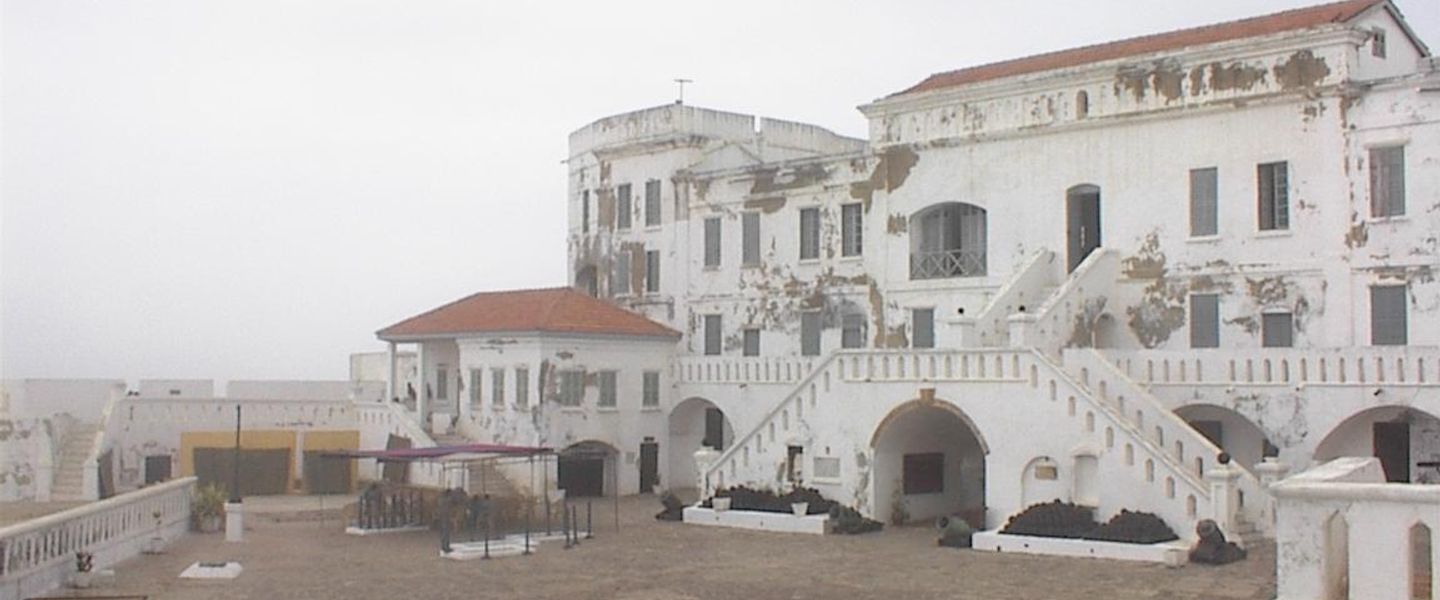


Explore Ghana’s Central Region for Cape Coast and Elmina castles, Fante coastal culture, Kakum rainforest and Atlantic beaches.
Read more about Central Region
When is the best time to visit Central Region?
Best: December–February · 30–31°C| Month | High (°C) | Rainfall (mm) |
|---|---|---|
| January (best) | 30 | 30 |
| February (best) | 31 | 40 |
| March | 31 | 80 |
| April | 31 | 140 |
| May | 31 | 240 |
| June | 30 | 300 |
| July | 29 | 200 |
| August | 29 | 160 |
| September | 29 | 180 |
| October | 30 | 140 |
| November | 30 | 80 |
| December (best) | 30 | 40 |
Getting to and around Central Region
How to get there
Transportation
Top city travel guides in Central Region
The cities of Central Region, and the easiest places to base yourself.
-

-

-

-

-


Swipe for more cities
Destinations in Central Region
Resorts, valleys and scenic spots worth a trip of their own.
-

-

-

-


Swipe for more destinations
Best attractions in Central Region
The Central Region’s attractions bring together Atlantic history, rainforest ecology and everyday coastal life. Cape Coast Castle and Elmina Castle are the region’s principal heritage experiences, offering guided interpretation of European trade, colonial power and the transatlantic slave trade. Smaller fortifications, including Fort Amsterdam at Abandze and Fort St Jago at Elmina, add scale and context to the coast’s military and commercial history. Kakum National Park provides a contrasting experience inland, with guided rainforest walks, birdwatching and its elevated canopy walkway, while Assin Manso offers a reflective historical visit away from the shore. Fishing communities such as Elmina, Anomabo and Moree reveal a living maritime culture, and beaches including Brenu Beach provide space for coastal walks and relaxation, subject to local advice about surf and currents. Cape Coast’s churches, museums, educational institutions and historic streets support a more urban cultural itinerary. The region is best explored through a combination of guided heritage visits and slower journeys through forest, farms and market towns rather than as a sequence of isolated photo stops.
-
Tourist attraction
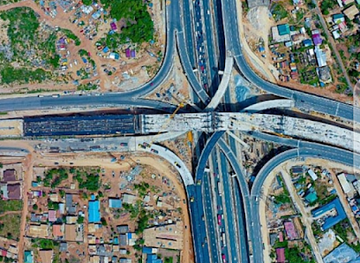
Pokuase Overhead Accra side
Explore the Pokuase Overhead in Accra - an architectural wonder offering stunning views and a glimpse into vibrant Ghanaian life.
-
Park
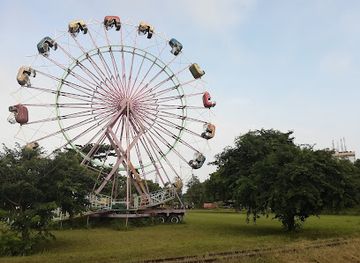
Efua Sutherland Children's Park
Explore Efua Sutherland Children's Park in Accra for a delightful mix of fun, relaxation, and cultural experiences amidst lush green surroundings.
-
Event ticket seller
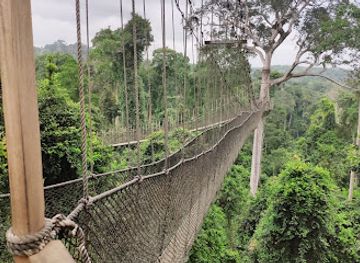
Kakum National Park Entrance Gate Ghana
Discover the breathtaking landscapes and vibrant wildlife of Kakum National Park, Ghana's premier destination for nature exploration and adventure.
-
Tourist attraction
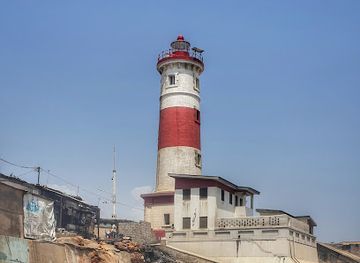
Jamestown Lighthouse
Discover the captivating history and stunning views at Jamestown Lighthouse, a must-visit tourist attraction in Accra, Ghana.
Best landmarks in Central Region
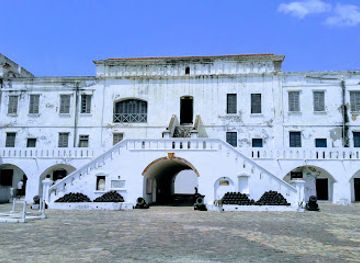
Cape Coast Castle dominates the historic waterfront of Cape Coast, its pale walls and sea-facing bastions embodying the city’s former importance as a centre of Atlantic commerce and British administration. In Elmina, São Jorge da Mina, commonly called Elmina Castle, stands above the harbour as one of West Africa’s most consequential surviving European fortifications; its architecture cannot be separated from the suffering of enslaved people held there. Fort St Jago rises on a hill opposite the castle, while Fort Amsterdam at Abandze is a smaller but significant reminder of the shifting European presence along the coast. The fishing harbour at Elmina is a living maritime landmark, marked by colourful canoes and a working waterfront rather than monumental architecture. Inland, the rainforest canopy of Kakum National Park forms a different kind of landmark, demonstrating the ecological character of the region beyond its beaches and forts. Assin Manso’s memorial landscape provides another important place of historical reflection, linking the inland routes of captives with the coastal fortifications.
-
Historical landmark
Cape Coast Castle
Discover the haunting history of Cape Coast Castle, a UNESCO World Heritage Site that narrates the poignant tales of Ghana's past and the transatlantic slave trade.
-
Museum
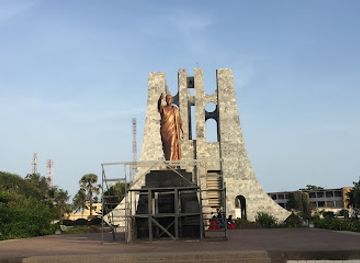
Kwame Nkrumah Memorial Park & Mausoleum
Explore the Kwame Nkrumah Memorial Park & Mausoleum in Accra for a historical journey through Ghana's independence and rich heritage.
-
Castle
Elmina Castle
Explore Elmina Castle, a UNESCO World Heritage site, and discover the rich history of the transatlantic slave trade along Ghana's beautiful coast.
-
National park
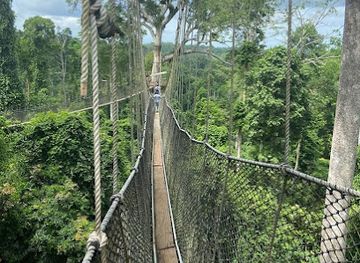
Kakum National Park
Explore the breathtaking beauty of Kakum National Park, home to lush rainforests, diverse wildlife, and an exhilarating canopy walkway experience.

Explore Central Region on the map
Plan your trip on one map. See where the top cities, national parks and sights are, and book hotels and experiences in a few clicks.
Best hotels in Central Region
Best restaurants in Central Region
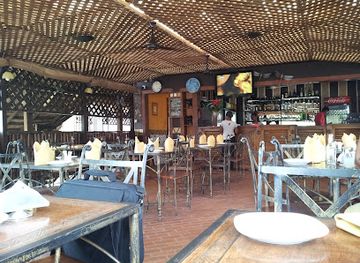
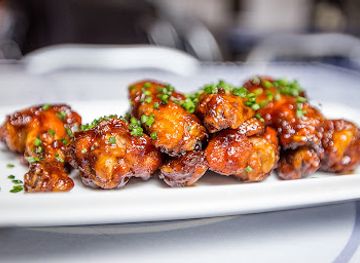
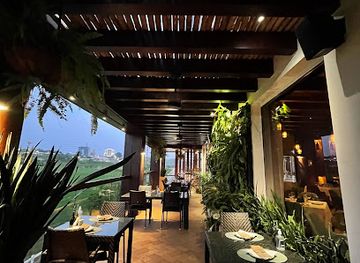
Dining in the Central Region is shaped by the Atlantic coast, Fante culinary traditions and Ghana’s wider love of deeply seasoned soups, stews and grilled food. Fresh fish is prominent in Elmina and other fishing communities, appearing grilled, fried or served with pepper sauces, while kenkey, banku and fufu provide familiar accompaniments. Visitors will find chop bars, roadside grills, family-run restaurants, cafés and hotel dining rooms in Cape Coast and Elmina, with more limited choice in rural areas. Soups and stews may include ingredients such as fish, crab, palm oil, okra and groundnuts, and portions are often substantial. Busy local eateries can be a good introduction to everyday food, while coastal restaurants offer a more leisurely setting. Markets and roadside stalls provide fruit, roasted plantain and snacks, but hygiene standards vary, so choose food that is freshly cooked and served hot. Ghanaian drinks and locally produced fruit juices are commonly available, alongside international beverages in tourist-oriented establishments.
-
West African
The Buka Restaurant, Osu, Accra
Experience the rich flavors of West Africa at The Buka Restaurant in Accra - where every dish tells a story.
-
Restaurant
Frankie's Foods and Rooms
Discover Frankie's Foods and Rooms in Accra: A delightful fusion of delicious cuisine and comfortable lodging that captures the spirit of Ghana.
-
Restaurant
The Gold Coast Restaurant & Cocktail Bar
Experience fine dining and innovative cocktails at The Gold Coast Restaurant & Cocktail Bar in Accra – where culinary excellence meets vibrant atmosphere.
-
Restaurant
Polo Club Restaurant & Lounge
Experience exquisite Italian cuisine and fresh sushi at Polo Club Restaurant & Lounge in Accra - A must-visit for food lovers!

Best bars in Central Region
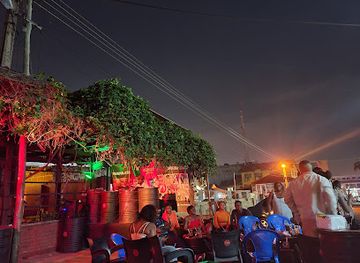
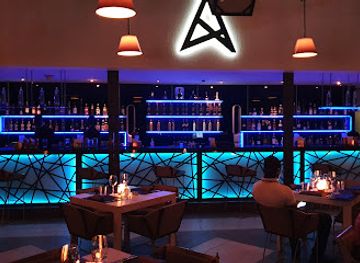
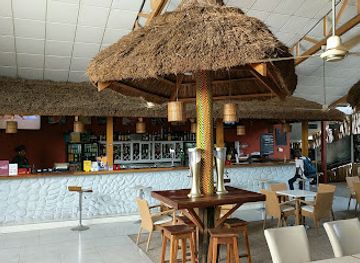
Evening life in the Central Region is concentrated in Cape Coast and Elmina, with traditional drinking spots, neighbourhood bars, hotel lounges, restaurants and occasional live-music venues rather than a large, dedicated club circuit. Cape Coast’s student population contributes to a more active evening atmosphere around the city, while Elmina’s waterfront and main streets are better suited to relaxed meals, drinks and conversations. Local beers, bitters, soft drinks and spirits are widely available, and some venues play highlife, hiplife, Afrobeats or gospel music. In smaller coastal communities, nightlife is generally social and informal, often centred on family gatherings, food and music rather than late-night dancing. Opening arrangements vary, particularly outside the main towns, so ask accommodation staff about current venues and safe transport. Avoid walking alone on dark or deserted roads after drinking, and remember that enjoying the region’s evening culture does not require heavy alcohol consumption.
-
Grill
The Republic Bar & Grill
Discover the flavors and vibrant nightlife of Accra at The Republic Bar & Grill, where local cuisine meets a lively bar atmosphere.
-
Bar
Sky Bar 25 Restaurant and Bar
Experience culinary excellence and breathtaking views at Sky Bar 25, Accra's premier bar and restaurant, where every night is a celebration.
-
Bar
Bloom Bar
Discover the vibrant nightlife of Accra at Bloom Bar, where creative cocktails and a lively atmosphere await in the heart of Osu.
-
Bar
The Gold Coast Restaurant & Cocktail Bar
Experience the vibrant culinary scene at The Gold Coast Restaurant & Cocktail Bar, where fine dining meets a lively atmosphere in Accra.

Best nightclubs in Central Region
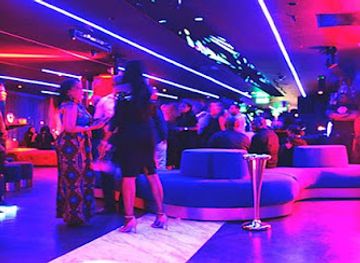
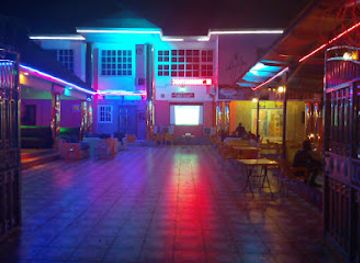
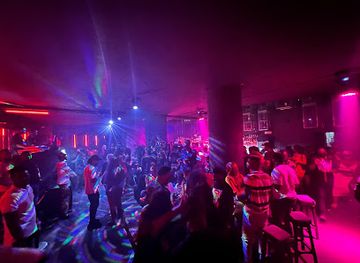
Evening life in the Central Region is concentrated in Cape Coast and Elmina, with traditional drinking spots, neighbourhood bars, hotel lounges, restaurants and occasional live-music venues rather than a large, dedicated club circuit. Cape Coast’s student population contributes to a more active evening atmosphere around the city, while Elmina’s waterfront and main streets are better suited to relaxed meals, drinks and conversations. Local beers, bitters, soft drinks and spirits are widely available, and some venues play highlife, hiplife, Afrobeats or gospel music. In smaller coastal communities, nightlife is generally social and informal, often centred on family gatherings, food and music rather than late-night dancing. Opening arrangements vary, particularly outside the main towns, so ask accommodation staff about current venues and safe transport. Avoid walking alone on dark or deserted roads after drinking, and remember that enjoying the region’s evening culture does not require heavy alcohol consumption.
-
Night club
Twist Night Club
Discover the vibrant nightlife of Accra at Twist Night Club, where music, dance, and great vibes converge for an unforgettable experience.
-
Disco club
Octapuz lounge and night club
Discover the heart of Accra's nightlife at Octapuz Lounge and Night Club, where vibrant music and lively crowds create unforgettable memories.
-
Night club
KRUNA The Club
KRUNA The Club: Unleash your night with vibrant music and a lively atmosphere in Accra's premier nightlife destination.
-
Lounge
CEDI Lounge and Kitchen/NightClub
Discover the vibrant culinary and nightlife scene at CEDI Lounge and Kitchen in Agona Swedru, where every meal is a celebration and every night is unforgettable.

Best shops in Central Region
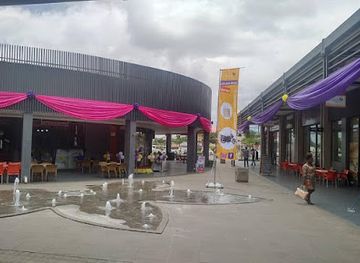
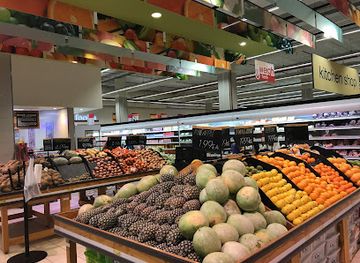
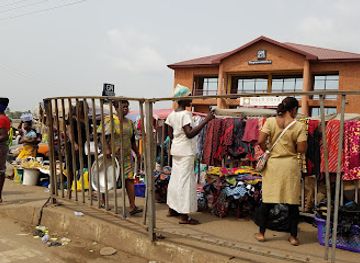
Shopping in the Central Region is strongest in the market streets and commercial areas of Cape Coast and Elmina, where visitors can browse clothing, household goods, foodstuffs, carved objects and everyday Ghanaian products. Elmina is particularly associated with a maritime setting, while Cape Coast offers a broader mix of market trading, small shops, bookshops and stalls serving its larger urban and student population. Craft sellers near heritage sites commonly offer carved figures, woven goods, beads, paintings and textiles, but quality and provenance vary, so compare workmanship and prices before buying. Regional food products such as spices, dried fish, fruit and locally made snacks are more useful souvenirs than fragile curiosities, provided they can legally be taken home. Markets operate according to local rhythms rather than a visitor timetable, and bargaining may be expected for some informal goods but not for fixed-price items. Ask permission before photographing craftspeople or stalls, and avoid purchasing anything presented as an archaeological artefact or historic fragment.
-
Shopping mall
Achimota Mall
Discover Achimota Mall, Accra's premier shopping destination, offering a blend of local and international brands, dining, and entertainment for all.
-
Shopping mall
West Hills Mall
Explore West Hills Mall in Accra for a unique shopping and dining experience with a blend of local flair and international brands.
-
Shopping mall
Marina mall
Discover Marina Mall in Accra: A lively shopping haven with diverse stores, delightful dining, and entertainment for every visitor.
-
Market
Mankessim Central Market
Discover the heart of Ghanaian culture at Mankessim Central Market, where vibrant stalls and local flavors await your exploration.

Get your free copy of our complete guide to Central Region, delivered straight to you.
Everything on this page, from attractions and restaurants to essentials and local phrases, in one PDF you can read offline, print or share.
Already have an account? Sign in
Your Central Region guide is ready.
We'll send it to · Not you? Sign out

Getting your guide ready…
We are putting together a fresh copy of the Central Region guide. This can take up to a minute.
This can take a few moments. If your browser asks, choose Allow so the download can start. You'll find the guide in your Downloads folder.
Nothing happened? Download it again
Sorry, the guide is taking longer than usual. Please try again in a minute, or get it by email instead.
Central Region essentials
Currency and Payment
Safety
Emergency Situations
Do's and Don'ts
Local Tips
From Eve
Local phrases worth knowing
You don't need to get them perfect. A few words go a long way, and locals appreciate the effort.
Basics
| English | Local | Say it |
|---|---|---|
| Hello | Akwabaa | [ah-kwah-bah] |
| Goodbye | Nante yie | [nan-teh yee-eh] |
| Yes | Aane | [ah-neh] |
| No | Daabi | [dah-bee] |
| Please/You're welcome | Mepa wo kyɛw | [meh-pah woh cheh] |
| Thank you | Medase | [meh-dah-seh] |
| Excuse me/Sorry | Kafra | [kah-frah] |
| How are you? | Wo ho te sɛn? | [woh ho teh sen?] |
| Fine. And you? | Me ho yɛ, na wo nso? | [meh ho yeh, nah woh nso?] |
| Do you speak English? | Wokasa kasa bɛn? | [woh-kah-sah kah-sah behn?] |
| I don't understand | Mente ase | [men-teh ah-seh] |
Eating & Drinking
| English | Local | Say it |
|---|---|---|
| I'd like to see the menu, please | Mepɛ sɛ mehu menu no, please | [meh-peh seh meh-hoo meh-noh noh, pleez] |
| I don't eat meat | Mente nyama | [men-teh nyah-mah] |
| Cheers! | Nkyia! | [nky-ah] |
| I would like to pay, please | Mepɛ sɛ mɛtua ka, please | [meh-peh seh meh-twah kah, pleez] |
Emergencies
| English | Local | Say it |
|---|---|---|
| Help! | Boa me! | [boh-ah meh!] |
| Go away! | Kɔ nkɔ! | [koh n-koh!] |
| Call the Police! | Frɛ ɔpolice no! | [freh oh-po-leece noh!] |
| Call a doctor! | Frɛ dɔkita! | [freh doh-kee-tah!] |
| I'm lost | Meda hɔ | [meh-dah haw] |
| I'm ill | Medi yare | [meh-dee yah-reh] |
Shopping
| English | Local | Say it |
|---|---|---|
| I'd like to buy... | Mepɛ sɛ mɛtɔ... | [meh-peh seh meh-toh...] |
| I'm just looking | Merehwɛ | [meh-reh-hweh] |
| How much is it? | Ɛyɛ sika bɛn? | [eh-yeh see-kah behn?] |
| That's too expensive | Ɛyɛ sika kɛse | [eh-yeh see-kah keh-seh] |
| Can you lower the price? | Wobɛtɔ sika no ase? | [woh-beh-toh see-kah noh ah-seh?] |
Time & Numbers
| English | Local | Say it |
|---|---|---|
| What time is it? | Ɛyɛ berɛ bɛn? | [eh-yeh beh-reh behn?] |
| It's one o'clock | Ɛyɛ dɔkita baako | [eh-yeh doh-kee-tah bah-koh] |
| Half past (10) | Afe no mu (10) | [ah-feh noh moo (10)] |
| Morning | Anɔpa | [ah-noh-pah] |
| Afternoon | Awia | [ah-wee-ah] |
| Evening | Anadwo | [ah-nah-joh] |
| Yesterday | Ɛnnɛ | [eh-neh] |
| Today | Ɛnnɛ | [eh-neh] |
| Tomorrow | Daakye | [dah-kee-eh] |
| 1 | Baako | [bah-koh] |
| 2 | Mmienu | [mee-eh-noo] |
| 3 | Mmienu | [mee-eh-noo] |
| 4 | Anan | [ah-nahn] |
| 5 | Nkron | [n-kron] |
| 6 | Nsia | [n-siah] |
| 7 | Nson | [n-sohn] |
| 8 | Nwɔtwe | [n-wo-tweh] |
| 9 | Nkyɛn | [n-kyen] |
| 10 | Dɔkita | [doh-kee-tah] |
Transport & Directions
| English | Local | Say it |
|---|---|---|
| Where's a/the...? | Ɛhe na ...? | [eh-heh nah ...?] |
| What's the address? | Ɛyɛ dɛn na adwuma no? | [eh-yeh dehn nah ah-dwoo-mah noh?] |
| Can you show me (on the map)? | Wobɛda me ho adi (wɔ mapa no)? | [woh-beh-dah meh ho ah-dee (woh mah-pah noh)?] |
| When's the next (bus)? | Berɛ bɛn na bus no bɛba? | [beh-reh behn nah boos noh beh-bah?] |
| A ticket (to ....) | Tiketi (kɔ ....) | [tee-keh-tee (koh ....)] |
History of Central Region
Akan and Fante Coastal Societies
Long before European fortifications appeared, the area was occupied by Akan-speaking communities with established systems of farming, fishing, trade and political authority. Fante states became particularly influential along the coast and developed relationships with inland neighbours and overseas merchants. Mankessim held importance in Fante history and tradition, while coastal settlements grew through commerce and access to the sea. These societies were not passive spectators to later European expansion: local rulers negotiated, traded and contested power as foreign forts multiplied along the shoreline.
Portuguese Arrival and Elmina Castle, 1482
Portuguese mariners reached the coast in the late fifteenth century and built São Jorge da Mina, now Elmina Castle, in 1482. The fortress became a major centre for gold trading and one of the earliest permanent European structures in tropical West Africa. Its construction transformed Elmina into an international commercial port, but it also marked the beginning of a long period in which European powers sought control over coastal trade. The castle’s later role in the transatlantic slave trade remains central to understanding the region’s history.
European Forts and Coastal Competition
From the seventeenth century, Dutch, English, Swedish, Danish and other interests competed for influence along the Central Region’s coast. Cape Coast Castle, Fort Amsterdam at Abandze and Fort St Jago at Elmina are surviving reminders of this contest. Fortifications were commercial depots, military installations and administrative centres, connected to inland trading networks through agreements and conflicts with African authorities. Control shifted between European powers, and the resulting coastal landscape became one of the most concentrated expressions of Atlantic rivalry in West Africa.
The Atlantic Slave Trade
For centuries, coastal castles and smaller forts were involved in the confinement, transportation or trading of enslaved Africans, although their functions and intensity changed over time. Cape Coast and Elmina became internationally recognised sites because people were held in dungeons before being forced onto ships bound across the Atlantic. Assin Manso, inland from the coast, is associated with the final stages of some captives’ journeys towards the forts. The trade caused profound disruption to communities across the region, and the surviving sites now serve as places of remembrance and education.
British Gold Coast and Cape Coast
British influence expanded during the nineteenth century, culminating in the establishment of the Gold Coast colony in 1874. Cape Coast had served as a major administrative centre and was the colonial capital until the seat of government moved to Accra in 1877. Missionary education, churches, commerce and colonial administration altered the town’s institutions and built environment. These changes took place alongside African political agency, Fante commercial activity and continuing local authority, rather than replacing them entirely.
Education, Nationalism and Independence
The Central Region played an important role in the intellectual and political life of the Gold Coast. Cape Coast’s schools and churches helped produce teachers, civil servants and leaders, while the wider coastal area was connected to debates about self-government and African representation. Ghana became independent in 1957, and the region’s historic institutions continued to contribute to national education and public life. The University of Cape Coast, founded in 1962, strengthened the city’s later identity as a major centre of teacher training and higher education.
Rainforest Conservation and Heritage Tourism
In the twentieth and twenty-first centuries, environmental conservation and historical remembrance became increasingly important parts of the regional economy. Kakum National Park protects rainforest habitat in a landscape affected by farming, timber extraction and settlement, while its canopy walkway made forest interpretation accessible to visitors. The coastal castles were restored and incorporated into Ghana’s heritage and memorial tourism infrastructure. Together, these sites have encouraged visitors to connect ecological conservation with the region’s difficult history, even as communities continue to balance tourism with fishing, agriculture and everyday urban growth.
Central Region in Photos
Browse through our photo collection highlighting the charm and character of the destination.
Neighbouring regions of Central Region
The closest regions to Central Region, if you have time for more than one.
-

-

-

-

-


Swipe for more regions
Explore more

Explore more of Ghana
Discover Ghana: A vibrant blend of rich history, stunning landscapes, and warm hospitality in the heart of West Africa.
Explore Ghana