

Free Volta Region Travel Guide & Mobile App
Explore Volta Region with free travel guides. Discover regional history, expert tips, proposed trips, and audio guides on web or mobile app.


Explore Ghana’s Volta Region for Wli Falls, forested mountains, Ewe heritage, coastal lagoons and memorable journeys near the Togo border.
Read more about Volta Region
When is the best time to visit Volta Region?
Best: December–February · 30–31°C| Month | High (°C) | Rainfall (mm) |
|---|---|---|
| January (best) | 31 | 30 |
| February (best) | 31 | 35 |
| March | 32 | 55 |
| April | 32 | 95 |
| May | 33 | 140 |
| June | 32 | 170 |
| July | 31 | 140 |
| August | 31 | 135 |
| September | 31 | 130 |
| October | 31 | 105 |
| November | 31 | 55 |
| December (best) | 30 | 30 |
Getting to and around Volta Region
How to get there
Transportation
Top city travel guides in Volta Region
The cities of Volta Region, and the easiest places to base yourself.
-

-


Swipe for more cities
Destinations in Volta Region
Resorts, valleys and scenic spots worth a trip of their own.
-

-

-

-

-

-


Swipe for more destinations
Best attractions in Volta Region
The Volta Region’s attractions combine mountain scenery, forest walks, waterfalls, cultural sites and coastal wetlands rather than concentrating in one resort centre. Around Hohoe, Wli Falls is the best-known natural attraction, with trails through forest to the lower and upper cascades, while nearby Mount Afadja and the village of Amedzofe provide more demanding walks and elevated views. Tagbo Falls near Liati Wote offers another guided forest excursion. South of Ho, Adaklu Mountain is a prominent day-hiking destination. Tafi Atome is known for its community-based sanctuary and forest-dwelling mona monkeys. Along the coast, Keta Lagoon, Anloga and the Keta area reveal a landscape of fishing settlements, wetlands and historic remains. Visitors interested in culture can explore Ewe music, weaving, food traditions and festivals through local communities and cultural programmes. Conditions at rural attractions are seasonal, and local guides are valuable for access, interpretation and safety.
-
Park
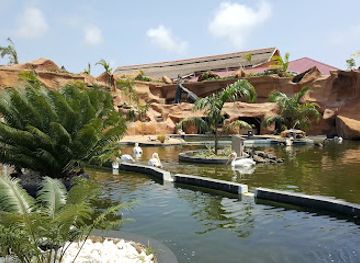
Keta Lagoon Protected Area
Explore the tranquil beauty and rich biodiversity of Keta Lagoon Protected Area, a hidden gem in Ghana perfect for nature lovers and eco-adventurers.
-
Market
Akodessewa Fetish Market
Discover the vibrant Akodessewa Fetish Market in Lomé, a hub of culture and tradition with unique artifacts and rich local heritage.
-
Nature preserve
Songor Lagoon Protected Area
Explore the scenic beauty and rich biodiversity of Songor Lagoon Protected Area, a hidden gem in Ghana's natural landscape.
-
Museum
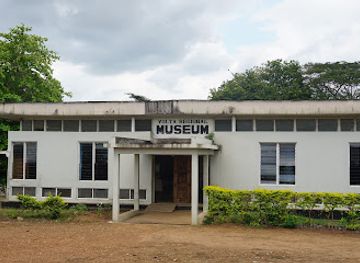
Volta Regional Museum
Explore the captivating history and vibrant culture of the Volta Region at the Volta Regional Museum in Ghana.

Best landmarks in Volta Region
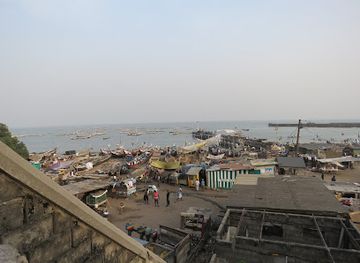
Fort Prinzenstein at Keta is one of the Volta Region’s most historically resonant landmarks. Built by the Danish in 1784, its ruined walls recall the military and commercial rivalry of the Gold Coast and the Atlantic slave trade, while coastal erosion has underscored the vulnerability of the site. Mount Afadja forms a powerful natural landmark near the Togo border, rising above forested foothills and marking one of the region’s best-known walking areas. Adaklu Mountain, an isolated, easily recognisable peak south of Ho, has strong visual and cultural importance in the surrounding landscape. Wli Falls is both a natural landmark and a major symbol of the region’s forested north-west, where water descends through the Togo mountain range. Keta Lagoon and its sandbar-shaped coastal setting provide another defining geographical feature, linking wetlands, fishing communities and the changing shoreline.
-
 Resort hotel
Aborigines Beach Resort
Experience the serene beauty of Aborigines Beach Resort in Keta, where relaxation meets vibrant local culture along the stunning Ghanaian coastline.
-
Fortress
Fort James
Explore Fort James, a historic fortress in Accra offering rich narratives of Ghana's past and stunning coastal views.
-
Tourist attraction
Tafi Atome Monkey Sanctuary And Cultural Village
Discover the wonders of Tafi Atome Monkey Sanctuary, where vibrant wildlife meets rich cultural heritage in the heart of Ghana.
-
Restaurant
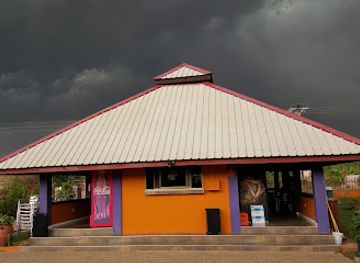
Somewhere in Sogakope
Experience authentic Ghanaian cuisine with a touch of international flair in a serene riverside setting. Fresh ingredients, friendly service, and a vibrant atmosphere await in Sogakope.

Explore Volta Region on the map
Plan your trip on one map. See where the top cities, national parks and sights are, and book hotels and experiences in a few clicks.
Best hotels in Volta Region
Best restaurants in Volta Region
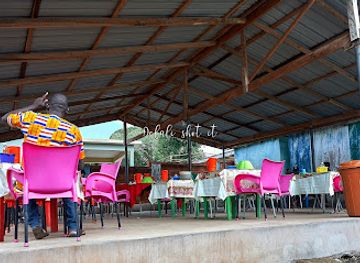
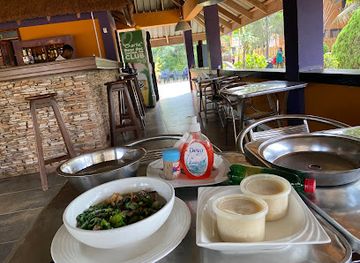
Food in the Volta Region reflects Ghanaian staples and the distinct environments of coast, lagoon, forest and farming country. Expect maize and cassava dishes, plantain, rice, beans, pepper sauces, grilled meat and freshwater or marine fish, with menus often changing according to the market and season. Along the coast and around lagoon settlements, fish is central, while inland towns offer soups, stews and dishes prepared with plantain, cocoyam and locally grown vegetables. Ho and Hohoe have the widest choice of chop bars, cafés, hotel restaurants and informal eating places; smaller towns rely more heavily on roadside kitchens and local eateries. Palm products, smoked fish, groundnuts and seasonal fruit make useful market purchases. Dining is generally informal, and food may be prepared to order, so patience is part of the experience. Bottled or treated water is the prudent choice for visitors unfamiliar with local supplies.
-
Restaurant
Agbenohevi Food joint
Experience authentic Ghanaian flavors at Agbenohevi Food Joint in Ho—where every meal tells a story of tradition and taste.
-
Restaurant
Somewhere in Sogakope
Discover authentic Ghanaian cuisine at Somewhere in Sogakope - where flavor meets culture in every dish.
-
Restaurant
Kwae Terrace
Experience the vibrant flavors of Ghana at Kwae Terrace – where local meets global in a delightful culinary journey.
-
Fast Food
Eli-Eli Rest Stop
Discover delicious fast food and delightful breakfasts at Eli-Eli Rest Stop in Sogakope – a must-visit culinary retreat on your travels.
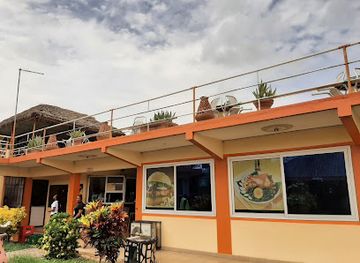
Best bars in Volta Region
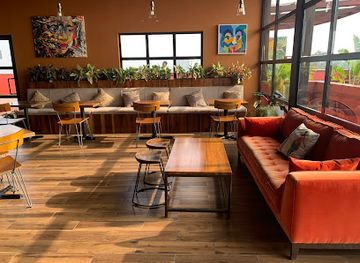
Evening life in the Volta Region is centred more on drinking spots, chop bars, hotel lounges, music and social gatherings than on a large nightclub circuit. Ho has the broadest selection of modern bars, casual venues and occasional live-music entertainment, while Hohoe provides a smaller evening scene linked to its role as a commercial and transport town. In Keta, Anloga and other coastal settlements, evenings may involve relaxed drinks, food and local music rather than formal entertainment districts. Rural communities generally become quiet earlier, although festivals, celebrations and weekend events can transform the atmosphere temporarily. Ghanaian beer, soft drinks and locally influenced cocktails are widely available in established venues, but visitors need not drink alcohol to participate in social life. Confirm transport before going out, particularly when staying near mountain attractions or outside the main towns.
-
Bar
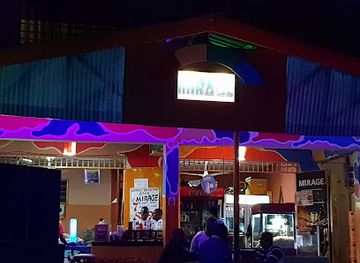
Mirage Pub
Discover the energetic nightlife at Mirage Pub in Ho, Ghana – where drinks, music, and local culture come together for an unforgettable experience.
-
Pub
Nogorah Junction Pub
Discover the vibrant local culture at Nogorah Junction Pub in Ho, where lively atmosphere meets delicious local drinks and snacks.
-
Pub
5-Star Pub (Big Boys Club)
Discover the vibrant nightlife at 5-Star Pub in Ho, where great drinks and lively entertainment come together for an unforgettable experience.
-
Pub
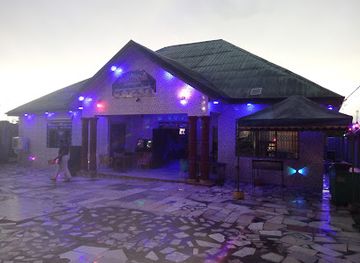
Shepherd Home Night Club & Restaurant
Discover the vibrant nightlife and culinary delights at Shepherd Home Night Club & Restaurant in Ho, Ghana, where every night is a celebration.
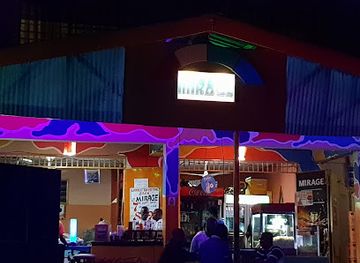
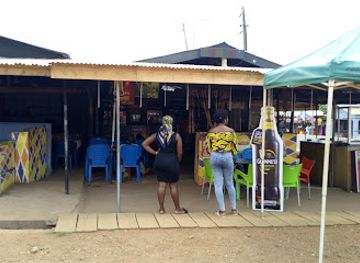
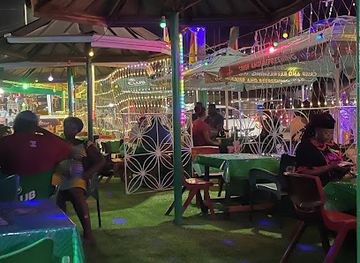
Best nightclubs in Volta Region
Evening life in the Volta Region is centred more on drinking spots, chop bars, hotel lounges, music and social gatherings than on a large nightclub circuit. Ho has the broadest selection of modern bars, casual venues and occasional live-music entertainment, while Hohoe provides a smaller evening scene linked to its role as a commercial and transport town. In Keta, Anloga and other coastal settlements, evenings may involve relaxed drinks, food and local music rather than formal entertainment districts. Rural communities generally become quiet earlier, although festivals, celebrations and weekend events can transform the atmosphere temporarily. Ghanaian beer, soft drinks and locally influenced cocktails are widely available in established venues, but visitors need not drink alcohol to participate in social life. Confirm transport before going out, particularly when staying near mountain attractions or outside the main towns.
-
Bar
Mirage Pub
Experience the vibrant nightlife at Mirage Pub in Ho, offering a lively bar atmosphere with diverse drinks and entertainment.
-
Disco club
Citadel Pub
Dive into Ho's vibrant nightlife at Citadel Pub, where beats and drinks create an unforgettable disco experience.
-
Pub
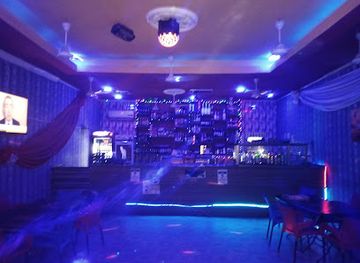
Shepherd Home Night Club & Restaurant
Discover the lively Shepherd Home Night Club & Restaurant in Ho, where delicious cuisine meets vibrant nightlife and local entertainment.
-
Lounge
Club House (VRA)
Discover tranquility and delightful flavors at Club House (VRA), the premier lounge in Akosombo offering stunning views and a vibrant atmosphere.
Best shops in Volta Region
Shopping in the Volta Region is primarily a market-town experience, with Ho offering the broadest range of everyday goods, fabrics, clothing, household products and foodstuffs. Hohoe is useful for provisions before mountain excursions and has a busy commercial role near the Togo border, while Keta, Anloga and Aflao provide access to coastal produce, fish and cross-border trading activity. Look for colourful printed textiles, woven items, baskets, carved goods, locally made jewellery and packaged foods, although quality and provenance vary and bargaining should remain courteous. Markets are also the best places to find plantains, cassava, peppers, fruit, smoked fish and regional ingredients rather than polished souvenirs. Small craft workshops and community tourism projects may offer more direct purchasing opportunities near attractions such as Tafi Atome and the mountain villages. Carry cash, protect purchases from rain and avoid buying antiquities or wildlife products.
-
Supermarket
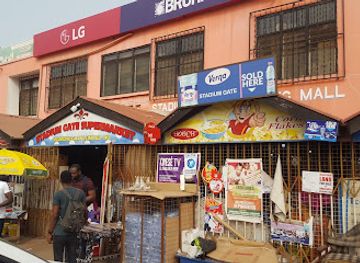
Stadium Gate Shopping Mall
Discover the dynamic Stadium Gate Shopping Mall in Ho, Ghana, where shopping, dining, and local culture come together in a vibrant atmosphere.
-
Shopping mall
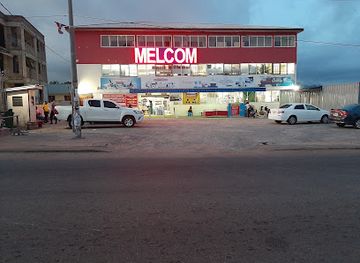
Melcom Ho Volta branch
Discover a shopping paradise at Melcom Ho in Ghana's Volta Region, featuring electronics, groceries, furniture, and more under one roof.
-
Shopping mall
Letsa Shopping Mall
Explore Letsa Shopping Mall: Your ultimate shopping and dining destination in Ho, Ghana, where culture meets modern retail.
-
Haute couture fashion house
THERA ASON
Explore the elegance of Ghanaian fashion at Thera Ason, a haute couture haven offering bespoke garments and unique accessories.
Get your free copy of our complete guide to Volta Region, delivered straight to you.
Everything on this page, from attractions and restaurants to essentials and local phrases, in one PDF you can read offline, print or share.
Already have an account? Sign in
Your Volta Region guide is ready.
We'll send it to · Not you? Sign out

Getting your guide ready…
We are putting together a fresh copy of the Volta Region guide. This can take up to a minute.
This can take a few moments. If your browser asks, choose Allow so the download can start. You'll find the guide in your Downloads folder.
Nothing happened? Download it again
Sorry, the guide is taking longer than usual. Please try again in a minute, or get it by email instead.
Volta Region essentials
Currency and Payment
Safety
Emergency Situations
Do's and Don'ts
Local Tips
From Eve
Local phrases worth knowing
You don't need to get them perfect. A few words go a long way, and locals appreciate the effort.
Basics
| English | Local | Say it |
|---|---|---|
| Hello | Akwaba | [ah-kwah-bah] |
| Goodbye | Nante yie | [nan-teh yie] |
| Yes | Aane | [ah-neh] |
| No | Daabi | [dah-bee] |
| Please/You're welcome | Mepa wo kyɛw | [meh-pah wo cheh] |
| Thank you | Medase | [meh-dah-seh] |
| Excuse me/Sorry | Kafra | [kah-frah] |
| How are you? | Ɛte sɛn? | [eh-teh sen?] |
| Fine. And you? | Me ho yɛ, na wo nso ɛ? | [meh ho yeh, nah woh nso eh?] |
| Do you speak English? | Wokasa Borɔfo? | [woh-kah-sah bo-roh-fo?] |
| I don't understand | Mente ase | [men-teh ah-seh] |
Eating & Drinking
| English | Local | Say it |
|---|---|---|
| I'd like to see the menu, please | Mepɛ sɛ mehu menu no, mepa wo kyɛw | [meh-peh seh meh-hoo meh-noo no, meh-pah wo cheh] |
| I don't eat meat | Mente abɔdeɛ | [men-teh ah-boh-deh] |
| Cheers! | Nsa so | [n-sah so] |
| I would like to pay, please | Mepɛ sɛ mɛtɔ sika no, mepa wo kyɛw | [meh-peh seh meh-taw si-kah no, meh-pah wo cheh] |
Emergencies
| English | Local | Say it |
|---|---|---|
| Help! | Mɛboa! | [meh-boh-ah] |
| Go away! | Kɔ n'ano! | [kaw nah-no] |
| Call the Police! | Frɛ ɔpolice! | [freh oh-po-lee-seh] |
| Call a doctor! | Frɛ dɔkita! | [freh doh-kee-tah] |
| I'm lost | Meda mu | [meh-dah moo] |
| I'm ill | Me yɛ yare | [meh yeh yah-reh] |
Shopping
| English | Local | Say it |
|---|---|---|
| I'd like to buy... | Mepɛ sɛ mɛtɔ... | [meh-peh seh meh-taw...] |
| I'm just looking | Merehwɛ nko ara | [meh-reh-hweh n-koh ah-rah] |
| How much is it? | Ɛyɛ sika bɛn? | [eh-yeh si-kah behn?] |
| That's too expensive | Ɛyɛ sika kɛse | [eh-yeh si-kah keh-seh] |
| Can you lower the price? | Wobɛtɔ sika no ase? | [woh-beh-taw si-kah no ah-seh?] |
Time & Numbers
| English | Local | Say it |
|---|---|---|
| What time is it? | Dɛn na ɛyɛ berɛ bɛn? | [den nah eh-yeh beh-reh behn?] |
| It's one o'clock | Ɛyɛ nsia | [eh-yeh en-sia] |
| Half past (10) | Nkyɛn (10) | [n-kyen 10] |
| Morning | Anɔpa | [ah-noh-pah] |
| Afternoon | Awia | [ah-wee-ah] |
| Evening | Anadwo | [ah-nah-dwo] |
| Yesterday | Ɛda a atwam | [eh-dah ah ah-twahm] |
| Today | Ɛnnɛ | [ehn-neh] |
| Tomorrow | Ɛkyɛ | [eh-cheh] |
| 1 | Baako | [bah-koh] |
| 2 | Mmienu | [mee-nay] |
| 3 | Mmienu | [mee-nay] |
| 4 | Nan | [nahn] |
| 5 | Num | [noom] |
| 6 | Nsia | [n-sia] |
| 7 | Nson | [n-son] |
| 8 | Nwɔtwe | [n-wot-weh] |
| 9 | Nkyɛn | [n-kyen] |
| 10 | Deka | [deh-kah] |
Transport & Directions
| English | Local | Say it |
|---|---|---|
| Where's a/the...? | Ɛhe na ...? | [eh-heh nah ...?] |
| What's the address? | Dɛn na adwuma no yɛ? | [den nah ah-dwoo-mah no yeh?] |
| Can you show me (on the map)? | Wobɛkyerɛ me (wɔ map no)? | [woh-beh-cheh-reh meh (woh map no)?] |
| When's the next (bus)? | Nnawɔtwe bɛn na ɛbɛba? | [n-nah-wot-weh behn nah eh-beh-bah?] |
| A ticket (to ....) | Kɔtɔ (kɔ....) | [kaw-taw (kaw....)] |
History of Volta Region
Ewe Settlement and Regional Kingdoms
The Volta Region’s cultural history is strongly associated with Ewe-speaking communities whose traditions recount movements and settlements across parts of present-day Ghana, Togo and Benin. Over time, local political communities developed around agriculture, trade, fishing and access to lagoons and mountain routes. Anloga, historically associated with the Anlo Ewe, became an important centre in the coastal south, while inland communities developed distinctive chiefly institutions and ritual landscapes. These histories remain visible in festivals, oral traditions, language, family networks and the organisation of settlements rather than in a single centralised kingdom covering the whole region.
European Forts and Coastal Trade
From the seventeenth century onwards, European commercial powers competed for influence along the Gold Coast. At Keta, Fort Prinzenstein was built by the Danish in 1784 and became part of the coastal system of trade and military rivalry. The fort was connected to the wider Atlantic commerce that included the trafficking of enslaved people, although much of its structure has been damaged by coastal erosion. The surviving ruins are a reminder that the present-day fishing and lagoon settlements of the Keta area were once linked to international commercial and imperial networks.
German Togoland and the Colonial Frontier
During the late nineteenth century, Germany established the colony of Togoland, whose western frontier reached areas now within Ghana’s Volta Region. Colonial administration, mission activity, taxation, road building and commercial agriculture altered local political and economic relationships. The border was not simply a line separating isolated societies: communities, languages and trading routes continued across it. German rule ended after the First World War, when the territory was divided under the League of Nations mandate system, creating a frontier whose effects remain important to the region’s geography and identity.
British Togoland and the Gold Coast
After the First World War, the western part of former German Togoland was administered by Britain as British Togoland, alongside the Gold Coast colony. The area later became involved in debates about political alignment and self-determination. In a 1956 plebiscite, voters in British Togoland supported integration with the Gold Coast, helping shape the territory that became part of independent Ghana in 1957. The legacy of this transition can still be felt in the region’s cross-border cultural connections and in discussions of Ewe identity and political history.
Independence and the Volta Region
Ghana’s independence in 1957 brought the former British Togoland area into a new national framework. The Volta Region subsequently developed as an administrative region with Ho as its capital, while its communities participated in national education, public administration, agriculture, trade and transport networks. Its position between Accra, the interior and Togo gave it continuing strategic importance. Regional identity has remained layered: residents may identify with a town, district, ethnic community, Ghanaian citizenship and wider cross-border Ewe connections at the same time.
Agriculture, Fishing and Changing Landscapes
Agriculture and fishing have long shaped livelihoods across the region, although their forms vary from the coast to the mountains. Cassava, maize, plantain, vegetables, oil palm and other crops are cultivated in different ecological zones, while lagoons, rivers and the Gulf of Guinea support fishing communities. Coastal erosion, changing rainfall patterns and pressure on wetlands have affected settlement and work, particularly around Keta. Inland tourism has added another economic strand, with waterfalls, mountain walks and forest attractions bringing visitors to communities that were previously less connected to international travel.
Volta Region in Photos
Browse through our photo collection highlighting the charm and character of the destination.
Neighbouring regions of Volta Region
The closest regions to Volta Region, if you have time for more than one.
-

-

-

-

-


Swipe for more regions
Explore more

Explore more of Ghana
Discover Ghana: A vibrant blend of rich history, stunning landscapes, and warm hospitality in the heart of West Africa.
Explore Ghana