

Free Oti Region Travel Guide & Mobile App
Explore Oti Region with free travel guides. Discover regional history, expert tips, proposed trips, and audio guides on web or mobile app.


Explore Ghana's Oti Region for Lake Volta journeys, Kyabobo landscapes, riverside towns, forested hills and distinctive northern Volta culture.
Read more about Oti Region
When is the best time to visit Oti Region?
Best: December–February · 31–32°C| Month | High (°C) | Rainfall (mm) |
|---|---|---|
| January (best) | 31 | 20 |
| February (best) | 32 | 30 |
| March | 33 | 40 |
| April | 34 | 50 |
| May | 32 | 60 |
| June | 31 | 70 |
| July | 31 | 80 |
| August | 31 | 90 |
| September | 31 | 80 |
| October | 31 | 70 |
| November | 32 | 60 |
| December (best) | 31 | 50 |
Getting to and around Oti Region
How to get there
Transportation
Destinations in Oti Region
Resorts, valleys and scenic spots worth a trip of their own.
-

-

-

-


Swipe for more destinations
Best attractions in Oti Region
Oti's attractions are shaped by water, wilderness and distance. Lake Volta and the Oti River provide opportunities for locally arranged boat trips, fishing-community visits and quiet observation of changing shorelines, particularly around Dambai and Kete Krachi. Kyabobo National Park is the region's principal protected area, combining forest, savannah, steep terrain and borderland scenery near Togo; its appeal lies in hiking, birdwatching, plant life and the chance to explore a relatively little-developed landscape rather than guaranteed big-game sightings. Town markets in Nkwanta, Kete Krachi and Dambai introduce visitors to regional food production and everyday commerce. Rural roads reveal farms, seasonal wetlands and wooded country, while cultural experiences are best arranged respectfully through local contacts, traditional authorities or knowledgeable guides. Oti is not a region of densely packed ticketed attractions, so travellers should allow time for journeys and treat the landscape and communities as central parts of the experience.
-
Historical landmark
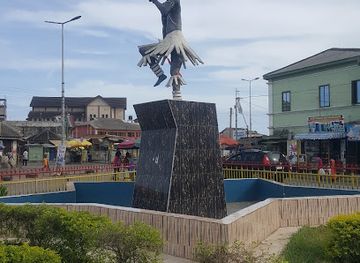
Fetish Priest Statue
Explore the Fetish Priest Statue in Sekondi-Takoradi, a cultural landmark showcasing Ghana's rich heritage and spiritual significance.
-
Tourist attraction
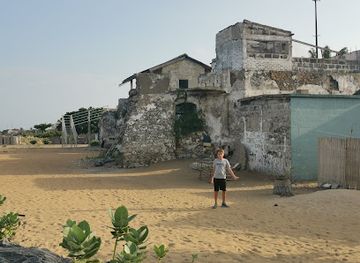
Fort Prinzenstein, Keta
Explore the historical significance and breathtaking beauty of Fort Prinzenstein in Keta, Ghana's captivating coastal treasure.
-
Tourist attraction
International Stingless Bee Centre
Explore the International Stingless Bee Centre in Odumase Abrafo for an unforgettable journey into the fascinating world of stingless bees and ecological conservation.
-
Hiking area
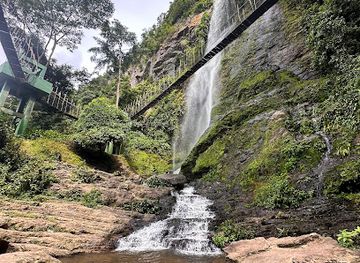
Ote Falls
Experience the breathtaking beauty of Ote Falls in Amedzofe - a perfect destination for hiking and nature exploration in Ghana's lush landscapes.
Best landmarks in Oti Region
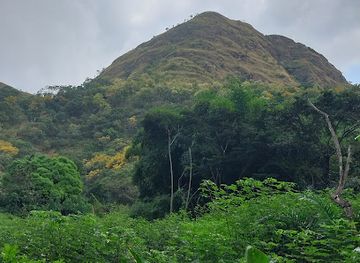
Mount Kyabobo is Oti's most recognisable natural landmark, rising within the rugged landscape of Kyabobo National Park near the Togo border. Its slopes and surrounding escarpments give the area a distinctive visual character and help explain its importance for hiking and conservation. The Oti River is another defining landmark, both as a major watercourse and as the route through which water enters Lake Volta. The broad lake shoreline and islands around the region form a dramatic human-made landscape whose waters support fishing, transport and settlement. In Dambai, the regional capital's position by the Oti and its associated crossings expresses the continuing importance of the river to movement and administration. Kete Krachi is significant as a historic Volta-basin town whose location reflects older trade routes and the transformation brought by Lake Volta. These places are valued less for monumental architecture than for the geographical and historical forces they represent.
-
National park
Kakum National Park
Explore the breathtaking landscapes and rich biodiversity of Kakum National Park, Ghana's premier eco-tourism destination with stunning views and unique experiences.
-
Tourist attraction
Boti Waterfalls
Discover the breathtaking beauty of Boti Waterfalls in Ghana, a must-visit destination for nature lovers seeking tranquility and adventure.
-
Museum
Osu Castle
Explore Osu Castle, a historic museum in Accra, Ghana, showcasing the country's colonial history and offering stunning coastal views.
-
Tourist attraction
Tafi Atome Monkey Sanctuary And Cultural Village
Explore the enchanting Tafi Atome Monkey Sanctuary, where playful monkeys and rich Ghanaian culture await your discovery.
Explore Oti Region on the map
Plan your trip on one map. See where the top cities, national parks and sights are, and book hotels and experiences in a few clicks.
Best hotels in Oti Region
Best restaurants in Oti Region
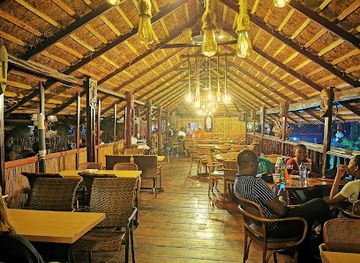
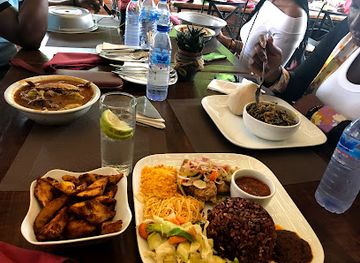
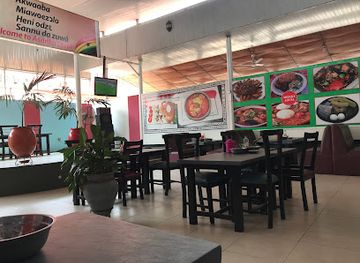
Dining in Oti is generally informal and closely connected to markets, farming and fishing rather than to a large restaurant industry. Local meals commonly draw on maize, cassava, yam, rice, plantain, beans and seasonal vegetables, with soups and stews served alongside staples such as banku, fufu, tuo zaafi or rice. Fresh and smoked fish are particularly relevant around Lake Volta and the Oti River, while grilled foods and simple roadside dishes are useful options on longer journeys. Town cafés and chop bars provide the most accessible meals in Dambai, Kete Krachi and Nkwanta, although menus and opening arrangements can be limited outside busy periods. Visitors should try regional produce at markets, ask about the day's fish or harvest and carry snacks for remote excursions. Ghanaian drinks and sachet water are widely available, but reliable supplies should be secured before heading into park or lakeside country.
-
Restaurant
Ike’s Cafe and Grill
Discover authentic Ghanaian cuisine at Ike’s Cafe and Grill in Kumasi's Cultural Centre, where flavor meets culture in a vibrant setting.
-
West African
The Buka Restaurant, Osu, Accra
Experience authentic West African cuisine at The Buka Restaurant in Osu, Accra - where every dish tells a story.
-
Restaurant
Asanka Local International Chop Bar
Experience authentic Ghanaian cuisine at Asanka Local International Chop Bar in Accra, where tradition meets flavor in a vibrant setting.
-
Restaurant
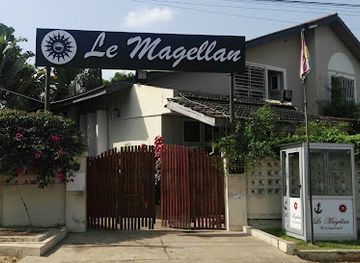
Le Magellan Restaurant
Experience exquisite dining at Le Magellan Restaurant in Accra, where local flavors meet international cuisine in a stunning atmosphere.
Best bars in Oti Region
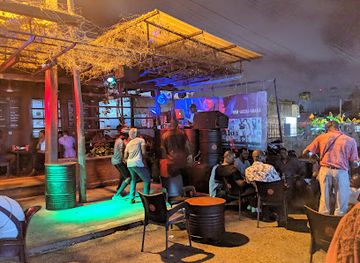
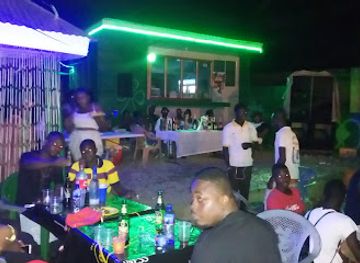
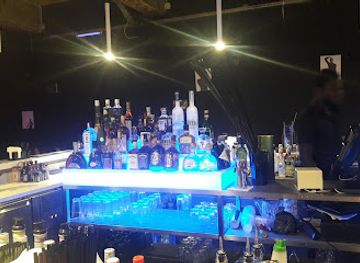
Oti's evening life is modest and town-centred. In Dambai, Kete Krachi, Nkwanta and other larger settlements, local drinking spots, chop bars and small lounges provide places to meet friends, listen to recorded music and follow football. Traditional pubs in the British sense are not the dominant format; roadside bars and informal beer spots are more typical, with quieter evenings in smaller communities. Nightclubs are limited compared with Accra, Kumasi or Ghana's major coastal resorts, and rural areas usually settle early. Occasional celebrations, festivals, live drumming and social events can bring a stronger evening atmosphere, but these are locally organised and should not be assumed to run on a fixed visitor timetable. Arrange transport back to accommodation before drinking, particularly around the lake or on poorly lit roads, and respect community noise expectations.
-
Grill
The Republic Bar & Grill
Discover the vibrant flavors and lively atmosphere of The Republic Bar & Grill in Accra, where local culture meets culinary excellence.
-
Bar
Malezia Pub
Discover the lively spirit of Hohoe at Malezia Pub, a local hotspot for refreshing drinks and socializing in a welcoming atmosphere.
-
Grill
Royal Spot
Experience the best of local and international grilled cuisine at Royal Spot in Jasikan, a culinary haven for food lovers.
-
Pub
Empire Villa Jasikan
Discover the vibrant flavors and warm atmosphere at Empire Villa Jasikan, a must-visit pub and restaurant in the heart of Jasikan.
Best nightclubs in Oti Region
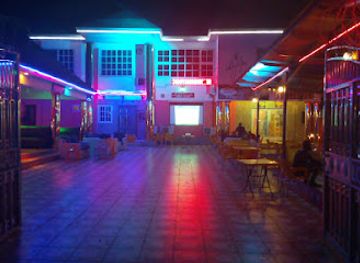
Oti's evening life is modest and town-centred. In Dambai, Kete Krachi, Nkwanta and other larger settlements, local drinking spots, chop bars and small lounges provide places to meet friends, listen to recorded music and follow football. Traditional pubs in the British sense are not the dominant format; roadside bars and informal beer spots are more typical, with quieter evenings in smaller communities. Nightclubs are limited compared with Accra, Kumasi or Ghana's major coastal resorts, and rural areas usually settle early. Occasional celebrations, festivals, live drumming and social events can bring a stronger evening atmosphere, but these are locally organised and should not be assumed to run on a fixed visitor timetable. Arrange transport back to accommodation before drinking, particularly around the lake or on poorly lit roads, and respect community noise expectations.
-
Disco club
Plot 7
Discover Plot 7, Accra's premier disco club, where electrifying beats and vibrant nightlife come together for an unforgettable party experience.
-
Night club
Twist Night Club
Discover the vibrant nightlife at Twist Night Club in Accra, where music, dance, and cocktails create an unforgettable experience.
-
Disco club
Octapuz lounge and night club
Discover the heartbeat of Accra's nightlife at Octapuz Lounge and Night Club, where music, dancing, and excitement come alive.
-
Night club
Kavalli @ Night
Discover the vibrant nightlife at Kavalli @ Night, Accra's premier night club offering an unforgettable dance experience and exceptional drinks.

Best shops in Oti Region
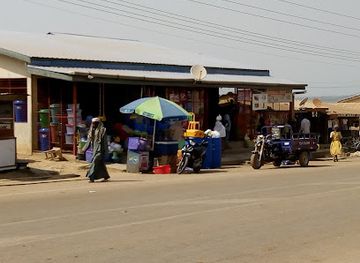
Shopping in Oti is concentrated in market towns and roadside trading areas rather than purpose-built retail districts. Markets in Dambai, Kete Krachi and Nkwanta are useful for observing the circulation of grains, yam, cassava, vegetables, smoked fish, dried foods and household goods. Local produce varies with season and rainfall, so market stalls offer a more immediate connection with the region's farming and fishing economy than formal souvenir shops do. Visitors may also find woven baskets, simple textiles, carved items and practical handmade goods, although selection and availability change from place to place. Ask sellers to distinguish locally made articles from imported merchandise, and bargain gently rather than treating negotiation as a contest. Pack food products securely and avoid buying protected wildlife materials or objects whose origin is unclear. Larger shopping requirements are best handled in Ghana's main cities before travelling into Oti.
-
Supermarket
Elemawusi Enterprise
Discover the best of Dambai at Elemawusi Enterprise, where local flavors and international goods meet in a vibrant supermarket setting.
-
Supermarket
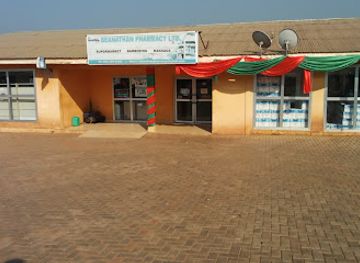
Beanathan Pharmacy & Supermarket
Explore the vibrant local culture and flavors at Beanathan Pharmacy & Supermarket in Nkwanta, Ghana, where shopping meets community.
-
Outlet store
Volta Red Mill
Explore Volta Red Mill in Hohoe, a vibrant outlet store showcasing local crafts and culture, perfect for unique souvenirs and authentic Ghanaian experiences.
-
Liquor store
I Beg God Enterprise
Explore the essence of Ghanaian culture at I Beg God Enterprise, your destination for local spirits and unique flavors in Nkwanta.

Get your free copy of our complete guide to Oti Region, delivered straight to you.
Everything on this page, from attractions and restaurants to essentials and local phrases, in one PDF you can read offline, print or share.
Already have an account? Sign in
Your Oti Region guide is ready.
We'll send it to · Not you? Sign out

Getting your guide ready…
We are putting together a fresh copy of the Oti Region guide. This can take up to a minute.
This can take a few moments. If your browser asks, choose Allow so the download can start. You'll find the guide in your Downloads folder.
Nothing happened? Download it again
Sorry, the guide is taking longer than usual. Please try again in a minute, or get it by email instead.
Oti Region essentials
Currency and Payment
Safety
Emergency Situations
Do's and Don'ts
Local Tips
From Eve
Local phrases worth knowing
You don't need to get them perfect. A few words go a long way, and locals appreciate the effort.
Basics
| English | Local | Say it |
|---|---|---|
| Hello | Agoo | [Ah-goo] |
| Goodbye | Nante yie | [Nahn-teh yee-eh] |
| Yes | Aane | [Ah-neh] |
| No | Daabi | [Dah-bee] |
| Please/You're welcome | Mepa wo kyɛw | [Meh-pah woh cheh] |
| Thank you | Medase | [Meh-dah-seh] |
| Excuse me/Sorry | Kafra | [Kah-frah] |
| How are you? | Wo ho te sɛn? | [Woh hoh teh sen?] |
| Fine. And you? | Me ho yɛ | [Meh hoh yeh] |
| Do you speak English? | Wopɛ sɛ woka Borɔfo? | [Woh-peh seh woh-kah Boh-roh-foh?] |
| I don't understand | Mente ase | [Men-teh ah-seh] |
Eating & Drinking
| English | Local | Say it |
|---|---|---|
| I'd like to see the menu, please | Mepɛ sɛ mihu menu no | [Meh-peh seh mee-hoo meh-noo noh] |
| I don't eat meat | Mente nkuto | [Men-teh nkoo-toh] |
| Cheers! | Nsa so! | [N-sah soh] |
| I would like to pay, please | Mepɛ sɛ mɛtɔ ka no | [Meh-peh seh meh-toh kah noh] |
Emergencies
| English | Local | Say it |
|---|---|---|
| Help! | Boa me! | [Boh-ah meh!] |
| Go away! | Kɔ! | [Kaw!] |
| Call the Police! | Frɛ ɔmanpanyin no! | [Fre oh-mahn-pah-nyin noh!] |
| Call a doctor! | Frɛ dɔkita! | [Fre doh-kee-tah!] |
| I'm lost | M'ani awu | [M'ah-nee ah-wu] |
| I'm ill | M'ani da | [M'ah-nee dah] |
Shopping
| English | Local | Say it |
|---|---|---|
| I'd like to buy... | Mepɛ sɛ mɛtɔ... | [Meh-peh seh meh-toh...] |
| I'm just looking | Merehwɛ | [Meh-reh-hweh] |
| How much is it? | Ɛyɛ sɛn? | [Eh-yeh sen?] |
| That's too expensive | Ɛyɛ dɔɔso | [Eh-yeh doh-oh-soh] |
| Can you lower the price? | Wobɛtɔ so? | [Woh-beh-toh soh?] |
Time & Numbers
| English | Local | Say it |
|---|---|---|
| What time is it? | Dɛn na ɛyɛ? | [Den nah eh-yeh?] |
| It's one o'clock | Eyɛ dɔnhwere baako | [Eh-yeh doh-n-hweh-reh bah-koh] |
| Half past (10) | Dɔnhwere mmerɛ (10) | [Doh-n-hweh-reh meh-reh (10)] |
| Morning | Anɔpa | [Ah-noh-pah] |
| Afternoon | Awia | [Ah-wee-ah] |
| Evening | Anadwo | [Ah-nah-joh] |
| Yesterday | Anɔpa a atwam | [Ah-noh-pah ah ah-twahm] |
| Today | Ɛnnɛ | [Eh-neh] |
| Tomorrow | Ɛkyɛ | [Eh-cheh] |
| 1 | Baako | [Bah-koh] |
| 2 | Mmienu | [Mmee-eh-noo] |
| 3 | Mmienu | [Mmee-eh-noo] |
| 4 | Mmienan | [Mmee-eh-nahn] |
| 5 | Mmiɛnsa | [Mmee-eh-n-sah] |
| 6 | Mmiɛnanan | [Mmee-eh-nah-nahn] |
| 7 | Mmiɛnnum | [Mmee-eh-n-noom] |
| 8 | Mmiɛnna | [Mmee-eh-n-nah] |
| 9 | Mmiɛnna | [Mmee-eh-n-nah] |
| 10 | Mmienum | [Mmee-eh-noom] |
Transport & Directions
| English | Local | Say it |
|---|---|---|
| Where's a/the...? | Ɛhe na ...? | [Eh-heh nah ...?] |
| What's the address? | Dɛn na adwuma no? | [Den nah ah-dwoo-mah noh?] |
| Can you show me (on the map)? | Wobɛda me ho adi (ɔmap no)? | [Woh-beh-dah meh hoh ah-dee (oh-map noh)?] |
| When's the next (bus)? | Bɛn na ɛbɛba (bɔs no)? | [Ben nah eh-beh-bah (baw-s noh)?] |
| A ticket (to ....) | Tiket (kɔ ....) | [Tee-ket (kaw ....)] |
History of Oti Region
Early Communities and Trade Routes
The Oti basin has long been occupied by farming, fishing and trading communities whose movements followed rivers, woodland corridors and routes linking the interior with the Volta basin. The area is home to several peoples, including Krachi, Nchumuru, Konkomba, Adele and Nawuri communities, among others. Their histories are preserved through oral traditions, customary institutions, settlement patterns and agricultural practices rather than through a large concentration of monumental archaeological sites. The region's location between the forest zone, the northern savannah and present-day Togo encouraged exchanges of goods, languages and cultural practices over many generations.
Krachi and the Volta Basin in the Nineteenth Century
Kete Krachi became an important centre in the history of the central Volta basin because of its position near the Oti River and the routes connecting northern and southern markets. In the nineteenth century, commerce in agricultural goods and other commodities linked local communities with wider networks extending towards the coast and the northern interior. Political authority was organised through traditional states and local communities rather than according to the modern regional boundaries used today. The prominence of Krachi helps explain why Kete Krachi remains one of Oti's most historically recognisable towns.
German and British Togoland
During the colonial period, the eastern part of the present Oti Region lay within the changing political landscape of Togoland. Germany established control over Togoland in the late nineteenth century, and after the First World War the territory was divided into League of Nations mandates administered by Britain and France. British Togoland was administered alongside the Gold Coast, the predecessor of modern Ghana. Colonial boundaries brought new systems of taxation, administration and transport while cutting across older cultural and trading relationships. The legacy of that period remains visible in the region's borderland identity and its connections with Togo.
Missionary Education and Colonial Administration
During the late colonial era, schools, churches, trading posts and administrative stations expanded unevenly through the Volta basin. Education and Christian missions influenced some communities, while traditional authorities and established religious practices continued to shape social life. Roads and river transport improved the movement of officials, teachers, produce and goods, although the region remained less urbanised and less industrialised than Ghana's coastal centres. The resulting pattern of dispersed towns, market centres and rural settlements still influences how visitors travel through Oti today.
The Creation of Lake Volta
The construction of the Akosombo Dam from the 1960s created Lake Volta, one of the world's largest artificial lakes by surface area. Although the dam is outside Oti Region, its reservoir transformed the region's geography, especially around the Oti River and Kete Krachi. Settlements, farms, transport routes and economic activities were disrupted or relocated, while fishing, lake transport and lakeside commerce became increasingly important. The lake is therefore both a major natural-looking landscape and a reminder of one of Ghana's most consequential modern infrastructure projects.
Oti Region and Contemporary Ghana
Oti Region was established in 2019 as part of Ghana's programme of administrative reorganisation, separating it from the former Volta Region. Dambai became the regional capital, while towns including Kete Krachi, Nkwanta and Kadjebi continued to serve as important local centres. The new region reflects distinct geographical and administrative needs across a large interior territory, including the management of roads, agriculture, lake transport, natural resources and borderland development. Its contemporary identity combines older cultural landscapes with new regional institutions and evolving tourism interest.
Oti Region in Photos
Browse through our photo collection highlighting the charm and character of the destination.
Neighbouring regions of Oti Region
The closest regions to Oti Region, if you have time for more than one.
-

-

-

-

-


Swipe for more regions
Explore more

Explore more of Ghana
Discover Ghana: A vibrant blend of rich history, stunning landscapes, and warm hospitality in the heart of West Africa.
Explore Ghana