

Free Sefwi Travel Guide & Mobile App
Explore Sefwi with free travel guides. Discover regional history, expert tips, proposed trips, and audio guides on web or mobile app.


Explore Sefwi in Ghana for forest landscapes, cocoa country, Akan heritage and access to the Bia conservation area.
Read more about Sefwi
When is the best time to visit Sefwi?
Best: December–February · 32–33°C| Month | High (°C) | Rainfall (mm) |
|---|---|---|
| January (best) | 32 | 24 |
| February (best) | 33 | 30 |
| March | 33 | 60 |
| April | 34 | 90 |
| May | 33 | 120 |
| June | 33 | 150 |
| July | 32 | 180 |
| August | 33 | 180 |
| September | 33 | 150 |
| October | 33 | 120 |
| November | 33 | 60 |
| December (best) | 32 | 30 |
Getting to and around Sefwi
How to get there
Transportation
Best attractions in Sefwi
Sefwi’s attractions are shaped by forest, agriculture and living culture rather than by a dense circuit of monumental sites. Bia National Park and the adjoining Bia conservation landscape are the region’s principal nature destinations, offering access to protected south-western rainforest through arrangements that should be made in advance. Wildlife sightings are not guaranteed, but the ecological setting, birdlife and forest interpretation are significant in their own right. The Krokosua Hills forest area provides another important perspective on the region’s remaining woodland and watershed environments, although visitor infrastructure is limited. Sefwi Wiawso and Bibiani introduce travellers to the commercial and civic life of the area, while smaller market communities reveal the importance of cocoa, plantain, cassava and other crops. Traditional festivals, chiefly ceremonies and community events can provide insight into Sefwi identity when attended by invitation or with suitable local guidance. Road journeys between towns are part of the experience, passing farms, forest margins and roadside produce stalls, but travel times are variable and should not be planned too tightly.
-
Tourist attraction
Ote waterfall
Explore the beauty of Ote Waterfall in Amedzofe, a serene escape surrounded by lush nature, perfect for relaxation and adventure seekers.
-
Bridge
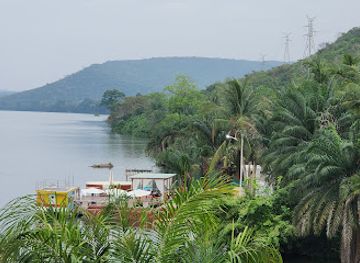
Adomi (Adome) Bridge
Discover the stunning Adomi Bridge in Ghana, an architectural marvel offering breathtaking views of the Volta River and surrounding landscapes.
-
Fortress
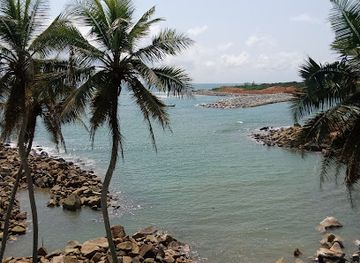
Fort Metal Cross | TortoisePath.com
Explore the historic Fort Metal Cross in Dixcove, Ghana, a coastal fortress rich in colonial history and stunning ocean views.
-
Fortress
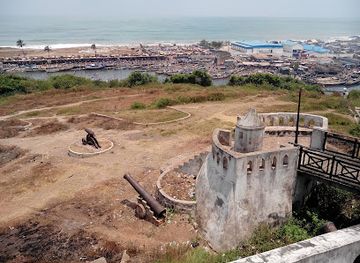
Ahomka Fie
Explore Ahomka Fie Fortress in Elmina, Ghana, a historical site that narrates the captivating stories of resilience and cultural heritage along the Atlantic coast.
Best landmarks in Sefwi
The most meaningful landmarks in Sefwi are tied to traditional authority, conservation and the region’s forest geography. Sefwi Wiawso’s traditional and civic centre is the clearest place to encounter the institutional presence of the Sefwi kingdom, although palace or chiefly grounds should only be visited with appropriate permission. The town’s role as the capital of Ghana’s Western North Region also gives it contemporary administrative importance. In the wider landscape, Bia National Park and the Bia forest system are geographical landmarks as much as wildlife destinations: they represent one of the remaining protected rainforest environments in this part of Ghana. The Krokosua Hills forest area similarly stands out as a wooded upland and conservation landscape. Cocoa-growing slopes, forest edges and riverside country complete the region’s visual identity, even where there is no formal monument. These places are best understood through local guides, conservation staff and community knowledge, since access and interpretation are less standardised than at Ghana’s major heritage attractions.
-
Historical landmark
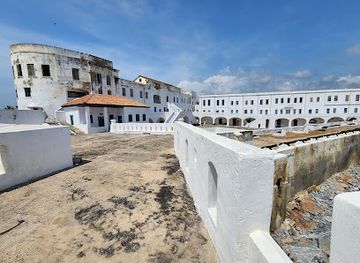
Cape Coast Castle
Explore Cape Coast Castle, a UNESCO World Heritage site, and uncover the poignant history of Ghana's role in the transatlantic slave trade.
-
 Museum
Kwame Nkrumah Memorial Park & Mausoleum
Explore the rich heritage of Ghana at the Kwame Nkrumah Memorial Park & Mausoleum, a serene tribute to the nation's founding leader.
-
Castle
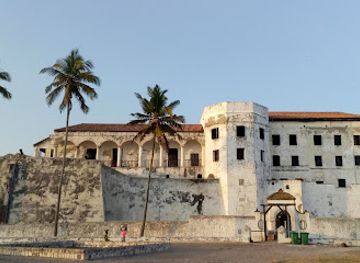
Elmina Castle
Discover the rich history and breathtaking views of Elmina Castle, a UNESCO World Heritage site that tells the story of Ghana's past.
-
National park
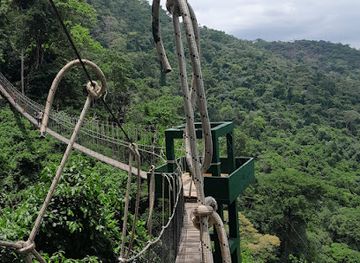
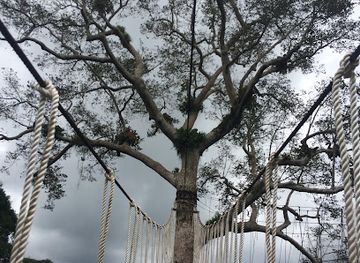
Kakum National Park
Explore the enchanting Kakum National Park, home to a stunning canopy walkway and diverse wildlife in the heart of Ghana's lush rainforest.
Explore Sefwi on the map
Plan your trip on one map. See where the top cities, national parks and sights are, and book hotels and experiences in a few clicks.
Best hotels in Sefwi
Best restaurants in Sefwi
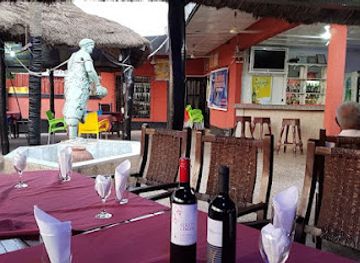
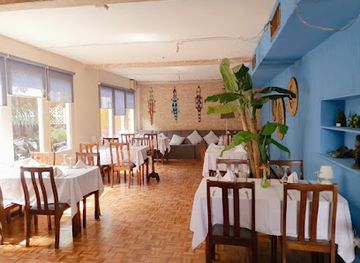
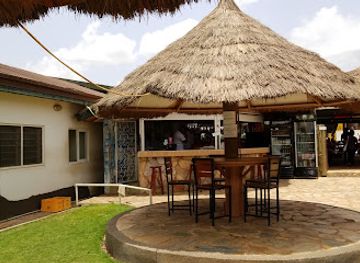
Dining in Sefwi is generally informal and local, with chop bars, family-run eateries, market food stalls and modest restaurants providing the main choice. Familiar Ghanaian dishes include fufu with soup, banku with pepper and fish, rice dishes, yam, plantain and beans, often served with stews containing fish, chicken or meat. The forest-farming economy is reflected in the prominence of cassava, plantain and other locally grown produce, while cocoa is an important agricultural product even when it is not presented as a restaurant ingredient. In Sefwi Wiawso and Bibiani, visitors will find a wider range of cooked meals and drinks than in smaller communities. Food is often prepared to order, so service can be unhurried; eating earlier in the evening is sensible outside the main towns. Bottled or treated water is the prudent choice, and visitors with dietary restrictions should explain them clearly before ordering.
-
Restaurant
Polo Club Restaurant & Lounge
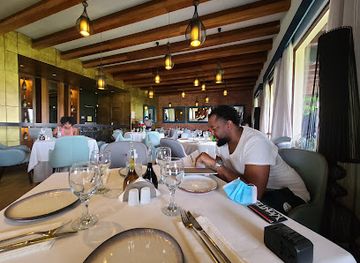
Experience luxurious dining with exquisite Italian and sushi offerings at Polo Club Restaurant & Lounge in Accra.
-
Restaurant
Chez Afrique
Savor authentic West African dishes at Chez Afrique in Accra - A culinary journey through Ghana's rich flavors awaits.
-
French
La Chaumiere
Discover La Chaumiere: Accra's premier French restaurant blending exquisite cuisine with warm Ghanaian hospitality.
-
Restaurant
Valleyz Restaurant & Bar
Experience culinary bliss at Valleyz Restaurant & Bar in Oyibi, where local flavors meet international cuisine amidst stunning views.
Best bars in Sefwi
Evening life in Sefwi is centred on neighbourhood drinking spots, local pubs, small restaurants, outdoor seating and social gatherings rather than a large nightclub circuit. Sefwi Wiawso and Bibiani offer the broadest selection of places to meet friends, listen to music and watch football, while smaller towns generally become quiet earlier. Ghanaian lager, soft drinks and locally familiar spirits may be available, but alcohol is not necessary to engage with local evening life. Occasional music events, celebrations and traditional festivals can create a livelier atmosphere, though dates and venues are changeable and should be checked locally. In rural districts, darkness, limited transport and uneven roads make returning after late outings difficult, so arrange a trusted vehicle in advance. Respect residential areas and community customs when socialising outdoors.
-
Bar
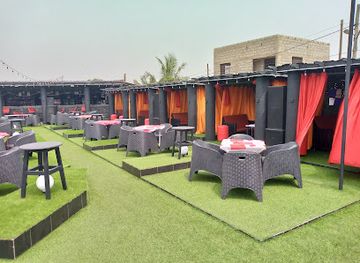
Sky Bar 25 Restaurant and Bar
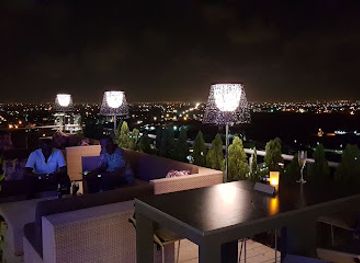
Experience unparalleled views and vibrant nightlife at Sky Bar 25, Accra's premier destination for cocktails and live music.
-
Pub
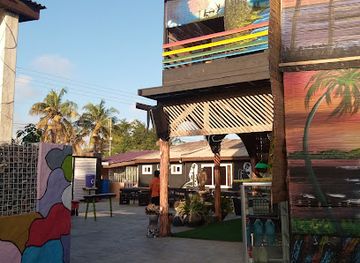
Treasures
Discover Treasures in Accra: A lively pub and live music venue offering a taste of Ghanaian flavors and vibrant nightlife.
-
Lounge
Wavez Executive Lounge
Experience the vibrant ambiance and exquisite flavors at Wavez Executive Lounge in Accra, where culinary delights meet live music in a stylish setting.
-
Grill
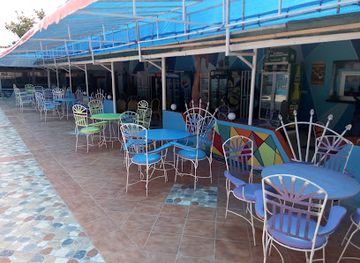
Wengeze Bitters, Wengeze Pub , Restaurant , Sport Bar and Guest House
Experience authentic Ghanaian flavors at Wengeze Bitters, a charming pub and grill in the heart of Accra, perfect for family outings and gatherings.
Best nightclubs in Sefwi
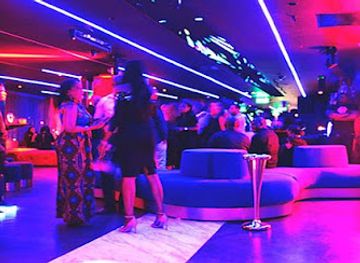
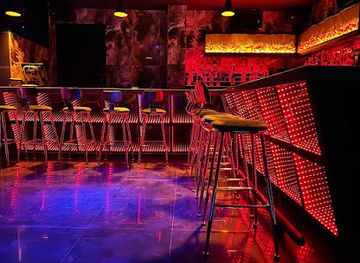
Evening life in Sefwi is centred on neighbourhood drinking spots, local pubs, small restaurants, outdoor seating and social gatherings rather than a large nightclub circuit. Sefwi Wiawso and Bibiani offer the broadest selection of places to meet friends, listen to music and watch football, while smaller towns generally become quiet earlier. Ghanaian lager, soft drinks and locally familiar spirits may be available, but alcohol is not necessary to engage with local evening life. Occasional music events, celebrations and traditional festivals can create a livelier atmosphere, though dates and venues are changeable and should be checked locally. In rural districts, darkness, limited transport and uneven roads make returning after late outings difficult, so arrange a trusted vehicle in advance. Respect residential areas and community customs when socialising outdoors.
-
Disco club
Plot 7
Discover the pulsating nightlife of Accra at Plot 7, where music, dancing, and unforgettable memories await.
-
Night club
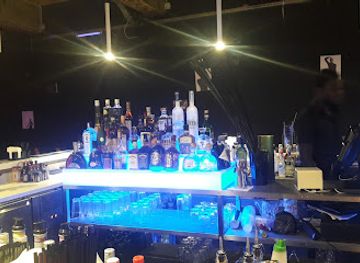
Twist Night Club
Discover the vibrant nightlife of Accra at Twist Night Club, where electrifying music, stylish ambiance, and delicious drinks await.
-
Night club
Kavalli @ Night
Discover the excitement of Accra's nightlife at Kavalli @ Night, a premier nightclub with vibrant music and cocktails.
-
Night club
Hotgossip Night Club
Immerse yourself in Accra's nightlife at Hotgossip Night Club, where vibrant music and great drinks create unforgettable evenings.

Best shops in Sefwi
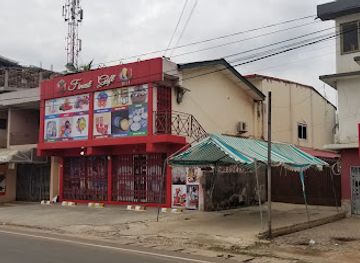
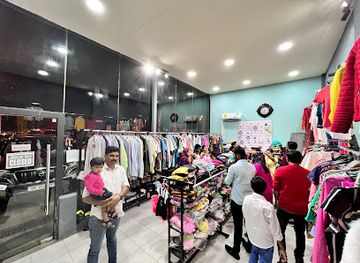
Shopping in Sefwi is primarily local and practical, with market towns providing food, household goods, clothing, phone services and everyday supplies rather than extensive specialist retail. Sefwi Wiawso and Bibiani offer the broadest choice, while smaller markets are useful for observing the movement of plantain, cassava, vegetables, cocoa-related goods and other produce from surrounding farms. Visitors may find locally made baskets, fabrics, carved items and other Ghanaian crafts, although availability varies and products should not automatically be labelled as uniquely Sefwi. Packaged cocoa and chocolate can make appropriate regional gifts when sourced from reputable sellers, but bulk agricultural products are not generally convenient for travellers to carry. Bargaining may be accepted in some informal markets, while fixed prices are more common in established shops. Ask permission before photographing vendors or goods, and carry cash in small Ghanaian cedi denominations for market purchases.
-
Gift shop
Finest Gifts
Explore Finest Gifts in Accra for unique souvenirs and local crafts that capture the essence of Ghana's vibrant culture.
-
Clothing store
FAA Shoppings (Indian & Western Dress Store/Indian Boutique)
Explore the vibrant fusion of Indian and Western fashion at FAA Shoppings in Accra, where style meets cultural diversity.
-
Shopping mall
YAA APOMASU SHOP.
Discover local culture and vibrant shopping at YAA APOMASU SHOP, Jinjini's premier shopping destination with diverse products and unique experiences.
-
Shopping mall
Shell Shop ~Ahwetieso rd
Explore the vibrant local culture and unique shopping experience at Shell Shop in Akwemim, where every purchase tells a story.
Get your free copy of our complete guide to Sefwi, delivered straight to you.
Everything on this page, from attractions and restaurants to essentials and local phrases, in one PDF you can read offline, print or share.
Already have an account? Sign in
Your Sefwi guide is ready.
We'll send it to · Not you? Sign out

Getting your guide ready…
We are putting together a fresh copy of the Sefwi guide. This can take up to a minute.
This can take a few moments. If your browser asks, choose Allow so the download can start. You'll find the guide in your Downloads folder.
Nothing happened? Download it again
Sorry, the guide is taking longer than usual. Please try again in a minute, or get it by email instead.
Sefwi essentials
Currency and Payment
Safety
Emergency Situations
Do's and Don'ts
Local Tips
From Eve
Local phrases worth knowing
You don't need to get them perfect. A few words go a long way, and locals appreciate the effort.
Basics
| English | Local | Say it |
|---|---|---|
| Hello | Akwabaa | [ah-kwa-bah] |
| Goodbye | Nante yie | [nan-teh yee-eh] |
| Yes | Aane | [ah-neh] |
| No | Dabi | [dah-bee] |
| Please/You’re welcome | Mepa wo kyɛw | [meh-pah wo chay] |
| Thank you | Medase | [meh-dah-seh] |
| Excuse me/Sorry | Kafra | [kah-frah] |
| How are you? | Ɛte sɛn? | [eh-teh sen] |
| Fine. And you? | Me ho yɛ, na wo nso? | [meh ho yeh, nah wo nso] |
| Do you speak English? | Woka Borɔfo? | [wo-kah bo-roh-foh] |
| I don’t understand | Mente ase | [men-teh ah-seh] |
Eating & Drinking
| English | Local | Say it |
|---|---|---|
| I’d like to see the menu, please | Mepɛ sɛ mehwɛ menua no, meda wo ase | [meh-peh seh meh-hweh meh-nu-ah noh, meh-dah wo ah-seh] |
| I don’t eat meat | Mente nka abɛn | [men-teh nka ah-ben] |
| Cheers! | Afehyia pa! | [ah-feh-yah pah] |
| I would like to pay, please | Mepɛ sɛ meyɛ sika no, meda wo ase | [meh-peh seh meh-yay see-kah noh, meh-dah wo ah-seh] |
Emergencies
| English | Local | Say it |
|---|---|---|
| Help! | Boa me! | [bo-ah meh] |
| Go away! | Kɔ ntɛm! | [kaw n-tem] |
| Call the Police! | Frɛ ɔpolice no! | [fre oh-po-leece noh] |
| Call a doctor! | Frɛ dɔkita! | [fre do-kee-tah] |
| I’m lost | Meda hɔ | [meh-dah ho] |
| I’m ill | Meyɛ yare | [meh-yeh yah-reh] |
Shopping
| English | Local | Say it |
|---|---|---|
| I’d like to buy... | Mepɛ sɛ mɛtɔ... | [meh-peh seh meh-taw] |
| I’m just looking | Merehwɛ nko | [meh-reh-hweh n-koh] |
| How much is it? | Ɛyɛ sika bɛn? | [eh-yeh see-kah behn] |
| That’s too expensive | Ɛyɛ dɛyɛ ɔyɛ | [eh-yeh deh-yay oh-yeh] |
| Can you lower the price? | Wobɛtɔ sika no so? | [wo-beh-taw see-kah noh so] |
Time & Numbers
| English | Local | Say it |
|---|---|---|
| What time is it? | Dɛn na ɛyɛ? | [den nah eh-yeh] |
| It’s one o’clock | Ɛyɛ dɔkɔda baako | [eh-yeh daw-koh-dah bah-koh] |
| Half past (10) | Dɔnhwere baako ne dɔnhwere mmerɛ | [dawn-hweh-reh bah-koh neh dawn-hweh-reh meh-reh] |
| Morning | Anɔpa | [ah-noh-pah] |
| Afternoon | Awia | [ah-wee-ah] |
| Evening | Anadwo | [ah-nah-joh] |
| Yesterday | Anɔpa a atwa | [ah-noh-pah ah ah-twah] |
| Today | Ɛnnɛ | [eh-neh] |
| Tomorrow | Ɛkyɛ | [eh-cheh] |
| 1 | Baako | [bah-koh] |
| 2 | Mmienu | [mee-eh-noo] |
| 3 | Mmienu | [mee-eh-nin] |
| 4 | Nan | [nahn] |
| 5 | Nnan | [n-nah] |
| 6 | Nsia | [n-siah] |
| 7 | Nson | [n-sohn] |
| 8 | Nkron | [n-kron] |
| 9 | Nkyɛn | [n-kyen] |
| 10 | Dɔkɔ | [daw-koh] |
Transport & Directions
| English | Local | Say it |
|---|---|---|
| Where's a/the...? | Ɛhe na ...? | [eh-heh nah] |
| What’s the address? | Dɛn na ɛyɛ adres no? | [den nah eh-yeh ah-dres noh] |
| Can you show me (on the map)? | Wobɛda me ho adi (ɔmap no)? | [wo-beh-dah meh ho ah-dee oh-map noh] |
| When's the next (bus)? | Berɛ bɛn na ɛyɛ (bus) a ɛto so? | [beh-reh behn nah eh-yeh bus ah eh-toh so] |
| A ticket (to ....) | Kɔtɔ a (kɔ ....) | [kaw-taw ah kɔ] |
History of Sefwi
Akan Settlement and the Sefwi Kingdom
Sefwi history belongs to the wider history of Akan-speaking societies in the forest belt of present-day Ghana. Sefwi political communities developed around chiefly authority, productive farmland and control of routes through the forest zone. The traditional area is associated with the Sefwi Oman, a kingdom whose rulers are known by the title Omanhene. Authority was expressed through royal courts, stools, oral traditions and customary offices, institutions that continue to have cultural importance even though modern local government operates alongside them.
Forest Trade and Regional Connections
Before colonial rule, Sefwi communities participated in networks linking the forest interior with the coast and adjoining Akan states. Gold, kola, foodstuffs and forest products moved through routes that connected settlements to larger commercial centres. The forest was not an empty wilderness: it was managed, farmed and traversed by communities whose knowledge of soils, rivers and woodland resources supported both subsistence and trade. These older connections help explain the region’s continuing links with neighbouring parts of Ghana and Côte d’Ivoire.
Colonial Rule and the Gold Coast Hinterland
During the expansion of British authority in the Gold Coast, Sefwi was incorporated into the colonial administrative system. New forms of taxation, courts, mapped boundaries and official administration operated alongside existing chiefly institutions. Colonial rule also intensified commercial links between the forest interior and coastal ports, while roads and later transport services altered the movement of people and goods. The period left a layered political landscape in which traditional authority, national government and local administration all remain relevant to public life.
Cocoa and Agricultural Transformation
Cocoa became a major force in the economic transformation of Sefwi during the twentieth century. Farmers cleared and managed parts of the forest for cocoa cultivation, and the crop drew labour, traders and migrants into the region. Cocoa remains central to the rural economy, although farms also produce plantain, cassava, maize and other food crops. The industry has brought income and commercial growth, but it has also created continuing questions about land use, ageing farms, labour and the protection of remaining forest.
Forest Protection and Biodiversity Conservation
The establishment of protected areas, including Bia National Park and the Bia Resource Reserve, reflected growing recognition of the ecological importance of south-western Ghana’s remaining forest. The Bia landscape supports important habitats and forms part of a wider conservation story involving endangered forest species, watersheds and pressure from farming and settlement. Conservation has sometimes required balancing national environmental priorities with the needs of communities whose livelihoods depend on land and forest resources. Today, protected forests are among Sefwi’s most significant natural inheritances.
Modern Western North Ghana
Sefwi’s contemporary geography is shaped by Ghana’s decentralised local-government system and the creation of the Western North Region in 2019. Sefwi Wiawso became the regional capital, strengthening its role in administration, education, commerce and public services. Bibiani remains an important town in the north of the Sefwi area, while smaller municipalities and rural districts retain strong agricultural and traditional identities. Modern Sefwi therefore combines historic kingship, cocoa farming, conservation concerns and the institutions of Ghanaian regional government.
Sefwi in Photos
Browse through our photo collection highlighting the charm and character of the destination.
Neighbouring regions of Sefwi
The closest regions to Sefwi, if you have time for more than one.
-

-

-

-

-


Swipe for more regions
Explore more

Explore more of Ghana
Discover Ghana: A vibrant blend of rich history, stunning landscapes, and warm hospitality in the heart of West Africa.
Explore Ghana