

Free Western Region Travel Guide & Mobile App
Explore Western Region with free travel guides. Discover regional history, expert tips, proposed trips, and audio guides on web or mobile app.


Explore Ghana’s Western Region for Atlantic beaches, rainforest, historic forts, fishing towns, Nzulezo and the industrial energy of Takoradi.
Read more about Western Region
When is the best time to visit Western Region?
Best: December–February · 29–30°C| Month | High (°C) | Rainfall (mm) |
|---|---|---|
| January (best) | 29 | 40 |
| February (best) | 30 | 50 |
| March | 31 | 70 |
| April | 31 | 90 |
| May | 30 | 110 |
| June | 30 | 130 |
| July | 29 | 150 |
| August | 29 | 160 |
| September | 29 | 140 |
| October | 30 | 110 |
| November | 30 | 70 |
| December (best) | 29 | 50 |
Getting to and around Western Region
How to get there
Transportation
Top city travel guides in Western Region
The cities of Western Region, and the easiest places to base yourself.
-

-

-


Swipe for more cities
Destinations in Western Region
Resorts, valleys and scenic spots worth a trip of their own.
-

-

-

-

-


Swipe for more destinations
Best attractions in Western Region
The Western Region’s attractions combine Atlantic heritage, forest ecology and working landscapes. Sekondi-Takoradi provides urban museums, markets, port scenery and access to the coast, while the historic west centres on Axim’s Fort San Antonio and the coastal settlements around Beyin. Nzulezo, reached by canoe across Lake Tadane, is a community-based cultural and environmental visit rather than a conventional museum, and should be approached with respect for residents’ privacy. Ankasa Conservation Area offers guided rainforest experiences, birdwatching and the chance to see a biologically important forest environment, although wildlife sightings are never guaranteed. Cape Three Points brings together a lighthouse, forest, beaches and broad ocean views. The Tarkwa and Prestea districts reveal the region’s long mining history, while fishing villages and lagoons show how coastal livelihoods continue alongside industry. Visitors should expect varying road surfaces, humid conditions and limited facilities outside the main towns, making local guides and flexible planning especially useful.
-
 Resort hotel
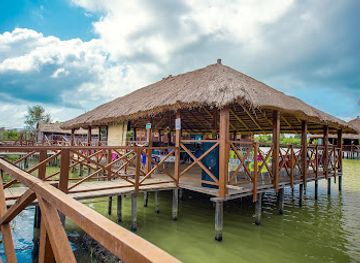
Busua Beach Resort
Experience the beauty of Busua Beach Resort, a tranquil escape along Ghana's stunning coastline, perfect for relaxation and cultural exploration.
-
Resort hotel
Aqua Makarios Resort
Discover the ultimate relaxation at Aqua Makarios Resort, a luxurious destination in Takoradi offering stunning views, fine dining, and recreational activities.
-
Castle
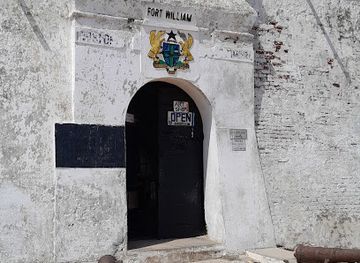
Fort William, Ghana
Discover Fort William in Anomabo, Ghana - A historical castle offering stunning coastal views and rich insights into Ghana's colonial past.
-
Fortress
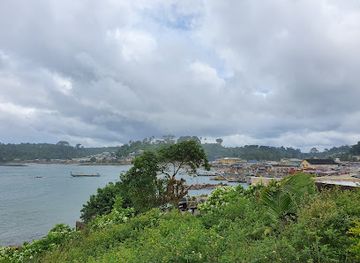
Fort Metal Cross | TortoisePath.com
Explore the rich colonial history and breathtaking coastal views at Fort Metal Cross in Dixcove, Ghana, a must-visit destination for history lovers.
Best landmarks in Western Region
Fort San Antonio at Axim is one of the Western Region’s most important surviving coastal landmarks, standing above the Ankobra River and representing the long, contested history of European fortification and Atlantic trade. Near Beyin, Fort Apollonia forms another significant reminder of the region’s interaction with European powers, local authorities and changing commerce. The lighthouse at Cape Three Points is a prominent navigational marker on Ghana’s southernmost mainland area, set within a landscape of forest and exposed coast. Sekondi-Takoradi’s harbour and railway heritage express a later period of industrial transformation, when transport infrastructure connected the coast with the mining hinterland. The historic mining landscapes around Tarkwa and Prestea are less monumental but equally important to the region’s identity, revealing the physical legacy of gold extraction. Nzulezo’s lake settlement is a cultural and geographical landmark rather than a masonry monument: its water-based setting demonstrates a distinctive relationship between community life and the coastal wetland environment.
-
Historical landmark
Cape Coast Castle
Explore Cape Coast Castle, a UNESCO World Heritage Site, and discover the profound history of the transatlantic slave trade in Ghana.
-
Museum
Kwame Nkrumah Memorial Park & Mausoleum
Explore the historical and cultural significance of Ghana at the Kwame Nkrumah Memorial Park & Mausoleum, a tribute to the nation's founding father.
-
Castle
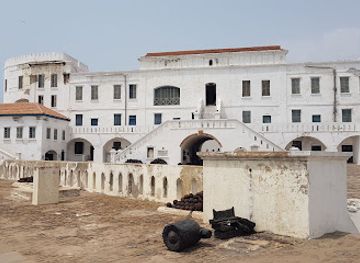
Elmina Castle
Explore Elmina Castle, a UNESCO World Heritage Site, where rich history meets stunning coastal views in Ghana.
-
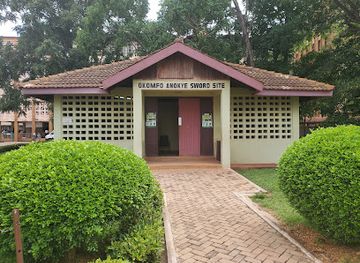
Historical place
komfo Anokye Sword Site
Explore the Komfo Anokye Sword Site in Kumasi, a historical treasure that tells the tale of the Asante Kingdom's legendary past and cultural significance.
Explore Western Region on the map
Plan your trip on one map. See where the top cities, national parks and sights are, and book hotels and experiences in a few clicks.
Best hotels in Western Region
Best restaurants in Western Region
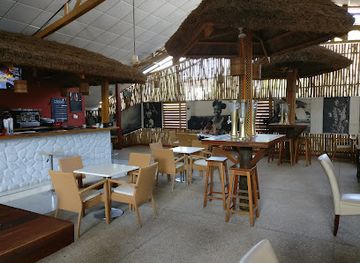
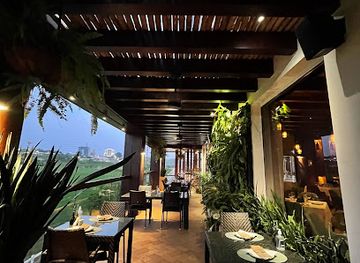
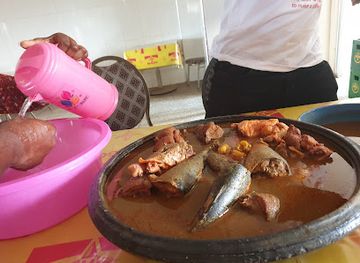
Dining in the Western Region reflects both its Atlantic coastline and forested interior. Fresh grilled or fried fish is widely available in coastal towns, often accompanied by kenkey, banku, fried plantain, yam, rice or spicy pepper sauces. Local cooking also includes soups and stews prepared with cassava, plantain, cocoyam, meat or seafood, while tropical fruit and palm-based ingredients appear in markets and household food. Sekondi-Takoradi has the broadest choice, from Ghanaian chop bars and cafés to hotel restaurants and contemporary dining rooms, with more informal options in Axim and other towns. Roadside food is useful for daytime travel, but standards and availability vary, so choose busy places with good food turnover. Markets are valuable for experiencing regional produce, including fish, plantain, cassava and locally grown fruit. In fishing communities, meals may be simple and seasonal rather than presented as a formal tourist experience.
-
Restaurant
The Gold Coast Restaurant & Cocktail Bar
Experience exquisite seafood and crafted cocktails at The Gold Coast Restaurant & Cocktail Bar in Accra—where every meal tells a story.
-
Restaurant
Polo Club Restaurant & Lounge
Experience culinary excellence at Polo Club Restaurant & Lounge - where Italian and sushi cuisines meet luxury dining in Accra.
-
Chop bar
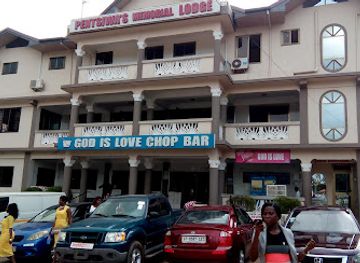
God Is Love Chopbar
Discover authentic Ghanaian cuisine at God Is Love Chopbar in Takoradi - where every dish tells a story!
-
Restaurant
Anaji choice restaurant
Experience authentic Ghanaian cuisine at Anaji Choice Restaurant in Takoradi - where every dish tells a story.
Best bars in Western Region
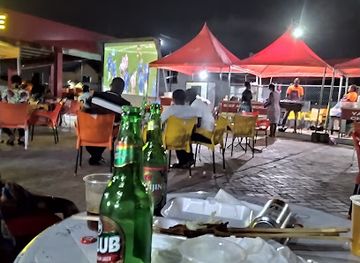
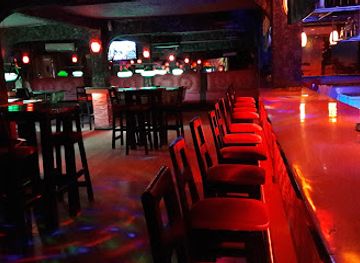
Nightlife is concentrated in Sekondi-Takoradi, where pubs, lounges, restaurants, hotel bars and occasional live-music venues serve residents, business travellers and younger urban crowds. The city’s evening culture is more substantial than that of the rural coast, but it does not operate as a single, clearly defined club district, and opening arrangements can change. In Axim and smaller coastal towns, evenings generally centre on local drinking spots, restaurants, music and conversation rather than a large nightclub scene. Ghanaian beer, soft drinks, spirits and locally influenced cocktails are commonly available in established venues. Visitors should arrange reliable transport after dark, particularly outside the main urban area. In villages and conservation zones, the most appropriate evening activity is often an early meal, conversation or quiet time at accommodation rather than seeking organised nightlife.
-
Chop bar
God Is Love Chopbar
Discover the vibrant and authentic flavors of Ghana at God Is Love Chopbar, a must-visit culinary hotspot in Takoradi.
-
Lounge
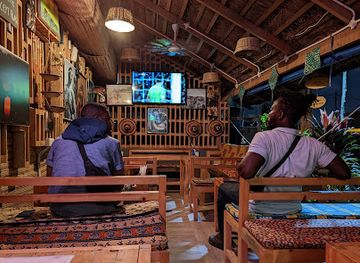
Vienna Lounge & Bar
Experience the pulse of Takoradi nightlife at Vienna Lounge & Bar, your ultimate destination for dining, entertainment, and unforgettable memories.
-
Bar
Coconut Bay
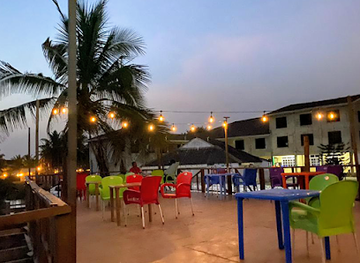
Experience the vibrant nightlife and refreshing drinks at Coconut Bay, your perfect beachside bar in Takoradi, Ghana.
-
Grill
The Tribe
Experience the essence of Takoradi at The Tribe, where delicious grills meet a vibrant atmosphere in a culinary haven.
Best nightclubs in Western Region
Nightlife is concentrated in Sekondi-Takoradi, where pubs, lounges, restaurants, hotel bars and occasional live-music venues serve residents, business travellers and younger urban crowds. The city’s evening culture is more substantial than that of the rural coast, but it does not operate as a single, clearly defined club district, and opening arrangements can change. In Axim and smaller coastal towns, evenings generally centre on local drinking spots, restaurants, music and conversation rather than a large nightclub scene. Ghanaian beer, soft drinks, spirits and locally influenced cocktails are commonly available in established venues. Visitors should arrange reliable transport after dark, particularly outside the main urban area. In villages and conservation zones, the most appropriate evening activity is often an early meal, conversation or quiet time at accommodation rather than seeking organised nightlife.
-
Lounge
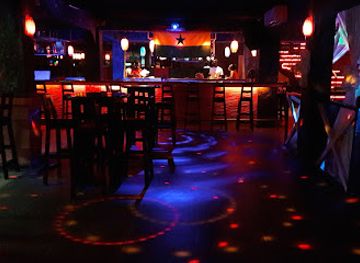
Vienna Lounge & Bar
Discover the vibrant nightlife of Takoradi at Vienna Lounge & Bar, where delicious food, refreshing drinks, and exciting entertainment await.
-
Disco club
Octapuz lounge and night club
Experience the electrifying nightlife at Octapuz Lounge and Night Club in Accra, where music, dancing, and vibrant atmosphere await.
-
Night club
KRUNA The Club
Dive into the heart of Accra's nightlife at KRUNA The Club, where vibrant music and an electrifying atmosphere await every night.
-
Bar
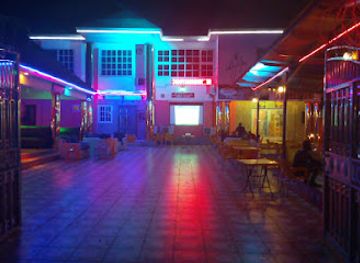
Ghacem CLUB HOUSE
Discover the lively charm of Ghacem CLUB HOUSE in Takoradi, where refreshing drinks and vibrant local culture come together.

Best shops in Western Region
Shopping is most varied in Sekondi-Takoradi, where markets, supermarkets, high streets and independent traders serve both local residents and the region’s industrial workforce. Fresh fish, plantain, cassava, fruit, spices and prepared foods are the most characteristic purchases in local markets, while visitors can also look for Ghanaian textiles, clothing, beads, baskets, woodwork and everyday crafts. Axim and other coastal towns offer smaller markets and stalls with a more local, practical character rather than extensive souvenir retail. Artisans and informal sellers may work near visitor sites, but quality and prices vary, so inspect goods carefully and agree prices politely before buying. Regional food products, fabrics and craft items make more useful souvenirs than shells, archaeological material or anything taken from beaches and forests. Carry smaller cedi notes for market purchases, and remember that rural traders may not accept cards or mobile payments consistently.
-
Boutique
Excellence boutique Head office
Discover unique fashion and accessories at Excellence Boutique in Accra, where contemporary style meets Ghanaian tradition.
-
Clothing store
FAA Shoppings (Indian & Western Dress Store/Indian Boutique)
Explore FAA Shoppings in Accra for the finest Indian and Western clothing, where vibrant styles meet cultural richness.
-
Electronics store
Franko Trading Enterprises
Explore the latest mobile devices and accessories at Franko Trading Enterprises, Tarkwa's premier electronics store for tech lovers.
-
Clothing store
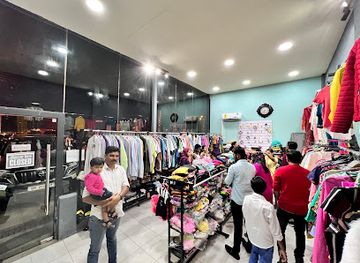
FOTOSTORE, Takoradi
Explore the vibrant world of fashion at FOTOSTORE in Takoradi, where local culture meets contemporary style.



Get your free copy of our complete guide to Western Region, delivered straight to you.
Everything on this page, from attractions and restaurants to essentials and local phrases, in one PDF you can read offline, print or share.
Already have an account? Sign in
Your Western Region guide is ready.
We'll send it to · Not you? Sign out

Getting your guide ready…
We are putting together a fresh copy of the Western Region guide. This can take up to a minute.
This can take a few moments. If your browser asks, choose Allow so the download can start. You'll find the guide in your Downloads folder.
Nothing happened? Download it again
Sorry, the guide is taking longer than usual. Please try again in a minute, or get it by email instead.
Western Region essentials
Currency and Payment
Safety
Emergency Situations
Do's and Don'ts
Local Tips
From Eve
Local phrases worth knowing
You don't need to get them perfect. A few words go a long way, and locals appreciate the effort.
Basics
| English | Local | Say it |
|---|---|---|
| Hello | Akwabaa | [ah-kwa-bah] |
| Goodbye | Nante yie | [nan-teh yee-eh] |
| Yes | Aane | [ah-neh] |
| No | Daabi | [dah-bee] |
| Please/You're welcome | Mepa wo kyɛw | [meh-pah woh cheh] |
| Thank you | Medase | [meh-dah-seh] |
| Excuse me/Sorry | Kafra | [kah-frah] |
| How are you? | Wo ho te sɛn? | [woh hoh teh sen?] |
| Fine. And you? | Me ho yɛ, na wo nso? | [meh hoh yeh, nah woh nso?] |
| Do you speak English? | Wokɔ kasa English? | [woh-koh kah-sah English?] |
| I don't understand | Mente ase | [men-teh ah-seh] |
Eating & Drinking
| English | Local | Say it |
|---|---|---|
| I'd like to see the menu, please | Mepɛ sɛ mehwɛ menu no, please | [meh-peh seh meh-hweh meh-new noh, pleez] |
| I don't eat meat | Mente nka | [men-teh nka] |
| Cheers! | Nsa na yɛ | [n-sah nah yeh] |
| I would like to pay, please | Mepɛ sɛ mɛtɔ, please | [meh-peh seh meh-taw, pleez] |
Emergencies
| English | Local | Say it |
|---|---|---|
| Help! | Boa me! | [boh-ah meh!] |
| Go away! | Kɔ fi! | [koh fee!] |
| Call the Police! | Frɛ mpɔtam anaa! | [freh m-poh-tahm ah-nah!] |
| Call a doctor! | Frɛ dɔkita! | [freh doh-kee-tah!] |
| I'm lost | Meda ho akyirikyiri | [meh-dah hoh ah-kee-ree-kee-ree] |
| I'm ill | Medi abufuw | [meh-dee ah-boo-fooh] |
Shopping
| English | Local | Say it |
|---|---|---|
| I'd like to buy... | Mepɛ sɛ mɛtɔ... | [meh-peh seh meh-taw...] |
| I'm just looking | Merehwɛ nko ara | [meh-reh-hweh n-koh ah-rah] |
| How much is it? | Ɛyɛ sɛn? | [eh-yeh sen?] |
| That's too expensive | Ɛyɛ dɔɔso | [eh-yeh doh-oh-soh] |
| Can you lower the price? | Wobɛtɔ so? | [woh-beh-taw soh?] |
Time & Numbers
| English | Local | Say it |
|---|---|---|
| What time is it? | Dɛn na ɛyɛ? | [den nah eh-yeh?] |
| It's one o'clock | Ɛyɛ dɔnhwere baako | [eh-yeh don-hweh-reh bah-koh] |
| Half past (10) | Dɔnhwere nson | [don-hweh-reh n-sohn] |
| Morning | Anɔpa | [ah-noh-pah] |
| Afternoon | Awia | [ah-wee-ah] |
| Evening | Anadwo | [ah-nah-dwoh] |
| Yesterday | Ɛnnɛ da | [eh-neh dah] |
| Today | Ɛnnɛ | [eh-neh] |
| Tomorrow | Ɛkyena | [eh-cheh-nah] |
| 1 | Baako | [bah-koh] |
| 2 | Mmienu | [mee-eh-noo] |
| 3 | Mmienu | [mee-eh-nu] |
| 4 | Nan | [nahn] |
| 5 | Nnan | [n-nan] |
| 6 | Nsia | [n-siah] |
| 7 | Nson | [n-sohn] |
| 8 | Nkyɛn | [n-cheh] |
| 9 | Nkyɛn | [n-cheh] |
| 10 | Dɔn | [dohn] |
Transport & Directions
| English | Local | Say it |
|---|---|---|
| Where's a/the...? | Ɛhe na ...? | [eh-heh nah ...?] |
| What's the address? | Dɛn na adwuma no? | [den nah ah-dwoo-mah noh?] |
| Can you show me (on the map)? | Wobɛda me ho adi (wɔ map no)? | [woh-beh-dah meh hoh ah-dee (woh map noh)?] |
| When's the next (bus)? | Bɛn na bus a ɛbɛba? | [ben nah bus ah eh-beh-bah?] |
| A ticket (to ....) | Tiketi (kɔ ...) | [tee-keh-tee (koh ...)] |
History of Western Region
Early Coastal Communities and Nzulezo
Long before European forts appeared, communities along the Western Region’s lagoons, rivers and forest margins developed economies based on fishing, farming, canoe transport and regional exchange. Nzulezo, the settlement on Lake Tadane near Beyin, preserves a particularly distinctive water-based way of life, although its historical development belongs to a much longer local story than the visitor experience alone suggests. The lake and surrounding wetlands illustrate how people adapted settlement, movement and food production to the coastal environment.
European Forts and Atlantic Trade, Fifteenth to Nineteenth Centuries
The Western Region became an important zone of Atlantic contact from the late fifteenth century, when Portuguese and later Dutch, English and other European traders established coastal bases. Fort San Antonio at Axim and Fort Apollonia near Beyin were built within a wider system of forts and trading posts. Gold was a major attraction, while other forms of commerce, including the transatlantic slave trade, brought profound disruption and violence to coastal societies. The surviving forts are therefore both architectural remains and places connected with difficult historical memory.
Axim, Ahanta and Coastal Political Power
Axim and the surrounding Ahanta area were shaped by local political authority, Atlantic commerce and competition among European powers. Coastal rulers negotiated, resisted and collaborated within changing commercial relationships rather than simply serving as passive intermediaries. Fort San Antonio, transferred between European control at different points, reflects this contested setting. The legacy remains visible in the region’s coastal architecture, settlement patterns and cultural connections, while local communities continue to interpret this past through their own histories and traditions.
Gold Mining and the Tarkwa-Prestea Belt
Gold mining became one of the defining modern forces in the inland Western Region, particularly around Tarkwa and Prestea. Industrial extraction expanded during the colonial period and continued after Ghana’s independence, bringing rail connections, labour migration, company towns and major economic investment. Mining also altered landscapes and created enduring environmental and social debates. The region’s gold history helps explain why the Western Region contains both prosperous commercial centres and communities shaped by the opportunities and pressures of resource extraction.
Sekondi, Railways and Harbour Development
Sekondi grew in importance during the colonial period as railway construction connected the coast with the mining districts and agricultural hinterland. Harbour development and railway traffic helped turn Sekondi and neighbouring Takoradi into a major industrial and transport centre. Takoradi Harbour, opened in the early twentieth century, strengthened links between Ghana’s coast and international trade. The later administrative and urban union of Sekondi-Takoradi produced the region’s principal city, whose identity still combines port activity, industry, commerce and coastal urban life.
Independence and the Expansion of Regional Industry
After Ghana became independent in 1957, the Western Region remained central to national development through its port, railways, mining districts, timber resources, agriculture and expanding urban services. Roads and communications gradually connected coastal towns with inland communities, while Takoradi developed as a significant industrial and educational centre. These changes brought new migration and cultural exchange, but also increased pressure on forests, waterways and traditional livelihoods. The region’s contemporary character is inseparable from this interaction between natural resources and urban growth.
Offshore Petroleum and a New Economic Chapter
The discovery and production of offshore petroleum in the Jubilee and related fields added a new chapter to the Western Region’s economic history from the late 2000s. Operations and associated services strengthened Takoradi’s role as a maritime and industrial centre, while debates grew about local employment, environmental responsibility, public revenue and the distribution of benefits. Petroleum did not replace older activities such as fishing, farming or mining, but it changed the scale and profile of investment along the coast.
Western Region in Photos
Browse through our photo collection highlighting the charm and character of the destination.
Neighbouring regions of Western Region
The closest regions to Western Region, if you have time for more than one.
-

-

-

-

-


Swipe for more regions
Explore more

Explore more of Ghana
Discover Ghana: A vibrant blend of rich history, stunning landscapes, and warm hospitality in the heart of West Africa.
Explore Ghana