

Odeon of Agrippa, Athens Travel Guide
Explore the ruins of the Odeon of Agrippa in Athens, a testament to ancient Roman influence and Athenian cultural life.
The Odeon of Agrippa, built in 15 BC by Roman statesman Marcus Vipsanius Agrippa, was a grand roofed theater in the heart of Athens' Ancient Agora. Once a vibrant venue for musical performances and cultural events, its ruins offer a glimpse into the artistic spirit of ancient Greece.
A brief summary to Odeon of Agrippa
- Athens, GR

Know before you go
Hi, I'm Eve. Here are a few practical things to know before exploring Odeon of Agrippa.
- Visit early in the morning to avoid crowds and enjoy a more tranquil experience.
- Wear comfortable shoes, as the terrain around the ruins can be uneven.
- Bring a camera to capture the stunning architecture and scenic views of nearby historical sites.
- Consider joining a guided tour to gain deeper insights into the history and significance of the Odeon and the Ancient Agora.
Do you manage this location?
Take control to get all the benefits, like improved information, better appearance, and stronger visibility across AI-powered discovery. Learn more about listing your business on Evendo
Activate your presenceOther nearby places you may find interesting
The closest places of the same kind, if this one is not quite what you had in mind.




Explore Odeon of Agrippa on the Map
A handpicked selection of must-see spots near Odeon of Agrippa, mapped for you.
Unlock the Best of Odeon of Agrippa
Buy tickets
-
No tickets available
Book tours with entry
-
No tours available
Book tours without entry

Getting There
-
Walking
From Monastiraki Square, walk southeast towards the Ancient Agora. Enter the Agora and follow the path towards the Odeon of Agrippa, which is located in the center of the archaeological site. The walk is approximately 10 minutes.
-
Public Transport
Take the Athens Metro Line 1 (Green Line) or Line 3 (Blue Line) to Monastiraki Station. Exit the station and follow signs towards the Ancient Agora. Walk approximately 10 minutes to reach the Odeon of Agrippa within the Agora. A single metro ticket costs approximately €1.20.
-
Taxi
From Syntagma Square, take a taxi to the Ancient Agora. Ask to be dropped off near the entrance to the archaeological site. From there, walk towards the center of the Agora to find the Odeon of Agrippa. A short taxi ride will cost approximately €5-€7.
Discover more about Odeon of Agrippa













Your all‑in‑one travel companion app
Explore expert travel guides, compare and book tours, experiences, hotels, and more—all from the palm of your hand. Download now for seamless trip planning wherever your wanderlust takes you.


Explore More of Athens
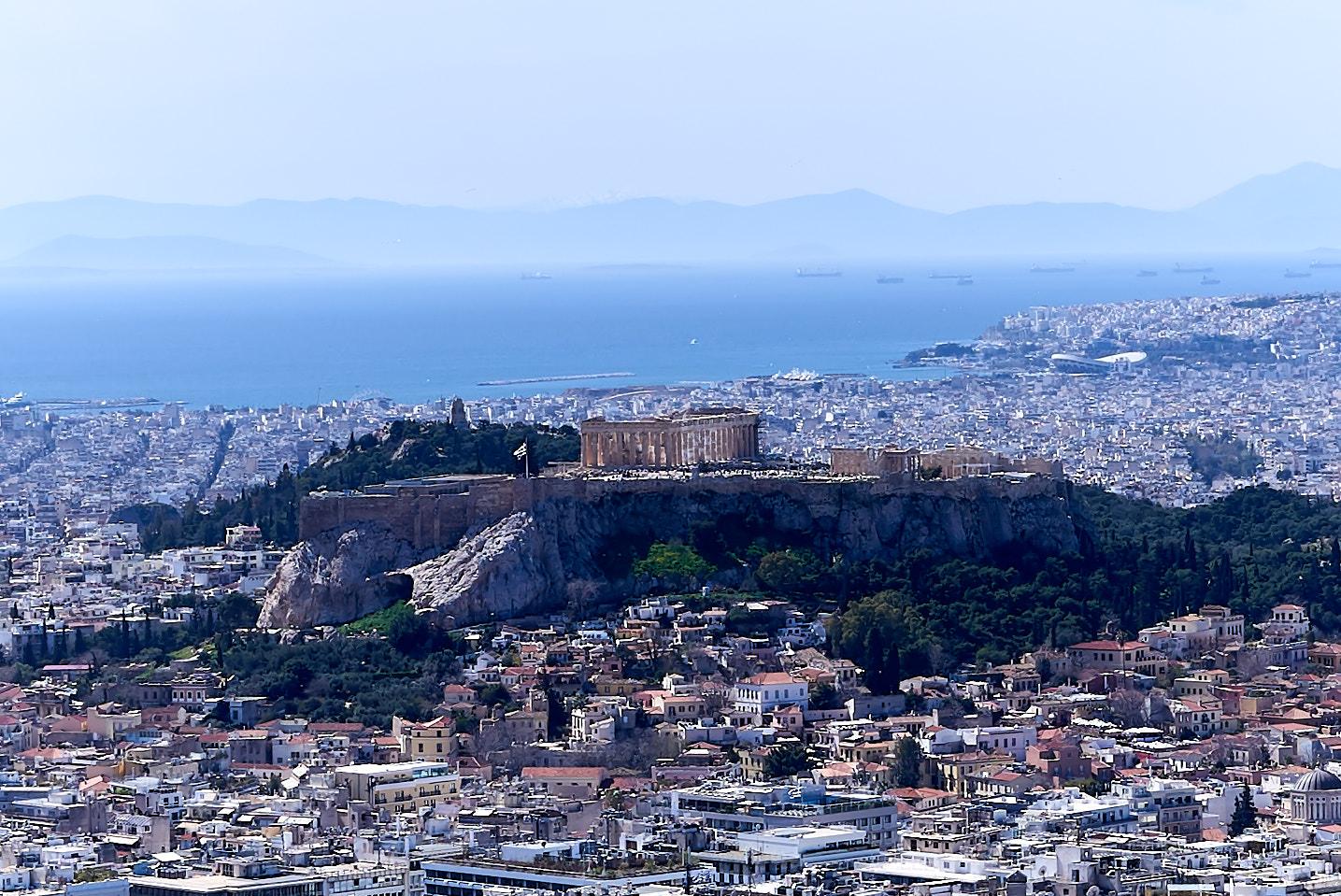
Looking beyond Odeon of Agrippa? Discover Athens for broader travel guides, local hot-spots, and regional highlights.
Explore Athens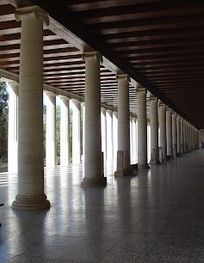
Explore the reconstructed Stoa of Attalos in Athens' Ancient Agora, housing a museum with fascinating artifacts of daily life in ancient Greece.
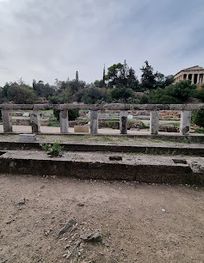
Explore the ruins of the Monument of the Eponymous Heroes in Athens, a landmark that once served as the heart of Athenian democracy and civic life.
