Old Madrasa Gate, Athens Travel Guide
Explore the Old Madrasa Gate in Athens, a historical landmark reflecting the city's Ottoman heritage and diverse cultural layers.
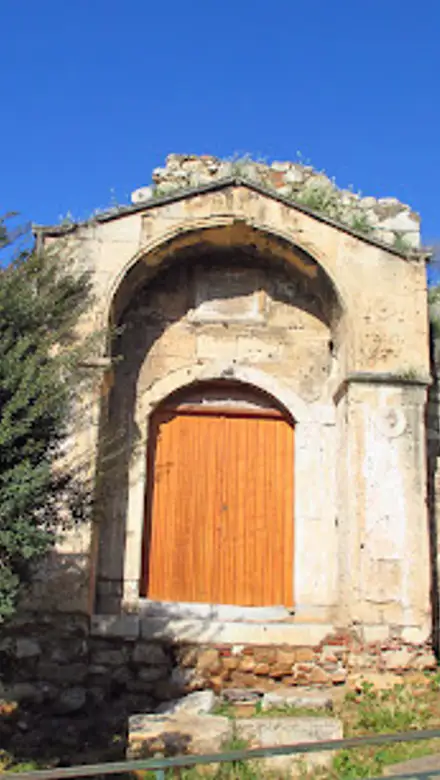
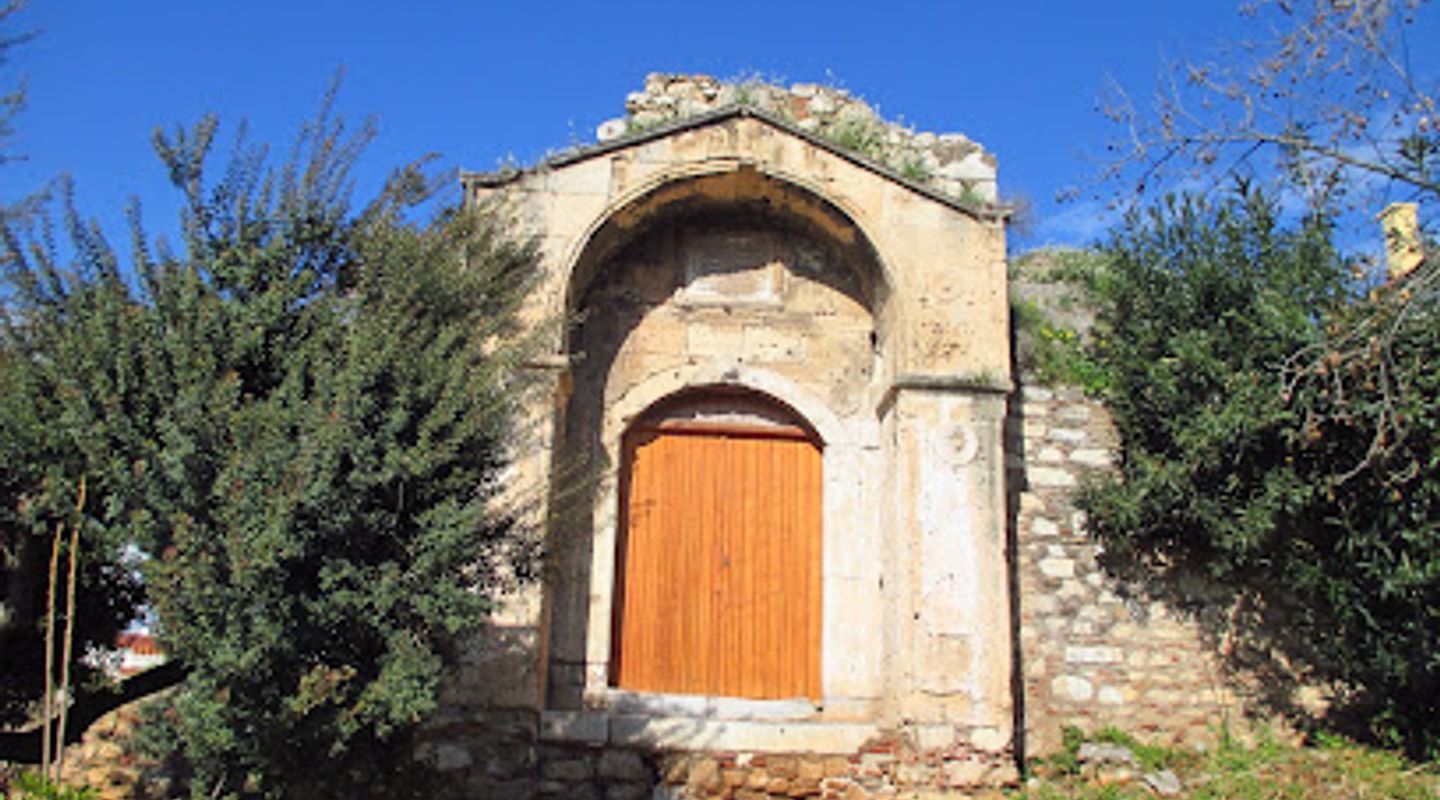
The Old Madrasa Gate, located in Athens, is the sole remaining structure of an Ottoman-era Islamic school built in 1721. Once a gathering place for the city's Muslim community, the gate now stands as a historical landmark, bearing witness to Athens' diverse cultural layers.
A brief summary to Old Madrasa Gate
- Pelopida, Athens, 105 55, GR

Know before you go
Hi, I'm Eve. Here are a few practical things to know before exploring Old Madrasa Gate.
- Visit early in the morning to avoid crowds and enjoy a more peaceful experience.
- Bring a camera to capture the gate's intricate designs and historical details.
- Explore nearby attractions such as the Roman Agora and the Acropolis to make the most of your visit.
Do you manage this location?
Take control to get all the benefits, like improved information, better appearance, and stronger visibility across AI-powered discovery. Learn more about listing your business on Evendo
Activate your presenceOther nearby places you may find interesting
The closest places of the same kind, if this one is not quite what you had in mind.



Explore Old Madrasa Gate on the Map
A handpicked selection of must-see spots near Old Madrasa Gate, mapped for you.
Getting There
-
Walking
From Monastiraki Square, walk east along Adrianou Street. Turn left onto Areos Street, then right onto Pelopida Street. The Old Madrasa Gate will be on your right. The walk is approximately 5-10 minutes. No costs involved.
-
Public Transport
Take the Metro Line 1 (Green Line) to Omonia Station. Exit the station and walk towards 3rd Septemvriou Street. Turn left onto Pelopida Street. The Old Madrasa Gate is located on Pelopida Street. A single metro ticket costs €1.40 and is valid for 90 minutes on all modes of transport within the city.
-
Taxi
From Syntagma Square, taxis are readily available. A taxi ride to the Old Madrasa Gate will take approximately 10-15 minutes, depending on traffic. The average taxi fare in Athens is around €8-€20. There is a base fare of €1.80, plus a charge of €0.90/km during the day and €1.25/km at night.
Discover more about Old Madrasa Gate













Your all‑in‑one travel companion app
Explore expert travel guides, compare and book tours, experiences, hotels, and more—all from the palm of your hand. Download now for seamless trip planning wherever your wanderlust takes you.


Explore More of Athens
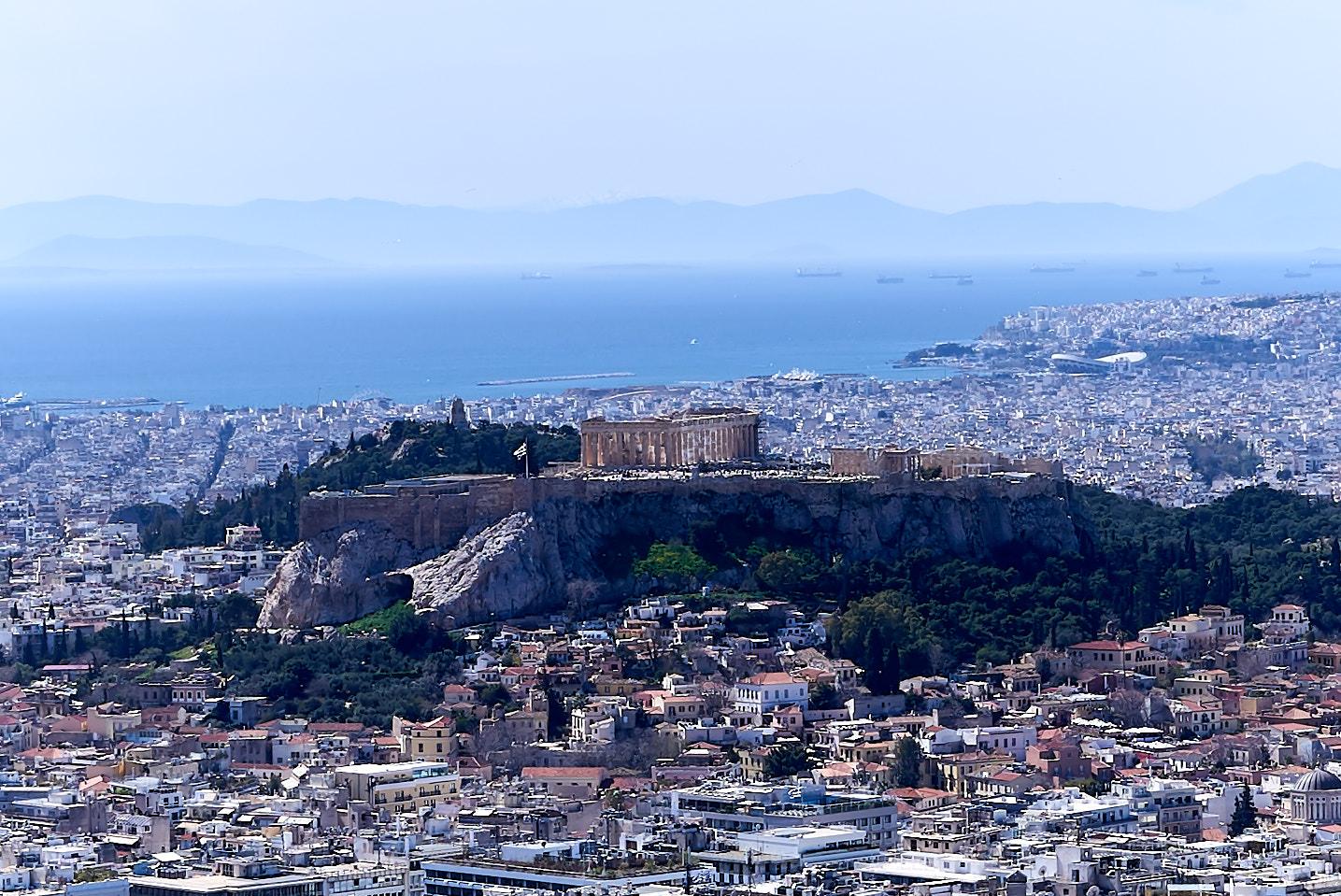
Looking beyond Old Madrasa Gate? Discover Athens for broader travel guides, local hot-spots, and regional highlights.
Explore Athens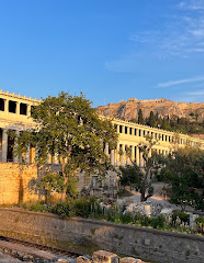
Discover the Roman-era Monopteros in Athens' Ancient Agora, a unique circular structure with a debated past and architectural charm.
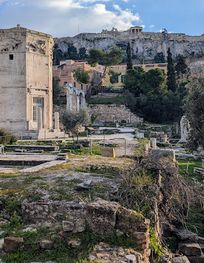
Explore the Tower of the Winds, an ancient marvel in Athens: a testament to Greek innovation in timekeeping and meteorology.