

Free Chalkidiki Travel Guide & Mobile App
Explore Chalkidiki with free travel guides. Discover regional history, expert tips, proposed trips, and audio guides on web or mobile app.


Explore Chalkidiki in Greece for pine-fringed beaches, ancient sites, village food, lively resorts and the distinctive landscapes of its three peninsulas.
Read more about Chalkidiki
When is the best time to visit Chalkidiki?
Best: May–June, September · 24–29°C| Month | High (°C) | Rainfall (mm) |
|---|---|---|
| January | 10 | 60 |
| February | 12 | 55 |
| March | 15 | 50 |
| April | 19 | 45 |
| May (best) | 24 | 40 |
| June (best) | 29 | 35 |
| July | 32 | 30 |
| August | 31 | 35 |
| September (best) | 27 | 40 |
| October | 21 | 50 |
| November | 15 | 55 |
| December | 11 | 60 |
Getting to and around Chalkidiki
How to get there
Transportation
Top city travel guides in Chalkidiki
The cities of Chalkidiki, and the easiest places to base yourself.

Swipe for more cities
Best attractions in Chalkidiki
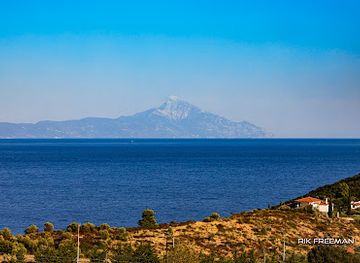
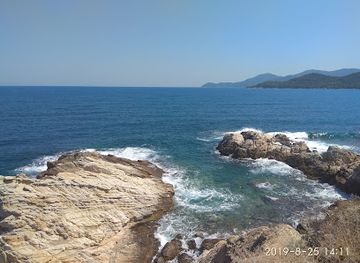
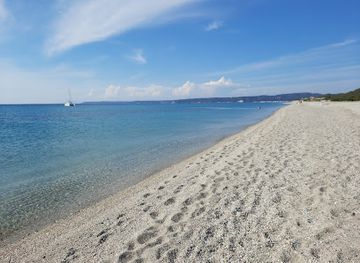
Chalkidiki's attractions are spread across three peninsulas and range from archaeological remains to beaches and forested landscapes. At Ancient Olynthus, visitors can walk through the planned streets and houses of a classical city, while Petralona Cave and its associated museum introduce the area's prehistoric importance. Afitos and old Nikiti provide architectural and village interest, with stone houses, narrow lanes and traditional churches contrasting with the larger modern resorts. Kassandra is well suited to visitors seeking organised beaches, watersports and evening entertainment, whereas Sithonia offers a more varied coastline of pine-backed bays, fishing harbours and boat excursions around Vourvourou's islets. The eastern peninsula combines beaches near Ouranoupoli with boat views of Mount Athos, whose monasteries are accessible only under specific pilgrimage regulations. Olive groves, woodland roads and rural settlements add opportunities for walking, cycling and food-focused excursions, while the region's many coves make swimming and small-boat trips central to the summer experience.
-
Nature preserve
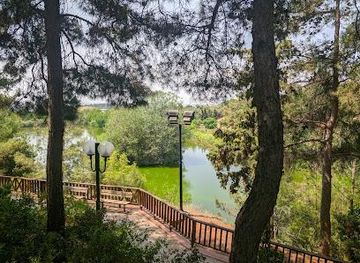
Thermi Dam
Explore the breathtaking landscapes and tranquil waters at Thermi Dam, a nature preserve perfect for relaxation and outdoor activities.
-
Tourist attraction
Aristotle's Park
Experience tranquility and wisdom at Aristotle's Park, a unique blend of nature, history, and philosophy in Stagira, Greece.
-
Historical landmark
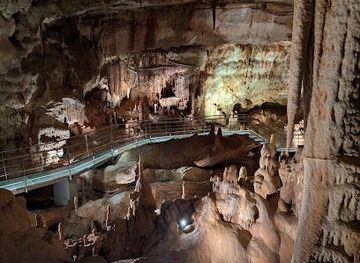
Petralona Cave
Discover the Petralona Cave, a historical landmark in Greece, renowned for its stunning geological formations and significant archaeological discoveries.
-
Tourist attraction
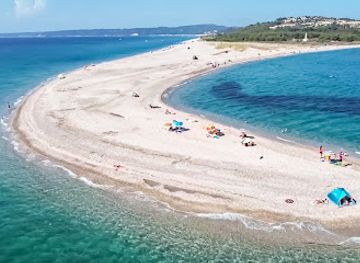
Possidi Cape
Explore the stunning beaches and tranquil atmosphere of Possidi Cape, a hidden gem in Greece's Halkidiki region.
Best landmarks in Chalkidiki
Ancient Olynthus is one of Chalkidiki's defining historical landmarks, with its grid of streets, domestic buildings and mosaic floors showing the organisation of a classical Macedonian city. The Byzantine Tower of Prosphorion at Ouranoupoli, commonly known as the Tower of Ouranoupoli, is a prominent fortified structure associated with the monastic estates and the region's exposed coastal position. Afitos is a landmark settlement in its own right, with stone-built houses, traditional lanes and elevated views across the Toronean Gulf. In old Nikiti, surviving houses and churches preserve the architectural character of an inland village that predates its modern seafront development. Petralona Cave represents a different kind of landmark: its limestone chambers and prehistoric discoveries have made it central to the archaeological identity of northern Greece. Offshore, the wooded islets around Vourvourou and the long outline of Mount Athos seen from the eastern coast are powerful geographical markers, even when the monastic territory itself is not entered.
-
Historical landmark
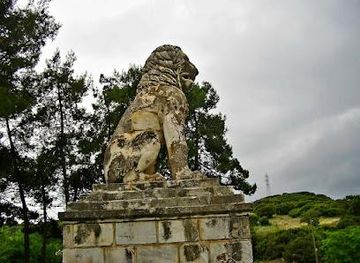
Lion of Amphipolis
Majestic 4th-century BC marble sculpture near Amphipolis, Greece, honoring a general of Alexander the Great and a symbol of Macedonian power.
-
Theme park
Aristotle's Park
Explore interactive science exhibits and honor the legacy of the great philosopher Aristotle in this unique Halkidiki theme park.
-
Tourist attraction
Possidi Cape
Discover the serene beauty of Possidi Cape in Halkidiki: a unique blend of history, stunning landscapes, and tranquil beaches.
-
Historical landmark
Petralona Cave
Discover prehistoric life at Petralona Cave in Halkidiki, home to ancient human remains and stunning geological formations dating back 700,000 years.
Explore Chalkidiki on the map
Plan your trip on one map. See where the top cities, national parks and sights are, and book hotels and experiences in a few clicks.
Best hotels in Chalkidiki
Best restaurants in Chalkidiki
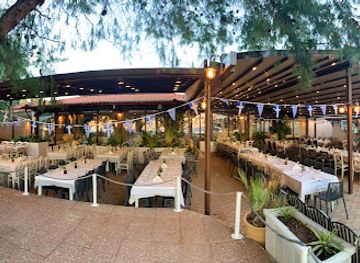
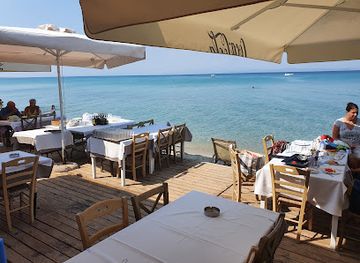
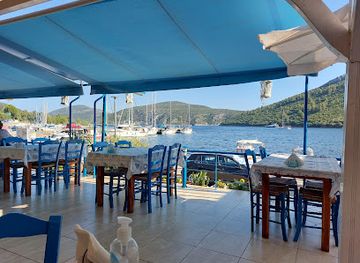
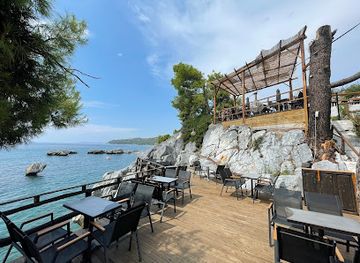
Dining in Chalkidiki is closely tied to the Aegean coast and the peninsula's agricultural hinterland. Tavernas serve grilled or baked fish, octopus, prawns and seasonal seafood alongside Greek staples such as salads, pulses, stuffed vegetables and grilled meats. Sithonia and the eastern coast are particularly suited to waterfront meals, while inland villages and Kassandra's older settlements offer menus built around locally produced olive oil, olives, honey and vegetables. Chalkidiki olives are an important regional product, and beekeeping is also prominent, with honey commonly sold through village shops and producers. Local wines from northern Greece appear on many menus, often alongside regional spirits and simple after-meal treats. Resort restaurants provide a broad range of Greek and international cooking, but smaller family-run establishments remain the best setting for shared plates and seasonal dishes. In high summer, popular coastal restaurants can become busy at conventional dinner times, so earlier meals or advance enquiries are sensible in the busiest resorts.
-
Seafood
Panos Fish Tavern
Experience authentic Greek seafood cuisine at Panos Fish Tavern in Neos Marmaras with stunning sea views.
-
Restaurant
Bakalis
Discover authentic Greek flavors at Bakalis Restaurant in Pefkochori - where every meal tells a story.
-
Greek
Taverna Tzitzikas
Experience authentic Greek flavors at Taverna Tzitzikas in Porto Koufo – where tradition meets taste.
-
Seafood
Villa Stasa Sea Restaurant
Discover fresh seafood delights at Villa Stasa Sea Restaurant while enjoying breathtaking views of the Aegean Sea in Kassandra Chalkidiki.
Best bars in Chalkidiki
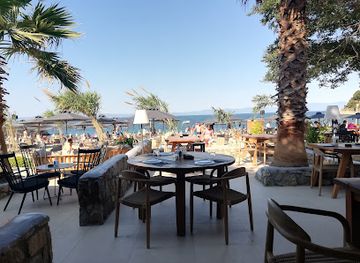
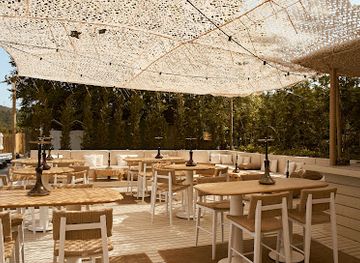
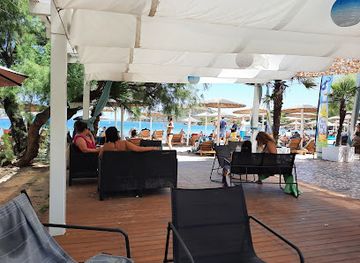
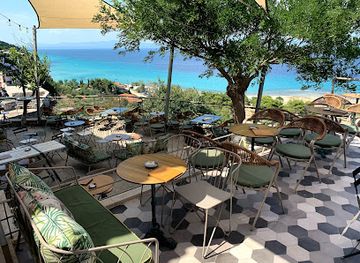
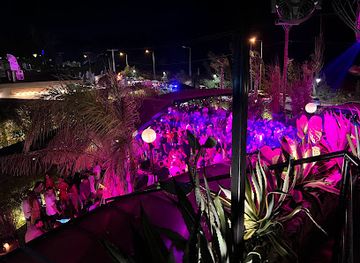
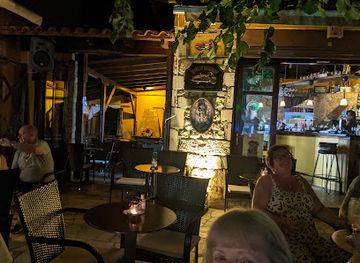
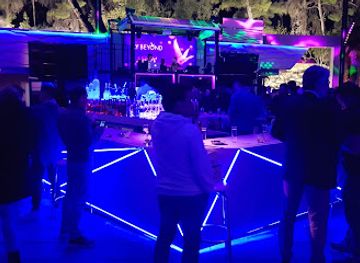
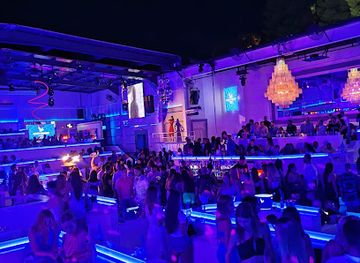
Chalkidiki's evening life varies sharply between its three arms. Kassandra has the region's most concentrated nightlife, particularly around resort areas such as Kallithea, Hanioti and Pefkochori, where beach bars, casual cocktail venues, music-led bars and seasonal clubs serve a largely summer-oriented crowd. Sithonia is generally quieter, with evening activity focused on seafront tavernas, relaxed bars, cafés and occasional live music in places such as Neos Marmaras, Nikiti and Sarti. Around Vourvourou and smaller coastal settlements, the atmosphere is more suited to late dinners and drinks by the water than to clubbing. Ouranoupoli and the eastern peninsula are comparatively restrained, reflecting their role as a gateway to Mount Athos and a base for coastal excursions. Opening patterns and entertainment schedules change with the season, and outside the main summer period many venues operate on a reduced basis.
-
Bar
Manassu Beach Bar and Restaurant
Discover the perfect blend of relaxation and flavor at Manassu Beach Bar and Restaurant, a seaside gem in Sarti, Greece.
-
Bar
Cabana Beach Bar
Immerse yourself in the lively atmosphere of Cabana Beach Bar, where sun, sea, and vibrant nightlife await in beautiful Paliouri.
-
Bar
Talgo Beach Bar
Experience the vibrant atmosphere and breathtaking views at Talgo Beach Bar in Vourvourou, the perfect beach getaway for tourists.
-
Bar
Notos All Day Bar
Experience the vibrant atmosphere of Notos All Day Bar in Afytos, where delicious food and refreshing drinks meet Mediterranean charm.
Best nightclubs in Chalkidiki
Chalkidiki's evening life varies sharply between its three arms. Kassandra has the region's most concentrated nightlife, particularly around resort areas such as Kallithea, Hanioti and Pefkochori, where beach bars, casual cocktail venues, music-led bars and seasonal clubs serve a largely summer-oriented crowd. Sithonia is generally quieter, with evening activity focused on seafront tavernas, relaxed bars, cafés and occasional live music in places such as Neos Marmaras, Nikiti and Sarti. Around Vourvourou and smaller coastal settlements, the atmosphere is more suited to late dinners and drinks by the water than to clubbing. Ouranoupoli and the eastern peninsula are comparatively restrained, reflecting their role as a gateway to Mount Athos and a base for coastal excursions. Opening patterns and entertainment schedules change with the season, and outside the main summer period many venues operate on a reduced basis.
-
Night club
Eden Of Shaka
Experience the vibrant nightlife of Solina at Eden of Shaka, the ultimate night club and hookah bar with expertly crafted drinks and electrifying music.
-
Cocktail bar
Imeros
Discover the charm of Imeros Cocktail Bar in Afytos, where expertly crafted drinks meet breathtaking views in a cozy atmosphere.
-
Night club
Ahoy
Experience unforgettable nights at Ahoy Night Club in Kalithea, where vibrant music and dazzling visuals create a nightlife paradise.
-
Night club
Pearl Club
Discover the vibrant nightlife at Pearl Club in Pallene, where diverse music and lively atmosphere await to create unforgettable memories.
Best shops in Chalkidiki
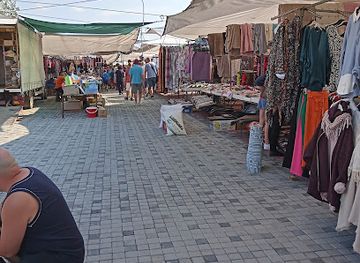
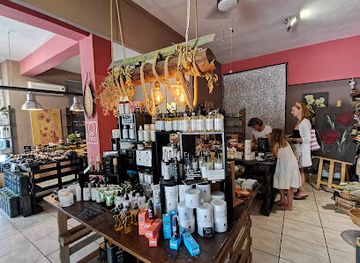
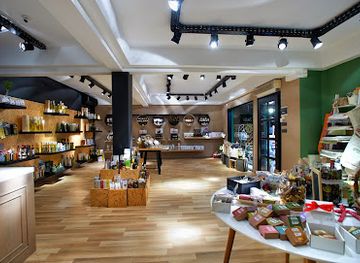
Shopping in Chalkidiki is concentrated in resort high streets, village centres and seasonal waterfront areas rather than large urban retail districts. Kassandra's larger resorts offer beachwear, everyday holiday supplies, jewellery, galleries and souvenir shops, while Sithonia combines similar coastal retail with independent food stores and craft-oriented businesses in towns such as Nikiti and Neos Marmaras. Farmers' stalls and specialist shops sell local olive oil, preserved olives, honey, herbs, wine and regional spirits, making edible products among the most practical souvenirs. Traditional pottery, woven goods, religious items and small handmade objects may be found in village shops, particularly near the eastern pilgrimage gateway of Ouranoupoli, though visitors should distinguish genuinely local work from mass-produced merchandise. Market-style trading is more seasonal than in Greece's large cities, and opening patterns can vary outside summer. For a broader choice of everyday goods, Nea Moudania is one of the region's principal commercial centres.
-
Produce market
Public Market Moudania (every Wednesday)
Discover the essence of Greek culture at the Public Market Moudania, where fresh produce and local crafts come together every Wednesday.
-
Gourmet grocery store
Gaia Kallisti - Olive Oil & Olives Center
Experience the flavors of Greece at Gaia Kallisti, your destination for premium olive oils and organic delights in Kassandria.
-
Nut store
The hub
Experience the taste of Greece at The Hub, a premier nut store in Galatista offering an array of delicious nuts and local snacks.
-
Novelty store
Aroma Of Greece
Discover unique gifts and authentic Greek flavors at Aroma Of Greece, your go-to novelty store in Pefkochori.
Get your free copy of our complete guide to Chalkidiki, delivered straight to you.
Everything on this page, from attractions and restaurants to essentials and local phrases, in one PDF you can read offline, print or share.
Already have an account? Sign in
Your Chalkidiki guide is ready.
We'll send it to · Not you? Sign out

Getting your guide ready…
We are putting together a fresh copy of the Chalkidiki guide. This can take up to a minute.
This can take a few moments. If your browser asks, choose Allow so the download can start. You'll find the guide in your Downloads folder.
Nothing happened? Download it again
Sorry, the guide is taking longer than usual. Please try again in a minute, or get it by email instead.
Chalkidiki essentials
Currency and Payment
Safety
Emergency Situations
Do's and Don'ts
Local Tips
From Eve
Local phrases worth knowing
You don't need to get them perfect. A few words go a long way, and locals appreciate the effort.
Basics
| English | Local | Say it |
|---|---|---|
| Hello | Γειά σου | [Yia sou] |
| Goodbye | Αντίο | [Adio] |
| Yes | Ναι | [Ne] |
| No | Όχι | [Ochi] |
| Please/You're welcome | Παρακαλώ | [Parakalo] |
| Thank you | Σ'ευχαριστώ | [Se efcharisto] |
| Excuse me/Sorry | Συγγνώμη | [Signomi] |
| How are you? | Πώς είσαι; | [Pos ise?] |
| Fine. And you? | Καλά. Εσύ; | [Kala. Esy?] |
| Do you speak English? | Μιλάς αγγλικά; | [Milas agglika?] |
| I don't understand | Δεν καταλαβαίνω | [Den katalavaino] |
Eating & Drinking
| English | Local | Say it |
|---|---|---|
| I'd like to see the menu, please | Θα ήθελα να δω το μενού, παρακαλώ | [Tha ithela na do to menu, parakalo] |
| I don't eat meat | Δεν τρώω κρέας | [Den troo kreas] |
| Cheers! | Στην υγειά μας! | [Stin ygeia mas!] |
| I would like to pay, please | Θα ήθελα να πληρώσω, παρακαλώ | [Tha ithela na pliroso, parakalo] |
Emergencies
| English | Local | Say it |
|---|---|---|
| Help! | Βοήθεια! | [Voitheia!] |
| Go away! | Φύγε! | [Fige!] |
| Call the Police! | Καλέστε την αστυνομία! | [Kaleste tin astinomia!] |
| Call a doctor! | Καλέστε έναν γιατρό! | [Kaleste enan giatro!] |
| I'm lost | Έχω χαθεί | [Echo chathi] |
| I'm ill | Είμαι άρρωστος | [Ime arrostos] |
Shopping
| English | Local | Say it |
|---|---|---|
| I'd like to buy... | Θα ήθελα να αγοράσω... | [Tha ithela na agoraso...] |
| I'm just looking | Απλώς κοιτάζω | [Aplos kitazo] |
| How much is it? | Πόσο κοστίζει; | [Poso kostizei?] |
| That's too expensive | Είναι πολύ ακριβό | [Ine poli akrivo] |
| Can you lower the price? | Μπορείς να μειώσεις την τιμή; | [Boreis na meiwsis tin timi?] |
Time & Numbers
| English | Local | Say it |
|---|---|---|
| What time is it? | Τι ώρα είναι; | [Ti ora ine?] |
| It's one o'clock | Είναι μία η ώρα | [Ine mia i ora] |
| Half past (10) | Δέκα και μισή | [Deka ke misi] |
| Morning | Πρωί | [Proi] |
| Afternoon | Απόγευμα | [Apogeuma] |
| Evening | Βράδυ | [Vrady] |
| Yesterday | Χθες | [Chthes] |
| Today | Σήμερα | [Simera] |
| Tomorrow | Αύριο | [Avrio] |
| 1 | 1 | [1] |
| 2 | 2 | [2] |
| 3 | 3 | [3] |
| 4 | 4 | [4] |
| 5 | 5 | [5] |
| 6 | 6 | [6] |
| 7 | 7 | [7] |
| 8 | 8 | [8] |
| 9 | 9 | [9] |
| 10 | 10 | [10] |
Transport & Directions
| English | Local | Say it |
|---|---|---|
| Where's a/the...? | Πού είναι ένα/το...; | [Pou ine ena/to...?] |
| What's the address? | Ποια είναι η διεύθυνση; | [Poia ine i diefthinsi?] |
| Can you show me (on the map)? | Μπορείς να μου δείξεις (στο χάρτη); | [Boreis na mou deixis (sto charti)?] |
| When's the next (bus)? | Πότε είναι το επόμενο (λεωφορείο); | [Pote ine to epomeno (leoforeio)?] |
| A ticket (to ....) | Ένα εισιτήριο (για ....) | [Ena isitirio (gia....)] |
History of Chalkidiki
Prehistoric Chalkidiki and Petralona Cave
Chalkidiki has evidence of human occupation from deep prehistory, most famously at Petralona Cave near the village of Petralona. The cave became internationally important after the discovery of a fossil hominin skull in the twentieth century, although interpretations of its age and significance have developed over time. The surrounding cave system and archaeological material demonstrate the long human relationship with the region's limestone landscapes. The nearby Anthropological Museum presents finds from the cave and wider research, making Petralona one of Chalkidiki's most important prehistoric reference points.
Ancient Greek Colonies and Olynthus
From the archaic period onwards, Greek-speaking settlers established communities across Chalkidiki, often exploiting its timber, farmland and mineral resources. Olynthus became the leading city of the Chalcidian League and is especially valuable for its remains of a planned urban settlement, houses and mosaic floors. In 348 BC, Philip II of Macedon destroyed Olynthus during the expansion of Macedonian power into the northern Aegean. Its archaeological site illustrates both the prosperity of the classical city and the political pressures surrounding the rise of Macedonia.
Macedonian and Roman Rule
After the Macedonian kingdom was absorbed into the Roman sphere, Chalkidiki remained connected to wider routes and markets around the northern Aegean. Timber, agricultural products and mineral resources continued to give the peninsula economic importance, while Roman administration reshaped political structures. Though many ancient settlements declined or changed over subsequent centuries, Roman-era remains and roads form part of the region's layered archaeological record. Chalkidiki's position between Macedonia, the Aegean and the approaches to Constantinople ensured that it was rarely isolated from broader imperial developments.
Byzantine Monasticism and Mount Athos
The eastern peninsula became one of the world's most significant centres of Orthodox monasticism. Monks had settled on Mount Athos by the early Byzantine era, and the monastic community developed under imperial charters, including a major tenth-century reorganisation associated with Saint Athanasius of Athos. Monasteries accumulated libraries, icons, manuscripts and landholdings, while the peninsula's rugged terrain supported a distinctive religious tradition. Mount Athos remains an autonomous monastic territory within Greece, governed through its own institutions and subject to controlled access.
Ottoman Chalkidiki and Local Communities
For several centuries Chalkidiki formed part of the Ottoman Empire, although local economic and religious life retained strong links with Orthodox institutions and nearby Macedonia. Villages cultivated olives, grain and vines, while forests and mineral resources continued to matter. Monastic estates on Mount Athos remained influential landowners, and coastal settlements participated in regional trade. The period left architectural and social traces in older villages, towers and administrative traditions, even though later wars, population movements and modern development altered much of the built landscape.
The Greek War of Independence and the 1821 Revolt
Chalkidiki was involved in the Greek War of Independence through the uprising led by Emmanuel Pappas, a wealthy merchant and supporter of the revolutionary cause. In 1821, resistance spread from the peninsula and threatened Ottoman control in the wider region, but the revolt was eventually suppressed. Fighting and reprisals caused severe disruption, and Pappas died while retreating towards Hydra. The episode is commemorated in local history and helps explain the region's place in the wider political transformation that established the modern Greek state.
Population Exchange and Modern Tourism
The compulsory population exchange between Greece and Turkey in the 1920s transformed many communities in Chalkidiki. Refugees from Asia Minor and eastern Thrace settled in places including Neos Marmaras and other new or expanded villages, bringing culinary traditions, crafts and memories that remain part of local identity. From the mid-twentieth century, improved roads and domestic tourism encouraged the growth of seaside resorts, especially on Kassandra and Sithonia. Today tourism is central to the regional economy, but olive cultivation, fishing, beekeeping, wine production and forestry remain important elements of Chalkidiki's character.
Chalkidiki in Photos
Browse through our photo collection highlighting the charm and character of the destination.
Neighbouring regions of Chalkidiki
The closest regions to Chalkidiki, if you have time for more than one.
-

-

-

-

-


Swipe for more regions
Explore more
Explore more of Greece
Discover Greece: A land where ancient history meets modern vibrancy, offering stunning islands, crystal-clear seas, and unforgettable cultural experiences.
Explore Greece