

Free Central Macedonia Travel Guide & Mobile App
Explore Central Macedonia with free travel guides. Discover regional history, expert tips, proposed trips, and audio guides on web or mobile app.


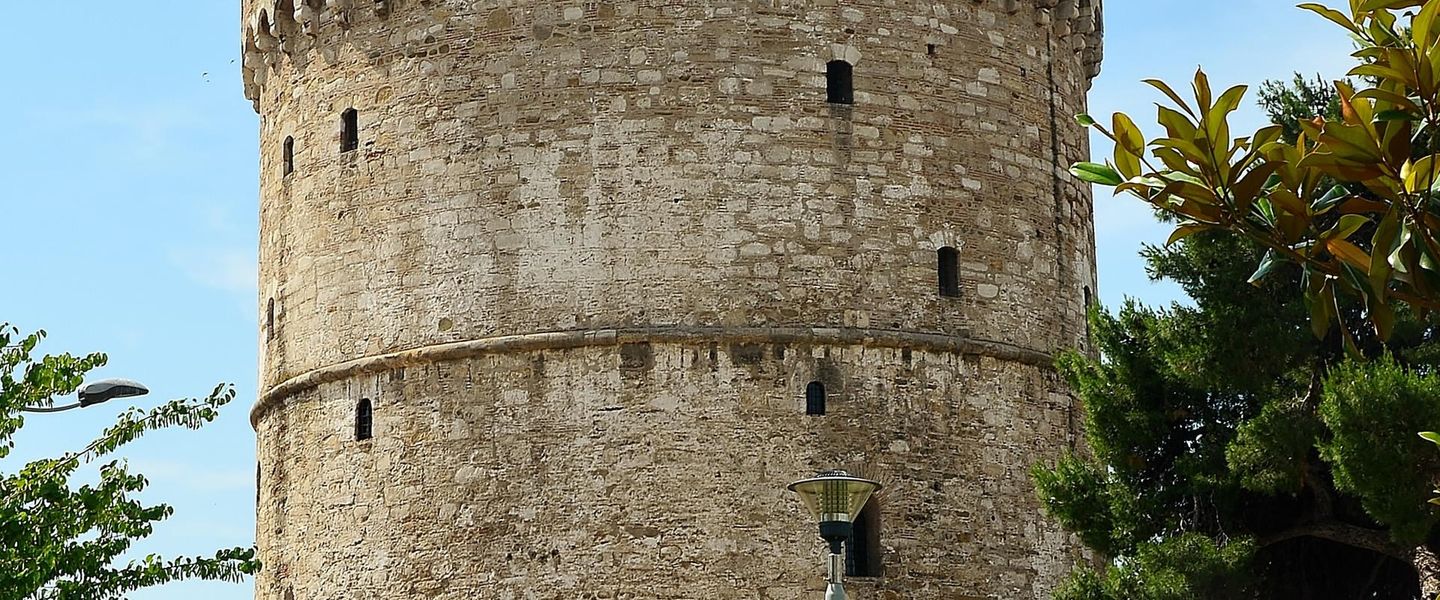


Explore Central Macedonia through Thessaloniki’s layered history, royal archaeological sites, Halkidiki beaches, mountain landscapes and northern Greek cuisine.
Read more about Central Macedonia
When is the best time to visit Central Macedonia?
Best: May–June, September · 25–31°C| Month | High (°C) | Rainfall (mm) |
|---|---|---|
| January | 10 | 60 |
| February | 12 | 50 |
| March | 15 | 60 |
| April | 20 | 50 |
| May (best) | 25 | 40 |
| June (best) | 31 | 20 |
| July | 34 | 20 |
| August | 34 | 20 |
| September (best) | 29 | 40 |
| October | 22 | 60 |
| November | 16 | 70 |
| December | 12 | 80 |
Getting to and around Central Macedonia
How to get there
Transportation
Top city travel guides in Central Macedonia
The cities of Central Macedonia, and the easiest places to base yourself.
-

-

-

-

-

-


Swipe for more cities
Destinations in Central Macedonia
Resorts, valleys and scenic spots worth a trip of their own.
-

-

-


Swipe for more destinations
Best attractions in Central Macedonia
Central Macedonia offers an unusually broad range of attractions within one Greek region. Thessaloniki combines museums, Roman and Byzantine monuments, a waterfront promenade and neighbourhoods shaped by Ottoman and Jewish history. Inland, the royal tombs and museum at Vergina, ancient Pella’s mosaics and civic remains, and Dion’s sanctuaries and theatre reveal different dimensions of Macedonian antiquity. The hills and plains around Naousa, Veria and Edessa bring vineyards, orchards, waterfalls and historic settlements, while Pieria provides access to landscapes beneath the Mount Olympus massif and the archaeological remains of Dion. Lake Kerkini is the region’s leading nature destination, with wetlands, birdlife and mountain views. Halkidiki adds long sandy beaches, pine forests, coastal walks, boat excursions and summer villages, with Kassandra generally more resort-oriented and Sithonia offering a greater variety of coves and wooded shores. Skiing and winter mountain activities are available at selected inland resorts, while hiking, cycling, birdwatching and sea kayaking extend the outdoor offer beyond the summer beach season.
-
Archaeological museum
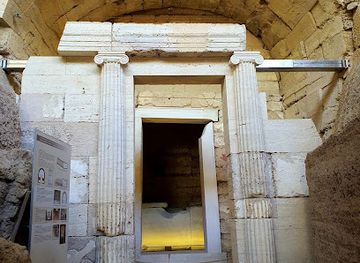
Museum of the Royal Tombs at Aigai (Aegae)
Explore the ancient splendor of Macedonia at the Museum of the Royal Tombs at Aigai, where history comes alive through royal artifacts and monumental tombs.
-
Nature preserve
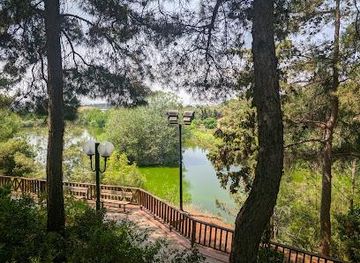
Thermi Dam
Experience the tranquil beauty of Thermi Dam, a nature preserve in Greece perfect for relaxation, exploration, and enjoying breathtaking landscapes.
-
Convent
Virgin Mary Eikosifoinissa Holy Convent
Discover spiritual serenity at the historic Virgin Mary Eikosifoinissa Holy Convent near Proti, a sanctuary of faith, art, and breathtaking natural beauty.
-
Historical landmark
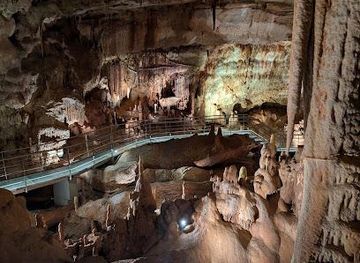
Petralona Cave
Discover the ancient wonders of Petralona Cave in Greece, a historical landmark teeming with archaeological treasures and breathtaking natural beauty.


Best landmarks in Central Macedonia
The White Tower on Thessaloniki’s waterfront is Central Macedonia’s most recognisable modern symbol, although its Ottoman origins and later uses reflect the city’s changing history. Nearby, the Arch of Galerius and the Rotunda form a remarkable Roman monumental complex, while the Church of Hagios Demetrios and other Byzantine churches demonstrate Thessaloniki’s importance in the Christian world. The walls and Heptapyrgion above the city mark its long strategic history. At Vergina, the monumental royal tombs of Aigai preserve the burial landscape of the Macedonian dynasty and rank among the region’s most significant archaeological landmarks. Pella’s ancient grid and mosaic houses evoke the royal capital’s urban ambition, while Dion’s sanctuaries sit against the Pierian landscape associated with Mount Olympus. In the countryside, the old quarters of Veria and Naousa retain fragments of traditional architecture and religious heritage, and Lake Kerkini provides a natural landmark whose broad waters, wetlands and mountain backdrop contrast sharply with the dense historic city and Aegean coast.
-
Historical landmark
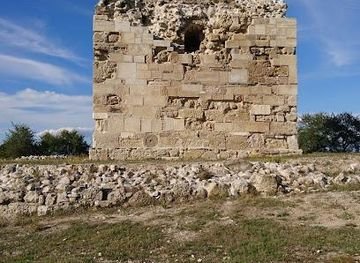
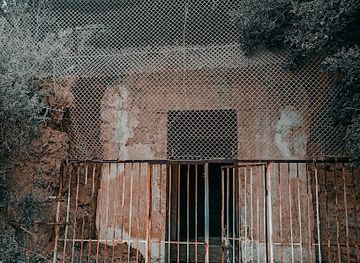
Macedonian Tomb of Macridy Bey - Necropolis of Ancient Lete
Discover an ancient Macedonian tomb near Thessaloniki, offering a glimpse into the region's rich history and cultural heritage.
-
Historical landmark
Archaeological Park of Amphipolis
Uncover the past at Amphipolis, an ancient Macedonian city with Athenian roots and a wealth of historical treasures.
-
Historical landmark
Υπέρ Πίστεως & Πατρίδος Πεσόντων Τέκνων
A solemn landmark in Nea Michaniona honoring the brave souls who fought for faith and country.
-
Historical place
Macedonian Tomb 2
Explore ancient Macedonian burial traditions at this historical tomb near Sykia, offering a glimpse into the Hellenistic period.

Explore Central Macedonia on the map
Plan your trip on one map. See where the top cities, national parks and sights are, and book hotels and experiences in a few clicks.
Best hotels in Central Macedonia
Best restaurants in Central Macedonia
Dining in Central Macedonia ranges from Thessaloniki’s contemporary restaurants and pastry shops to simple village tavernas, seaside fish restaurants and family-run grills. The region’s fertile plains supply peaches, cherries, vegetables and other fruit, while Halkidiki is associated with olives, olive oil, honey and seafood. Inland menus often feature grilled meats, beans, seasonal vegetables, pies and cheeses, with local variations on northern Greek cooking. Thessaloniki is particularly noted for its cosmopolitan food culture, including dishes and techniques shaped by the city’s Ottoman, Balkan, Jewish and refugee histories. In Naousa and surrounding Imathia, regional red wines made from Xinomavro are an important part of the culinary identity, while local vineyards elsewhere offer further tasting opportunities. Look for bougatsa, a filo pastry commonly eaten in Thessaloniki, alongside meze, fresh fish, grilled octopus and sweets in cafés, markets and tavernas. Prices, menus and opening patterns vary considerably between resort areas and inland towns.
-
Italian
NAVONA Day & Night
Discover the best Italian dining experience in Thessaloniki at NAVONA Day & Night - where culinary excellence meets vibrant atmosphere.
-
Greek
The Greek
Experience the authentic flavors of Greece at The Greek in Thessaloniki - a culinary haven for seafood lovers and Mediterranean cuisine enthusiasts.
-
Mediterranean
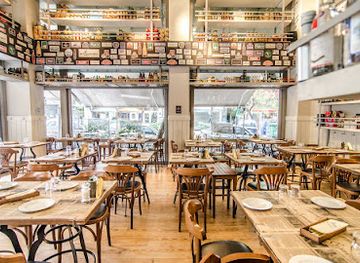
Wall by Wall
Experience authentic Greek flavors at Wall by Wall, a Mediterranean gem in Thessaloniki offering delicious tapas and traditional dishes.
-
Greek
Apirotan
Experience authentic Greek cuisine at Apirotan in Thessaloniki – where tradition meets flavor in every dish.

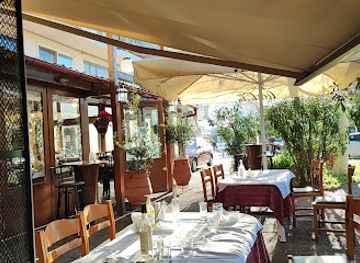
Best bars in Central Macedonia
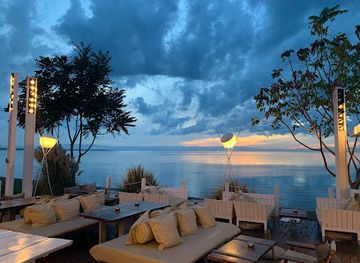
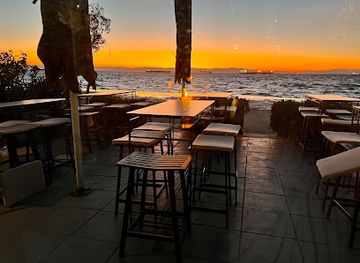
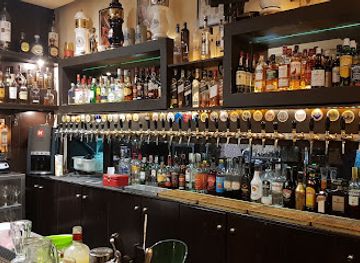
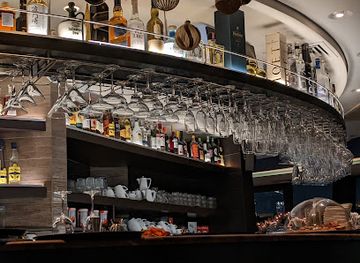
Thessaloniki has the region’s most developed evening scene, with cafés and bars around the waterfront, city centre, Ladadika and neighbourhoods such as Ano Poli, alongside live music, late dining and seasonal outdoor terraces. Its nightlife is shaped by a large student and university population, but the city also offers quieter wine bars, cocktail venues and traditional establishments serving coffee and meze. On Halkidiki, evening activity is concentrated in larger resort settlements and varies markedly between Kassandra and the more dispersed communities of Sithonia; summer brings beach bars, music venues and late restaurants, while many places become quieter out of season. Inland towns generally centre their evening life on cafés, tavernas, local bars and occasional live music rather than large clubs. Visitors should check current arrangements locally, as resort venues and seasonal opening patterns change from year to year.
-
Bar
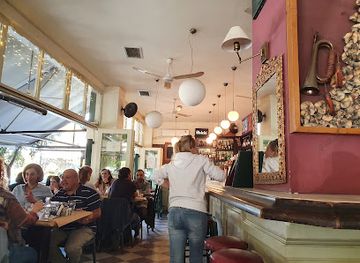
Bohème
Discover Bohème in Pilea: a vibrant wine bar and restaurant offering exquisite wines and delicious Mediterranean cuisine in a cozy atmosphere.
-
Bar
Ciel Bar
Experience fine dining and exquisite cocktails at Ciel Bar, the ultimate culinary destination in Νέα Παραλία, Greece.
-
Bar
Dentro sto Bar
Experience the lively ambiance and extensive drink menu at Dentro sto Bar, a popular nightlife destination in Thessaloniki.
-
Bar
SKYLINE - OTE Tower
Discover a culinary gem with stunning city views at SKYLINE - OTE Tower, where exquisite flavors meet breathtaking panoramas in Thessaloniki.
Best nightclubs in Central Macedonia
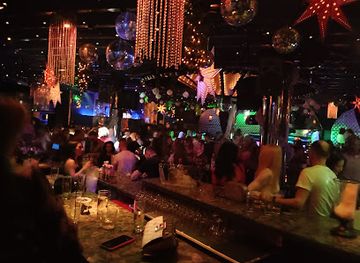
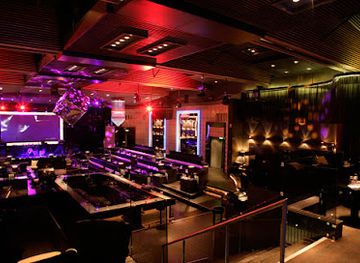
Thessaloniki has the region’s most developed evening scene, with cafés and bars around the waterfront, city centre, Ladadika and neighbourhoods such as Ano Poli, alongside live music, late dining and seasonal outdoor terraces. Its nightlife is shaped by a large student and university population, but the city also offers quieter wine bars, cocktail venues and traditional establishments serving coffee and meze. On Halkidiki, evening activity is concentrated in larger resort settlements and varies markedly between Kassandra and the more dispersed communities of Sithonia; summer brings beach bars, music venues and late restaurants, while many places become quieter out of season. Inland towns generally centre their evening life on cafés, tavernas, local bars and occasional live music rather than large clubs. Visitors should check current arrangements locally, as resort venues and seasonal opening patterns change from year to year.
-
Disco club
Blue Sky
Dive into the thrilling nightlife of Thermi at Blue Sky, where music, dancing, and unforgettable memories await every party lover.
-
Night club
Vogue Club
Experience the electrifying nightlife of Thessaloniki at Vogue Club – a vibrant venue for live music and dancing.
-
Disco club
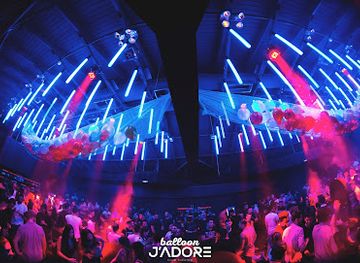
J'adore Supreme Club
Discover Thessaloniki's nightlife at J'adore Supreme Club, where music, dance, and unforgettable moments come together in an electrifying atmosphere.
-
Night club
Πύλη Αξιού
Dive into Thessaloniki's vibrant nightlife at Πύλη Αξιού, where music, dance, and great service converge for an unforgettable experience.

Best shops in Central Macedonia
Shopping in Central Macedonia is centred on Thessaloniki’s commercial streets, department stores, independent design shops, food markets, bookshops and specialist delicatessens. The city is a useful place to buy regional foods such as olive oil, honey, preserves, cheeses, sweets, spices and wines from northern Greek producers. Market areas offer a livelier everyday atmosphere than the main retail avenues, although individual stalls and trading arrangements can change. In towns such as Veria, Naousa, Edessa and Serres, shopping is more local in character, with bakeries, small food shops, craft businesses and weekly-market traditions serving residents as well as visitors. Halkidiki’s resort settlements have seasonal shops selling beach goods, jewellery, ceramics, leather items and packaged local produce, but selection and opening patterns vary outside summer. At archaeological destinations, museum shops are generally the safest source for books and accurately themed souvenirs. Look for Xinomavro wines, Halkidiki olives, honey, herbs, woven goods and regional sweets rather than relying only on generic Greek souvenirs.
-
Shopping mall
Mediterranean Cosmos
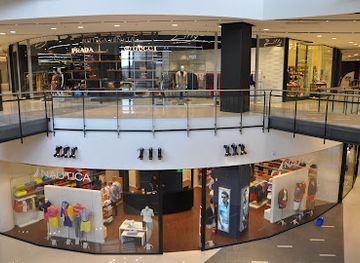
Explore Mediterranean Cosmos in Thessaloniki for a premier shopping experience with diverse stores, delightful dining, and family-friendly entertainment.
-
Outlet mall
One Salonica Outlet Mall
Explore One Salonica Outlet Mall in Thessaloniki: Your ultimate shopping destination for discounted brand-name fashion and delicious culinary experiences.
-
Outlet mall
MEGA Outlet
Discover unbeatable deals and endless fashion choices at MEGA Outlet, your ultimate shopping destination in Pylaia-Chortiatis.
-
Shopping mall
Macedonia Shopping Mall
Explore Macedonia Shopping Mall in Thessaloniki for an unforgettable blend of shopping, dining, and entertainment in a modern setting.

Get your free copy of our complete guide to Central Macedonia, delivered straight to you.
Everything on this page, from attractions and restaurants to essentials and local phrases, in one PDF you can read offline, print or share.
Already have an account? Sign in
Your Central Macedonia guide is ready.
We'll send it to · Not you? Sign out

Getting your guide ready…
We are putting together a fresh copy of the Central Macedonia guide. This can take up to a minute.
This can take a few moments. If your browser asks, choose Allow so the download can start. You'll find the guide in your Downloads folder.
Nothing happened? Download it again
Sorry, the guide is taking longer than usual. Please try again in a minute, or get it by email instead.
Central Macedonia essentials
Currency and Payment
Safety
Emergency Situations
Do's and Don'ts
Local Tips
From Eve
Local phrases worth knowing
You don't need to get them perfect. A few words go a long way, and locals appreciate the effort.
Basics
| English | Local | Say it |
|---|---|---|
| Hello | Γειά σου | [Yia sou] |
| Goodbye | Αντίο | [Antio] |
| Yes | Ναι | [Ne] |
| No | Όχι | [Ochi] |
| Please/You're welcome | Παρακαλώ | [Parakalo] |
| Thank you | Ευχαριστώ | [Efharisto] |
| Excuse me/Sorry | Συγγνώμη | [Signomi] |
| How are you? | Πώς είσαι; | [Pos ise?] |
| Fine. And you? | Καλά. Εσύ; | [Kala. Esy?] |
| Do you speak English? | Μιλάς αγγλικά; | [Milas anglika?] |
| I don't understand | Δεν καταλαβαίνω | [Den katalaveno] |
Eating & Drinking
| English | Local | Say it |
|---|---|---|
| I'd like to see the menu, please | Θα ήθελα να δω το μενού, παρακαλώ | [Tha ithela na do to menu, parakalo] |
| I don't eat meat | Δεν τρώω κρέας | [Den troo kreas] |
| Cheers! | Στην υγειά μας! | [Stin ygeia mas!] |
| I would like to pay, please | Θα ήθελα να πληρώσω, παρακαλώ | [Tha ithela na pliroso, parakalo] |
Emergencies
| English | Local | Say it |
|---|---|---|
| Help! | Βοήθεια! | [Voitheia!] |
| Go away! | Φύγε! | [Fige!] |
| Call the Police! | Καλέστε την αστυνομία! | [Kaleste tin astynomia!] |
| Call a doctor! | Καλέστε έναν γιατρό! | [Kaleste enan giatro!] |
| I'm lost | Είμαι χαμένος/η | [Ime chamenos/i] |
| I'm ill | Είμαι άρρωστος/η | [Ime arrostos/i] |
Shopping
| English | Local | Say it |
|---|---|---|
| I'd like to buy... | Θα ήθελα να αγοράσω... | [Tha ithela na agoraso...] |
| I'm just looking | Απλά κοιτάζω | [Appla kitazo] |
| How much is it? | Πόσο κοστίζει; | [Poso kostizei?] |
| That's too expensive | Είναι πολύ ακριβό | [Ine poly akrivo] |
| Can you lower the price? | Μπορείς να μειώσεις την τιμή; | [Boreis na meioses tin timi?] |
Time & Numbers
| English | Local | Say it |
|---|---|---|
| What time is it? | Τι ώρα είναι; | [Ti ora ine?] |
| It's one o'clock | Είναι μία η ώρα | [Ine mia i ora] |
| Half past (10) | Δέκα και μισή | [Deka kai misi] |
| Morning | Πρωί | [Proi] |
| Afternoon | Απόγευμα | [Apogeuma] |
| Evening | Βράδυ | [Vrady] |
| Yesterday | Χθες | [Chthes] |
| Today | Σήμερα | [Simera] |
| Tomorrow | Αύριο | [Avrio] |
| 1 | 1 | [1] |
| 2 | 2 | [2] |
| 3 | 3 | [3] |
| 4 | 4 | [4] |
| 5 | 5 | [5] |
| 6 | 6 | [6] |
| 7 | 7 | [7] |
| 8 | 8 | [8] |
| 9 | 9 | [9] |
| 10 | 10 | [10] |
Transport & Directions
| English | Local | Say it |
|---|---|---|
| Where's a/the...? | Πού είναι ένα/το...; | [Pou ine ena/to...?] |
| What's the address? | Ποια είναι η διεύθυνση; | [Poia ine i diefthinsi?] |
| Can you show me (on the map)? | Μπορείς να μου δείξεις (στο χάρτη); | [Boreis na mou deixeis (sto charti)?] |
| When's the next (bus)? | Πότε είναι το επόμενο (λεωφορείο); | [Pote ine to epomeno (leoforio)?] |
| A ticket (to ....) | Ένα εισιτήριο (για ....) | [Ena isitirio (gia....)] |
History of Central Macedonia
Prehistoric Settlements and Early Farming Communities
Central Macedonia has been inhabited since prehistoric times, with Neolithic settlements established on fertile plains and near waterways. Archaeological evidence from sites such as Nea Nikomedeia, near Veria, contributes to the understanding of early farming communities in southeastern Europe. These settlements cultivated crops, kept animals and developed forms of pottery and organised domestic life. The region’s productive lowlands, access to the Thermaic Gulf and routes through the Balkan interior later helped make it a meeting place between Aegean, Balkan and Anatolian cultural influences.
The Macedonian Kingdom and Aigai
From the fifth century BC, the Argead dynasty developed the kingdom of Macedon, whose first capital was Aigai, identified with modern Vergina. Philip II transformed Macedon into the leading power of the Greek world through military and political consolidation, while his son Alexander III expanded the kingdom’s influence across the Persian Empire. The royal cemetery at Vergina, including richly furnished chamber tombs and ceremonial objects, provides an exceptional record of Macedonian kingship. Pella later became the principal political capital, but Aigai retained profound dynastic and religious importance.
Pella, Hellenistic Culture and Roman Rule
Pella developed as a planned royal city, with a regular street grid, large civic buildings, houses decorated with mosaic floors and institutions associated with the Macedonian court. After the Roman defeat of Macedon in 168 BC, the region was incorporated into the Roman sphere and became part of the province of Macedonia. Thessaloniki grew in importance because of its position on major land and sea routes, while the Via Egnatia connected the Adriatic with Byzantium across northern Greece. Roman infrastructure and urban remains remain visible in Thessaloniki and at several archaeological sites.
Byzantine Thessaloniki and Medieval Macedonia
Thessaloniki was one of the Byzantine Empire’s most important cities after Constantinople, serving as a centre of administration, commerce, Christianity and intellectual life. Churches such as Hagios Demetrios and the Acheiropoietos preserve major examples of early and middle Byzantine architecture, while the city’s walls reflect its strategic role. The surrounding countryside passed through periods of Byzantine, Bulgarian, Serbian and Latin influence. Monastic foundations, fortified settlements and churches across the region record the political and religious changes of the medieval Balkans.
Ottoman Thessaloniki and Regional Trade
The Ottoman conquest of Thessaloniki in 1430 began a long period during which the city became a major imperial port and commercial centre. Muslims, Greek Orthodox Christians, Jews and other communities shaped its urban life, crafts and trade. Sephardic Jews, many of whom arrived after the expulsion from Iberia in the late fifteenth century, became especially important to Thessaloniki’s economy and culture. Ottoman-era mosques, baths, markets, mansions and sections of the city’s fortifications still contribute to the historic landscape, although twentieth-century destruction altered much of the old urban fabric.
The Balkan Wars and Incorporation into Greece
The Balkan Wars of 1912–13 changed the political map of Macedonia. Thessaloniki and much of the present region were incorporated into the Greek state after the conflict, while boundaries and populations were subsequently reshaped by international agreements. The movement of populations between Greece and Turkey in the 1920s brought refugees to towns and agricultural settlements across Central Macedonia. Their arrival influenced housing, farming, commerce, music and food traditions, leaving a lasting mark on the region’s social and cultural identity.
War, Occupation and the Modern Regional Economy
During the Second World War, Central Macedonia experienced occupation, resistance, economic hardship and the destruction of much of Thessaloniki’s Jewish community. After the war, Thessaloniki expanded as a port, industrial centre, university city and gateway to the Balkans. Agriculture remains important in the plains of Imathia, Pella and Serres, while tourism has grown along the Halkidiki coast and around archaeological and environmental sites. The contemporary region combines this modern economic role with the visible legacies of ancient Macedon, Byzantium, Ottoman rule and twentieth-century migration.
Central Macedonia in Photos
Browse through our photo collection highlighting the charm and character of the destination.
Neighbouring regions of Central Macedonia
The closest regions to Central Macedonia, if you have time for more than one.
-

-

-

-

-


Swipe for more regions
Explore more
Explore more of Greece
Discover Greece: A land where ancient history meets modern vibrancy, offering stunning islands, crystal-clear seas, and unforgettable cultural experiences.
Explore Greece