

Free Mount Athos Travel Guide & Mobile App
Explore Mount Athos with free travel guides. Discover regional history, expert tips, proposed trips, and audio guides on web or mobile app.


Mount Athos offers permitted male pilgrims a profound journey through Orthodox monasteries, forested mountain paths and Aegean landscapes in Greece.
Read more about Mount Athos
When is the best time to visit Mount Athos?
Best: May–June, September · 24–29°C| Month | High (°C) | Rainfall (mm) |
|---|---|---|
| January | 11 | 62 |
| February | 12 | 55 |
| March | 16 | 58 |
| April | 19 | 49 |
| May (best) | 24 | 42 |
| June (best) | 29 | 28 |
| July | 32 | 22 |
| August | 31 | 23 |
| September (best) | 28 | 35 |
| October | 22 | 66 |
| November | 17 | 69 |
| December | 12 | 79 |
Getting to and around Mount Athos
How to get there
Transportation
Best attractions in Mount Athos
Mount Athos’s attractions are inseparable from its identity as a living monastic community. Permitted male pilgrims can visit historic monasteries such as Great Lavra, Vatopedi, Iviron, Hilandar, Zograf and Saint Panteleimon, each with its own architectural character, liturgical traditions and collections of icons, manuscripts and ecclesiastical objects. Karyes provides the administrative and spiritual centre, while smaller sketes and hermitages reveal more solitary forms of Orthodox practice. The peninsula’s forested slopes and coastal paths offer demanding walking through a landscape shaped by centuries of religious use, with views towards secluded coves and the Aegean. Boat journeys are important experiences in their own right, linking communities and revealing the defensive walls and towers of the monasteries from the water. Access to interiors, archives and sacred objects varies and is governed by monastic permission, so these are not conventional museum visits. Visitors who cannot enter Mount Athos can still appreciate its coastline from nearby Halkidiki, particularly from boat excursions departing outside the monastic territory.
-
Campground
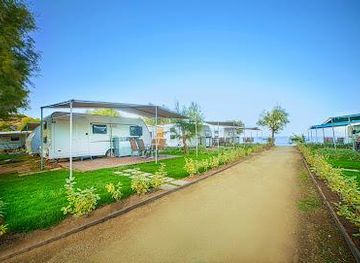
Armenistis Camping & Bungalows
Discover the tranquil charm of Armenistis Camping & Bungalows in Sarti, where nature meets comfort along the Aegean coastline.
-
Beach
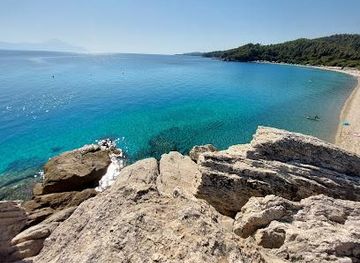
Paralia Armenistis
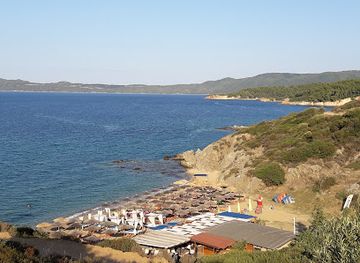
Experience the tranquil beauty of Paralia Armenistis, a stunning beach destination in Greece, perfect for relaxation and adventure seekers.
-
Tourist attraction
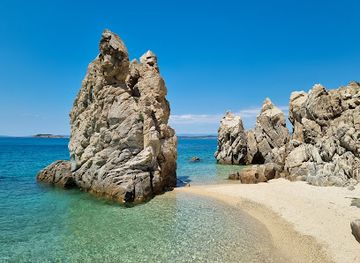
Mount Athos border's beach
Discover the serene beauty of Mount Athos Border's Beach, a tranquil retreat with breathtaking views and rich historical significance.
-
Tourist attraction
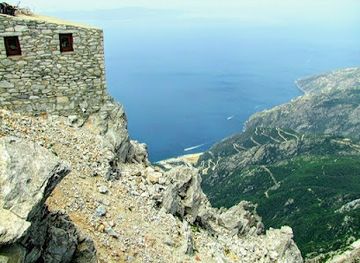
Mount Athos - view Point
Experience the serene beauty and breathtaking vistas at Mount Athos View Point, a must-visit destination for nature lovers in Greece.
Best landmarks in Mount Athos
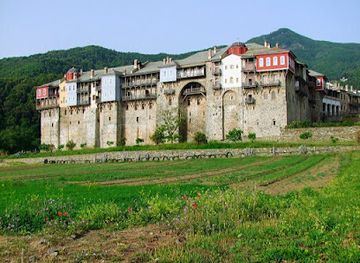
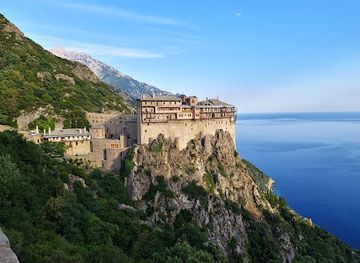
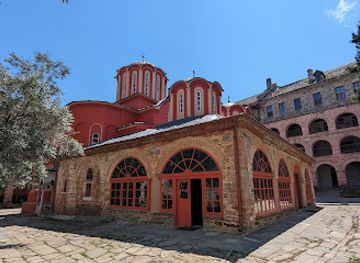
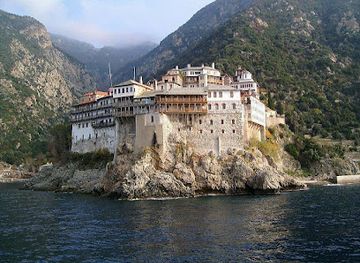
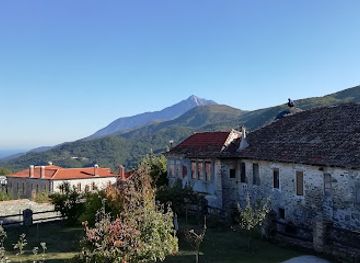
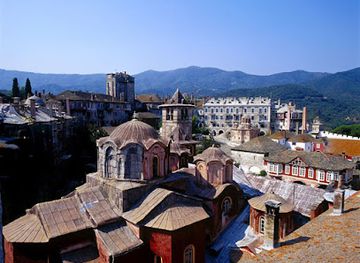
The defining landmarks of Mount Athos are its 20 sovereign monasteries, many of which combine heavy stone walls, towers, courtyards and churches in distinctive fortified complexes. The Great Lavra, founded in the tenth century, is the senior monastery and a central reference point in Athonite history. Vatopedi and Iviron are among the major Byzantine foundations, while Hilandar represents the Serbian Orthodox presence, Zograf the Bulgarian tradition and Saint Panteleimon the Russian monastic tradition. Karyes, the administrative capital, is marked by the Protaton church and the institutions of the Holy Community. Above this built heritage rises Mount Athos itself, a 2,033-metre peak that gives the peninsula its name and dominates views from the Aegean. The coastline, wooded ravines and isolated coves are also important geographical landmarks, but access to all sites is regulated by the monastic authorities and the conditions of the pilgrimage permit.
-
Monastery
Iviron Monastery
Explore the spiritual and artistic treasures of Iviron Monastery, a serene retreat on Mount Athos rich in history and natural beauty.
-
Monastery
Simonos Petras Monastery
Experience the awe-inspiring Simonos Petras Monastery on Mount Athos: a stunning architectural marvel and beacon of Orthodox spirituality.
-
Monastery
Holy Monastery Koutloumousiou
Discover the Holy Monastery of Koutloumousiou on Mount Athos: a historic Orthodox sanctuary with stunning Byzantine architecture and priceless relics.
-
Mountain peak
Ormos Vatopediou , Mt. Athos
Discover the serene beauty and spiritual heritage of Ormos Vatopediou on Mount Athos, a breathtaking destination for the soul.
Explore Mount Athos on the map
Plan your trip on one map. See where the top cities, national parks and sights are, and book hotels and experiences in a few clicks.
Best hotels in Mount Athos
Best restaurants in Mount Athos
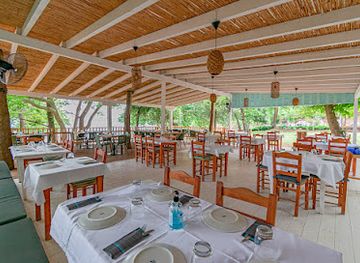
Mount Athos does not have a conventional restaurant scene. Pilgrims are usually hosted by monasteries, where meals form part of the rhythm of hospitality and are commonly served communally at set times. Food is generally simple and seasonal, reflecting Orthodox monastic practice, with vegetables, pulses, bread, fruit, olives and other local produce featuring prominently; fasting periods affect what is served, while fish may appear on permitted days. Visitors should not expect menus, cafés or flexible dining hours inside the territory, and those with dietary or medical requirements should communicate them in advance. Ouranoupoli and the wider Halkidiki mainland provide the region’s ordinary choice of tavernas, cafés and seafood restaurants, with dishes based on northern Greek ingredients and Aegean produce. Meals there may include grilled fish, shellfish, salads, local cheeses, honey and olive oil, offering a more varied culinary experience before or after a pilgrimage.
-
Restaurant
HOTEL RESTAURANT ΑΘΩΣ
Discover authentic Greek flavors at Hotel Restaurant ΑΘΩΣ in Karyes - where tradition meets culinary excellence.
-
Restaurant
Anapsktirio "i kali parea / giorgos & amanda"
Experience authentic Greek cuisine at Anapsktirio 'i kali parea' in Ouranoupoli – where every dish tells a story.
-
Restaurant
Pefko al Fresco
Beachfront Greek grilling at Porto Carras: fresh fish, meats, and platters served with sand underfoot and sea breezes, blending casual self-service charm with resort elegance.
Best bars in Mount Athos
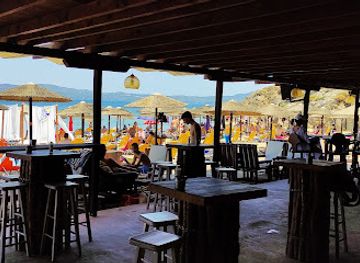
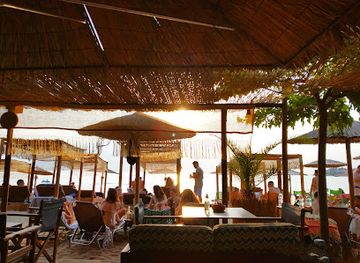
Mount Athos has no conventional nightlife: monasteries observe religious schedules, evening services, communal meals and periods of quiet rather than bars, clubs or late entertainment. Visitors should treat the absence of nightlife as part of the character of the pilgrimage and follow each monastery’s curfew and conduct rules. The evening atmosphere may centre on prayer, conversation with fellow pilgrims and the subdued life of the guesthouse. Outside the monastic territory, Ouranoupoli offers the nearest selection of cafés, tavernas and relaxed waterfront venues, while larger mainland resorts in Halkidiki provide more extensive seasonal evening activity. These options are separate from Mount Athos itself and should be enjoyed before entry or after returning by boat, not assumed to be available within the autonomous monastic state.
-
Bar
Manassu Beach Bar and Restaurant
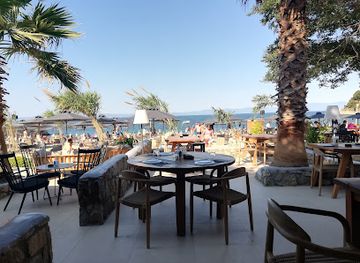
Experience the perfect blend of beachside relaxation and exquisite dining at Manassu Beach Bar and Restaurant in Sarti.
-
Bar
Rodia Beach Bar
Discover the enchanting Rodia Beach Bar in Vourvourou, Greece - a perfect blend of relaxation, stunning views, and lively atmosphere by the Aegean Sea.
-
Bar
Voulitsa Beach Bar
Experience the vibrant atmosphere and stunning views at Voulitsa Beach Bar, the perfect coastal retreat in Nea Roda, Greece.
-
Bar
Fratelli Beach & Cocktail Bar
Discover the idyllic Fratelli Beach & Cocktail Bar, a must-visit for exquisite cocktails and fresh local flavors in Neos Marmaras.
Best nightclubs in Mount Athos
Mount Athos has no conventional nightlife: monasteries observe religious schedules, evening services, communal meals and periods of quiet rather than bars, clubs or late entertainment. Visitors should treat the absence of nightlife as part of the character of the pilgrimage and follow each monastery’s curfew and conduct rules. The evening atmosphere may centre on prayer, conversation with fellow pilgrims and the subdued life of the guesthouse. Outside the monastic territory, Ouranoupoli offers the nearest selection of cafés, tavernas and relaxed waterfront venues, while larger mainland resorts in Halkidiki provide more extensive seasonal evening activity. These options are separate from Mount Athos itself and should be enjoyed before entry or after returning by boat, not assumed to be available within the autonomous monastic state.
-
Night club
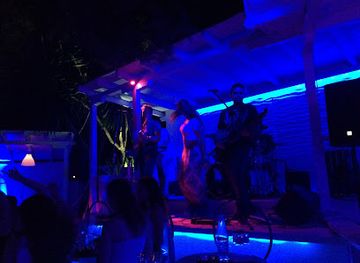
King Size Club
Discover the electrifying nightlife at King Size Club in Ierissos, where vibrant music and an energetic ambiance await every night.
Best shops in Mount Athos
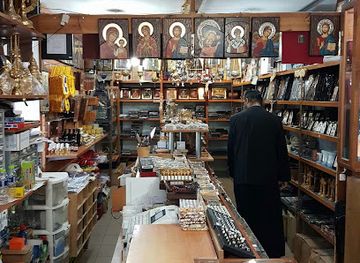
Shopping on Mount Athos is limited and shaped by monastic life rather than commercial tourism. Pilgrims may find religious books, icons, prayer items, olive products, honey, wine or other goods associated with individual monasteries, but availability varies and purchases should be approached respectfully. The peninsula is not a place for general retail, fashion shopping or an extensive souvenir market. Ouranoupoli, the principal mainland departure point, has a broader selection of shops selling religious art, jewellery, local food products and practical items for pilgrims, while markets and retailers elsewhere in Halkidiki offer olive oil, honey, herbs, ceramics and regional crafts. Buyers should distinguish handmade or monastery-produced goods from mass-produced souvenirs and pack any purchases carefully, particularly icons or liquids carried on onward journeys.
-
Church supply store
ΑΘΩΝΙΚΟΣ-ATHONIAN
Explore the spiritual treasures of Mount Athos at ΑΘΩΝΙΚΟΣ-ATHONIAN, your gateway to sacred artifacts and ecclesiastical items.
-
Cafe
Like Home Convenience Store & Coffee
Experience the perfect blend of cozy café vibes and local grocery essentials at Like Home Convenience Store & Coffee in Ouranoupoli.
-
Church supply store
Μοναστηριακά Προϊόντα Αγίου Όρους | monastiriaka.gr
Explore Monastiriaka for handcrafted religious artifacts and souvenirs that embody the spiritual heritage of the Greek Orthodox Church.
-
Church supply store
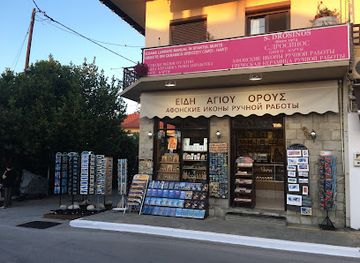
Drosinos - Handpainted Athos Icons
Explore the beauty of hand-painted icons at Drosinos, a unique church supply store in Ouranoupoli that reflects the rich spiritual art of Greece.
Get your free copy of our complete guide to Mount Athos, delivered straight to you.
Everything on this page, from attractions and restaurants to essentials and local phrases, in one PDF you can read offline, print or share.
Already have an account? Sign in
Your Mount Athos guide is ready.
We'll send it to · Not you? Sign out

Getting your guide ready…
We are putting together a fresh copy of the Mount Athos guide. This can take up to a minute.
This can take a few moments. If your browser asks, choose Allow so the download can start. You'll find the guide in your Downloads folder.
Nothing happened? Download it again
Sorry, the guide is taking longer than usual. Please try again in a minute, or get it by email instead.
Mount Athos essentials
Currency and Payment
Safety
Emergency Situations
Do's and Don'ts
Local Tips
From Eve
Local phrases worth knowing
You don't need to get them perfect. A few words go a long way, and locals appreciate the effort.
Basics
| English | Local | Say it |
|---|---|---|
| Hello | Γειά σου | [Yia sou] |
| Goodbye | Αντίο | [Adío] |
| Yes | Ναι | [Ne] |
| No | Όχι | [Óchi] |
| Please/You're welcome | Παρακαλώ | [Parakaló] |
| Thank you | Ευχαριστώ | [Efcharistó] |
| Excuse me/Sorry | Συγγνώμη | [Signómi] |
| How are you? | Πώς είσαι; | [Pós eísai?] |
| Fine. And you? | Καλά. Εσύ; | [Kalá. Esý?] |
| Do you speak English? | Μιλάς Αγγλικά; | [Milás Angliká?] |
| I don't understand | Δεν καταλαβαίνω | [Den katalavéno] |
Eating & Drinking
| English | Local | Say it |
|---|---|---|
| I'd like to see the menu, please | Θα ήθελα να δω το μενού, παρακαλώ | [Tha íthela na do to menó, parakaló] |
| I don't eat meat | Δεν τρώω κρέας | [Den tróo kréas] |
| Cheers! | Στην υγειά μας! | [Stin ygeiá mas!] |
| I would like to pay, please | Θα ήθελα να πληρώσω, παρακαλώ | [Tha íthela na pliróso, parakaló] |
Emergencies
| English | Local | Say it |
|---|---|---|
| Help! | Βοήθεια! | [Voítheia!] |
| Go away! | Φύγε! | [Fýge!] |
| Call the Police! | Καλέστε την αστυνομία! | [Kaléste tin astynomía!] |
| Call a doctor! | Καλέστε έναν γιατρό! | [Kaléste énan giatró!] |
| I'm lost | Είμαι χαμένος | [Eímai chaménos] |
| I'm ill | Είμαι άρρωστος | [Eímai árrhostos] |
Shopping
| English | Local | Say it |
|---|---|---|
| I'd like to buy... | Θα ήθελα να αγοράσω... | [Tha íthela na agoráso...] |
| I'm just looking | Απλά κοιτάω | [Aplá kitáo] |
| How much is it? | Πόσο κοστίζει; | [Póso kostízei?] |
| That's too expensive | Είναι πολύ ακριβό | [Eínai polý akrivó] |
| Can you lower the price? | Μπορείς να μειώσεις την τιμή; | [Borís na meióso tin timí?] |
Time & Numbers
| English | Local | Say it |
|---|---|---|
| What time is it? | Τι ώρα είναι; | [Ti óra eínai?] |
| It's one o'clock | Είναι μία η ώρα | [Eínai mía i óra] |
| Half past (10) | Δέκα και μισή | [Déka kai misí] |
| Morning | Πρωί | [Proï] |
| Afternoon | Απόγευμα | [Apógevma] |
| Evening | Βράδυ | [Vrády] |
| Yesterday | Χθες | [Chthes] |
| Today | Σήμερα | [Símera] |
| Tomorrow | Αύριο | [Ávrio] |
| 1 | 1 | [1] |
| 2 | 2 | [2] |
| 3 | 3 | [3] |
| 4 | 4 | [4] |
| 5 | 5 | [5] |
| 6 | 6 | [6] |
| 7 | 7 | [7] |
| 8 | 8 | [8] |
| 9 | 9 | [9] |
| 10 | 10 | [10] |
Transport & Directions
| English | Local | Say it |
|---|---|---|
| Where's a/the...? | Πού είναι το...; | [Poú eínai to...?] |
| What's the address? | Ποια είναι η διεύθυνση; | [Poia eínai i diéfthynsi?] |
| Can you show me (on the map)? | Μπορείς να μου δείξεις (στο χάρτη); | [Borís na mou deíxeis (sto chárti)?] |
| When's the next (bus)? | Πότε είναι το επόμενο (λεωφορείο); | [Póte eínai to epómeno (leoforío)?] |
| A ticket (to ....) | Μια εισιτήριο (για....) | [Mia eisitírio (gia....)] |
History of Mount Athos
Classical Athos and Early Christian Settlement
The Athos peninsula was known in antiquity as Athos, and ancient settlements existed around its coasts before the area became predominantly associated with Christian asceticism. From the late Roman and early Byzantine periods, hermits and small religious communities were drawn to the peninsula’s isolation, forests and mountain terrain. The landscape offered both physical separation from urban society and access to the sea. Over time, scattered ascetic settlements developed a shared spiritual identity that laid the foundation for the organised monastic culture later established on the Holy Mountain.
The Byzantine Monastic Foundation
Organised monastic life expanded decisively during the Byzantine era. In 963, Athanasios of Athos founded the Great Lavra, the first and senior monastery of the modern Athonite system, with imperial support from Nikephoros II Phokas and later rulers. The foundation established a coenobitic model of communal worship, work and discipline. Other monasteries followed, creating a network of institutions governed by Orthodox religious traditions and supported by imperial patronage. Byzantine legal and ecclesiastical arrangements shaped Mount Athos’s distinctive autonomy and remain visible in its hierarchy and administration.
The Formation of the Twenty-Monastery Community
Between the medieval period and the late Byzantine era, the principal monastic houses of Mount Athos became more firmly established. The community eventually came to be organised around 20 sovereign monasteries, each with its own dependencies, estates and artistic heritage. Monks from different parts of the Orthodox world created communities including Vatopedi, Iviron, Hilandar, Zograf and Saint Panteleimon. This international character made Athos a significant centre for Orthodox culture, while the monasteries’ fortified architecture reflected periods of political instability, piracy and military threat.
Athonite Art, Manuscripts and Orthodox Learning
Mount Athos developed as one of the most important repositories of Orthodox artistic and literary culture. Monastic scriptoria copied theological and classical texts, while churches and refectories were decorated with frescoes and icons according to evolving Byzantine and post-Byzantine traditions. The peninsula preserved manuscripts, liturgical objects and documentary archives through periods of political change. Its influence extended beyond the mountain through monks, texts and artistic models carried to Orthodox communities in the Balkans, Russia and the eastern Mediterranean.
Ottoman Rule and Continuing Autonomy
After the Byzantine Empire’s decline, Mount Athos came under Ottoman rule, but the monasteries retained a substantial degree of internal autonomy and continued their religious and cultural functions. Monastic estates, donations and relationships with Orthodox communities helped sustain the institutions, although taxation, financial pressure and political uncertainty affected their resources. The monasteries served as centres of worship and education during a period when Orthodox Christian communities across the region lived under Ottoman authority. Their archives preserve evidence of these changing relationships.
Mount Athos in the Greek State
During the Balkan Wars, Greek forces took control of Mount Athos in 1912, and its autonomous status was subsequently recognised within the constitutional framework of Greece. The governing structure is centred on the Holy Community at Karyes, where representatives of the 20 monasteries meet, while the Greek state maintains responsibility for aspects of sovereignty and administration. This arrangement distinguishes Mount Athos from an ordinary municipality or tourist region. Its religious authorities continue to regulate entry, residence and conduct according to long-established rules.
Modern Preservation and Living Heritage
In the modern period, Mount Athos has faced the practical challenges of conserving ageing buildings, manuscripts, icons and forests while maintaining a functioning monastic society. Restoration projects, archival work and improved but still limited infrastructure have supported the protection of its heritage. The peninsula’s recognition as a UNESCO World Heritage cultural site reflects the importance of its architecture, art and spiritual continuity. Its significance, however, is not only historical: monasteries remain inhabited, liturgy continues, and access is still structured around pilgrimage rather than mass tourism.
Mount Athos in Photos
Browse through our photo collection highlighting the charm and character of the destination.
Neighbouring regions of Mount Athos
The closest regions to Mount Athos, if you have time for more than one.
-

-

-

-

-


Swipe for more regions
Explore more
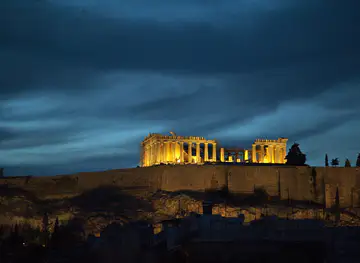
Explore more of Greece
Discover Greece: A land where ancient history meets modern vibrancy, offering stunning islands, crystal-clear seas, and unforgettable cultural experiences.
Explore Greece